


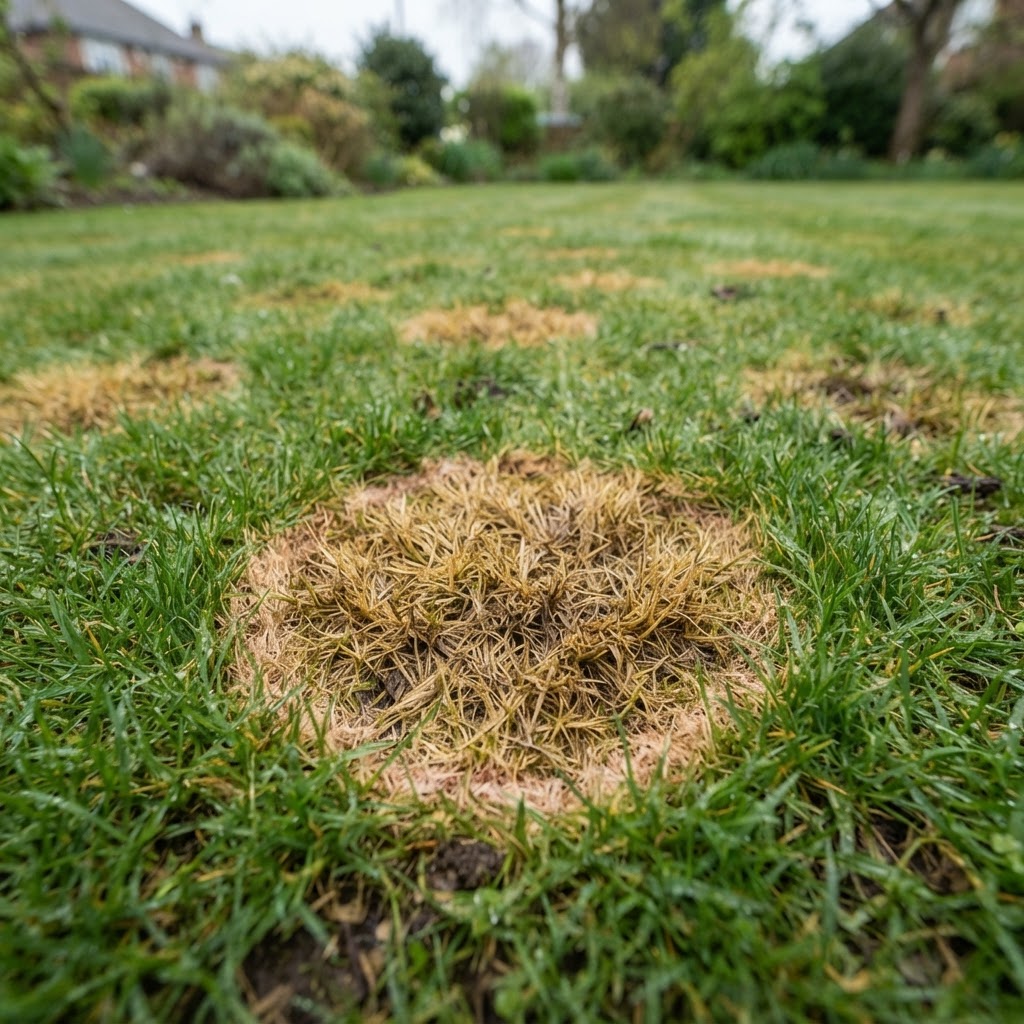

A thin, patchy lawn is not always a seed problem. If grass seed germinates but stalls, turf dries out rapidly, or water sits on the surface after rain, the limiting factor is often below ground. A soil conditioner changes the growing environment around the roots, helping grass make better use of air, moisture and nutrients already present in the soil.
For homeowners, that can mean a lawn that establishes more evenly after overseeding. For landscapers, it can prevent costly call-backs on new-build gardens where compacted subsoil has been covered with only a shallow layer of topsoil. The right material is useful, but it is not a cure-all. First identify what the ground actually needs.
What a soil conditioner does
A soil conditioner is a material incorporated into soil to improve its physical condition. It is not simply another name for fertiliser. Fertiliser supplies nutrients, usually expressed as an NPK ratio such as 6-9-6. A conditioner works chiefly on soil structure: the balance of mineral particles, organic matter, pore spaces, water and air.
Healthy lawn soil contains small aggregates rather than a solid mass. Those aggregates allow rainfall to drain through while retaining enough moisture for roots to draw on between showers. They also create channels for oxygen. Grass roots need air as much as they need water; a saturated, compacted profile limits rooting and encourages weak, surface-level growth.
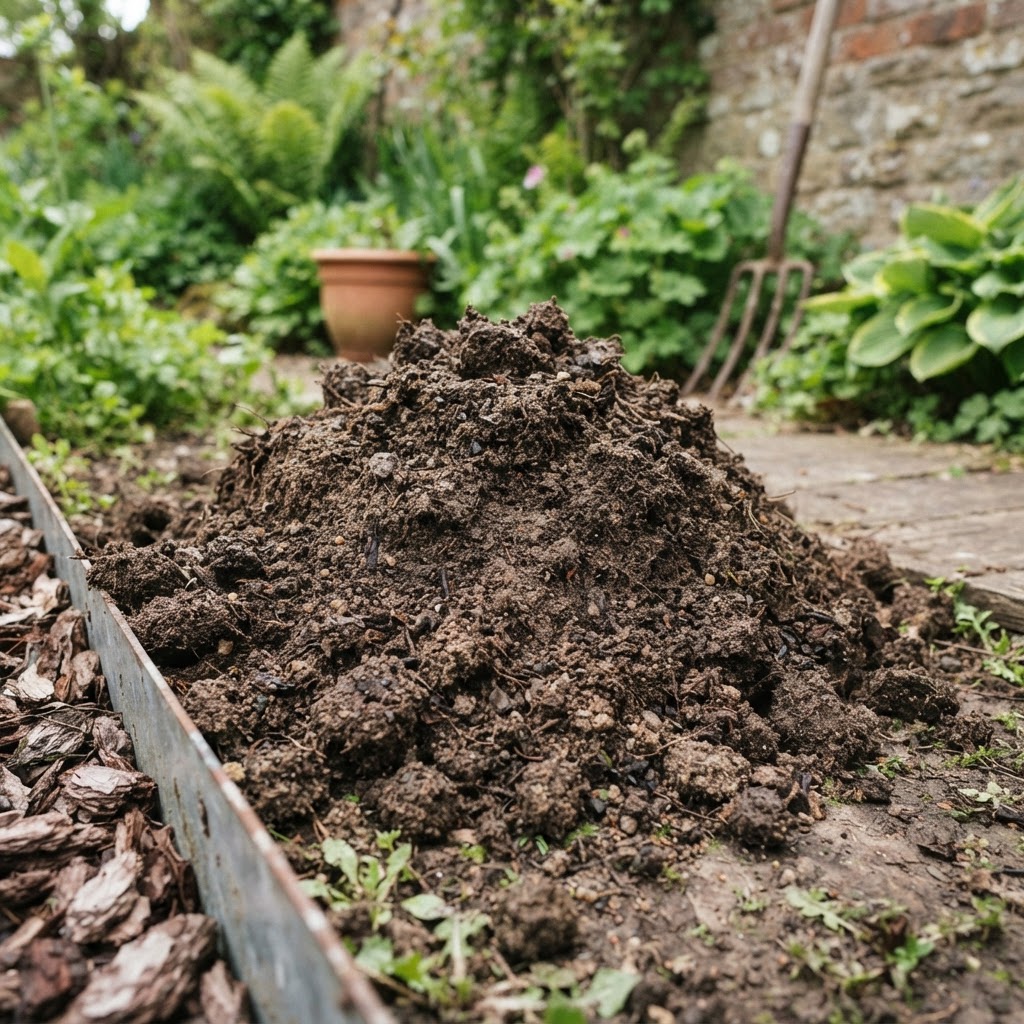
Organic soil conditioners, such as well-made green-waste compost, composted bark and certain manure-based products, can help bind light sandy soils and open heavy clay soils. In both cases, the goal is a more workable rootzone. On poor ground, improved structure can make seed establishment more reliable and help turf root through rather than sitting on the surface.
This does not mean every lawn needs a conditioner every season. A mature lawn with decent drainage, good earthworm activity and healthy root depth may benefit more from correct mowing, feeding and aeration than from adding material at the surface.
Diagnose the ground before buying material
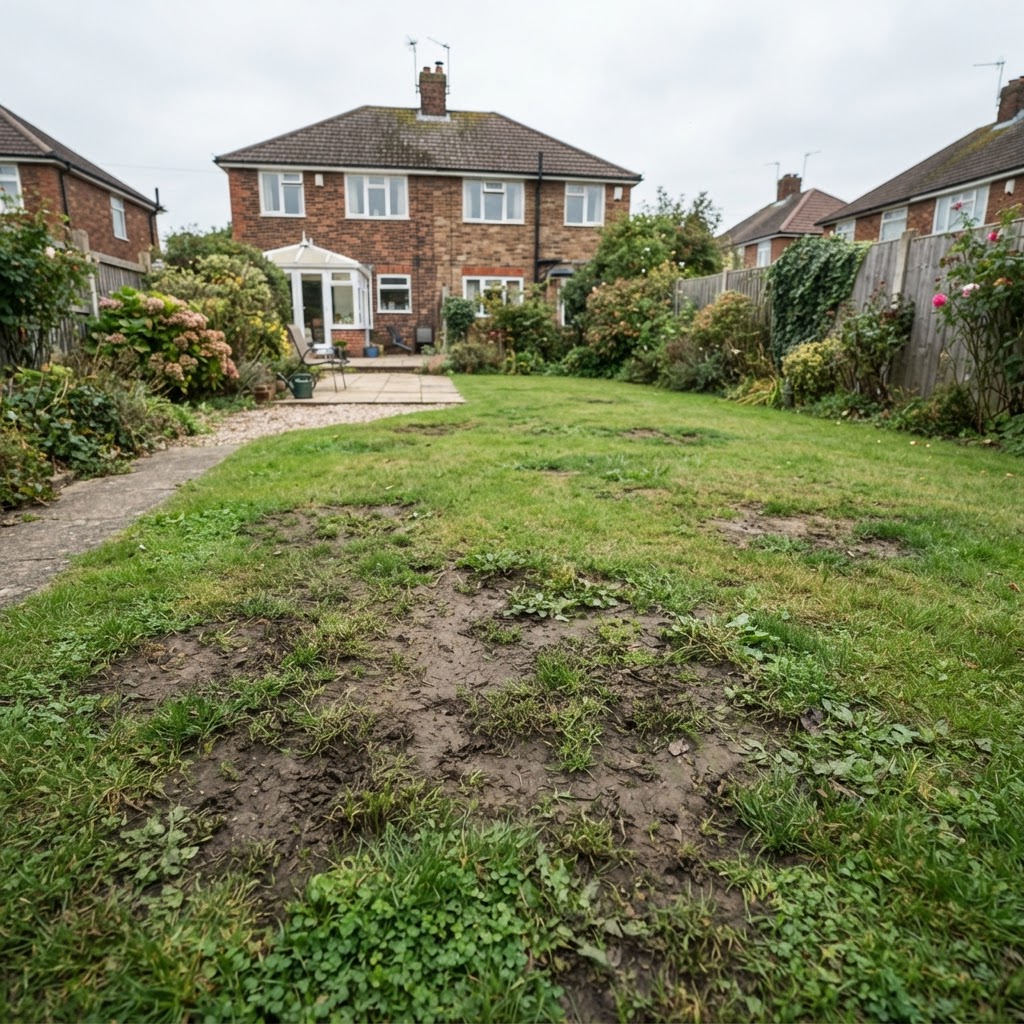
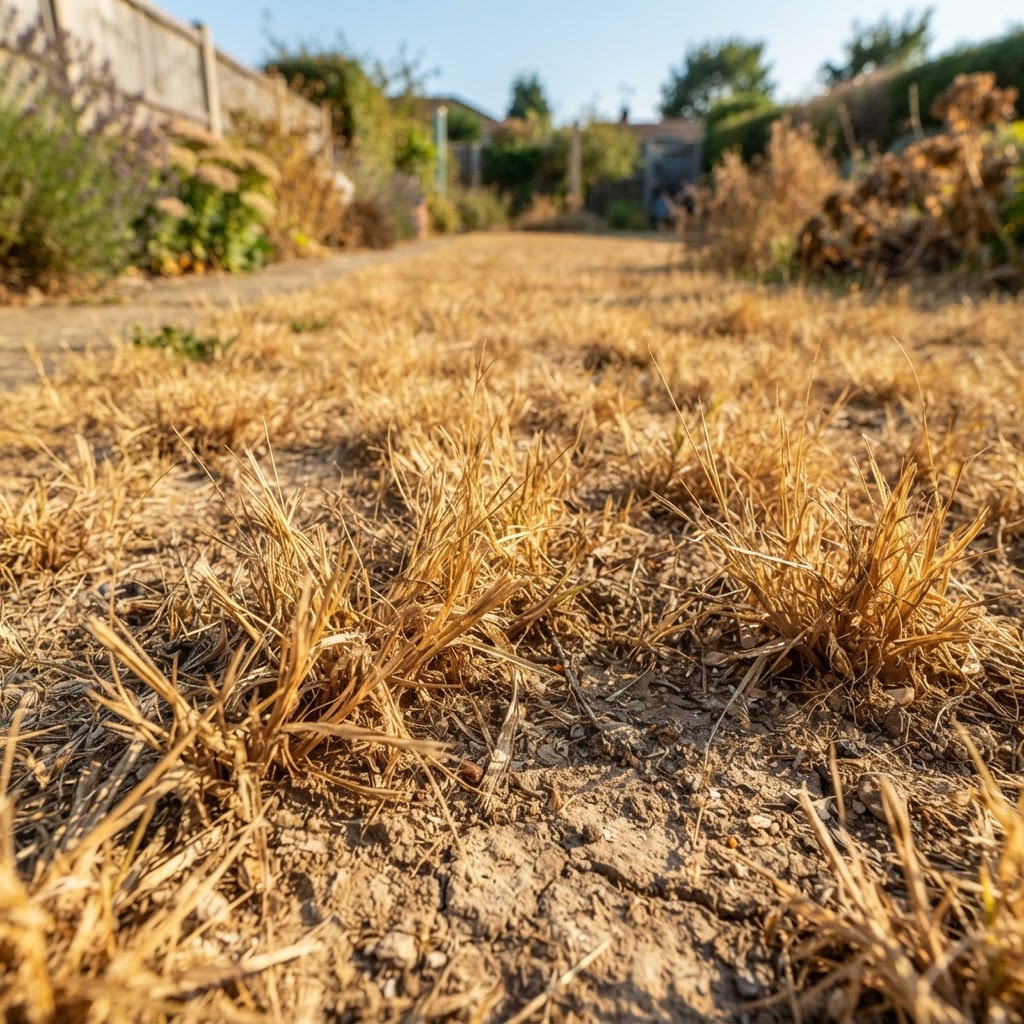
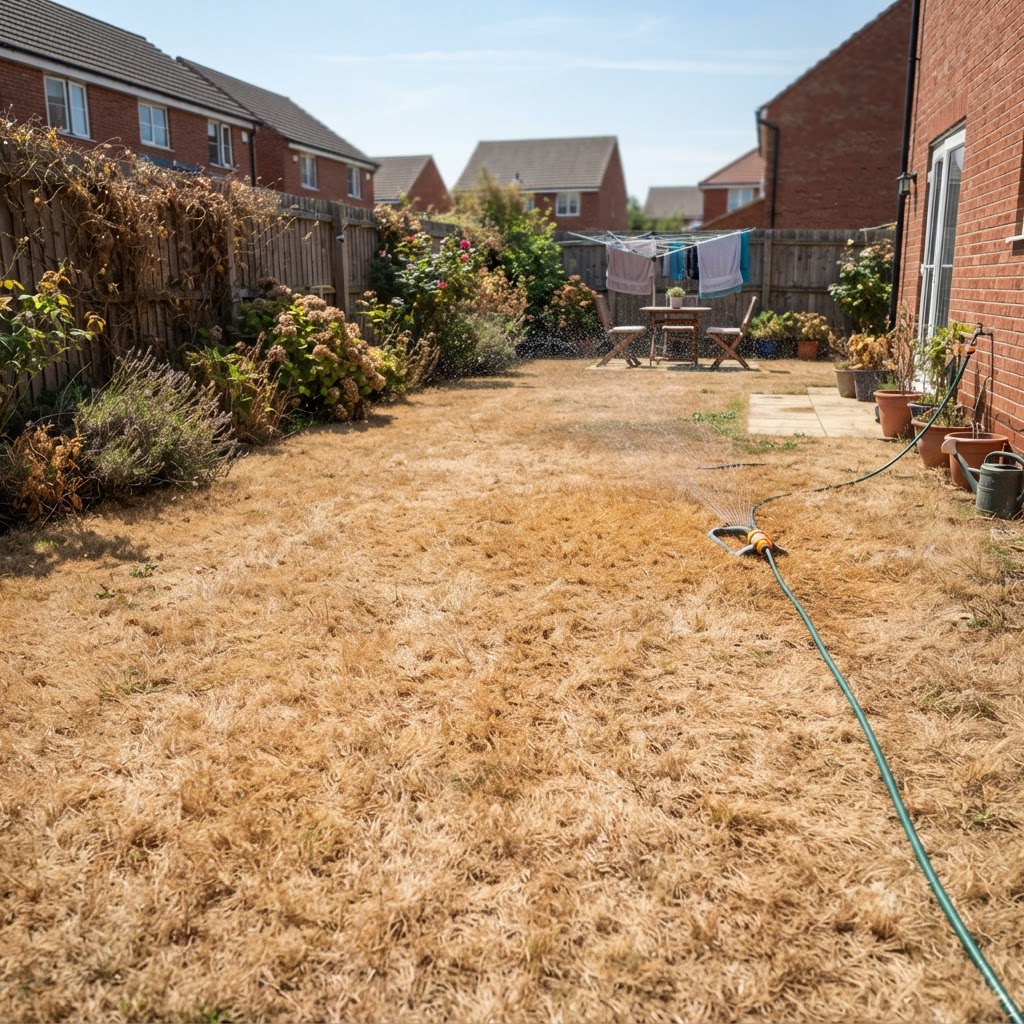
Start with a simple inspection after rain. Puddles that remain for more than a day can point to compaction, a clay-heavy profile, a buried construction layer or poor levels. A lawn that turns hard and cracked in dry weather is often low in organic matter or predominantly sandy. Neither condition is solved by adding extra grass seed alone.
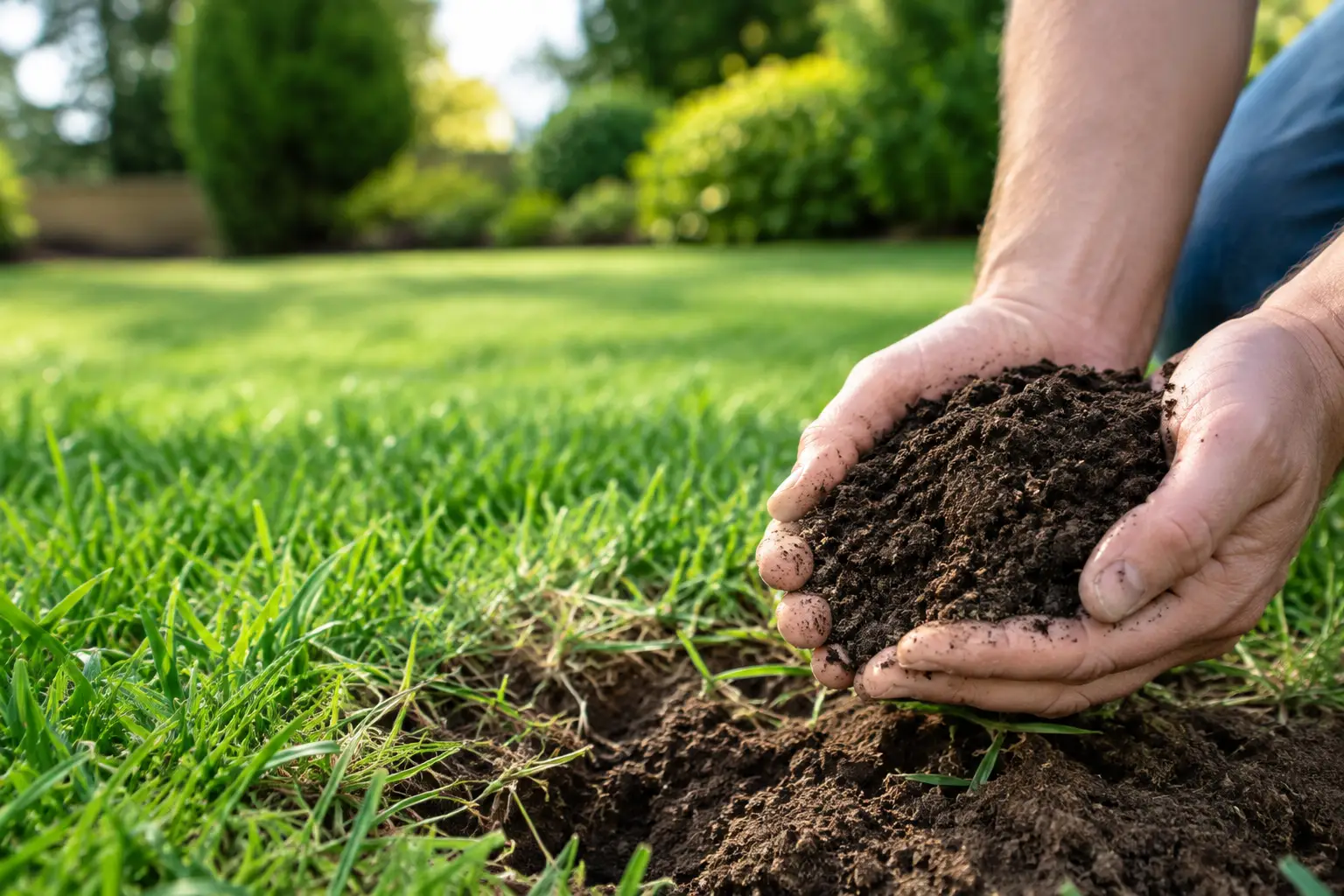
Take a small spadeful from several areas, around 100 mm to 150 mm deep. Heavy clay tends to smear when wet and form hard clods when dry. Sandy soil falls apart easily and struggles to hold moisture. A dark, crumbly soil with visible roots and worms is generally in better order.
Compaction needs separate attention. If a screwdriver is difficult to push into damp ground, or roots are concentrated in the top 25 mm to 50 mm, use hollow-tine aeration where practical. Applying conditioner on top of an unbroken compacted layer may improve the surface temporarily, but it will not create meaningful drainage below it.
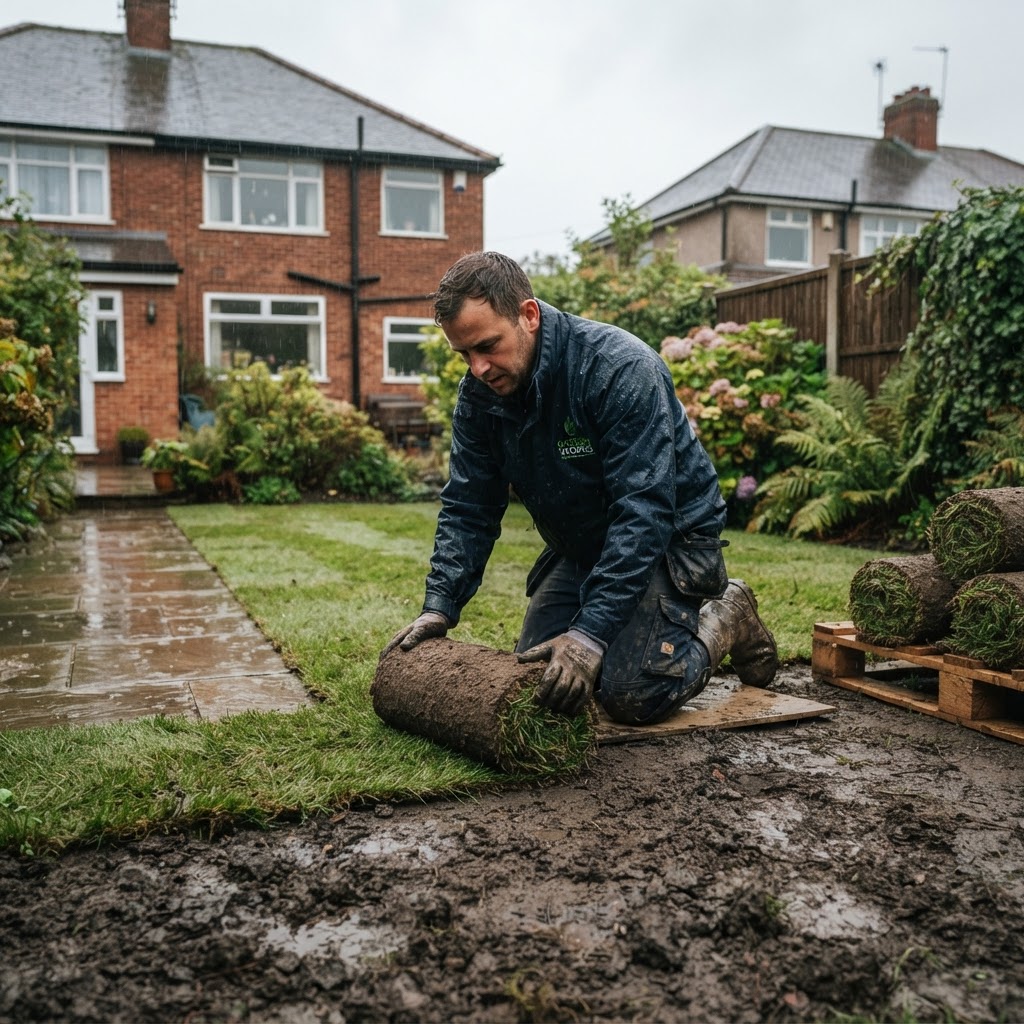
New-build lawns deserve particular caution. Builders' subsoil can be low in organic matter, compacted by machinery and mixed with rubble. Check depth and remove debris before spreading a quality topsoil or soil conditioner. A few bags spread over poor ground will not compensate for a shallow, badly prepared rooting zone.
Choosing the right soil conditioner for lawns
The best choice depends on soil type, the work being carried out and how deeply the material can be incorporated. For lawn renovation and new establishment, choose a consistent, mature product that is free-flowing and suitable for horticultural use. Immature compost can temporarily tie up nitrogen as it breaks down, while poorly screened material makes levelling difficult and may introduce unwanted debris.
Peat-free composted conditioners are a sensible option for improving organic matter without relying on peat extraction. Look for a clean, stable material with a known specification, particularly on commercial sites or where a contractor needs dependable results across multiple jobs. For imported topsoil, British Standard BS 3882 remains a useful benchmark, although it applies to topsoil rather than every conditioner product.
On clay, composted organic matter is generally the first choice. It improves friability over time, but only when mixed through the upper rootzone. Avoid the old practice of adding a small amount of sand to clay. Unless enough coarse sand is incorporated in the correct proportion, it can create a dense, concrete-like mix rather than better drainage.
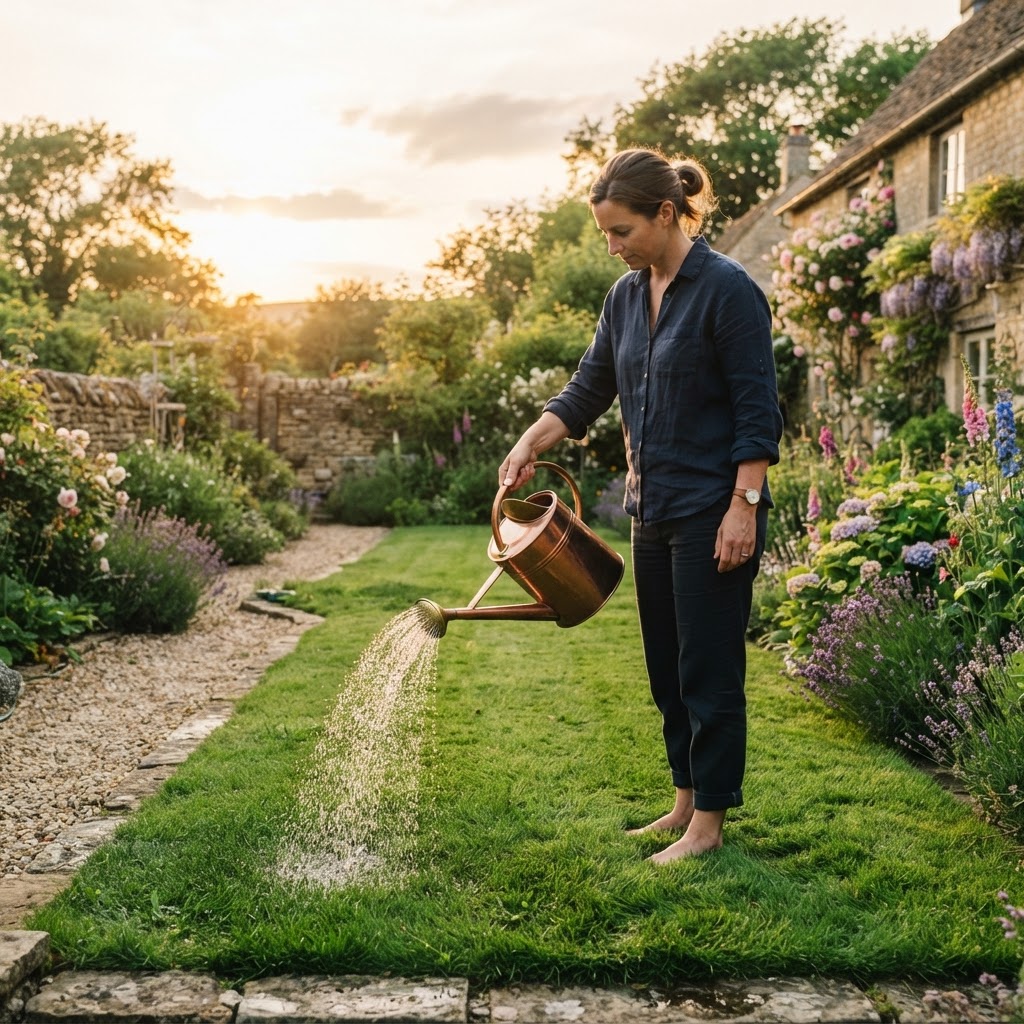
On sandy soil, organic matter improves water retention and nutrient-holding capacity. This is valuable for lawns that pale quickly in warm, dry periods despite regular feeding. It will not remove the need for drought-tolerant grass varieties or sensible watering, but it gives the rootzone a better reserve.
For a low-lying lawn where water is held by poor gradients or a high water table, conditioning alone is not enough. Regrading, drainage channels or a properly designed land drain may be required. Good lawn care starts with being honest about the cause of the problem.
How to apply soil conditioner before seeding or turfing
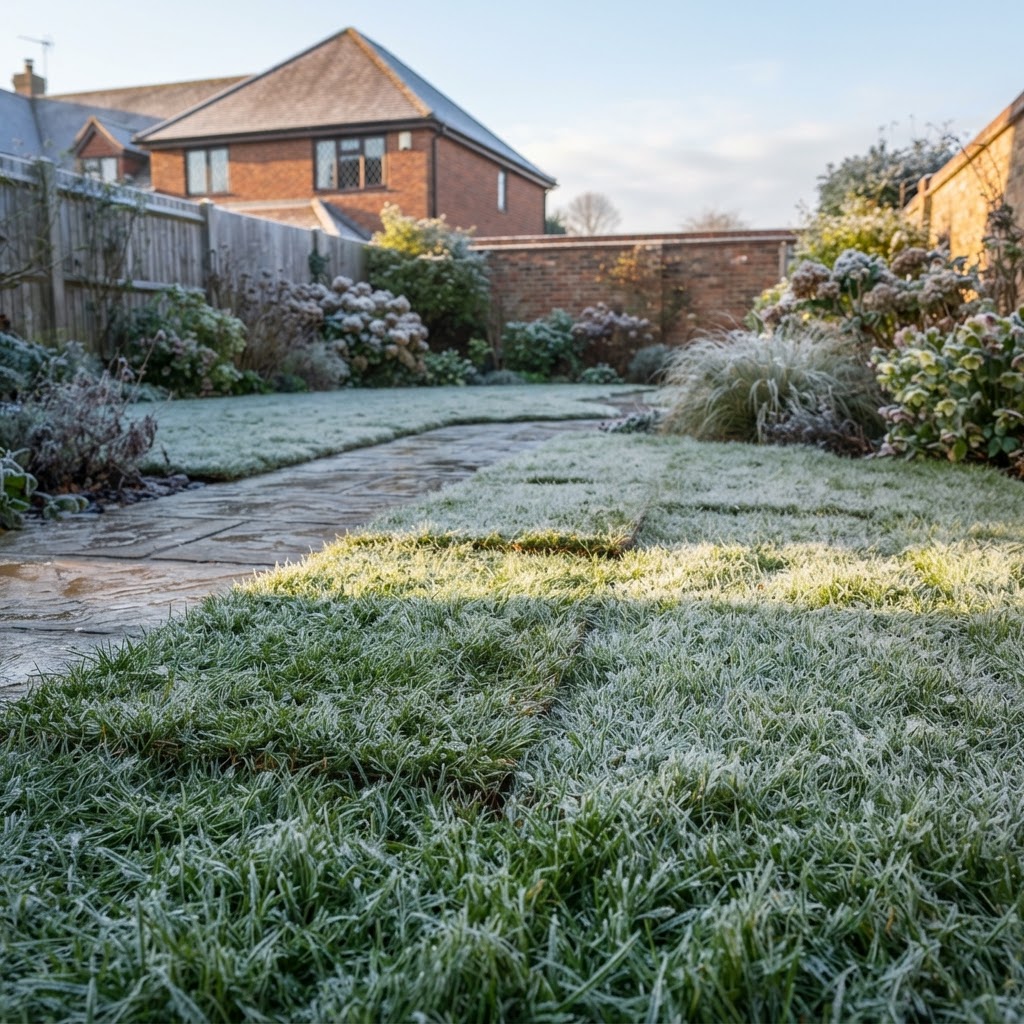
Conditioner performs best during soil preparation, before seed or turf goes down. Early autumn is often ideal in the UK: soil remains warm enough for rooting, rainfall is more dependable and summer weed pressure is easing. Spring is also suitable once the ground is workable and not waterlogged.
For a new lawn, remove weeds and debris first, then cultivate the upper 100 mm to 150 mm of soil. Spread the conditioner evenly and work it through the cultivated layer rather than leaving it as a distinct band. A practical incorporation rate will vary with the material and soil condition, so follow the supplier's stated coverage guidance rather than guessing by bag count.
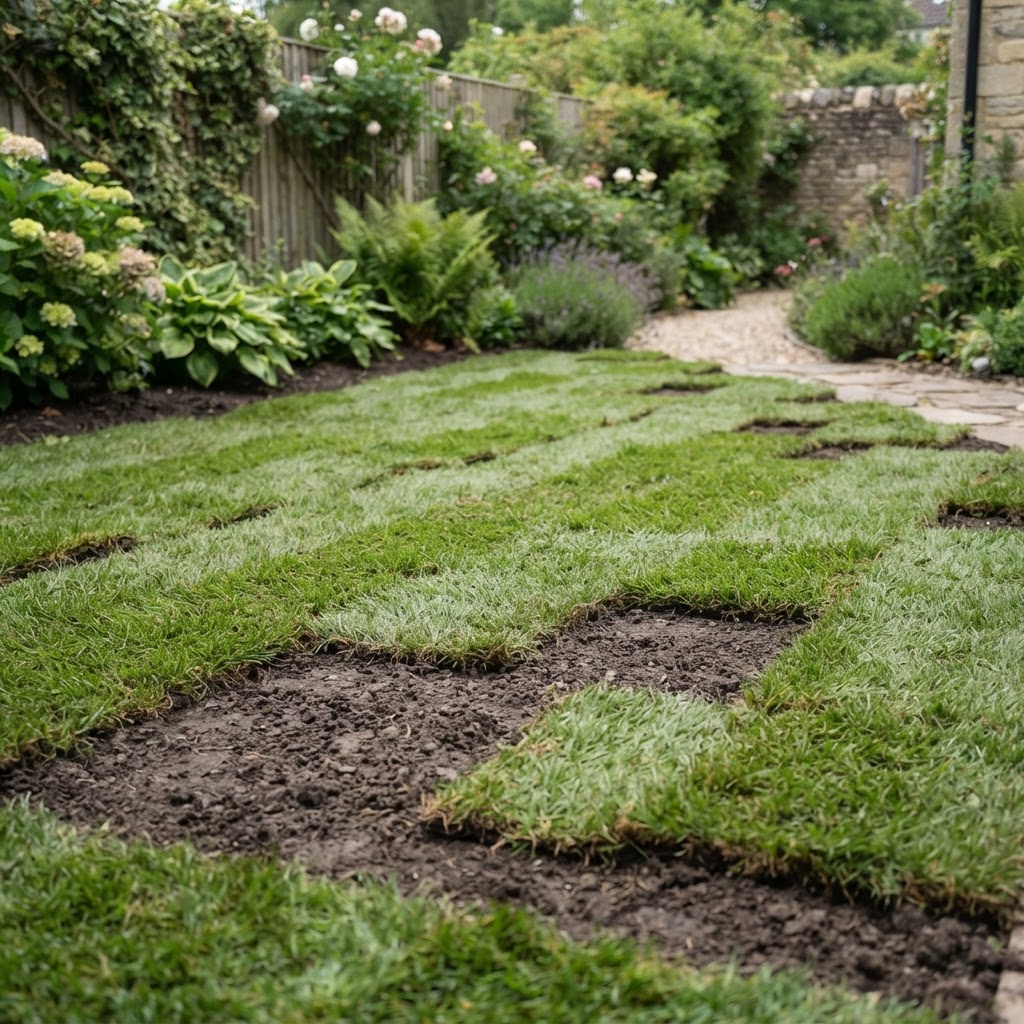
Level and lightly firm the ground after incorporation. The finished surface should be firm enough to walk across without sinking, but not compressed into a hard pan. Rake out stones, create a fine tilth at the surface, then apply seed or lay turf.
For overseeding an existing lawn, there is less scope for deep incorporation. Scarify to remove thatch, aerate if compaction is present, then use a fine, screened dressing containing suitable organic matter to work into the holes and surface. Keep the layer light. Burying established grass beneath a thick compost layer reduces light and can weaken the sward.
A sound establishment sequence is:
- Clear weeds, rubble and old thatch where required.
- Relieve compaction with hollow-tine aeration or cultivation.
- Incorporate the conditioner through the rooting depth on bare ground.
- Level, firm and rake to create an even seedbed.
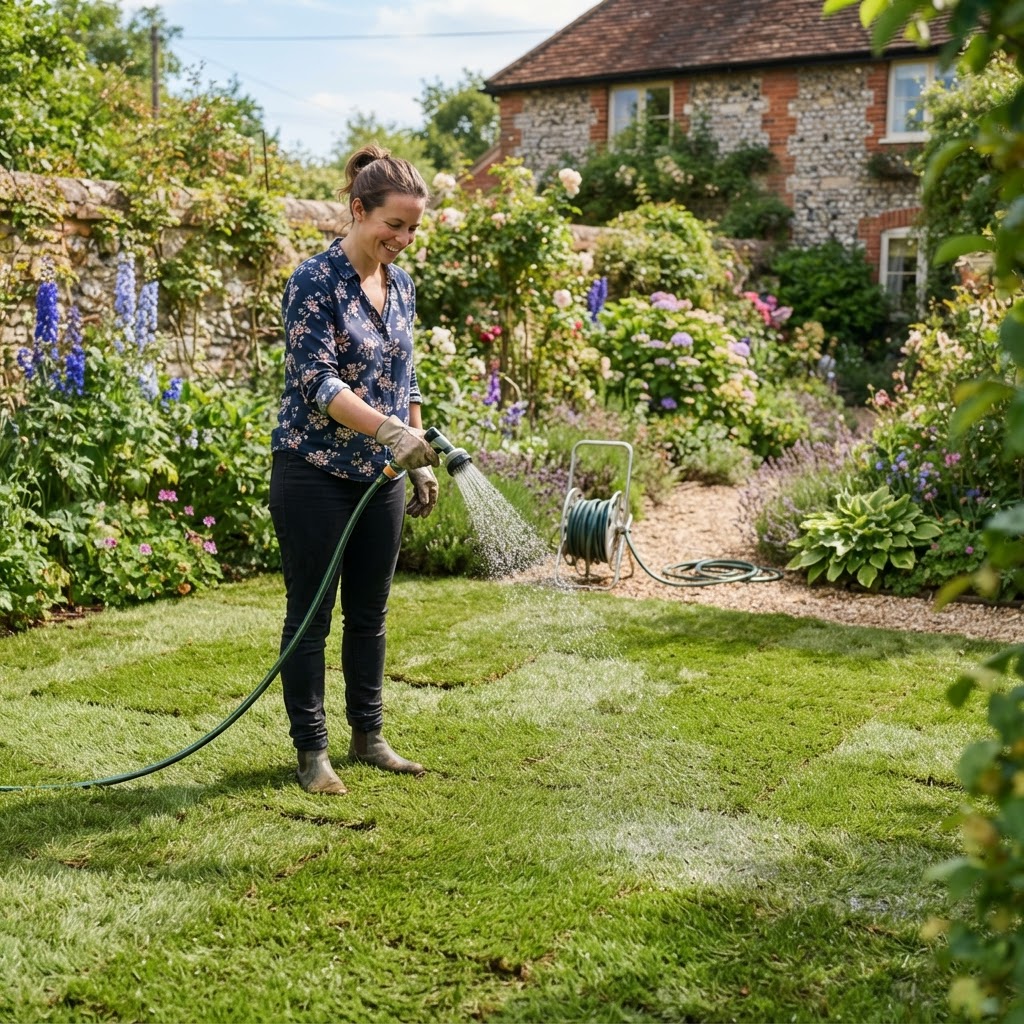
- Sow a lawn seed blend matched to the site, then keep the surface consistently moist during germination.
A pre-seeder fertiliser can be applied as part of this preparation where nutrient levels are low. It has a different job from conditioner: phosphorus supports early root development, while the conditioner improves the soil the roots must grow through. Used together at the right rates, they are more effective than either approach used as a substitute for the other.
Common mistakes that waste time and material
The most frequent error is using conditioner as a top dressing to disguise drainage issues. If water cannot pass through compacted soil or has nowhere to drain, the problem will return. Aeration and drainage assessment come first.
Another is applying too much. Organic matter is beneficial, but a deep layer around turf can create a soft, uneven surface and make mowing difficult. In seedbeds, excessive rich material can settle unevenly after rain. Work to a measured rate and build improvement over more than one season where necessary.
Do not use fresh manure, unfinished garden compost or material containing perennial weed roots in a lawn seedbed. These can introduce weed pressure, create nutrient imbalances or scorch young grass. Professional-looking results start with clean inputs and careful preparation, not a quick cover-up.
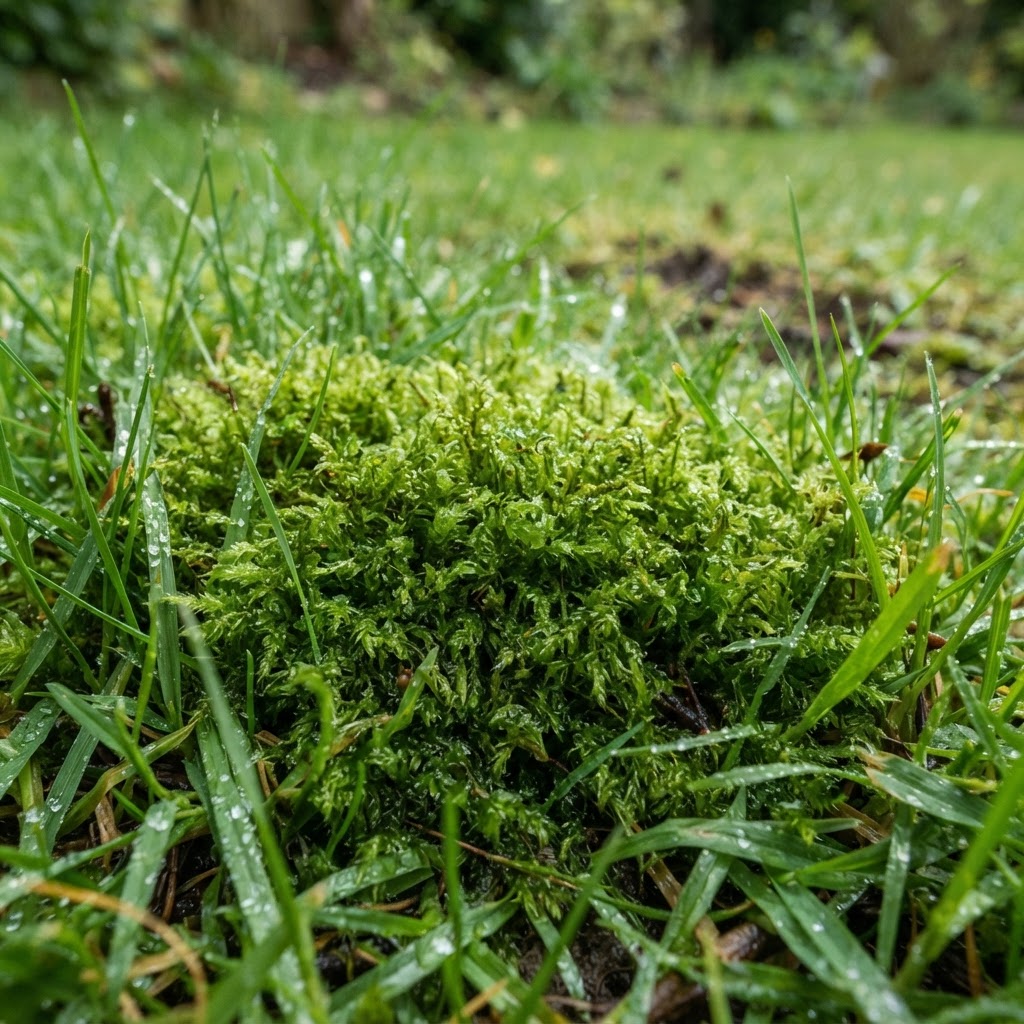
Finally, do not expect an instant colour change. A soil conditioner supports roots and structure. If the lawn needs greener leaf growth, use a seasonally appropriate fertiliser. If moss is taking over, address shade, drainage, compaction and acidity alongside a suitable moss treatment. Each product should have a clear purpose.
Give the roots somewhere worth growing
The difference between a lawn that merely survives and one that thickens year after year is often invisible from the surface. Build a deeper, airier, more moisture-balanced rootzone before asking grass seed or turf to perform. With sound preparation, the lawn has a fair chance to establish properly - and every later feed, mow and overseed delivers better value.