






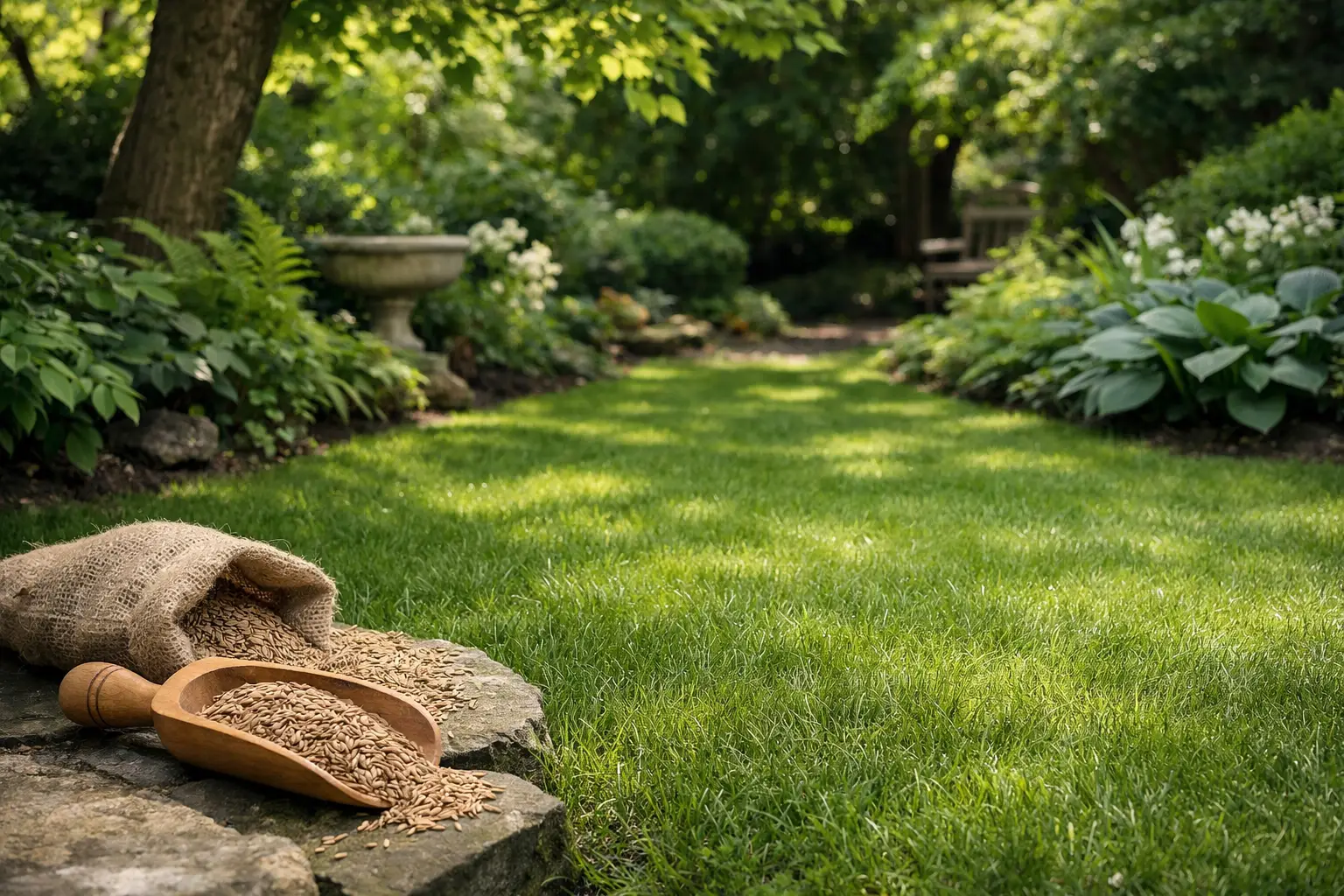
A lawn beneath mature trees can be one of the hardest parts of a garden to establish properly. Light is limited, roots compete for water, and the soil often dries quickly in summer. Fine fescue lawn seed is engineered for precisely these conditions, producing a softer, finer-textured turf where hard-wearing ryegrass can struggle.
It is not the right answer for every lawn. Fine fescue will not tolerate constant football, energetic dogs or heavy contractor traffic in the same way as a ryegrass-led mixture. But for ornamental lawns, lightly used gardens, shaded borders and dry banks, it is one of the most useful groups of grasses available to UK gardeners and landscapers.
What is fine fescue lawn seed?
Fine fescue is a collective term for several narrow-leaved grass species used in quality turf mixtures. The main types are chewing fescue, strong creeping red fescue, slender creeping red fescue and hard fescue. They share a fine blade, good tolerance of lower fertility and a natural ability to cope with less sunlight than many common lawn grasses.
The exact species in a mixture matters. Chewing fescue grows in neat, dense tufts and is valued for a close, ornamental finish. Creeping red fescues spread through short underground stems, helping a lawn knit together and recover thin areas over time. Hard fescue has excellent drought tolerance and performs well on lean, free-draining ground.
Most professional mixtures use more than one type. This is deliberate. A blend spreads risk across differing soil conditions, weather patterns and levels of wear, while giving the lawn a more even appearance.
Where fine fescue performs best
Fine fescue earns its place where a lawn needs finesse rather than brute strength. It is particularly suitable for gardens with dappled shade, north-facing areas, lawns around established trees and low-maintenance ornamental spaces. Its narrower leaf also gives a more refined appearance than a standard utility ryegrass mixture.
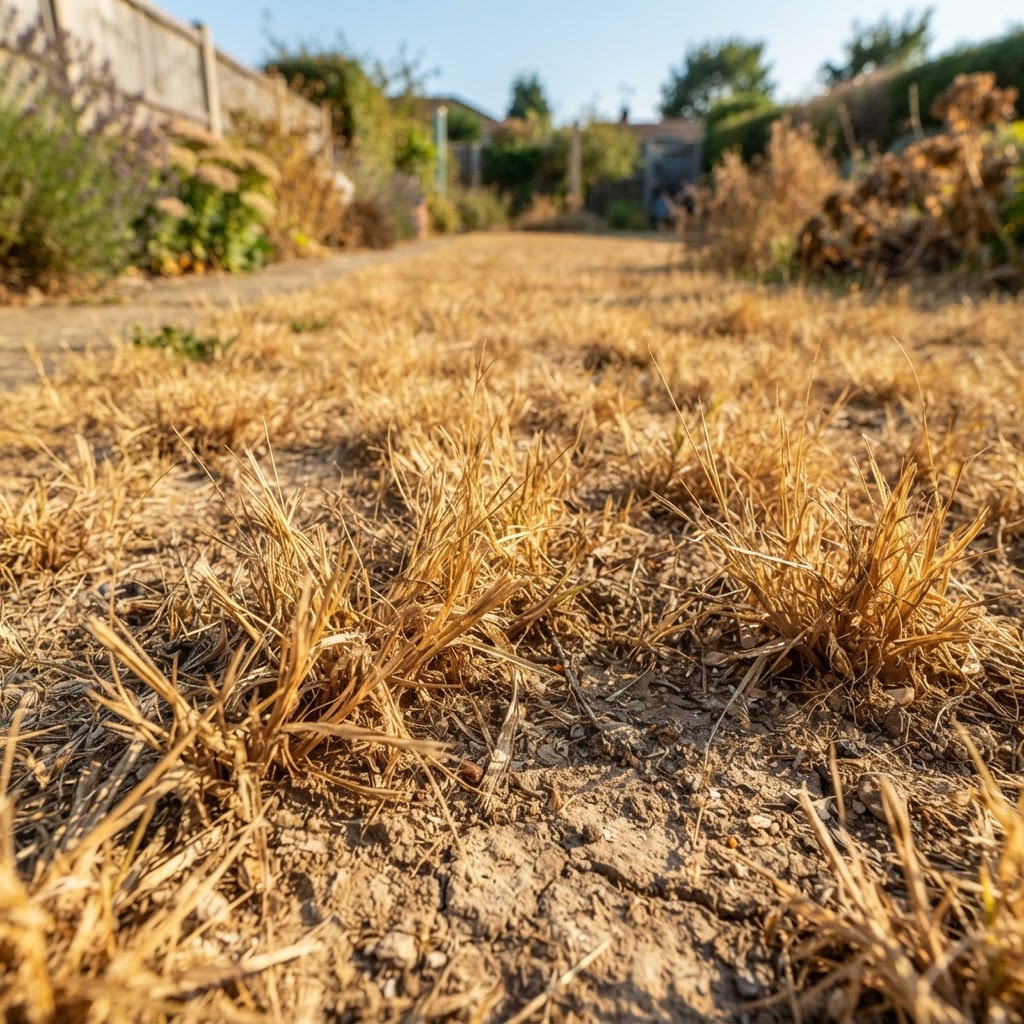
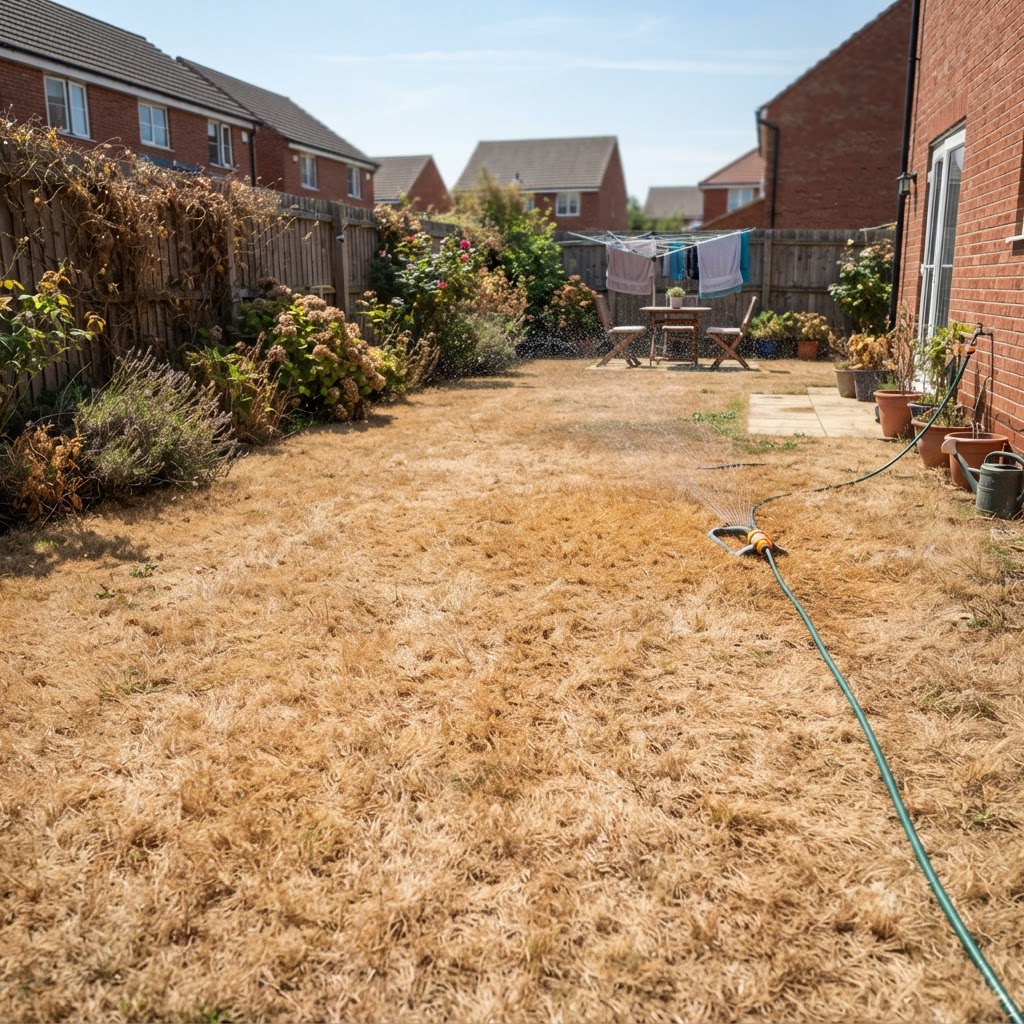
It can perform well in dry ground once established. That does not mean newly sown seed can be left without water. Every lawn needs consistent moisture during germination and early rooting. The advantage comes later, when fine fescue can remain present and tidy through periods that cause thirstier grasses to thin or turn coarse.
Low fertility is another useful characteristic. Fine fescue does not need repeated high-nitrogen feeding to look respectable. In fact, excessive nitrogen can encourage soft, lush growth, reduce its natural stress tolerance and allow more aggressive grasses or weeds to dominate. A measured feeding programme is better than chasing dark green colour at all costs.
The trade-off: wear tolerance
The fine leaf that makes fescue attractive also makes it less suited to punishment. If children use the lawn daily, pets run the same route to the gate, or a contractor needs to move equipment over it regularly, include dwarf perennial ryegrass in the seed mixture. Ryegrass establishes quickly, handles wear and provides useful early cover while fescues develop.
For a quiet front lawn or a lightly used rear garden, a fescue-dominant blend can be an excellent choice. For a family lawn, a balanced ryegrass and fescue mixture is usually the more dependable specification.
When to sow fine fescue lawn seed
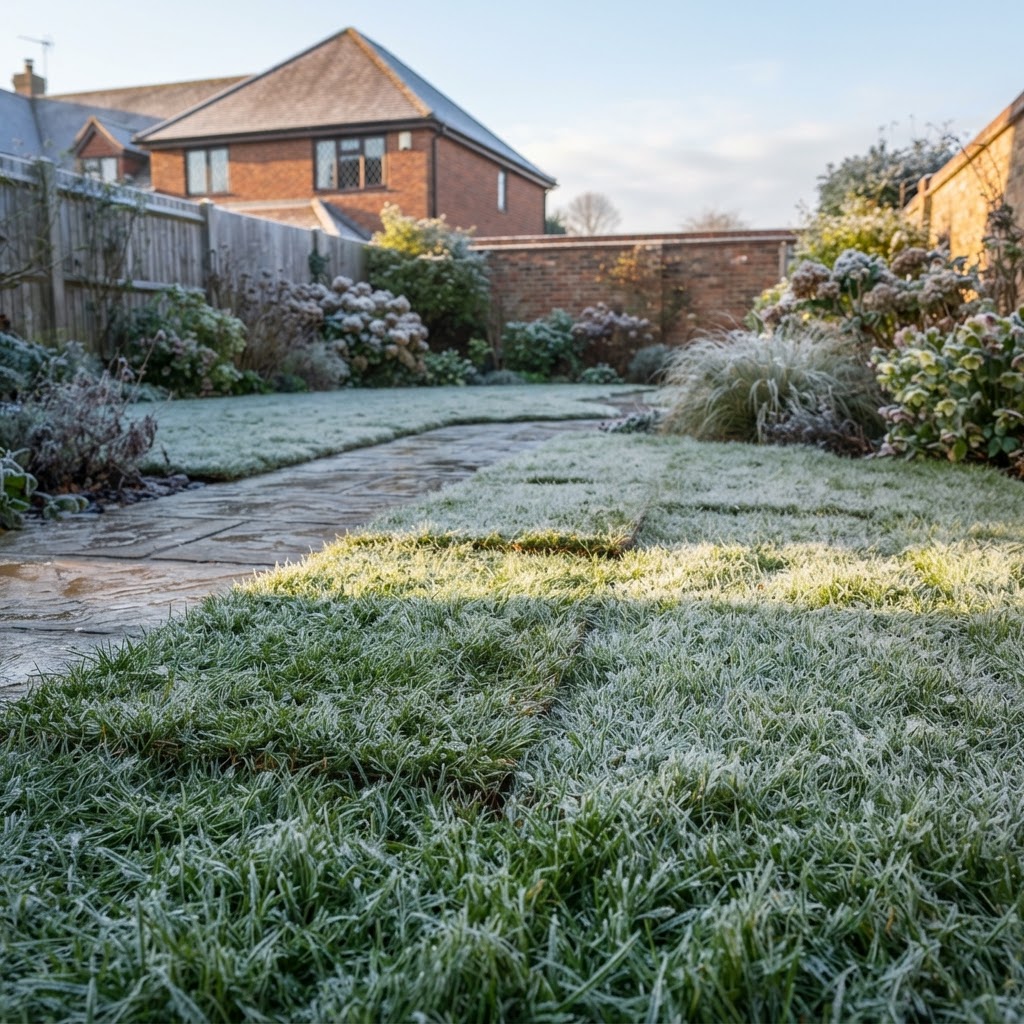
Early autumn is normally the strongest sowing window in the UK. The soil still holds summer warmth, rainfall is more reliable, and annual weeds are less competitive than in spring. Seedlings can establish roots before winter, then respond strongly when growth resumes the following spring.
Spring sowing also works well, usually from April to May once the soil is warming and prolonged frost is unlikely. However, spring-sown lawns need closer attention through dry spells. A warm week with drying wind can quickly check young seedlings before roots have reached deeper moisture.
Avoid sowing into cold, waterlogged ground or during a heatwave. Germination is not only about the calendar. Soil temperature, seed-to-soil contact and moisture management determine the result.
Ground preparation decides the result
A quality seed mixture cannot compensate for poor preparation. Whether establishing a new lawn or repairing a thin area, start by dealing with the reason the turf failed. In shade, that may mean raising the tree canopy where appropriate, removing leaf litter regularly and reducing competition from surface roots. On compacted ground, aeration and improved drainage may be needed before seed goes down.
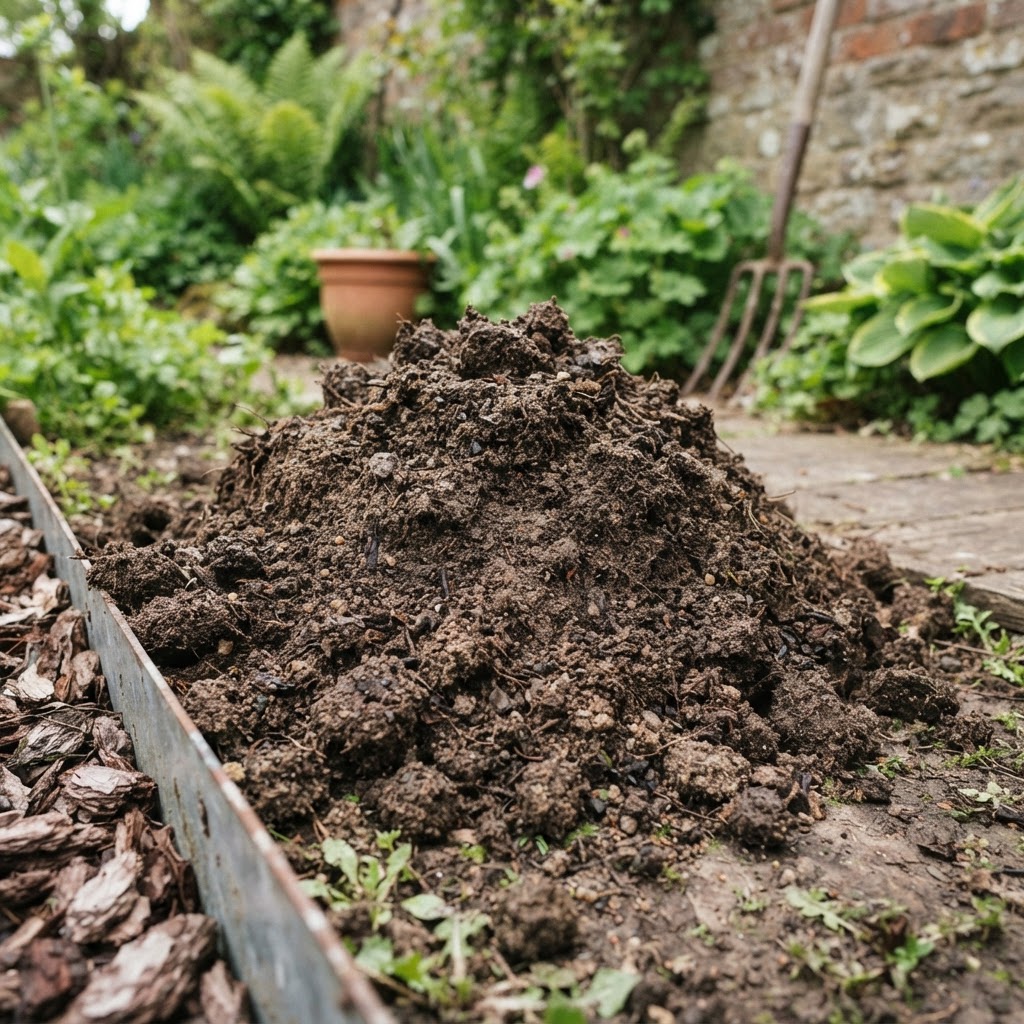
For a new lawn, remove weeds and debris, cultivate the top 100-150 mm of soil, then rake out stones and firm the surface. The finished seedbed should be level, firm underfoot and lightly textured at the surface. If your heel sinks deeply, it is too loose. If the surface is baked hard, seedlings will struggle to root evenly.
On poor or depleted soil, apply a pre-seeder fertiliser at the recommended rate before sowing. A balanced 6-9-6 NPK formulation supports root development through its phosphate content without forcing excessive top growth in tender seedlings. Work it lightly into the upper surface rather than burying it below the rooting zone.
Overseeding thin fescue lawns
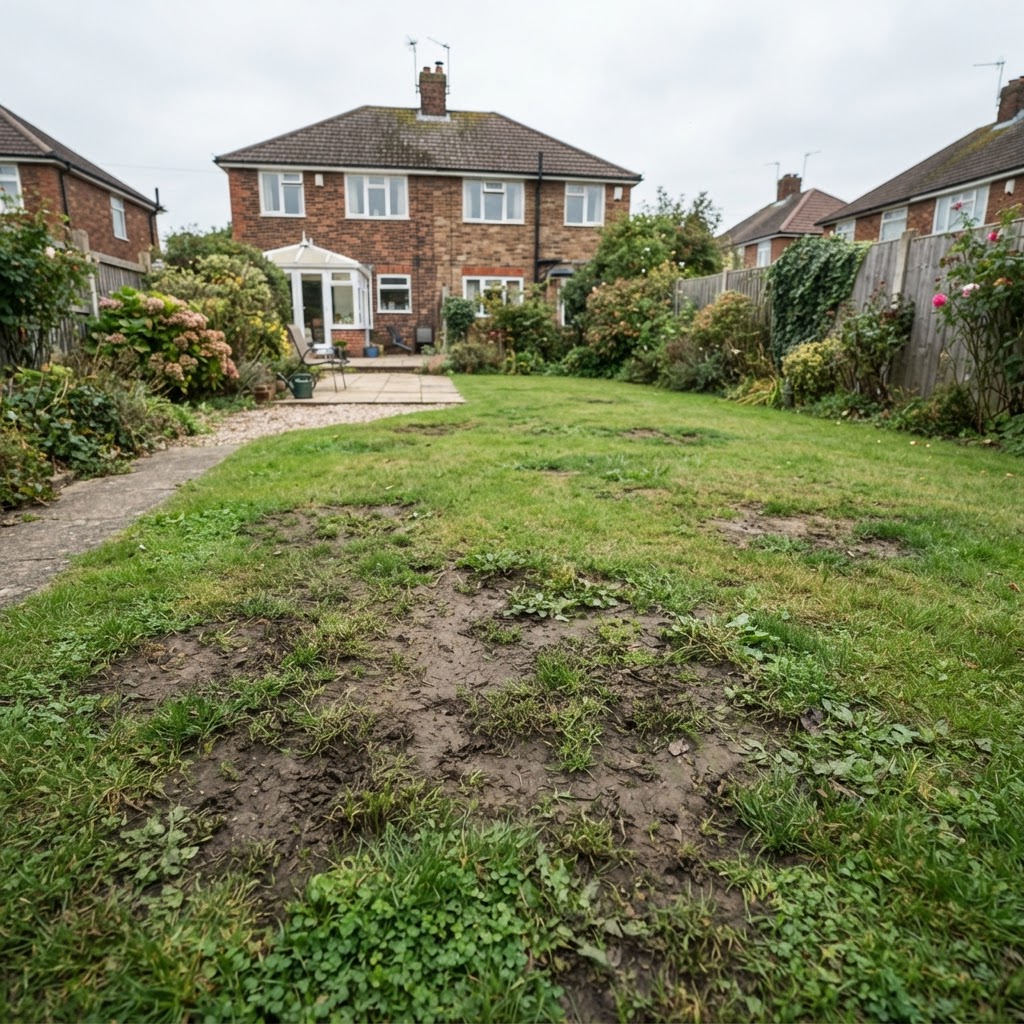
For an established lawn, mow first, then remove moss, dead grass and surface thatch by scarifying or vigorous raking. Aerate compacted areas, particularly around paths, gateways and seating areas. The aim is simple: seed must reach soil, not sit on a layer of organic debris.
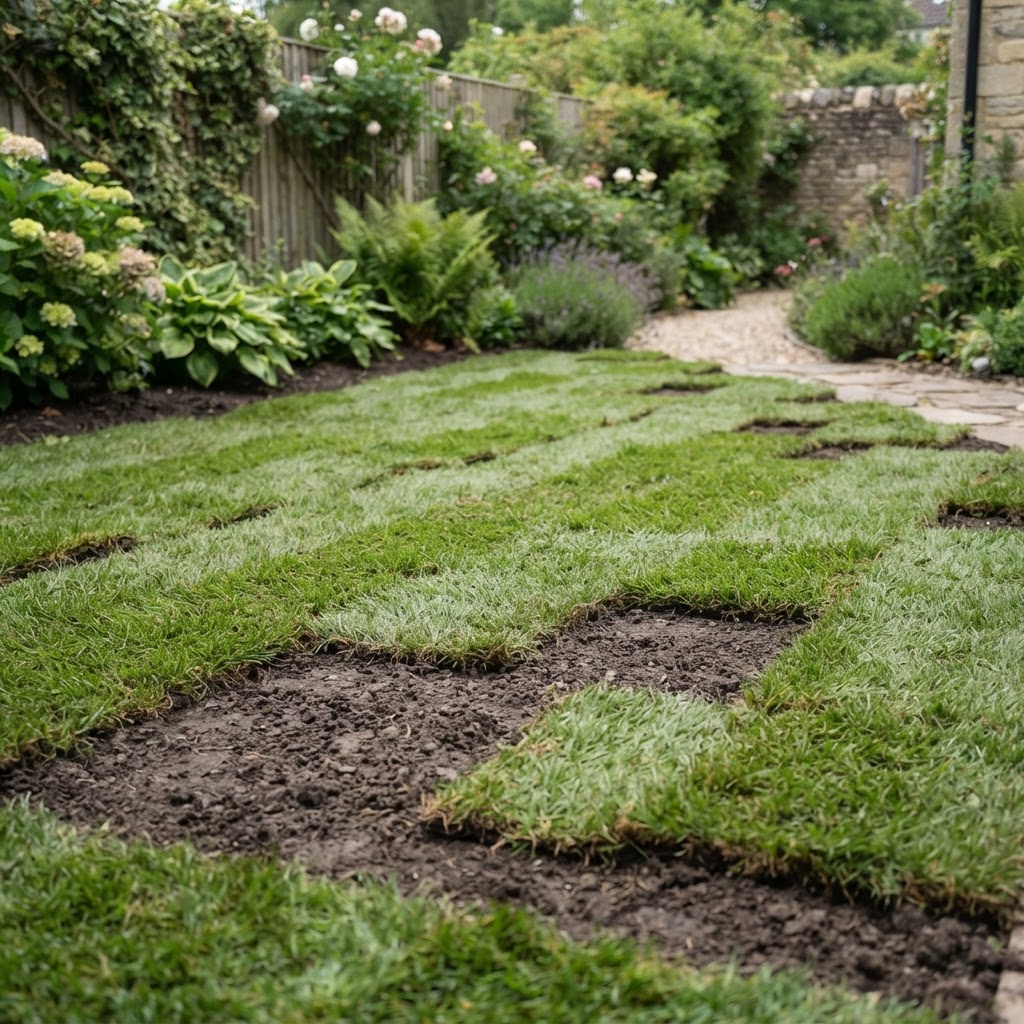
Apply seed evenly in two passes at right angles, using half the quantity in each direction. This avoids stripes and helps fill the lawn consistently. Lightly rake or brush the seed into the surface, then firm it with a roller or by treading carefully on boards. Good seed-to-soil contact is more valuable than burying seed deeply.
Watering and first-season care
Keep the upper soil surface moist during germination. In dry weather, this may require light watering once or twice daily, preferably in the morning and early evening. The objective is damp soil, not puddles. Heavy watering can wash seed into hollows, especially on sloping ground.
Fine fescues may take longer to make a visible impact than fast-germinating ryegrass. Do not mistake slower emergence for failure, particularly in cool autumn conditions. Continue watering until seedlings are well rooted, then gradually water less often but more deeply to encourage roots downwards.
Carry out the first cut when the new grass reaches around 50-75 mm. Use a sharp mower blade and take off no more than one third of the leaf length. Cutting too low at this stage can pull poorly rooted seedlings from the soil or weaken them before they have properly established.
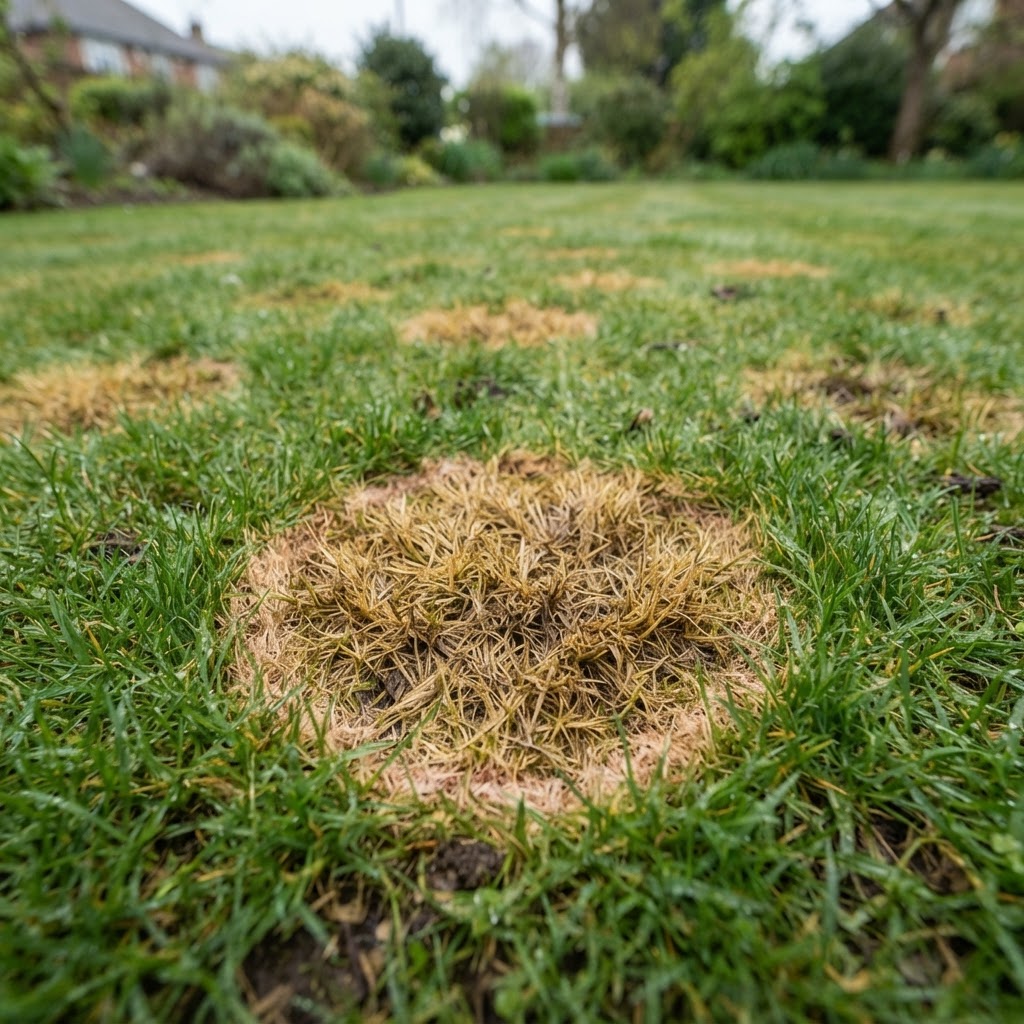
For an ornamental fescue lawn, a mowing height around 25-35 mm is often appropriate in the growing season. In heavier shade or dry weather, keep it slightly higher. Longer leaf blades capture more light and shade the soil, reducing moisture loss. Scalping a shaded lawn is one of the quickest ways to create bare patches and invite moss.
Managing shade, moss and leaf fall
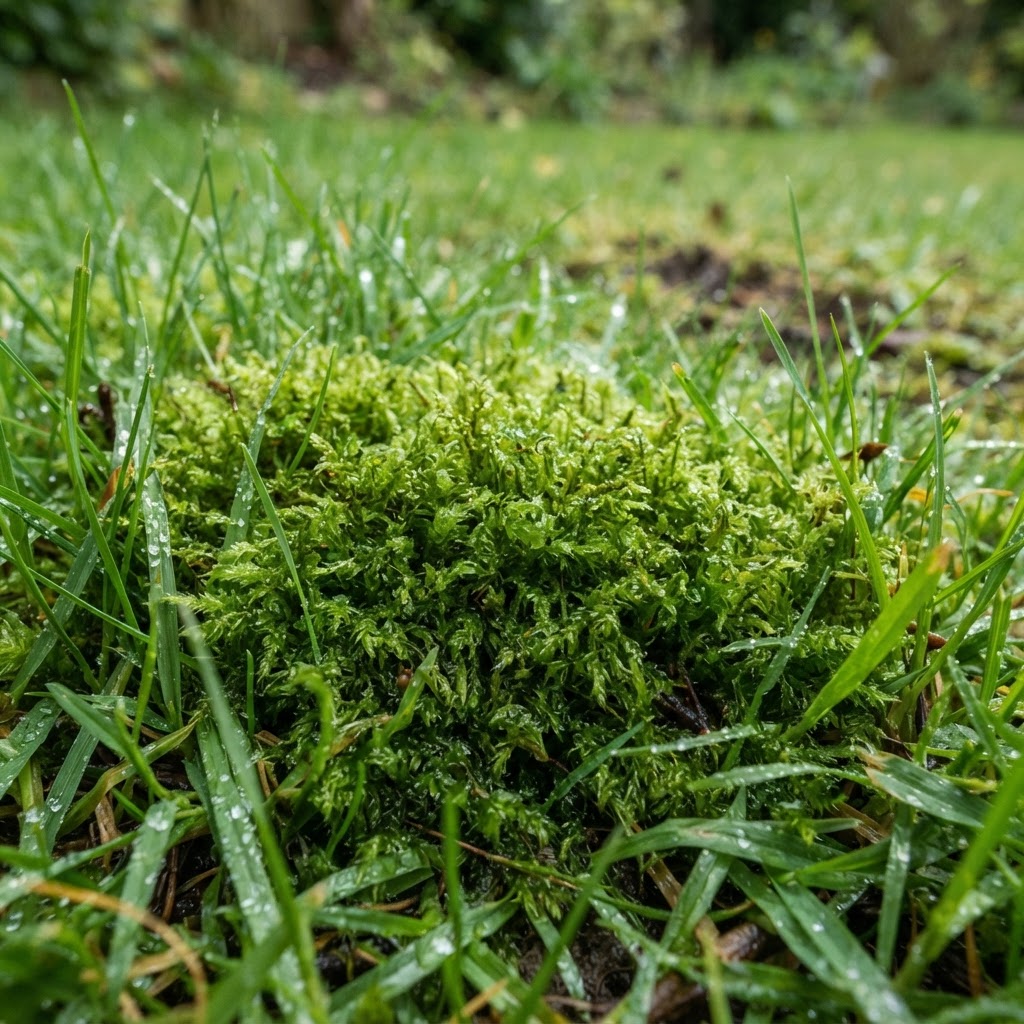
Shade is rarely the only problem. Moss thrives where light is limited, the surface remains damp and grass growth is weak. Treating moss without improving the growing conditions gives only a short-term result. Improve drainage where possible, aerate the soil, clear leaves promptly and avoid cutting too close.
High-iron moss treatments can be useful where moss is established, but rake out the blackened debris afterwards. This creates space for grass to recover and prevents a thick mat forming at the surface. If the lawn is thin once it has been cleared, overseed promptly with a suitable fine fescue blend.
Leaf fall needs regular attention in autumn. A thick layer of wet leaves blocks light and traps moisture against the turf. On a fescue lawn under trees, this routine is not cosmetic housekeeping. It is part of the lawn maintenance programme.
Feeding fine fescue without overdoing it
Fine fescue benefits from restrained nutrition. Apply a suitable seasonal fertiliser when the lawn is actively growing, but avoid frequent heavy nitrogen applications. Too much nitrogen creates a flush of growth that demands more mowing and can leave the turf softer, less drought-tolerant and more vulnerable to disease.
A spring or summer feed can support colour and recovery after winter. In autumn, use a lower-nitrogen, higher-potassium fertiliser to promote root strength and hardiness rather than soft leaf growth before frost. This is particularly valuable for lawns growing beneath trees, where the grass is already competing for resources.
Ransley Pro Grow specifications are built around this principle: match the product to the condition, rather than applying the same treatment across every lawn and every season.
Fine fescue rewards patient management. Give it a properly prepared seedbed, sensible mowing height, measured feeding and enough time to establish. In the right part of the garden, it will provide the quiet, close-textured lawn that heavier-duty grasses cannot replicate.