



A weed-choked gravel drive, an overgrown fence line or vegetation pushing through paving calls for a different tool from lawn weed control. If you are asking where to buy glyphosate weedkiller, start by confirming that a total herbicide is genuinely what the job requires. Glyphosate controls most actively growing green plants it contacts. That includes grass, desirable border plants and newly sown turf.
For clearing unwanted vegetation before landscaping, reseeding or laying turf, it remains a practical option when selected and applied exactly as the product label directs. For dandelions, daisies or clover within an established lawn, it is the wrong product. A selective lawn weedkiller is engineered to control broadleaf weeds while retaining the grass.
Where to buy glyphosate weedkiller safely
Buy glyphosate weedkiller from a reputable UK garden, amenity or professional turf supplier that provides full product information, current label directions and appropriate pack sizes. A proper supplier should make clear whether a product is approved for amateur use or is a professional pesticide intended for qualified users.
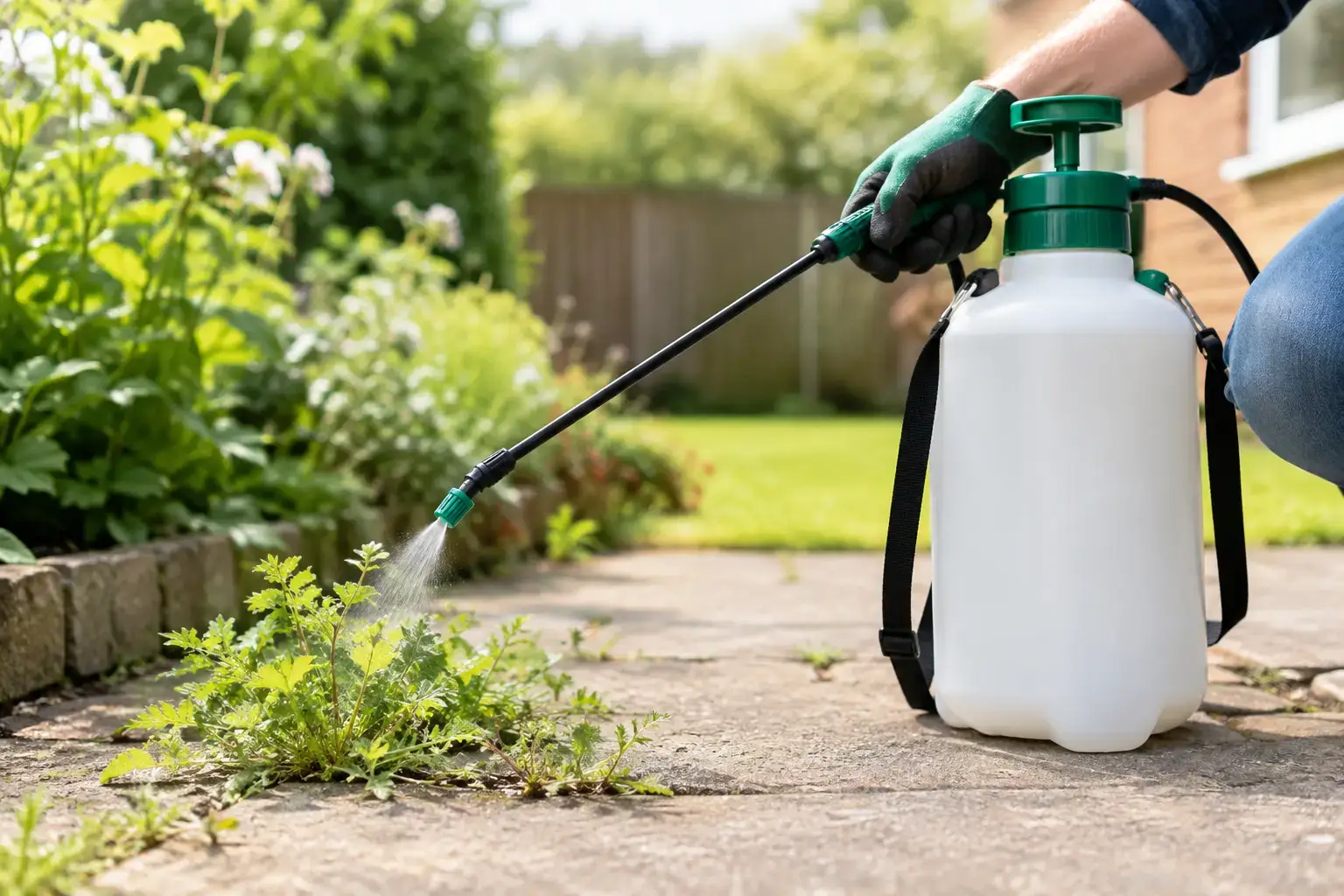
Do not make the decision solely on the lowest price per litre. The formulation, concentration, approved areas of use and application method determine whether the product is suitable. A ready-to-use trigger spray may be sensible for a handful of weeds in paving joints. A larger clearance area may call for a concentrated product, but only where you have the correct equipment, can measure accurately and are entitled to use that product.
Check that the product is authorised for sale and use in Great Britain, and always work from the label supplied with the container. Authorisations and conditions can change, so old advice, imported stock and unlabelled decanted liquids are not a sound basis for treatment.
Amateur products versus professional products
Amateur weedkillers are packaged and labelled for domestic users. They are generally supplied in manageable volumes with straightforward application directions. They can still cause serious damage if sprayed carelessly, particularly around lawns, hedges, ponds and ornamental planting.
Professional products may offer greater flexibility in pack size, dilution rate or application method, but they are not simply a stronger shortcut. Their use is controlled. Anyone using a professional plant protection product must meet the applicable competence and legal requirements, including holding the necessary certification where required. Contractors should also be able to show that they have assessed the site, selected the right product and followed the product label.
For homeowners, the sensible route is usually an authorised amateur product used for a clearly defined task. For landscapers clearing large sites, a professional-grade product from a specialist supplier can be appropriate, provided the operator, sprayer and records are up to standard.
Choose the right glyphosate formulation for the job
Glyphosate is a systemic herbicide. The plant absorbs it through green leaves and moves it into the root system. This is why it can give more dependable control of established perennial weeds than cutting or scorching alone. It also means that visible results are not always immediate.
The right formulation depends on the weed, the area and how much accuracy the job demands. Ready-to-use sprays are convenient for spot treatment. Concentrates can be more economical over larger areas, but dilution errors waste product and increase the risk of off-target damage. Gel or precision applicators can be useful where weeds are close to plants you intend to keep.
Do not assume a higher percentage on the front label automatically makes a product better. Different products carry different directions, approved uses and application rates. The label rate is the rate that has been assessed for that particular formulation. Applying more does not necessarily improve control, and it may breach the conditions of use.
Before buying, check four practical points:
- whether the product is for amateur or professional use;
- whether its label permits use in your treatment area;
- whether you need ready-to-use convenience or a measured concentrate; and
- whether you can prevent spray drift or contact with wanted plants.
That final point matters most. A total weedkiller has no ability to distinguish couch grass from a prized rose or a fresh strip of ryegrass edging the lawn.
Check the site before you spray
Glyphosate is often used on paths, drives, gravel, fence lines and areas being cleared for renovation. Yet the site conditions can make a straightforward treatment unsuitable. Watercourses, surface drains, ponds, gullies, children’s play areas, pet access and neighbouring planting all need consideration before a trigger is pulled.
Hard surfaces deserve particular care. Rain can carry product from impermeable paving into drains and watercourses. Only use a product where its label permits that location, avoid treatment when rain is expected, and never spray drains, gutters or surfaces where run-off is likely. Local rules or site-specific restrictions may also apply, especially on commercial, public or managed land.
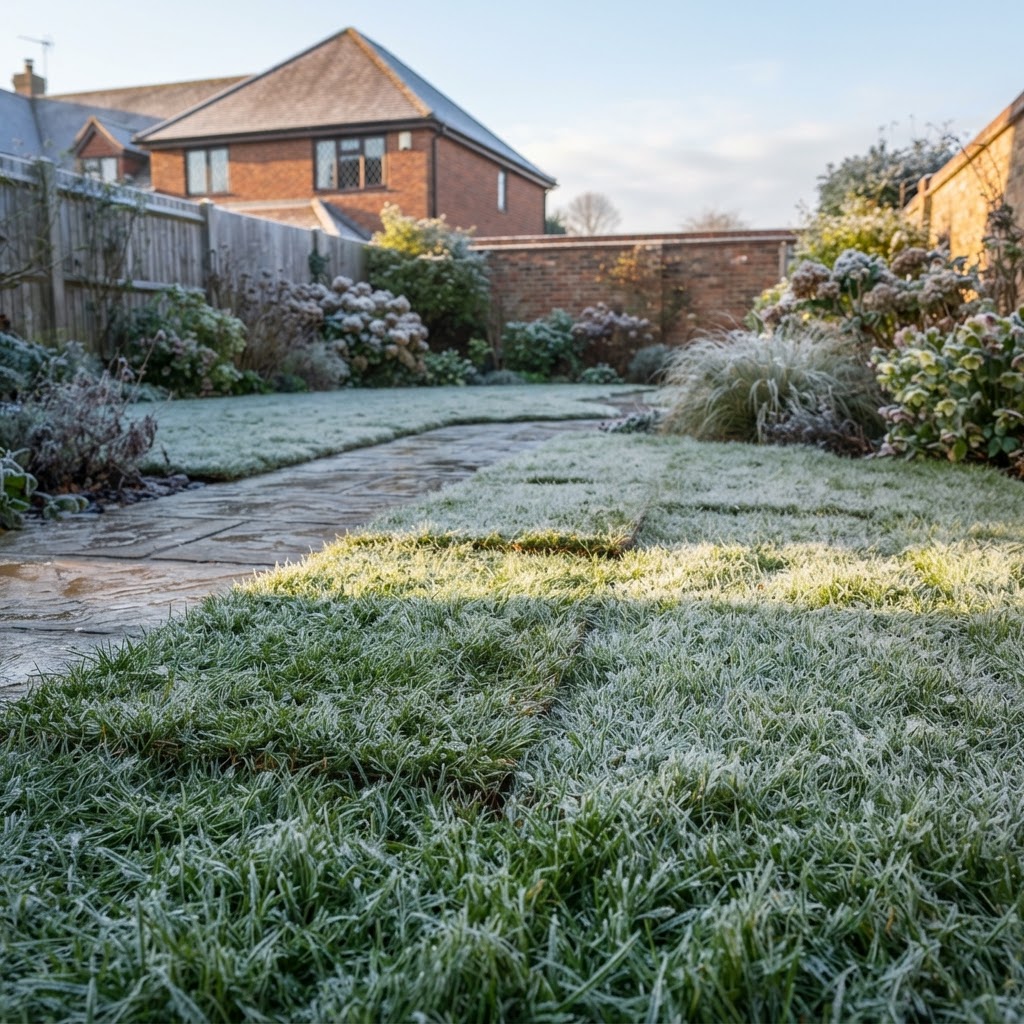
Avoid spraying in wind. Fine droplets can drift much farther than expected, particularly when using a pressurised sprayer. Still, dry conditions are preferable, but the target weed must be actively growing for a systemic herbicide to work properly. Drought-stressed, frosted, recently cut or heavily dust-coated weeds may respond poorly.
A common mistake is treating an area one weekend and reseeding it the next. Glyphosate does not provide residual weed control in the soil, but the foliage needs time to move the active ingredient down into the roots. Follow the product label for the recommended interval before cultivation, mowing or replanting. Rushing the job often leaves surviving roots to reappear through a new lawn.
Glyphosate and lawn renovation
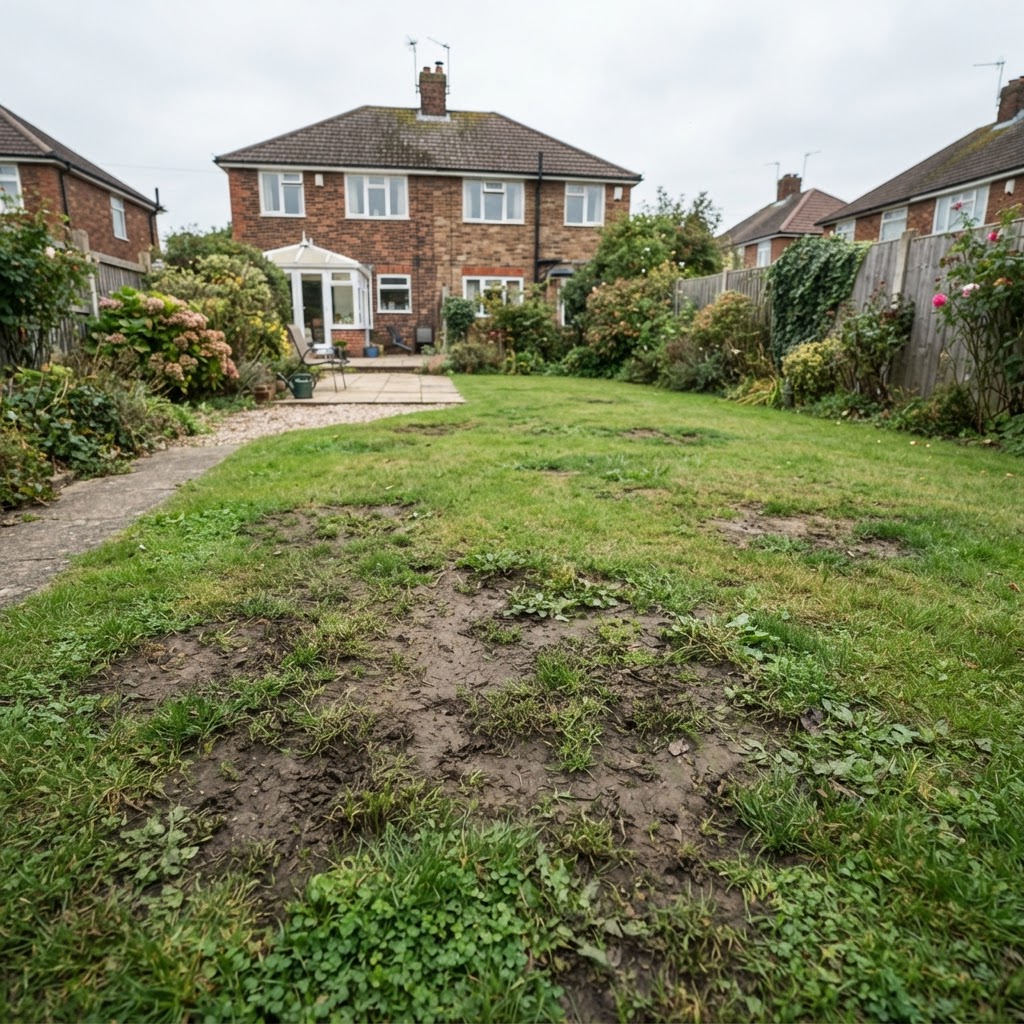
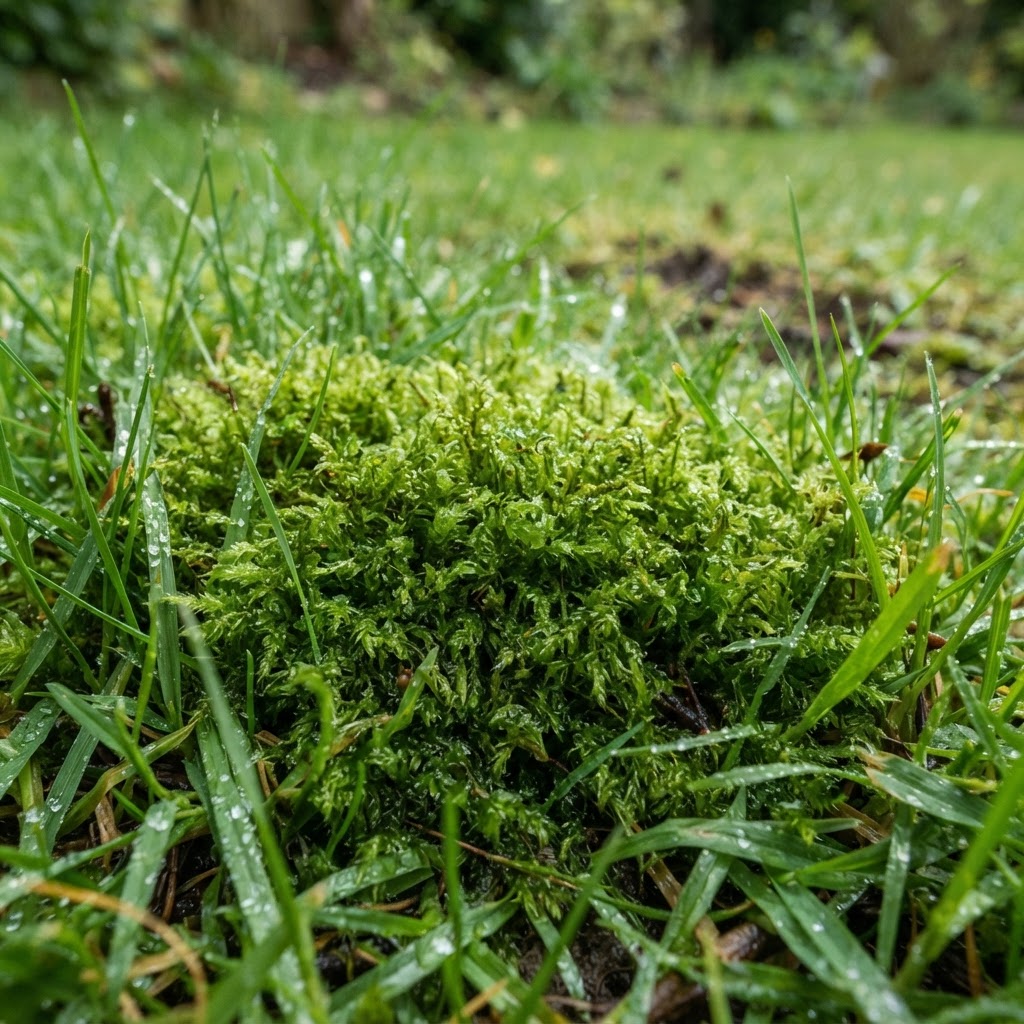
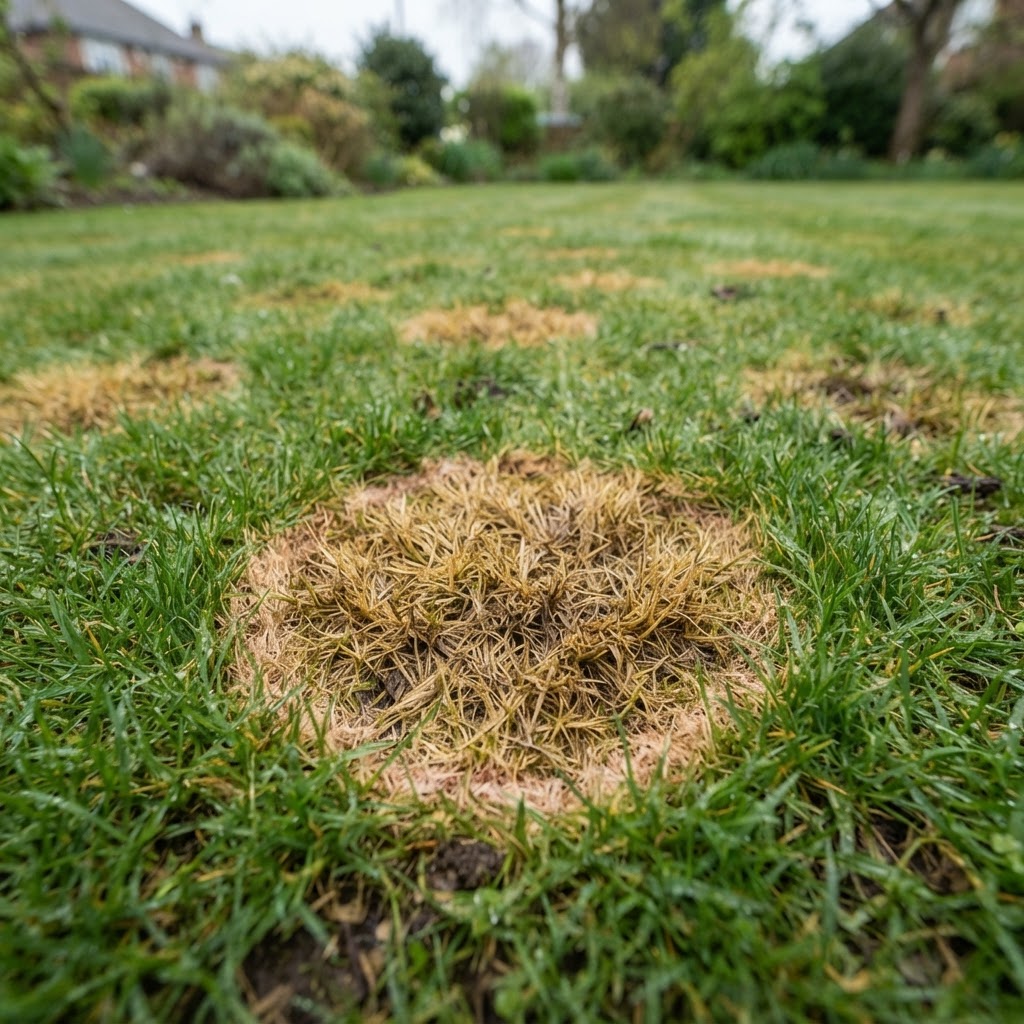
For a tired lawn covered with weeds, moss and thin grass, total clearance is not always necessary. In many cases, selective weed control, moss treatment, scarification, overseeding and the correct seasonal fertiliser will restore coverage without destroying the existing sward.
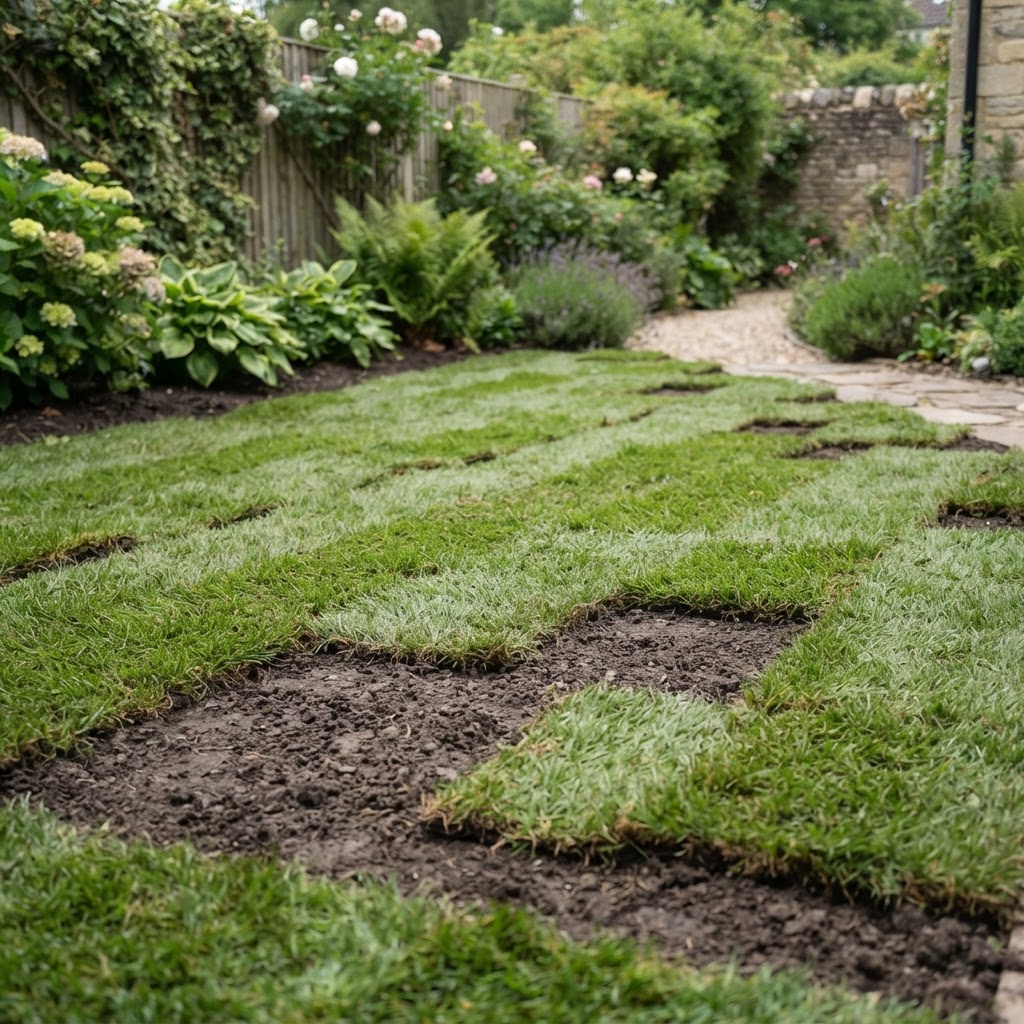
Glyphosate becomes relevant when the lawn has deteriorated beyond practical repair, when invasive grasses have taken over, or when a complete redesign requires bare ground. Treat the existing vegetation evenly, wait for full translocation as directed on the label, then remove dead material and prepare the seedbed. This approach prevents old grass and perennial weeds competing with newly germinated seedlings.
If the objective is rapid recovery rather than complete renovation, preserve the viable turf. A high-quality overseeding mixture and a suitable pre-seeder fertiliser are usually more efficient than starting from scratch. Total herbicide is a clearance tool, not routine lawn maintenance.
Storage, handling and disposal
Buy only the amount you are likely to use within the product’s stated storage life. Keep weedkiller in its original container with the label intact, upright and securely closed. Store it locked away from children, pets, food, feed, seed, fertiliser and frost. Never transfer it into a drinks bottle or an unmarked container.
Wear the personal protective equipment specified on the label. For many domestic treatments this may include gloves and covered footwear, but the label takes priority over general advice. Wash hands after use, keep people and animals away until the treated area is dry if instructed, and clean application equipment where washings cannot enter drains or water.
Do not pour leftover spray, concentrate or container rinsings into sinks, gullies or ditches. Use up mixed product only where the label permits and within the correct dose limits. Empty containers should be disposed of according to the label and local household waste guidance. Professional users should maintain the records required for their work.
A better buying decision starts with the weed
The best place to buy glyphosate weedkiller is an authorised supplier that helps you match the product to the site rather than sell a bottle on strength alone. Identify the weed, protect the plants you want to retain, check the label for the intended surface and wait for suitable weather. That measured approach is what turns a clearance treatment into clean ground ready for the next job.