

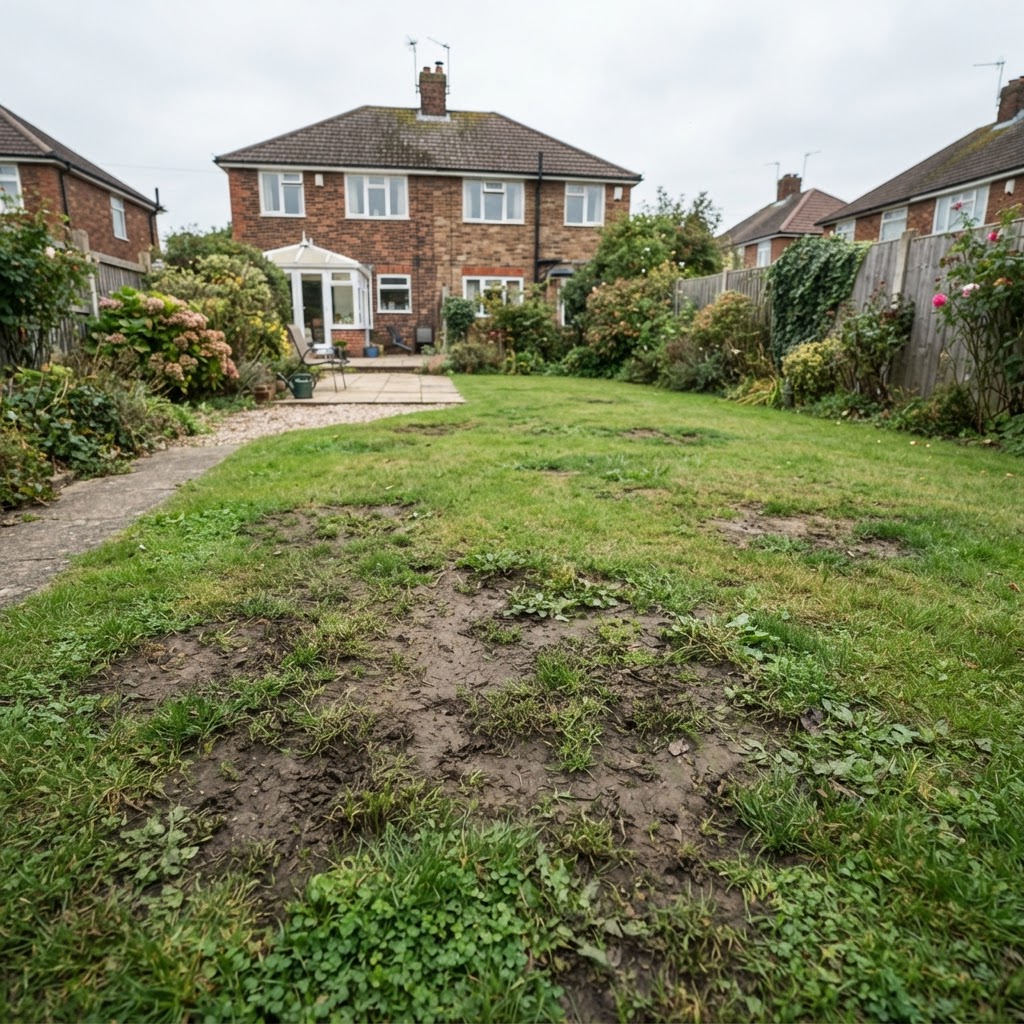


A search for weed killer near me usually starts with one frustrating sight: dandelions pushing through a carefully kept lawn, weeds lifting block paving, or clover spreading through thin turf. The right treatment is not simply the strongest one on the shelf. It depends on where the weed is growing, what species it is, and what you need to protect nearby.
A lawn herbicide used correctly can remove broadleaf weeds while preserving established grass. Use that same product on a driveway and it may be ineffective. Apply a total weedkiller across turf and it can take out the lawn along with the weeds. Start with the site, not the bottle.
How to choose weed killer near me
Before buying or applying any treatment, identify whether the weeds are in a lawn, a border, gravel, block paving or another hard surface. This one decision determines whether you need a selective herbicide or a total herbicide.
For lawns, look for a selective weedkiller formulated to control broadleaf weeds without harming established grasses. These treatments are commonly used against dandelions, daisies, clover, plantain, buttercups and speedwell. They work because broadleaf weeds and grasses respond differently to the active ingredients.
For paths, patios, driveways and other areas where no vegetation is wanted, a total herbicide is normally the appropriate choice. These treatments are designed to kill green growth they contact or move through the plant, so they must be kept well away from lawns, ornamental plants, hedges and vegetables.
The weed itself also matters. Young, actively growing weeds are generally easier to control than mature plants with established root systems. Perennial weeds such as bindweed, ground elder and brambles may require a systemic treatment and, in some cases, a repeat application at the interval stated on the label. One quick spray is rarely a permanent answer to a deep-rooted perennial.
Lawn weeds need a selective approach
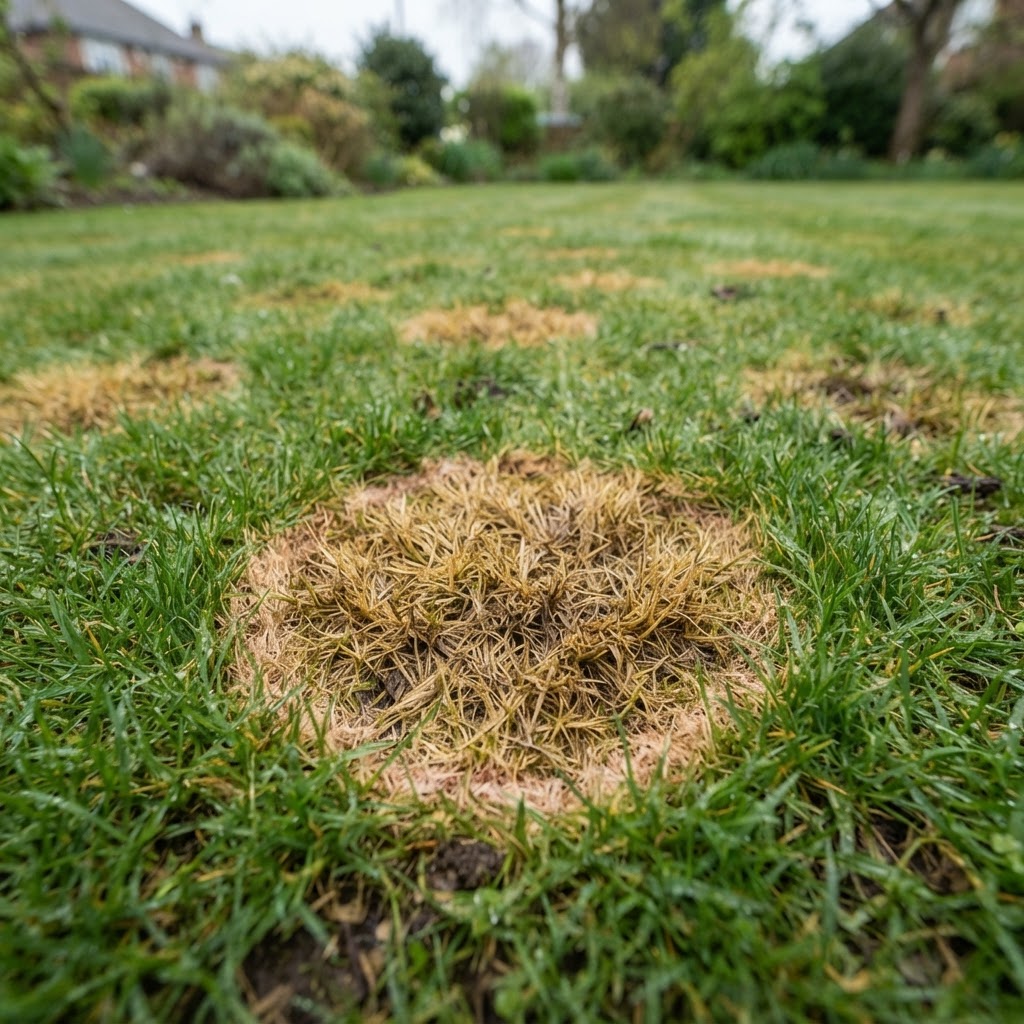
A healthy lawn is the first line of defence against weeds. Thin grass leaves exposed soil, light and moisture for opportunists to exploit. Selective lawn weedkillers deal with the visible weeds, but they do not correct the reason those weeds arrived.
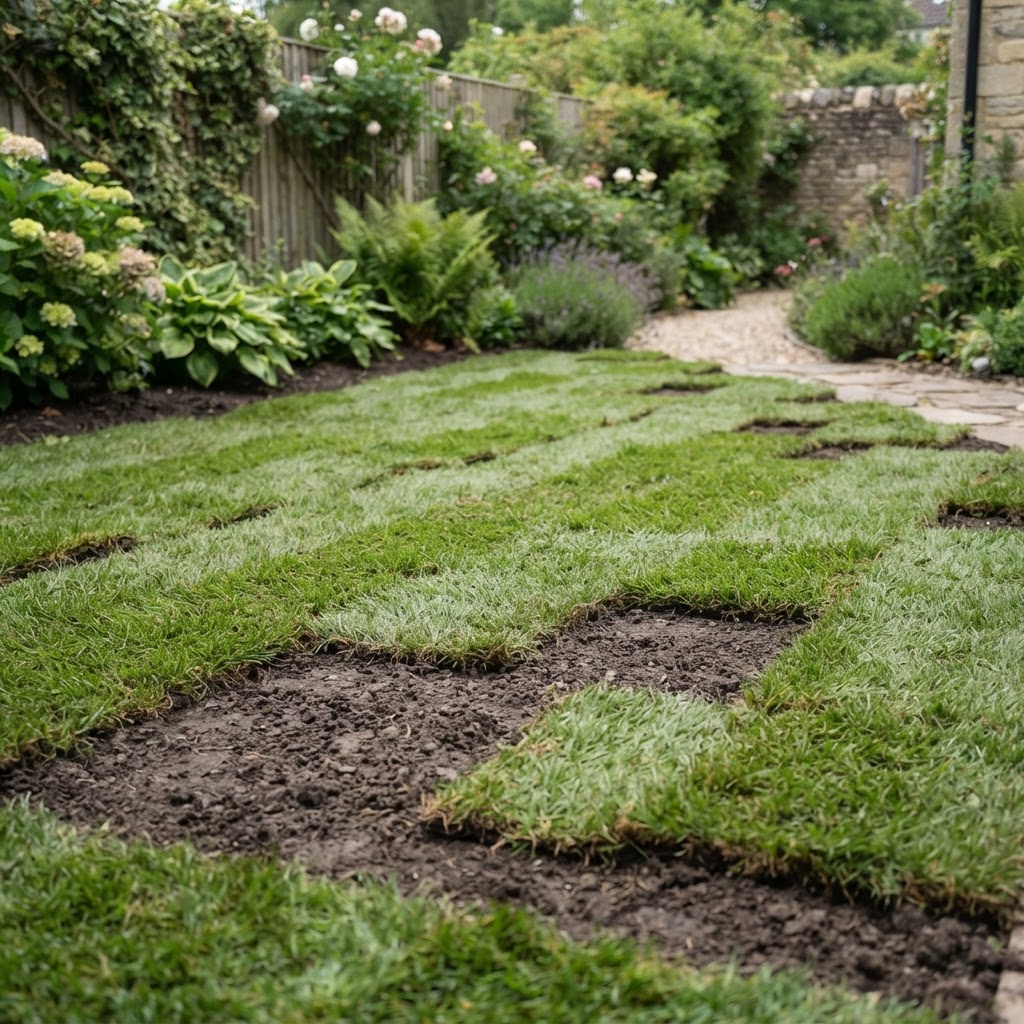
After treatment, consider whether the turf needs overseeding, feeding or improved mowing practice. Compacted soil, close mowing, shade and poor drainage all weaken grass cover. Where patches need repair, use a suitable grass seed blend for the conditions. Tetraploid ryegrass, for example, offers rapid establishment in around 7-14 days under suitable conditions, while fine fescues are useful where a finer finish or better shade tolerance is required.
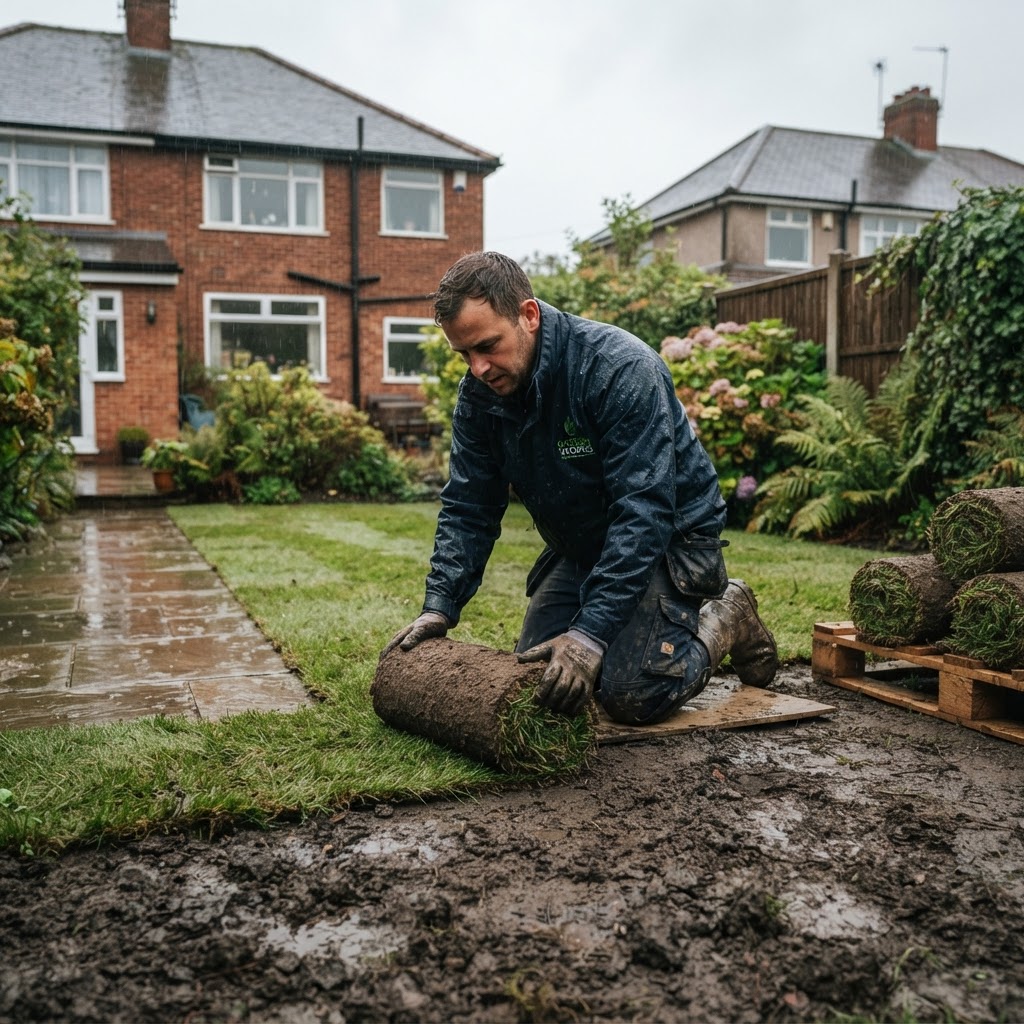
Do not apply lawn weedkiller to newly sown or newly turfed grass unless the product label specifically permits it. Young seedlings are far less tolerant than mature turf. As a practical rule, allow new grass to establish and be mown several times before considering a selective herbicide.
Hard surfaces require precision
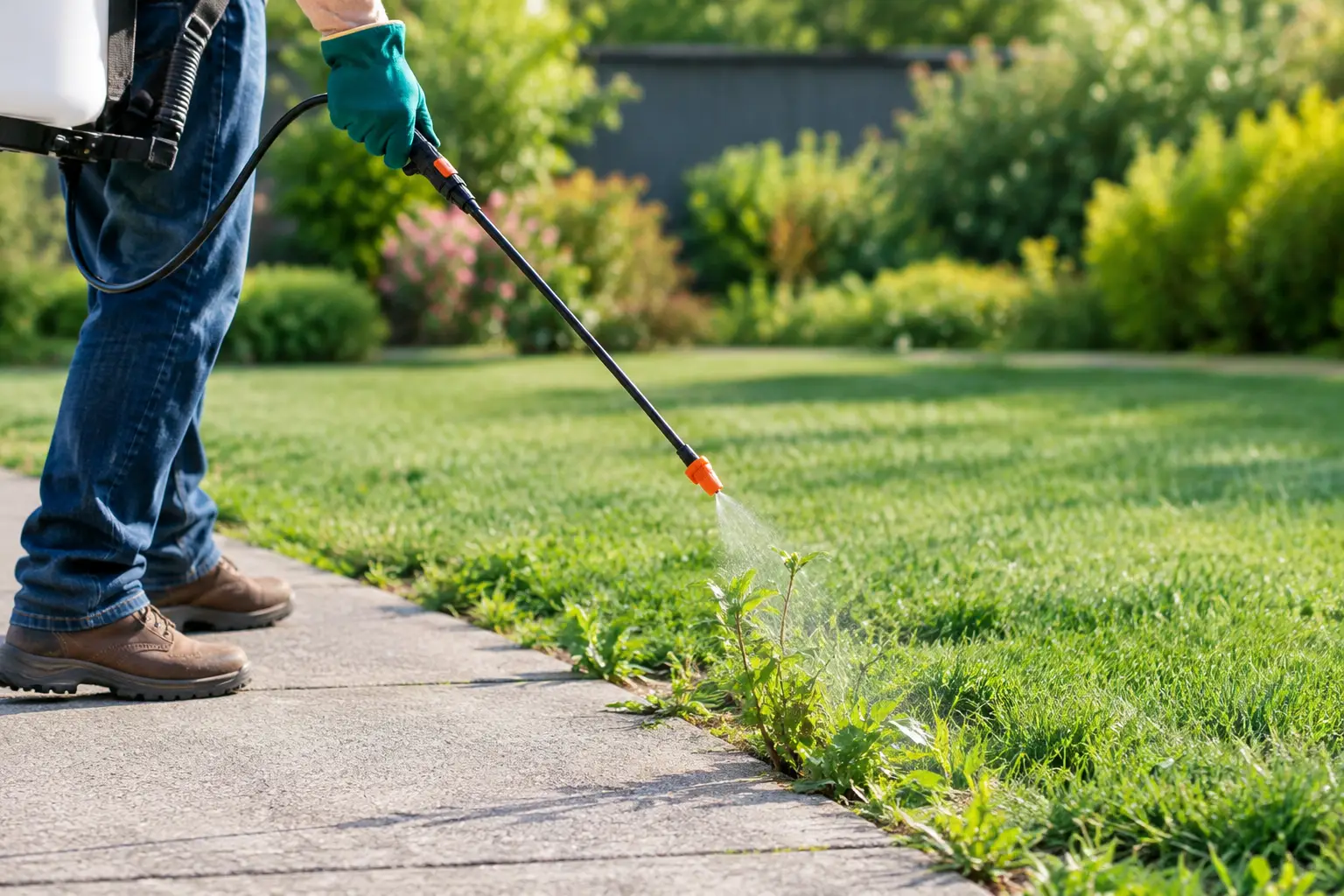
Weeds in paving joints can make a well-kept entrance look neglected, but spraying them carelessly creates more work than it saves. A total herbicide should be applied only to the foliage of the target weed, ideally with a controlled sprayer and a coarse droplet pattern that reduces drift.
Avoid spraying near drains, ponds, watercourses and planted borders. Do not treat weeds when heavy rain is imminent, and never use more product than the label rate. Stronger is not better. Correct dilution, full leaf coverage and suitable weather provide better results than over-application.
Selective or total weedkiller?
The distinction is straightforward, but it is the most important one to get right.
A selective weedkiller is engineered for use on established lawns. It targets broadleaf weeds while leaving grass species largely unaffected when applied at the recommended rate. It is the correct category for a lawn with clover, daisies and dandelions.
A total weedkiller is non-selective. It is intended for clearing unwanted vegetation where you do not want grass or other plants to remain, such as along fence lines, on gravel paths or between paving. Glyphosate-based products are commonly used for this type of work, but they should never be treated as a general lawn weedkiller.
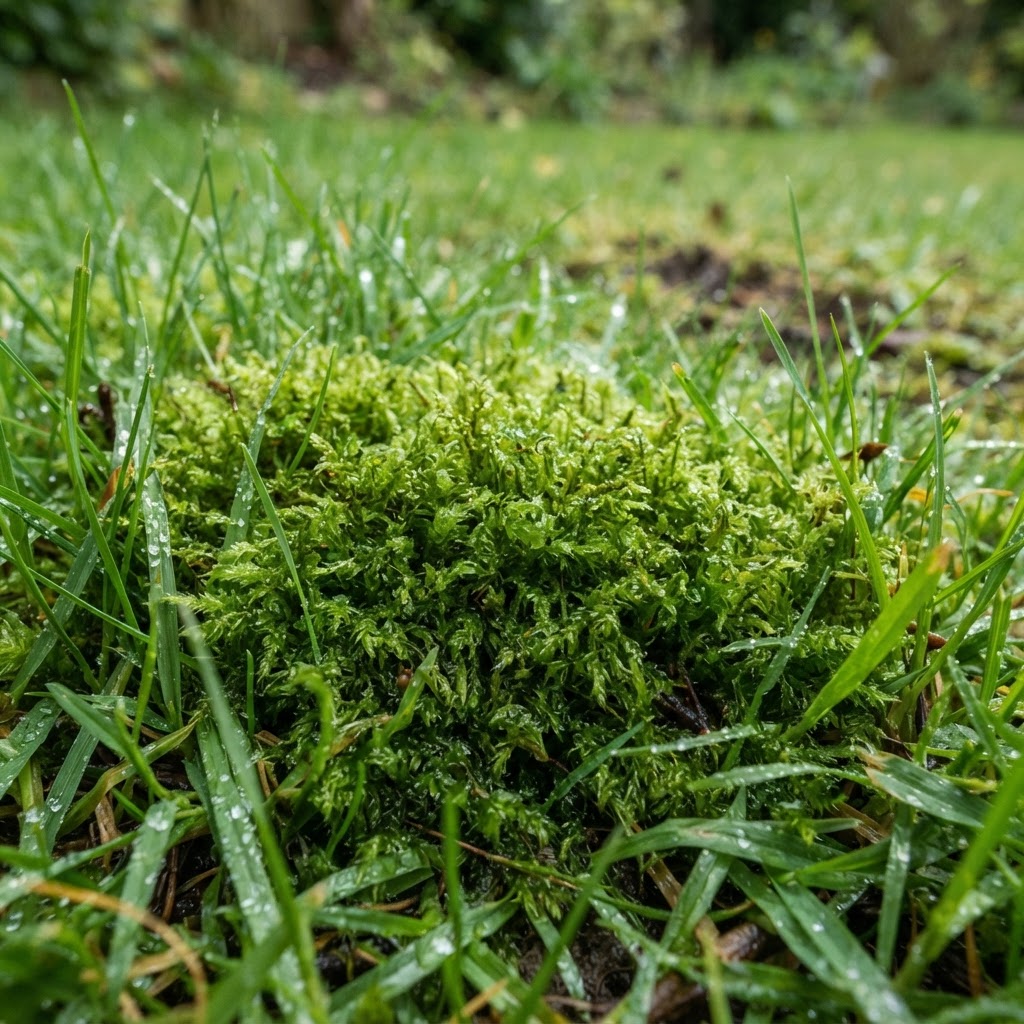
There is also a place for multi-action lawn treatments that combine fertiliser, moss control and selective weed control. They can be useful where a lawn has several linked problems, particularly moss, weak colour and broadleaf weeds. The trade-off is reduced flexibility. A lawn may need weed control but not additional feed, or it may need moss treatment at a different time from fertiliser. Diagnose the lawn first, then choose the treatment that matches the job.
Apply at the right time for reliable control
Most lawn weedkillers perform best when weeds are actively growing, typically in spring or early autumn. The grass should be dry, the soil should have some moisture, and temperatures should be mild rather than cold or scorching.
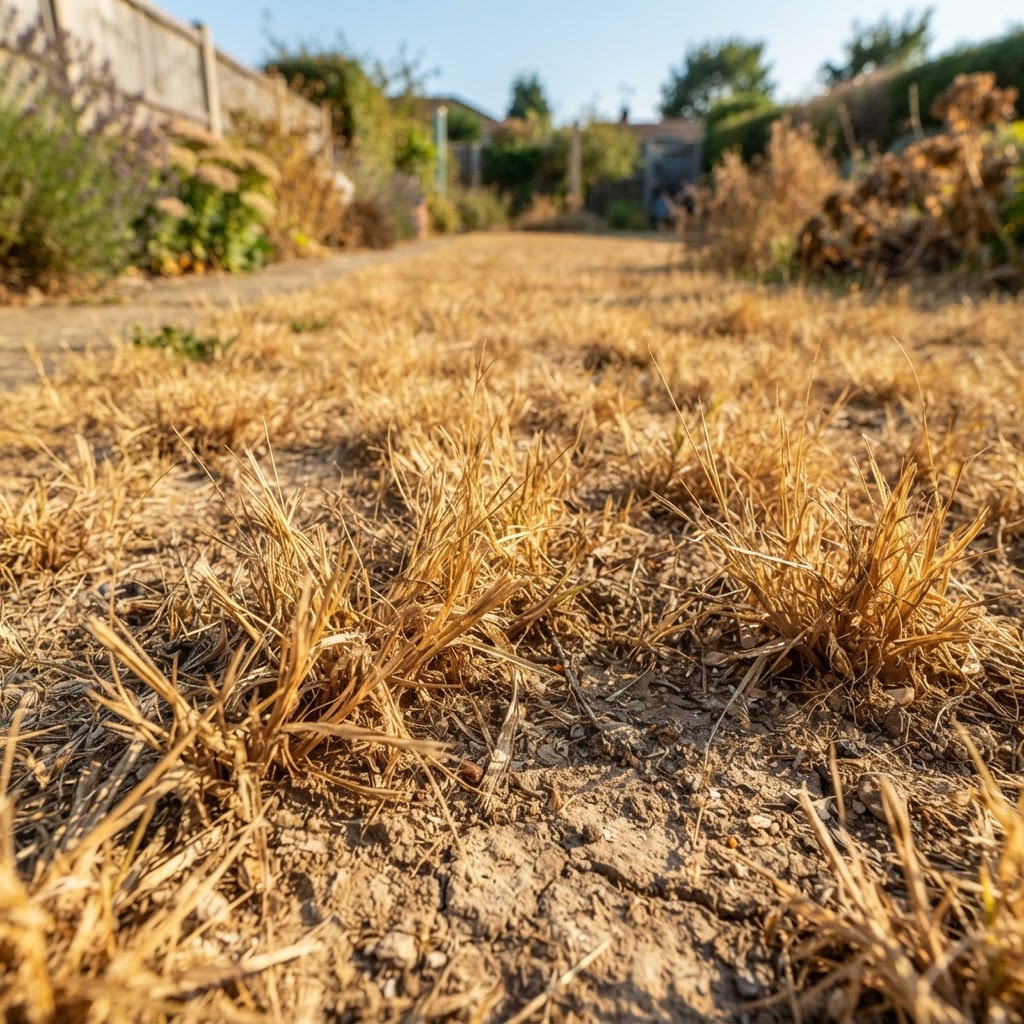
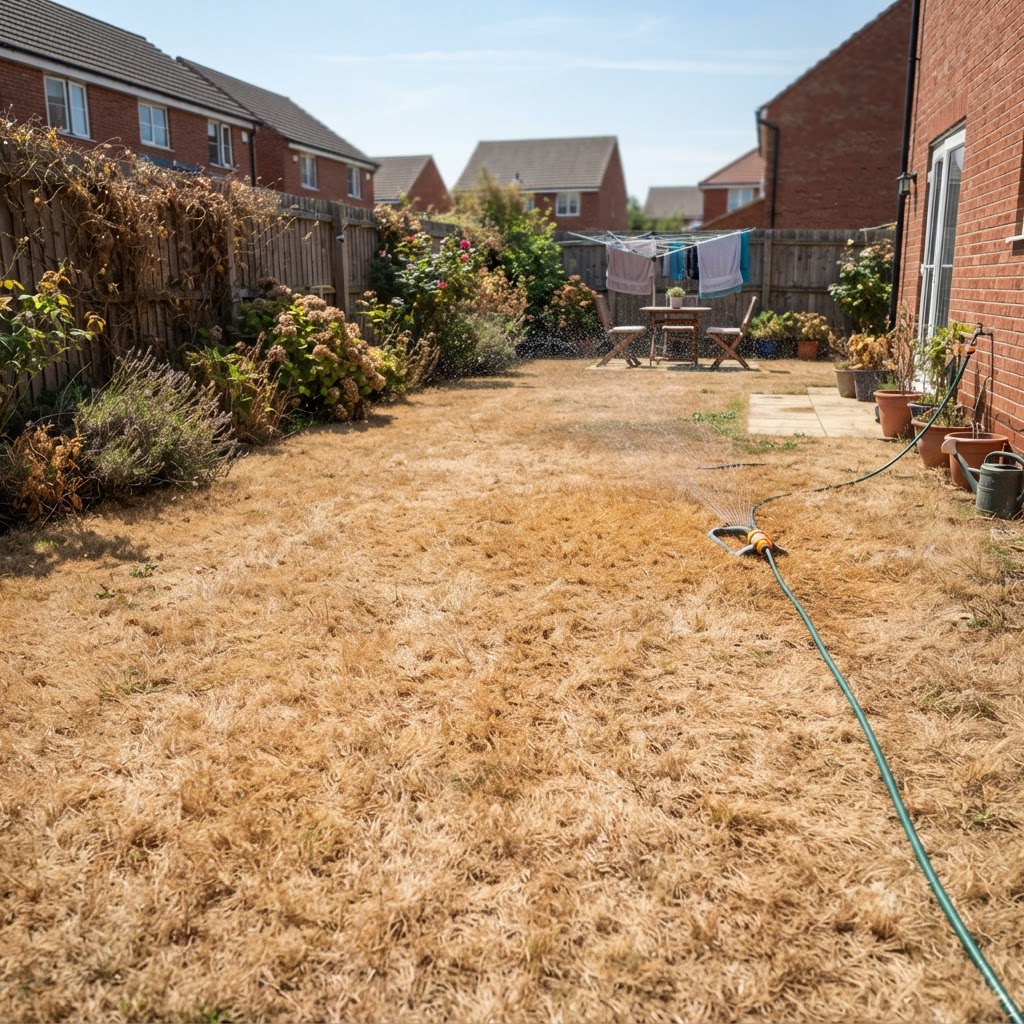
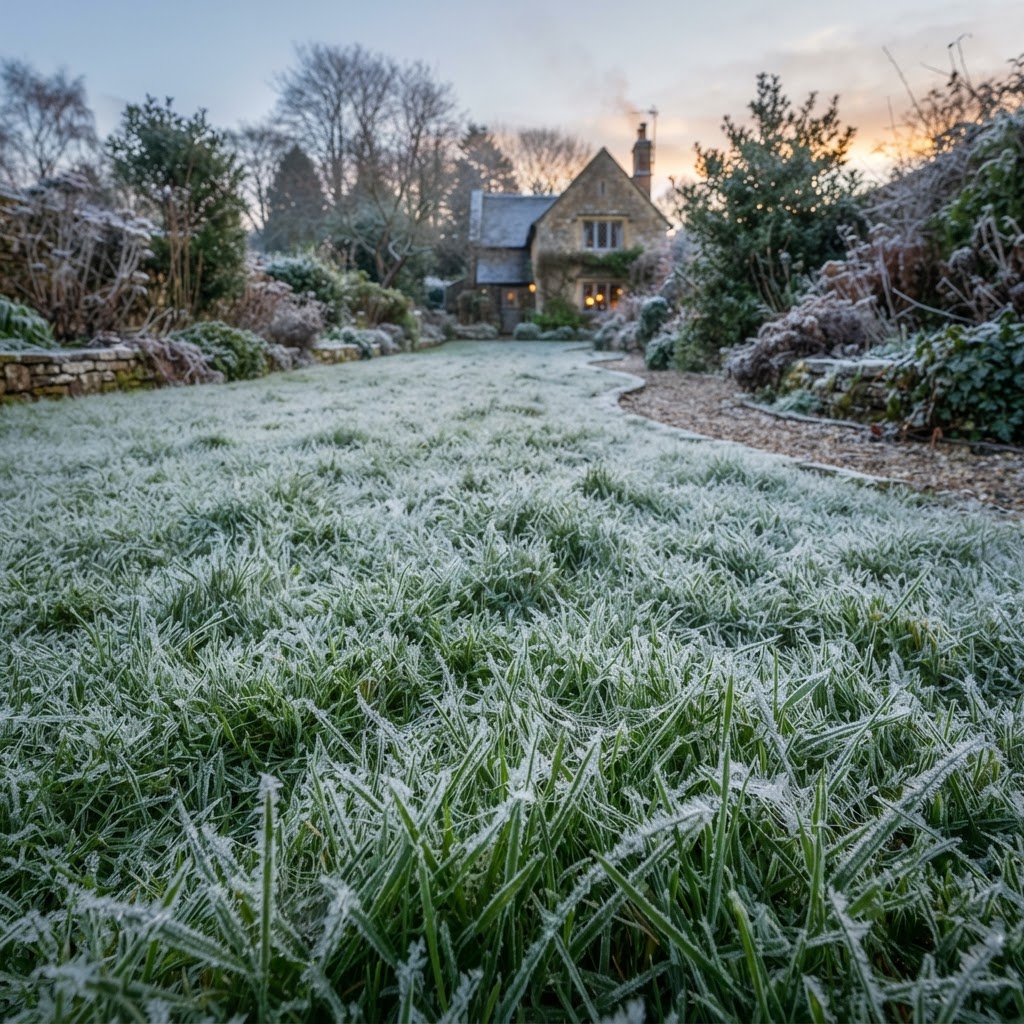
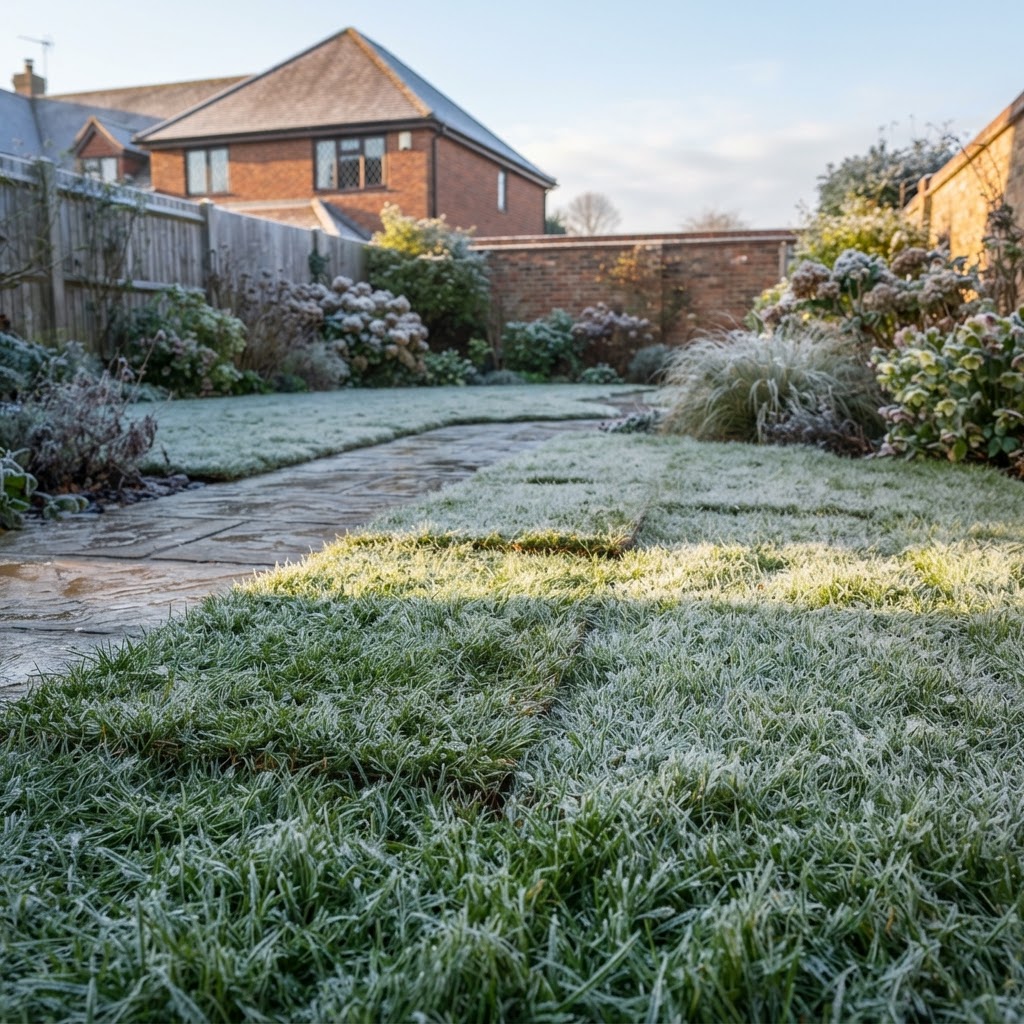
Avoid treating drought-stressed turf. When grass and weeds are struggling for water, uptake can be poor and the lawn is more likely to show stress. Equally, avoid frosty periods, very hot weather and windy days. Wind carries fine droplets beyond the target area and can damage nearby plants.
Do not mow immediately before application. Leave sufficient leaf area for the weed to absorb the treatment. After spraying, wait for the period stated on the label before mowing again. This allows the active ingredient time to move through the plant rather than being removed with the clippings.
Rainfast periods vary between products. Some treatments need only a few dry hours, while others require longer. Check the forecast, then check the label. This is particularly important in the British climate, where a passing shower can turn a well-timed treatment into wasted product.
Measure, mix and spray with care
Professional results come from accurate application, not guesswork. First, measure the area you intend to treat. A small lawn can be assessed in square metres by multiplying length by width. Irregular shapes can be split into simple sections and added together.
Use the label application rate to calculate how much product and water are required for that area. Calibrate the sprayer with clean water if you are unsure how quickly it applies liquid. This prevents the common mistake of using a concentrated mix on one section and a weak mix on another.
Wear suitable gloves and protective clothing as directed on the label. Keep children and pets away during application and until the treated area is dry or for the stated re-entry period. Store weedkillers securely in their original containers, away from food, animal feed and frost.
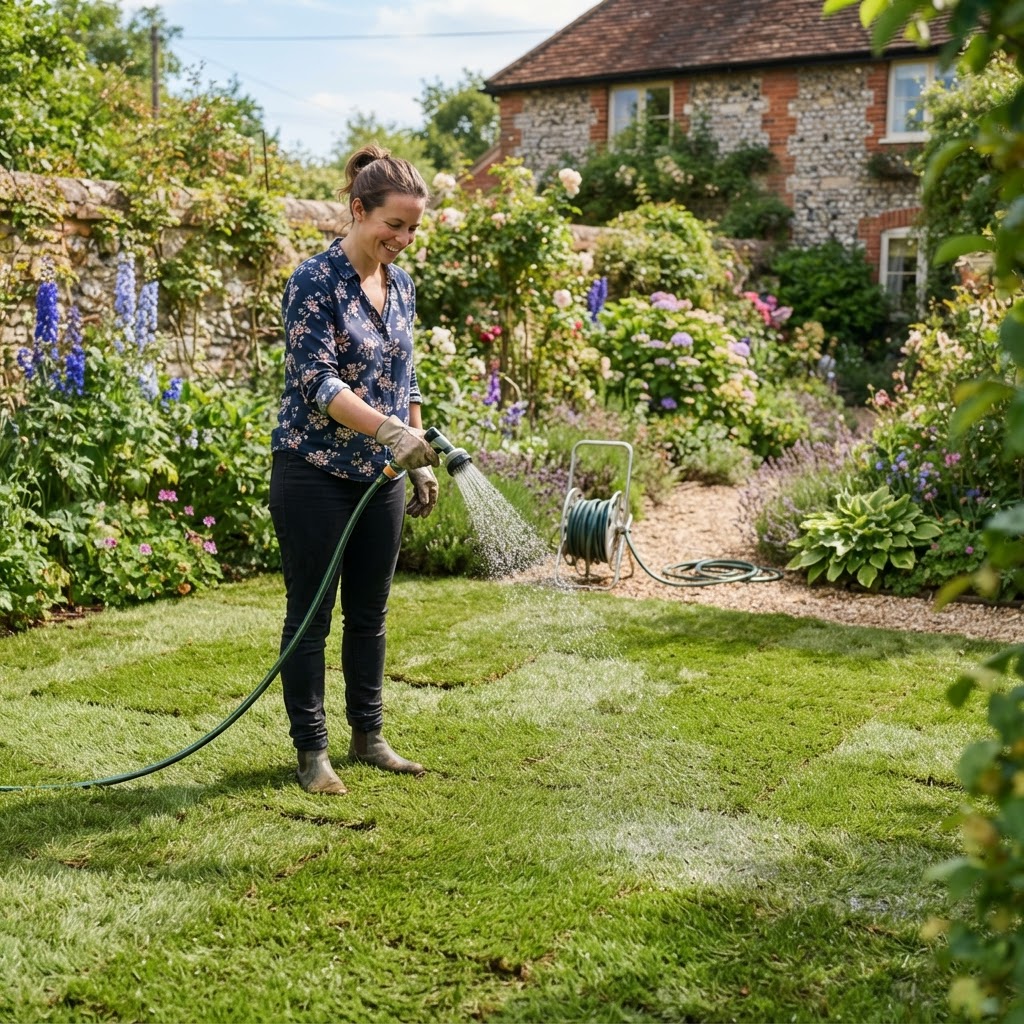
For spot treatment in a lawn, direct the spray onto the weed leaves rather than saturating the surrounding grass. For larger areas, walk at a steady pace with an even overlapping pattern. Ransley Pro Grow customers often achieve better, more consistent results by treating only the areas that need it, then using overseeding and seasonal nutrition to improve the turf density around them.
What to do after the weeds die back
Selective lawn weedkillers are not instant visual fixes. Weeds may twist, curl or discolour before dying, and full results can take days or weeks depending on the product, weed species and growing conditions. Resist the urge to apply a second dose early. Allow the recommended time for the first treatment to work.
Once weeds have died back, rake out loose material if needed and assess the gaps left behind. Overseed bare or thin areas when conditions are suitable, then support establishment with a balanced pre-seeder fertiliser such as a 6-9-6 formulation. The phosphorus supports root development, while the moderate nitrogen level helps young grass establish without forcing excessive soft growth.
Longer term, mow regularly at an appropriate height, feed according to the season and avoid scalping the lawn. A dense, well-rooted sward shades the soil and gives weeds fewer places to establish.
Common mistakes that waste weedkiller
The most frequent error is choosing a lawn weedkiller for a driveway, or a total weedkiller for turf. The next is applying in unsuitable weather, particularly during drought, frost or wind. Poor timing is another issue: spraying weeds just before mowing, or treating grass that has recently been seeded, can limit results and harm the lawn.
Do not use household salt, bleach or vinegar as a substitute for a properly formulated treatment. They can damage soil structure, harm surrounding plants and create runoff issues without providing dependable, label-controlled weed management.
The best weed control is measured and targeted. Treat the weeds that are present, protect the grass and plants you want to keep, then strengthen the surface so the same problem has less chance to return.