



A lawn does not become weed-infested by accident. Dandelions, plantain, clover and daisies establish where the grass is thin, stressed or unable to compete. Effective weed infested recovery is therefore not simply a matter of spraying weeds. It is a measured programme: identify why turf has opened up, remove the competition, rebuild grass cover and correct the conditions that caused the problem.
For most UK lawns, the best recovery window is late summer into early autumn. Soil is still warm enough for reliable germination, moisture levels are usually more favourable, and weed pressure begins to slow. Spring can also work well, provided frosts have passed and you can keep new seed adequately watered.
Diagnose the Lawn Before You Treat It
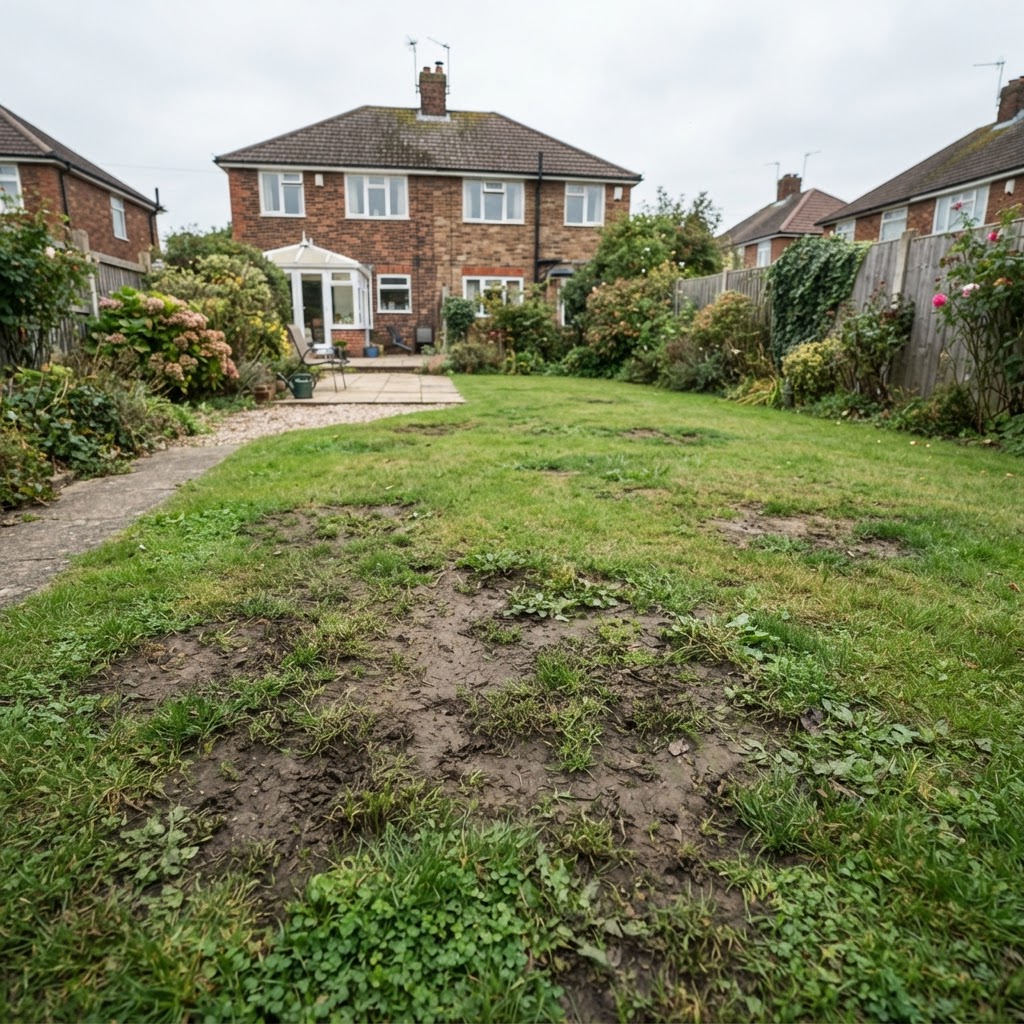
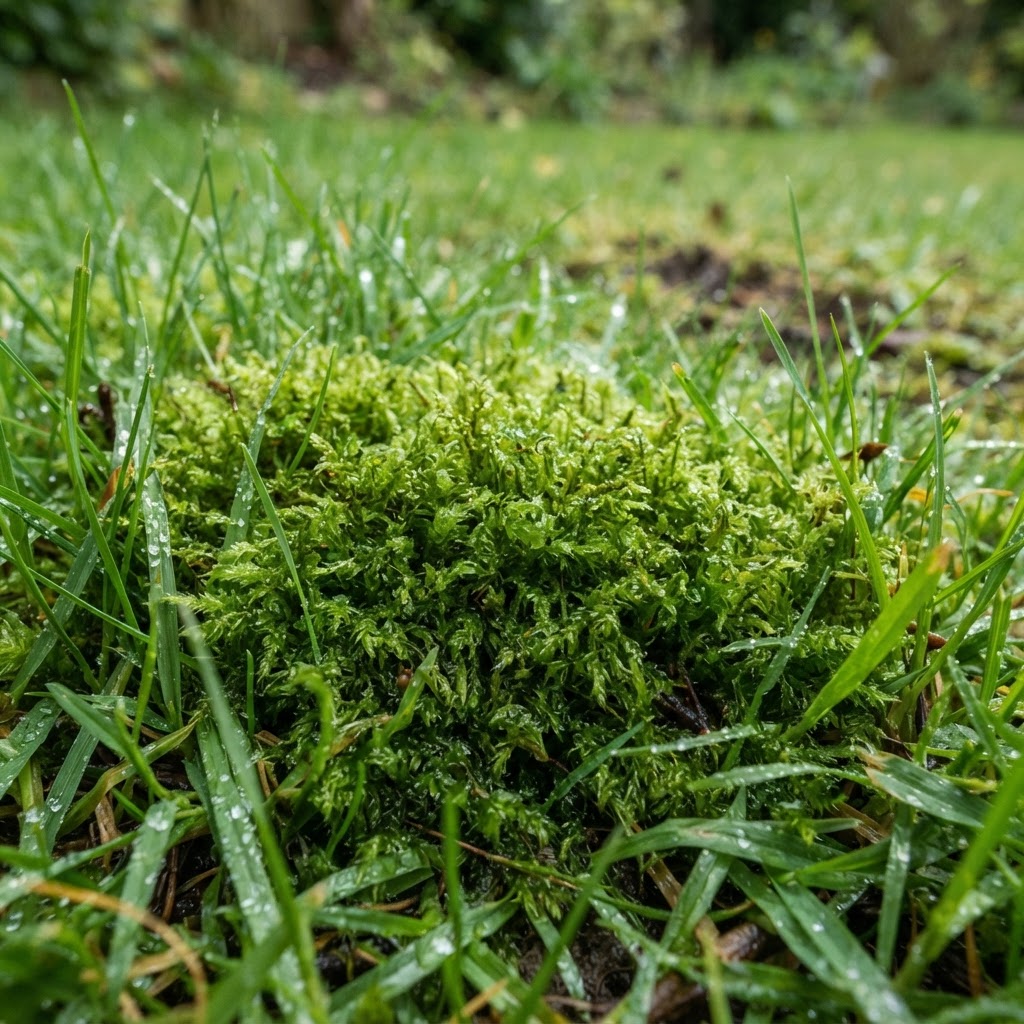
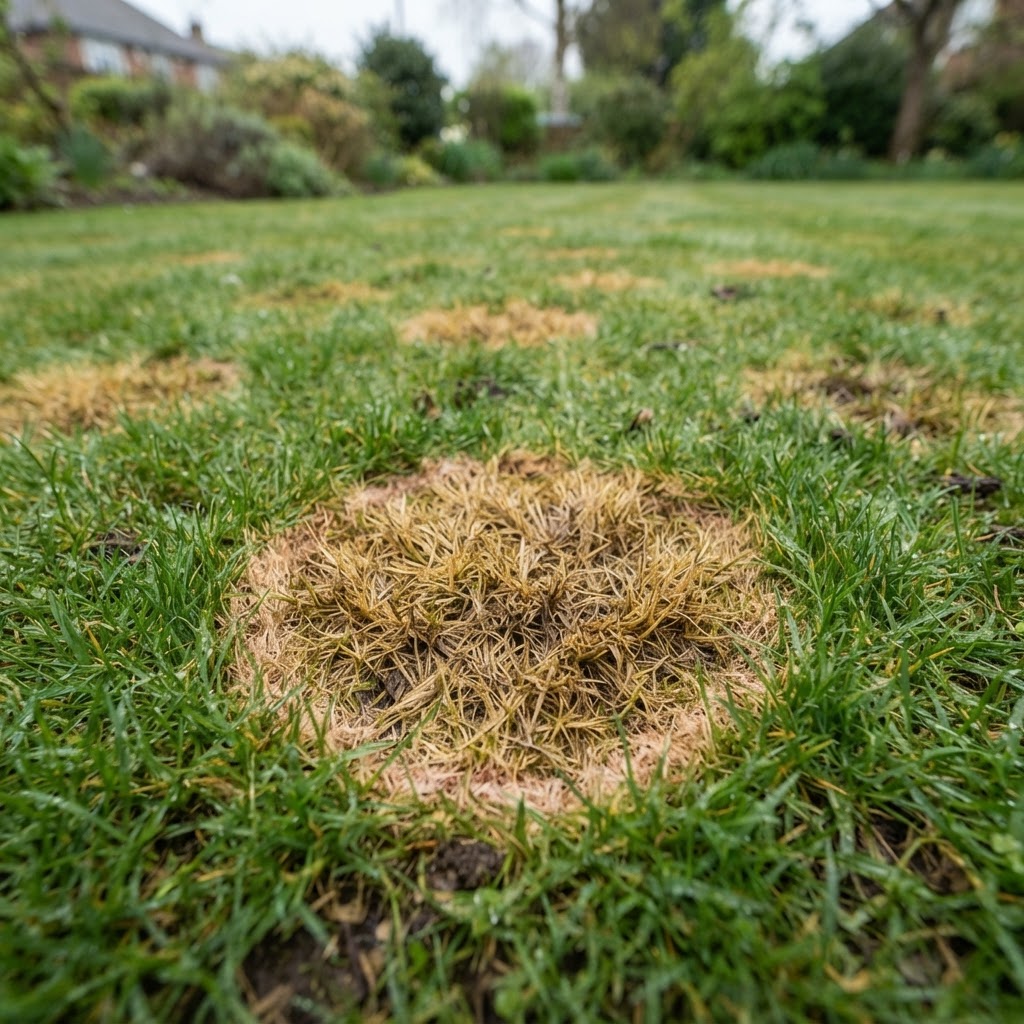
The weeds themselves provide useful clues. A lawn dominated by daisies and clover may be closely mown, low in available nitrogen or simply sparse. Plantain often points to compaction, especially along paths, gateways and children’s play areas. Moss and weeds together usually indicate shade, poor drainage, acidic soil or weak grass growth. Bindweed, brambles and coarse perennial weeds may indicate that the area has been neglected long enough for the original lawn to lose dominance altogether.
Walk the lawn before choosing a treatment. Look for bare soil, compacted patches, standing water, overhanging shade and differing grass density. A selective weed killer will remove broadleaf weeds, but it cannot repair compaction or create light beneath dense trees. If these causes remain, the same gaps will be available for new weeds next season.
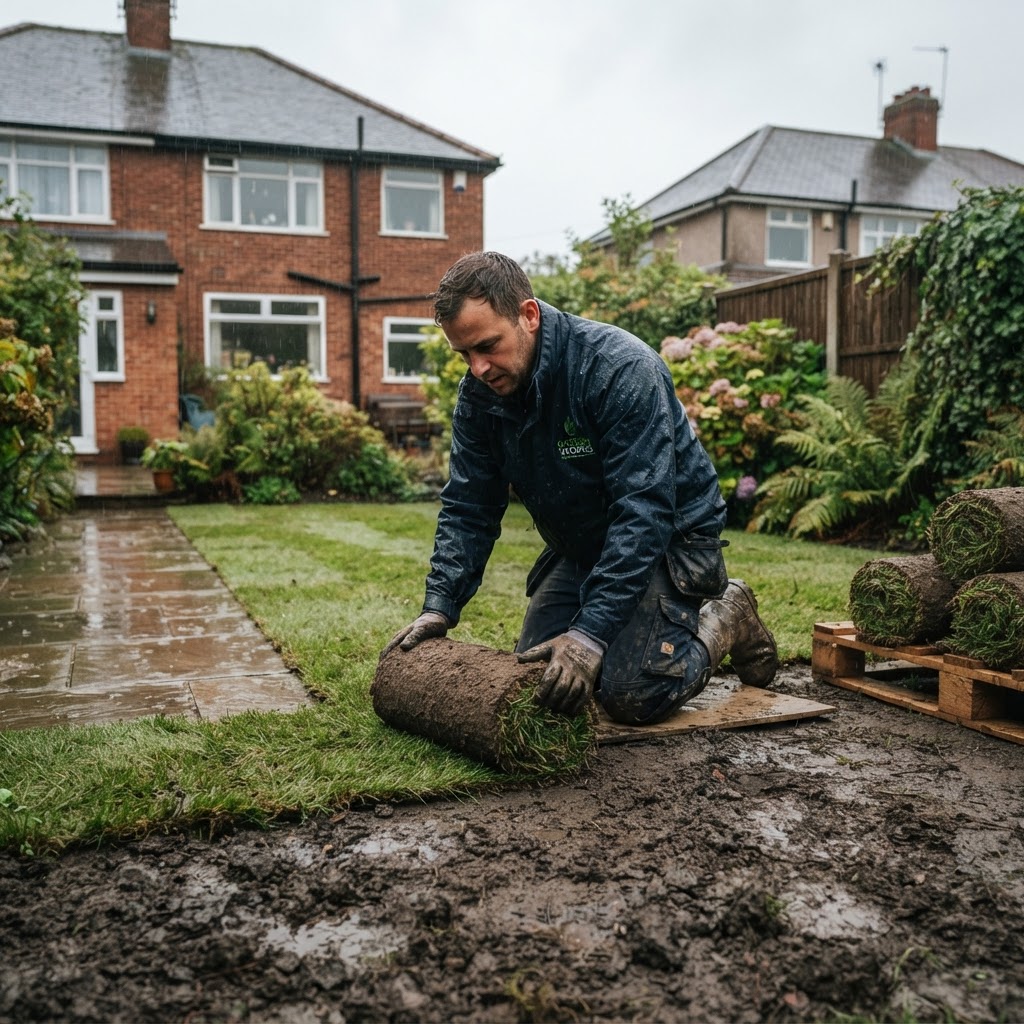
It is also worth deciding whether the lawn needs renovation or full clearance. Where desirable grass still covers most of the ground, selective treatment and overseeding are normally the sensible route. Where weeds, coarse grasses and bare ground make up the majority, starting again may be faster and more economical than trying to rescue weak turf.
A Weed Infested Recovery Plan in the Right Order
The order of work matters. Applying seed before a weed treatment has completed its job wastes material; feeding a lawn heavily before assessing weed control can encourage mowing, without improving its underlying structure.
1. Control broadleaf weeds without damaging turf
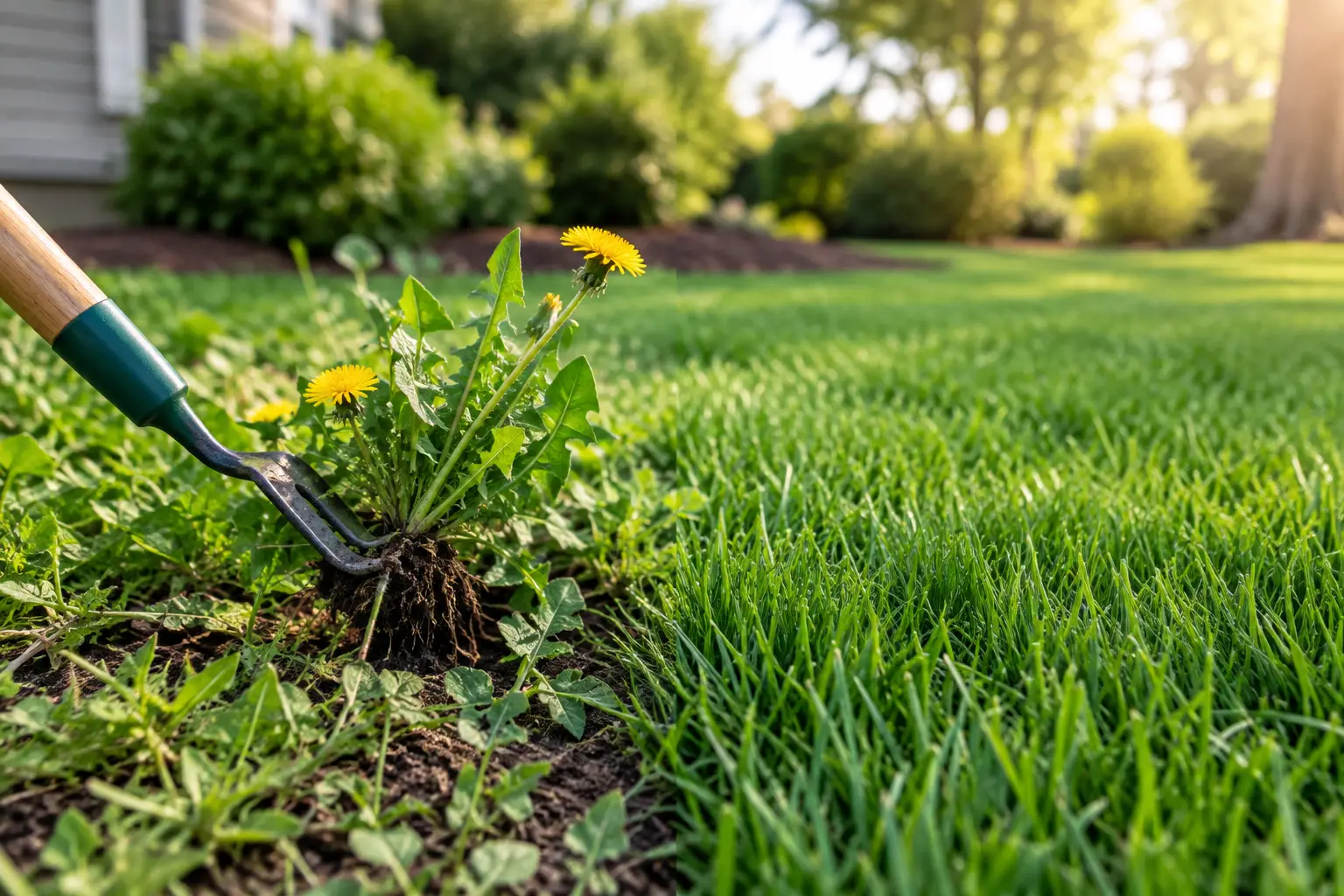
For established lawns containing dandelions, clover, buttercups, daisies and similar broadleaf weeds, use a selective lawn weed killer approved for the species you need to control. These formulations are designed to target broadleaf plants while leaving established grasses unharmed when applied at the stated rate.
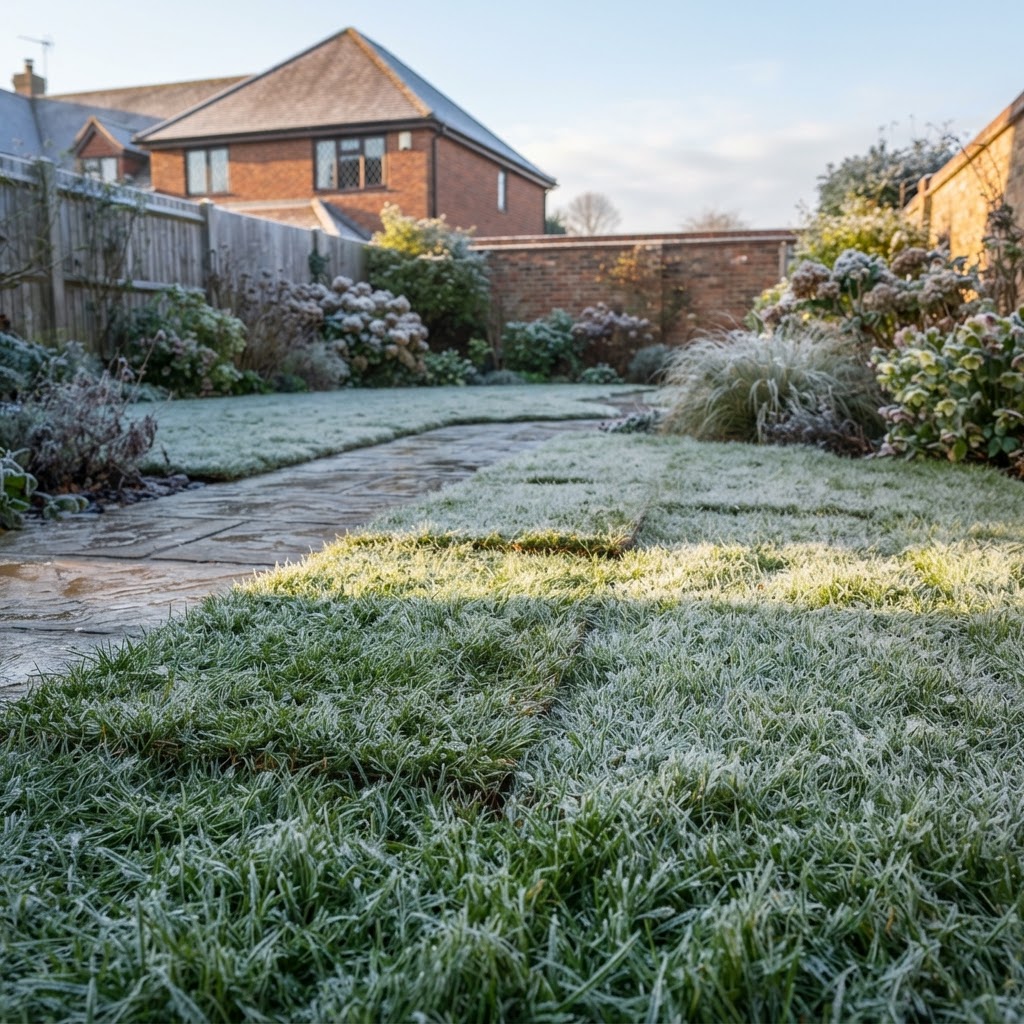
Apply only when weeds are actively growing, the grass is dry and rain is not expected for the period specified on the label. Avoid treatment during drought, frost, very hot weather or when the lawn is already stressed. Do not mow immediately before application, as sufficient leaf area is needed to take in the product. Afterwards, allow the recommended interval before mowing or disturbing the lawn.
Always follow the product label on application rate, personal protective equipment, permitted areas and disposal of clippings. Keep children and pets away until the treated area is dry or for the label-stated period. Do not use selective lawn weed killers on newly sown grass unless the label specifically permits it. Young seedlings are far more vulnerable than mature turf.
If the lawn is covered by tough weeds, brambles or invasive growth and only isolated fragments of grass remain, a total herbicide may be appropriate before complete renovation. This is a reset, not a spot fix. Total herbicides kill vegetation they contact, so they are unsuitable for use across a lawn you intend to retain and should be kept well away from wanted plants.
2. Allow time for the treatment to work
Do not rush into scarifying or raking straight after treatment. The active ingredient needs time to move through the weed. Depending on the product and growing conditions, this may take one to several weeks. Follow the stated waiting period before reseeding.
Once weeds have browned off or loosened, rake out dead material and surface moss. This exposes soil, improves seed-to-soil contact and shows the true condition of the lawn. A little thatch is normal; a dense, spongy layer should be removed progressively rather than tearing out healthy turf in one aggressive pass.
3. Relieve compaction and prepare the surface
Compaction is one of the most common reasons a recovered lawn fails again. If a garden fork struggles to enter the ground, rain sits on the surface, or the soil is hard beneath a thin green cover, aeration is required. On domestic lawns, solid-tine aeration can be sufficient. For heavily trafficked ground, hollow-tine aeration is more effective because it physically removes plugs of compacted soil.
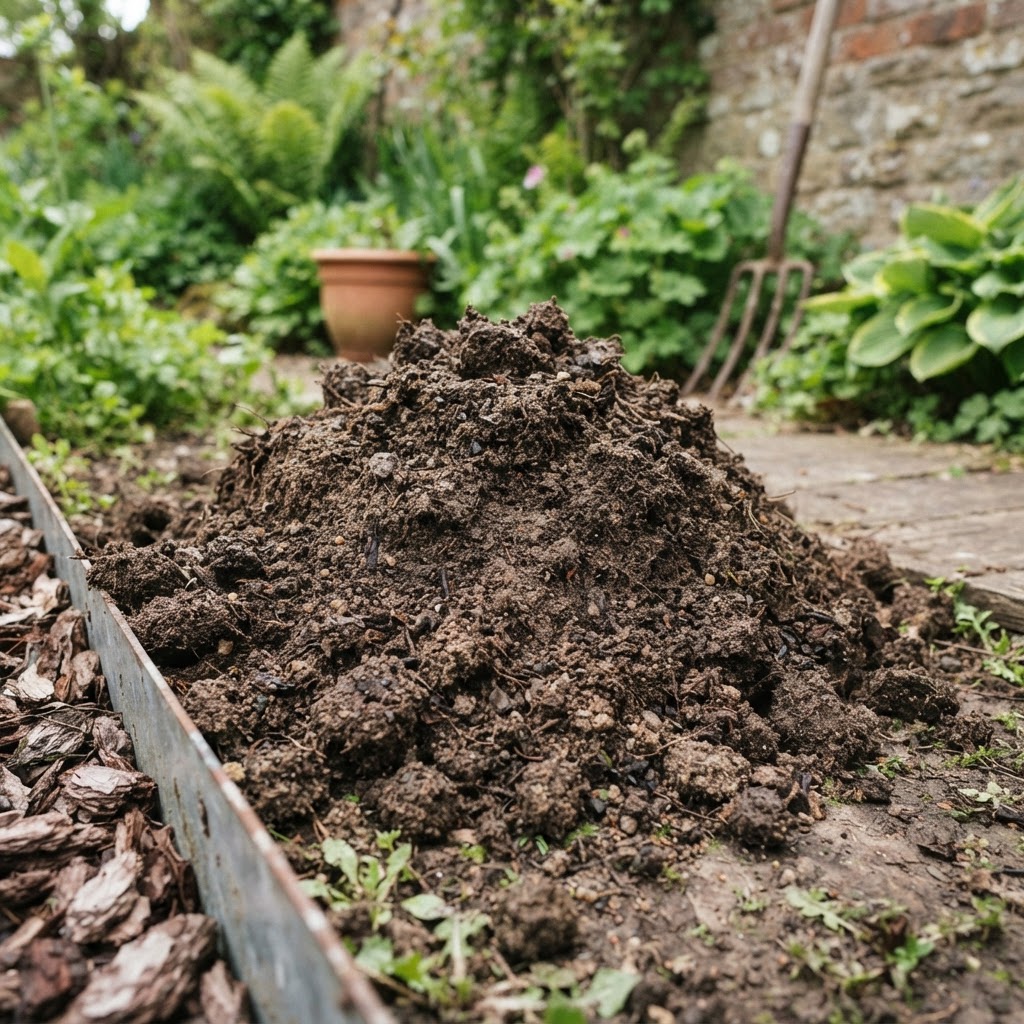
Brush a suitable sandy topdressing into the holes where drainage and surface levelling are the priority. Do not use sharp sand indiscriminately on heavy clay. A thin, compatible lawn dressing applied over time is safer than trying to alter soil texture with one heavy application.
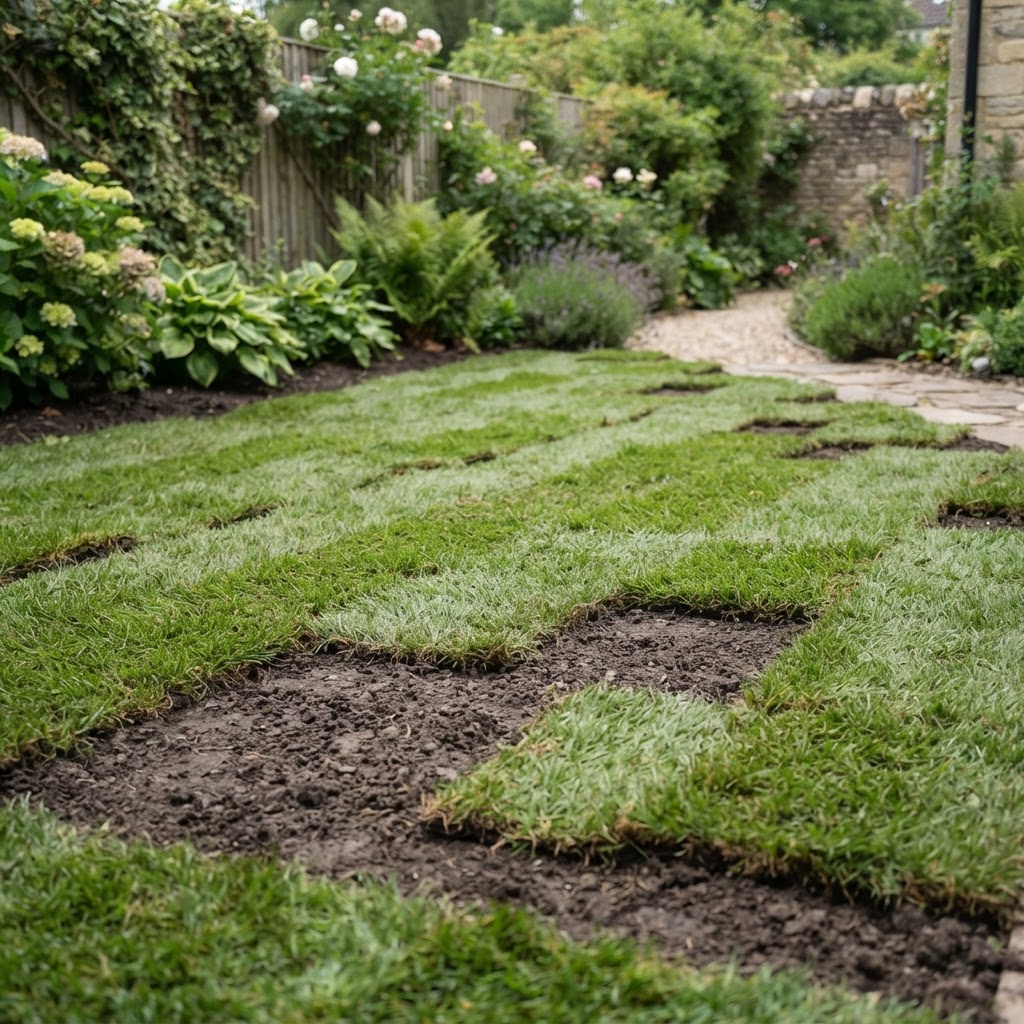
Level shallow hollows with topsoil or lawn dressing, then rake to create a fine, firm surface. Seed needs contact with soil, not a loose layer of debris. The ground should be firm enough that a footprint is shallow, yet open enough for seed to settle into the surface.
4. Overseed with a grass mix suited to the site
Overseeding is the point at which recovery becomes prevention. Dense grass shades the soil and competes for moisture, nutrients and space, making it much harder for weed seedlings to establish.
Choose seed according to the job, rather than selecting a generic mix. A family lawn or contractor-maintained amenity area benefits from durable perennial ryegrass combined with fine fescues. Shaded areas need a shade-tolerant blend, while exposed, free-draining sites may require drought-tolerant species. Fast-establishing tetraploid ryegrass can germinate in around 7-14 days in favourable conditions and develops a substantial root system, making it particularly useful where rapid ground cover is required.
Spread seed evenly at the recommended overseeding rate, divide the quantity into two passes at right angles, then rake lightly and firm with the back of a rake or a roller. Seed buried too deeply struggles to emerge; seed left entirely on the surface is vulnerable to birds, drying and wash-off. Water with a fine spray often enough to keep the upper soil consistently moist until germination is well underway.
5. Feed roots, not just top growth
Newly repaired lawns need phosphorus and potassium as well as nitrogen. A balanced pre-seeder fertiliser such as a 6-9-6 NPK formulation supports root development and early establishment without forcing excessive soft growth. Apply it at the stated rate either before sowing or as directed after sowing.
Avoid applying a high-nitrogen spring and summer feed to freshly germinated turf unless the product is specifically intended for that use. Nitrogen has a useful place in established lawn management, supporting chlorophyll production and colour, but timing matters. Young grass first needs roots capable of accessing water and nutrients consistently.
Mowing and Aftercare Make the Recovery Stick
Do not cut new grass simply because it looks untidy. Wait until seedlings are well rooted and have reached roughly 7-8 cm, then take no more than the top third off with sharp mower blades. Continue mowing slightly higher than normal through the establishment period. A close-cut, weak lawn lets light reach the soil and gives weeds another opening.
For an established family lawn, a mowing height of around 35-50 mm is usually a practical range, with the higher end preferable in shade, drought or periods of heavy use. Never scalp the lawn to make it look tidy before a gathering or contractor handover. One severe cut can undo weeks of recovery work.
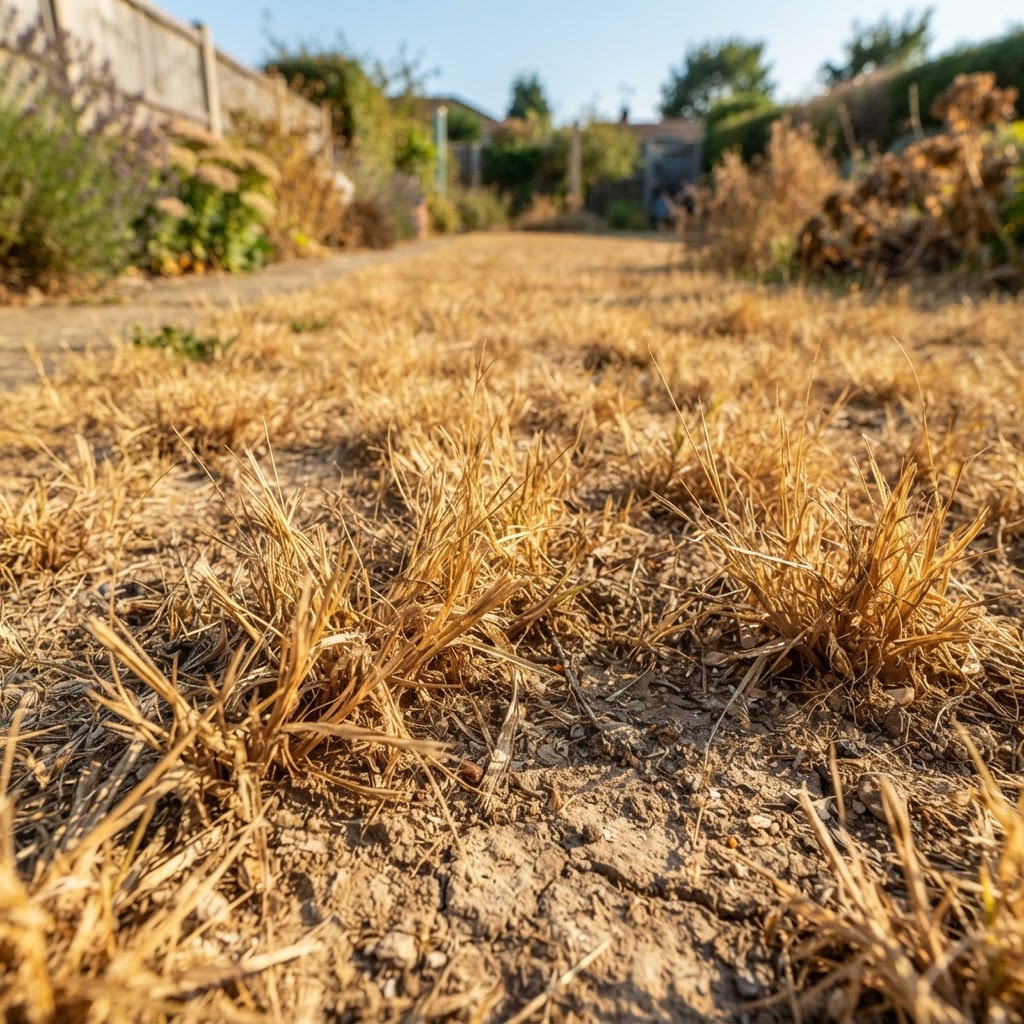
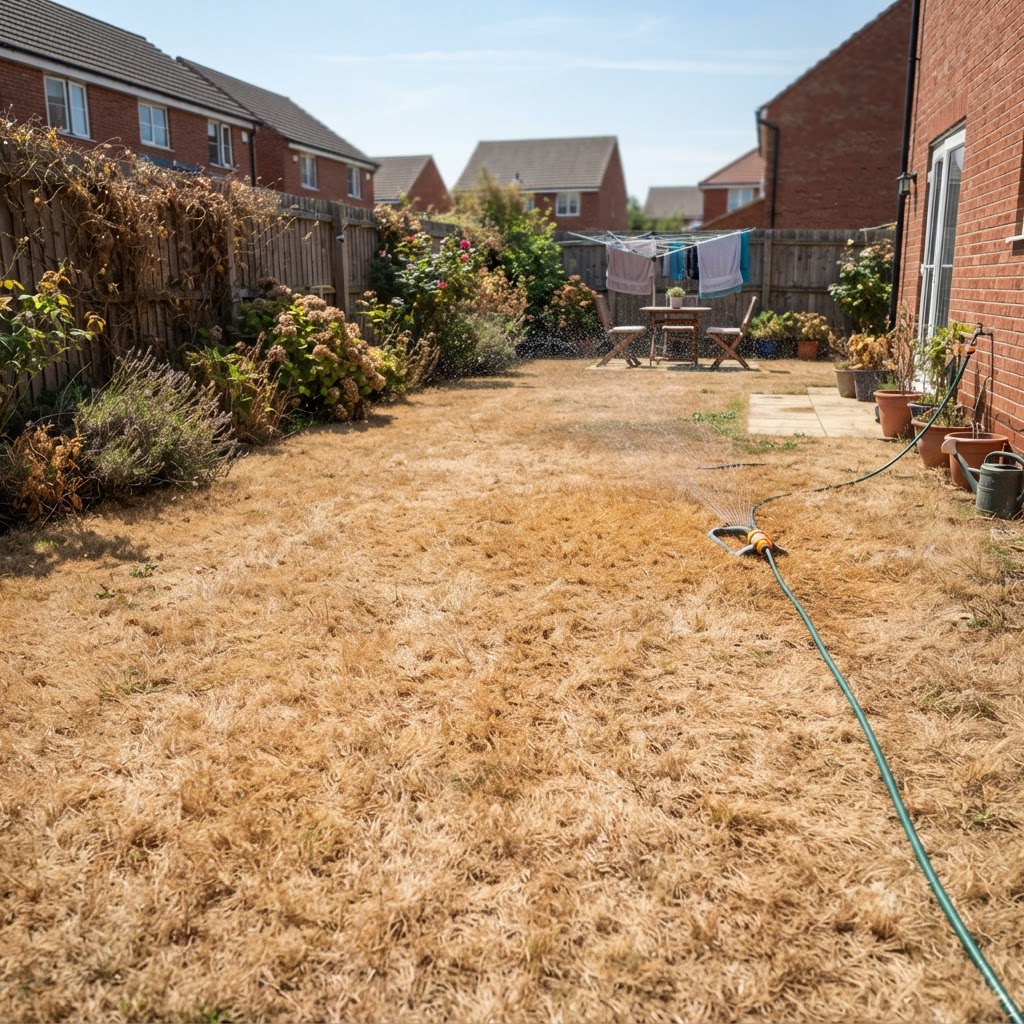
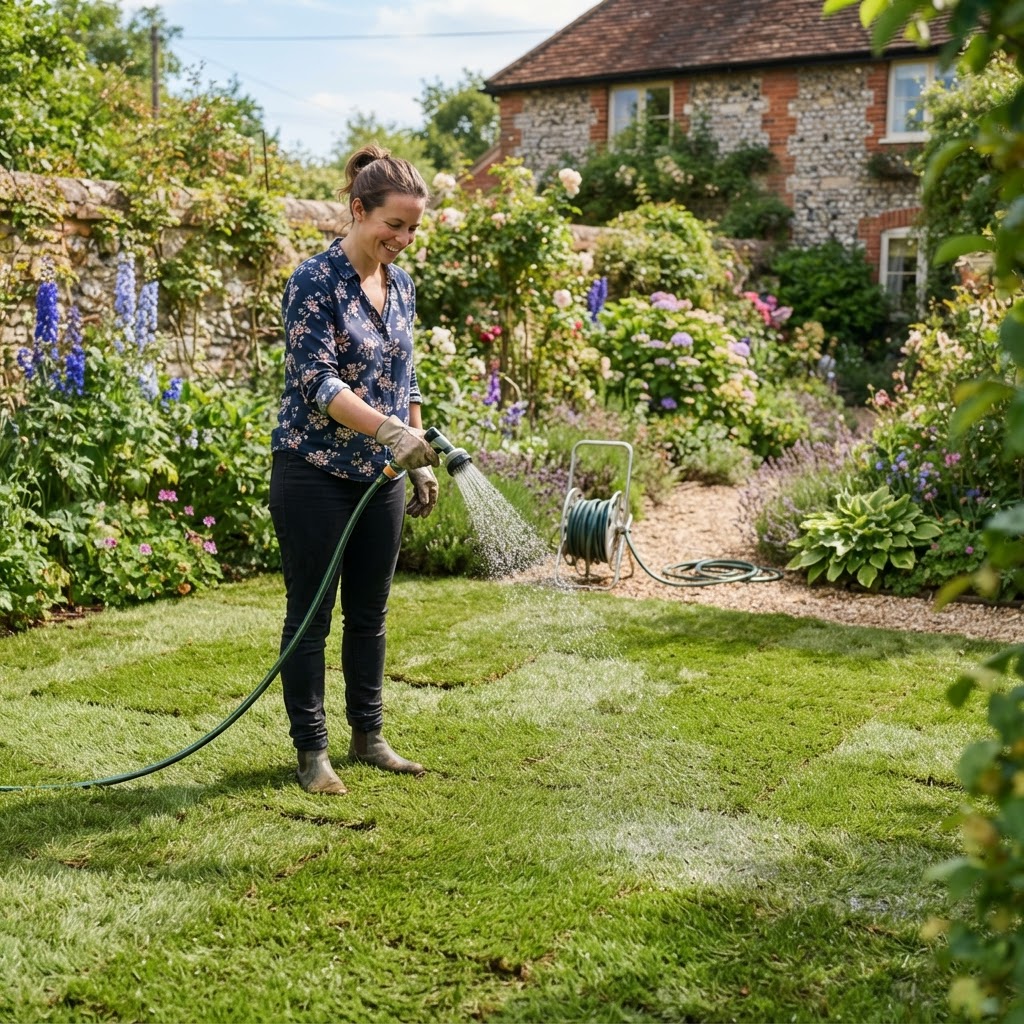
Water deeply and less frequently once the seedlings are established, rather than applying a light daily sprinkle indefinitely. This encourages roots to follow moisture down into the soil. Where possible, reduce repeated foot traffic while the surface is recovering, particularly after rain when compacted soil is most easily damaged.
Prevent the Next Weed Problem
A healthy lawn is not a weed-free lawn forever. Weed seeds arrive on wind, footwear, birds, imported soil and neighbouring ground. The aim is to maintain enough grass density that occasional invaders remain isolated rather than becoming a takeover.
Inspect the lawn each season. Treat individual weeds early, aerate known compacted areas, overseed thin ground in autumn and use seasonal nutrition that matches grass growth. Spring and summer feeding should support colour and recovery, while autumn formulations with lower nitrogen and higher potassium help build root resilience ahead of frost and wet weather.
For a lawn that has been severely compromised, Ransley Pro Grow’s trade-standard approach is simple: do not ask grass to compete on poor terms. Remove the pressure, correct the ground and establish the right seed for the site. Give the new turf one full growing season of sensible mowing, moisture and nutrition, and the lawn will begin to defend itself.