




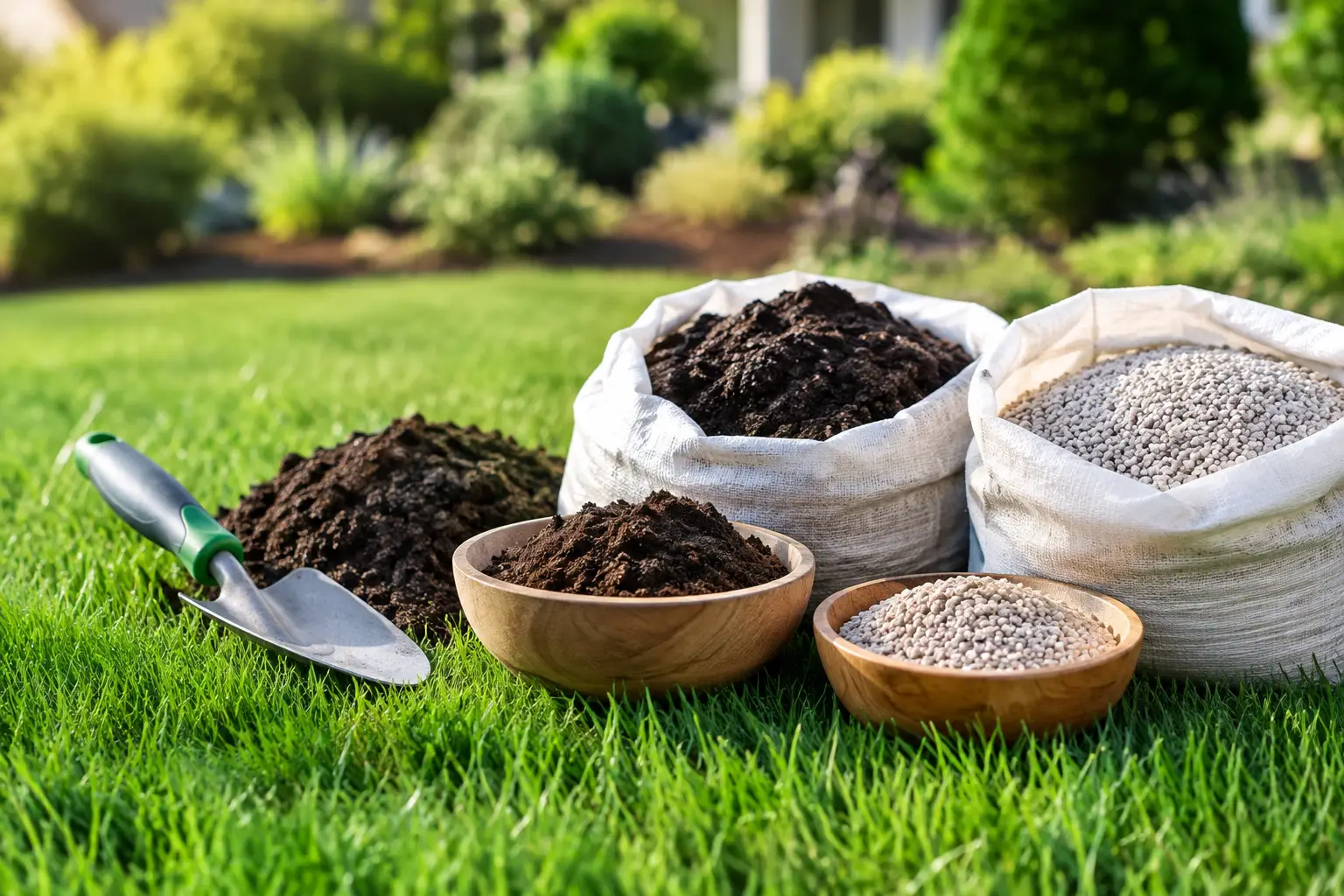
A lawn can be fed correctly and still perform poorly if its rootzone is tight, waterlogged, dry or short of organic matter. The top lawn soil conditioners do not all do the same job. The right choice depends on what sits beneath the grass: dense clay, free-draining sand, compacted ground or a soil with an unsuitable pH.
Conditioning is not a cosmetic treatment. It changes the environment around the roots, improving the balance of air, moisture, nutrient retention and biological activity. Get that balance right and seed establishes more evenly, fertiliser works more predictably and the lawn is better able to tolerate dry spells, wear and winter weather.
What a lawn soil conditioner should do
A proper soil conditioner improves soil structure rather than simply supplying a short burst of nutrients. In practical terms, it should help roots move through the profile, allow rainfall to enter instead of sitting on the surface, and retain enough moisture for grass to keep growing between showers.
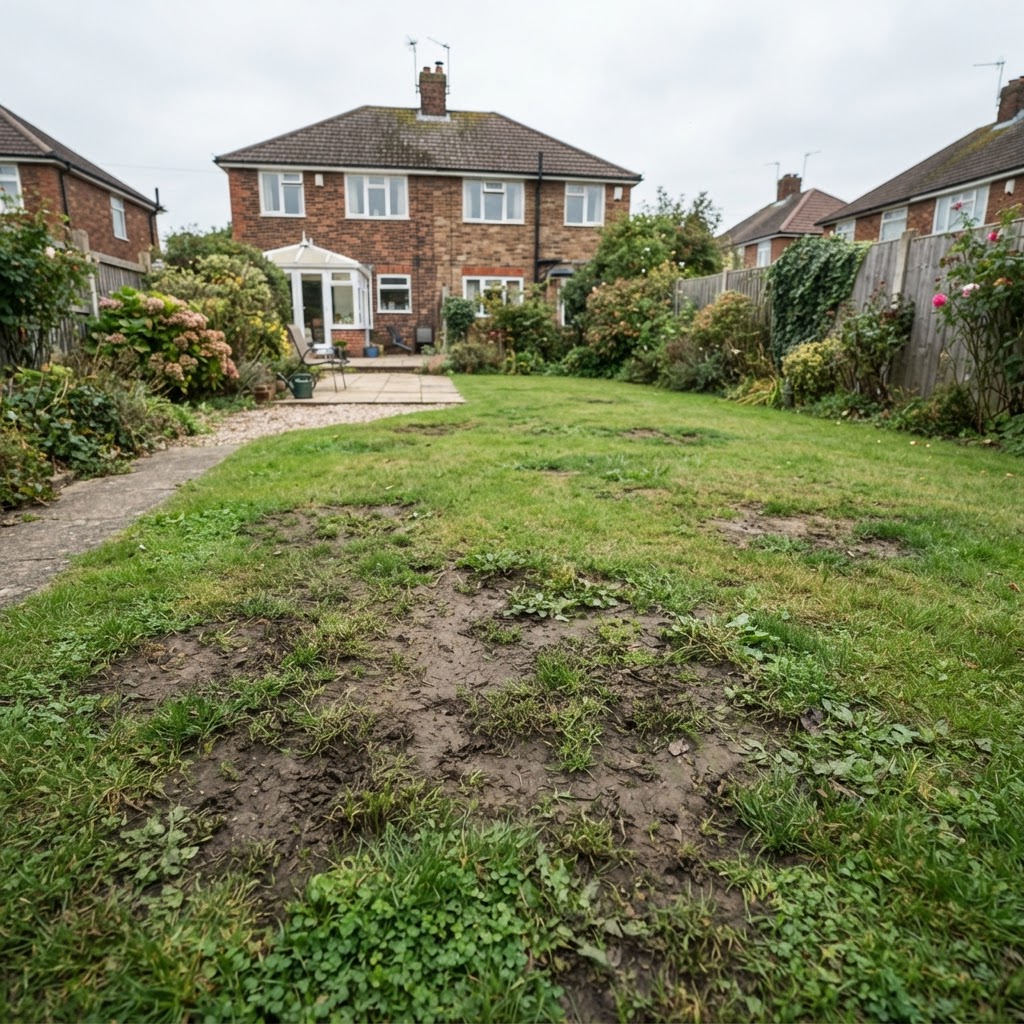
This is why diagnosis comes first. A wet, compacted lawn can look thin and yellow, as can a hungry lawn. Applying more nitrogen to compacted soil may deepen the colour temporarily, but it will not create the air spaces roots need. Likewise, a sandy lawn may drain quickly yet struggle through summer because it cannot hold moisture or nutrients.
Take a small plug or hole from several areas of the lawn. Look for pale, shallow roots, a compacted layer, sticky clay, loose dry sand or a heavy thatch layer. A simple soil pH test also prevents wasted applications. Most turf grasses perform well around pH 6.0 to 7.0, although the wider site conditions always matter.
Top lawn soil conditioners by soil problem
Quality organic soil improver for most lawns
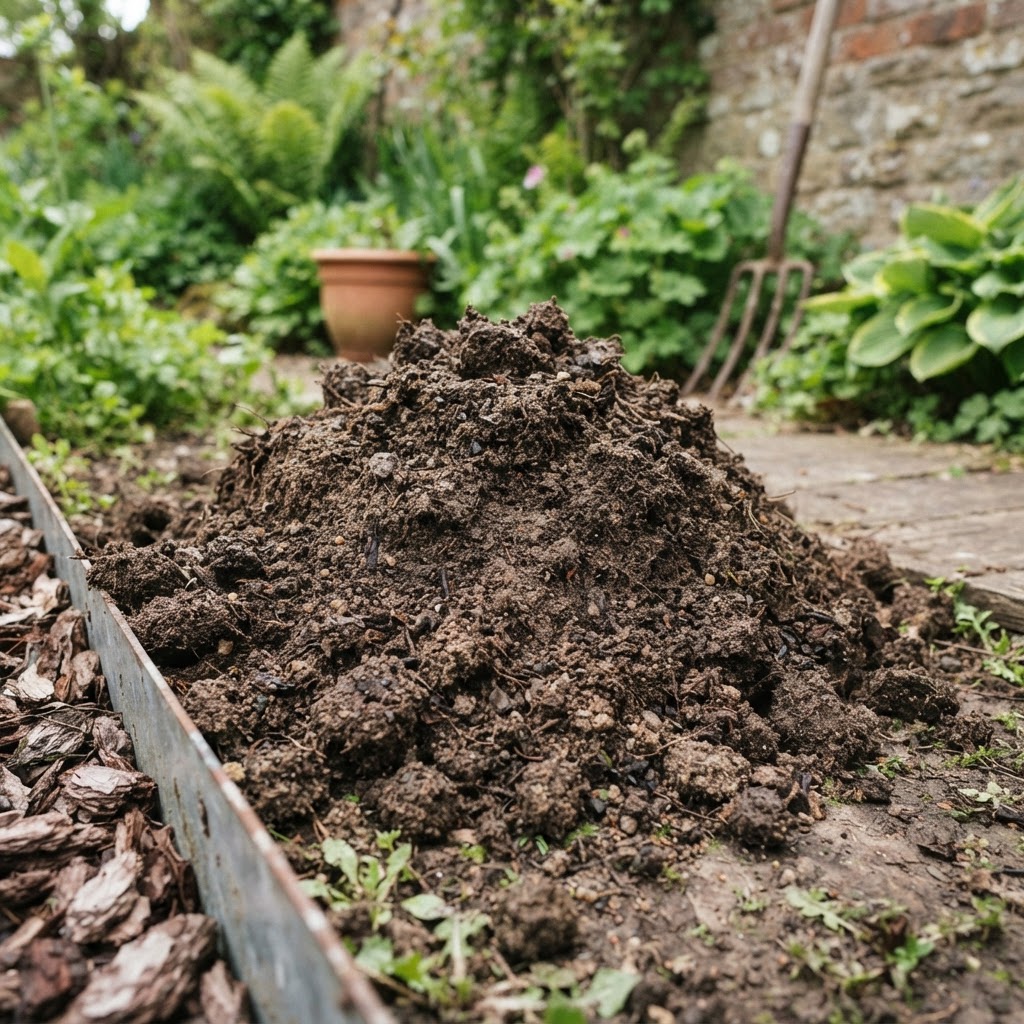
A mature, peat-free organic soil improver is the most broadly useful conditioner for established domestic lawns. It adds stable organic matter, which helps clay form a more open crumb structure while helping sandy ground hold water and nutrients. It also supports the microorganisms involved in nutrient cycling.
For lawn use, choose a fine, consistent material rather than coarse garden compost full of woody fragments. A screened product made to a recognised standard, such as BS 3882 for soil improvers, provides greater consistency for professional work and avoids introducing large debris into the sward.
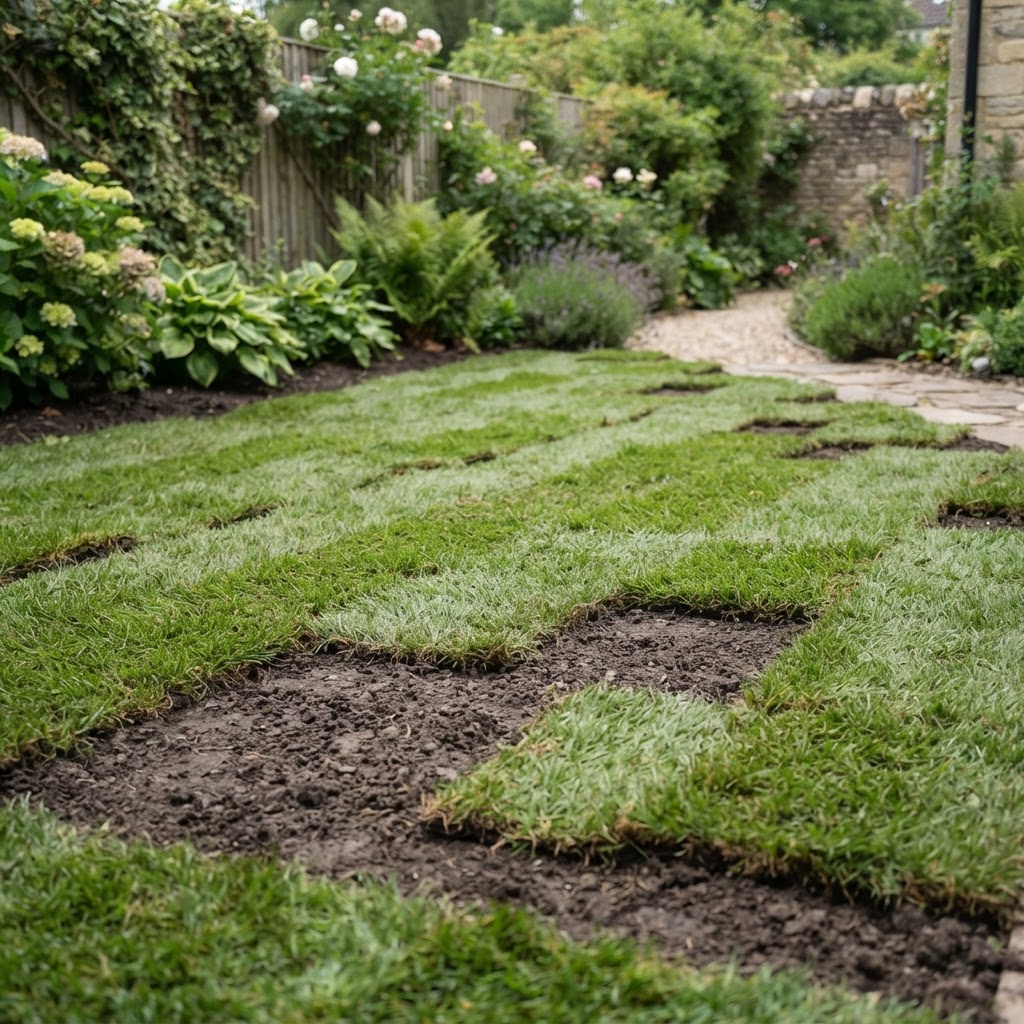
Apply it as a light topdressing after scarifying and aerating, then brush it into the turf. A heavy layer can smother grass, so work in modest applications of around 3 to 6 litres per square metre rather than attempting to change the soil in one weekend. Repeating this in spring or early autumn gives better results than one excessive dressing.
The trade-off is that organic matter works steadily, not instantly. It improves a difficult rootzone over seasons. It is also not a substitute for drainage where water has nowhere to go.
Fine lawn dressing for surface levelling and rootzone improvement
A purpose-made lawn dressing is usually a blend of screened sand, soil and organic matter. It is engineered to move easily through the grass canopy, level minor undulations and improve the upper rootzone without leaving the lawn coarse or uneven.
This is often the best option after hollow-tine aeration because the dressing can fill the holes and maintain channels for air and water. On a compacted, established lawn, that combination is considerably more effective than spreading conditioner over a sealed surface.
The blend matters. Sand-rich dressings suit some fine turf and sports surfaces, but adding large amounts of sharp sand to heavy clay can create a dense, cement-like layer if the quantities are too small to alter the full soil profile. For most home lawns on clay, a balanced dressing containing organic matter is the safer choice. Use pure sand only where the existing rootzone and drainage design are known to support it.
Calcified seaweed and mineral-rich conditioners for tired ground
Calcified seaweed products can provide calcium, magnesium and trace elements while contributing to a healthier soil environment. They are particularly useful where soil tests show acidity and a need for gentle liming, or where a lawn has been repeatedly fed but lacks broader mineral balance.
Calcium has a role in soil aggregation, especially in fine-textured soils, but it should not be treated as a cure-all for compaction. The response will depend on the soil chemistry. Use these materials as part of a programme that includes aeration and organic matter, rather than expecting a surface application to break up hard clay.
Rates vary by product, so follow the label and base repeat applications on a pH test. Over-liming can push pH too high, reducing the availability of iron and other nutrients. That commonly leads to pale grass even where fertiliser has been applied.
Biochar for moisture retention and long-term soil biology
Biochar is a stable carbon material with a porous structure. In suitable soils, it can help retain water and nutrients while providing habitat for beneficial soil biology. It is most useful when incorporated during lawn construction, renovation or when repairing a large bare area, as it needs contact with the rootzone to offer meaningful benefit.
For an established lawn, biochar can be worked into aeration holes or included within a quality topdressing. It is not a quick green-up product and should not replace fertiliser. Fresh or poorly prepared biochar may temporarily tie up nutrients, so a charged product or one blended with compost is generally more dependable.
Biochar is a sensible long-term option for sandy sites that dry rapidly, but its higher cost means it is rarely the first treatment for a lawn suffering from simple compaction or thatch.
Wetting agents for hydrophobic or drought-prone lawns
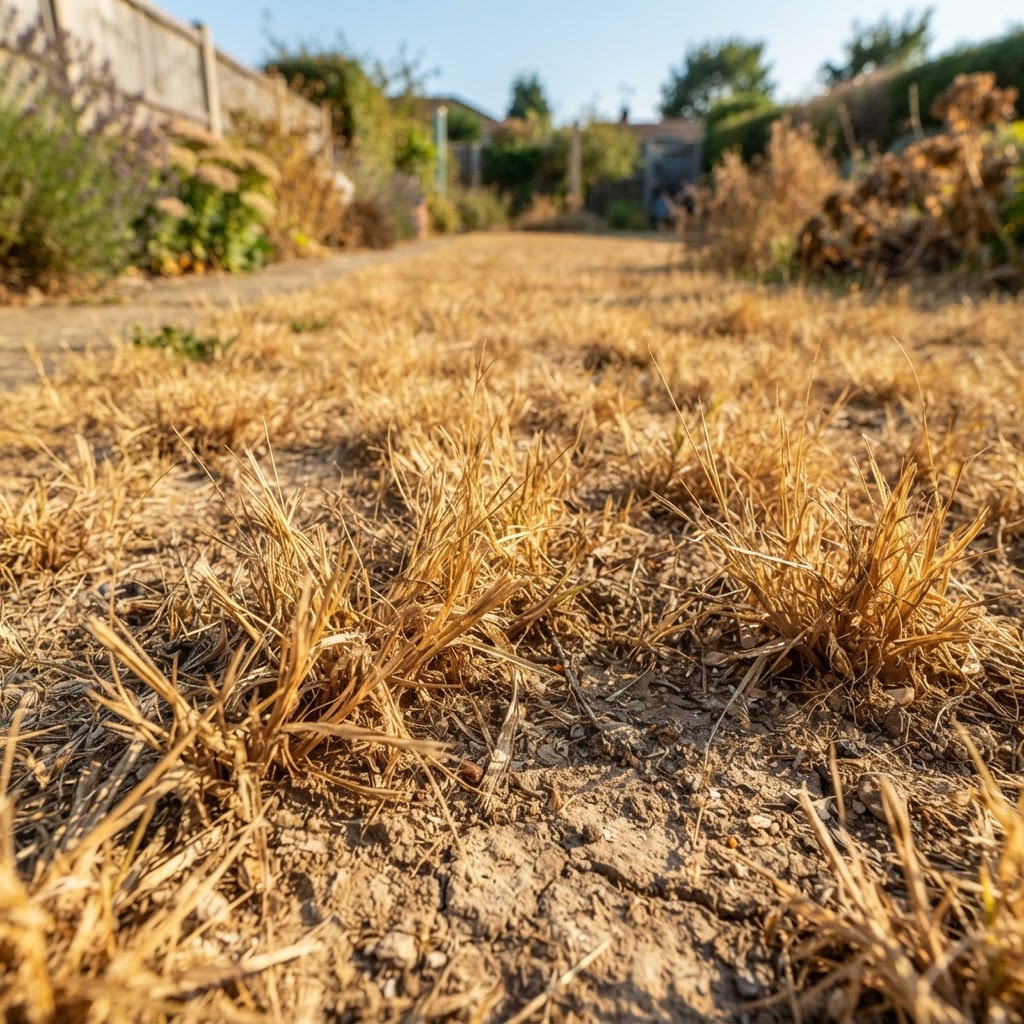
Wetting agents are often grouped with soil conditioners because they change how water moves through the soil. Strictly speaking, they do not improve soil structure. They reduce water repellency and help irrigation or rainfall spread through dry, hydrophobic areas.
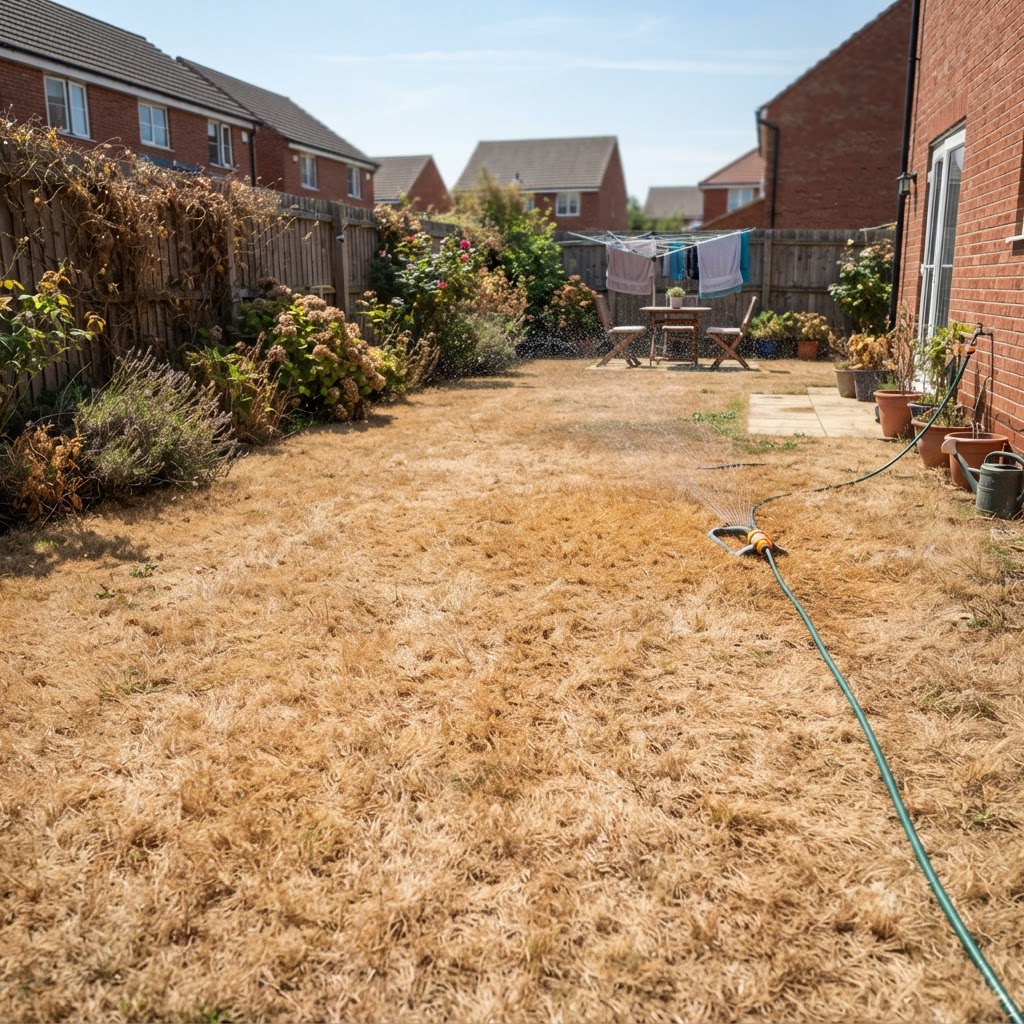
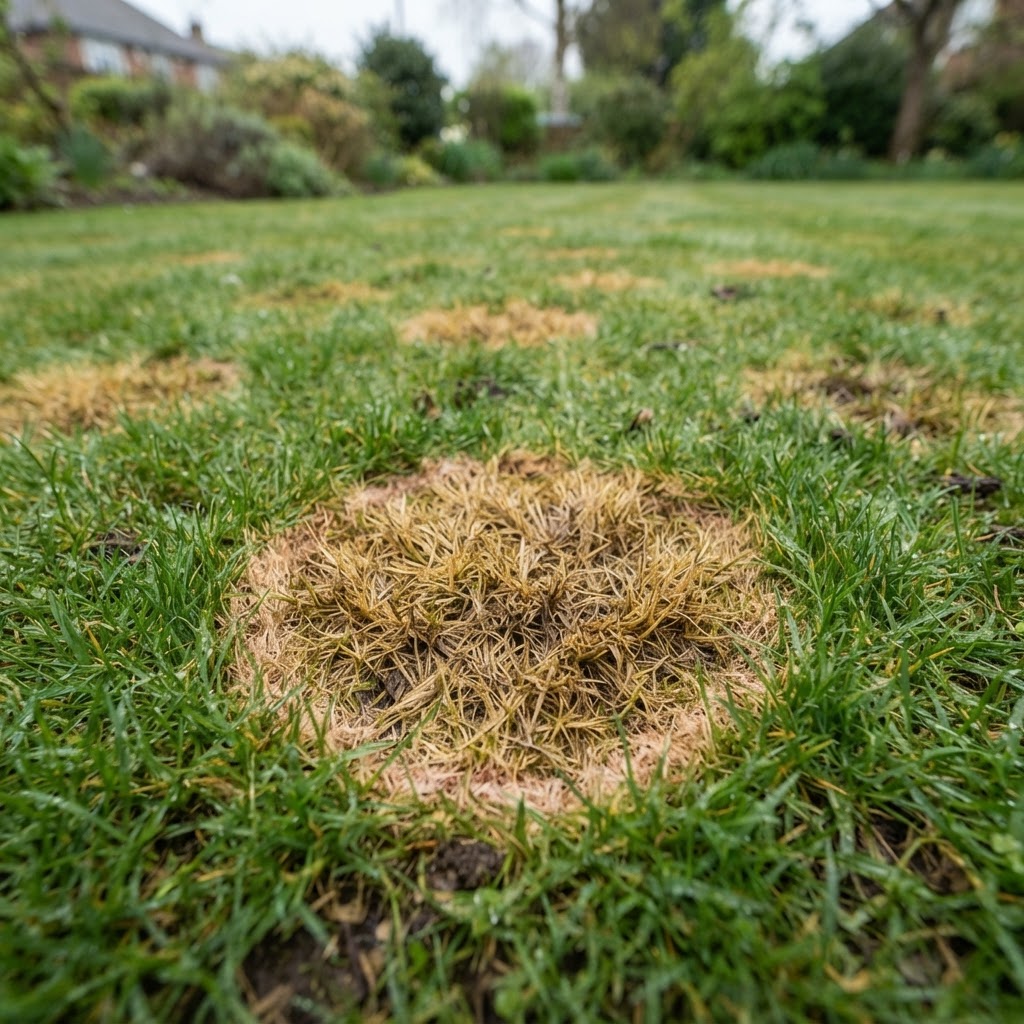
They are particularly valuable on sandy lawns, beneath trees, and on slopes where water runs off before it can soak in. If a lawn has dry patches that remain hard and brown despite watering, a wetting agent may be the missing tool.
Use it alongside organic topdressing, not instead of it. Wetting agents improve water entry, whereas organic matter improves the soil's capacity to retain that water. On very dry ground, water lightly first, apply the treatment as directed, then irrigate thoroughly to move it into the rootzone.
Treatments commonly confused with conditioners
Gypsum is regularly promoted as a clay breaker. It can improve structure in sodic soils where excessive sodium causes clay particles to disperse. Those conditions are uncommon in typical UK gardens. On ordinary heavy clay, gypsum may add calcium but will not replace hollow-tine aeration, drainage work or organic matter. A soil test is the sensible basis for using it.
Lime and sulphur are pH adjusters. They can be vital where testing shows the soil is too acidic or alkaline for healthy turf, but neither fixes compaction, poor drainage or low organic matter on its own.
Fertilisers are also different. A pre-seeder feed, such as a balanced 6-9-6 formulation, supports root development when establishing new grass, but it is not a conditioner. The strongest results come when the physical rootzone and nutrient programme are dealt with together.
How to apply conditioners without setting back the lawn
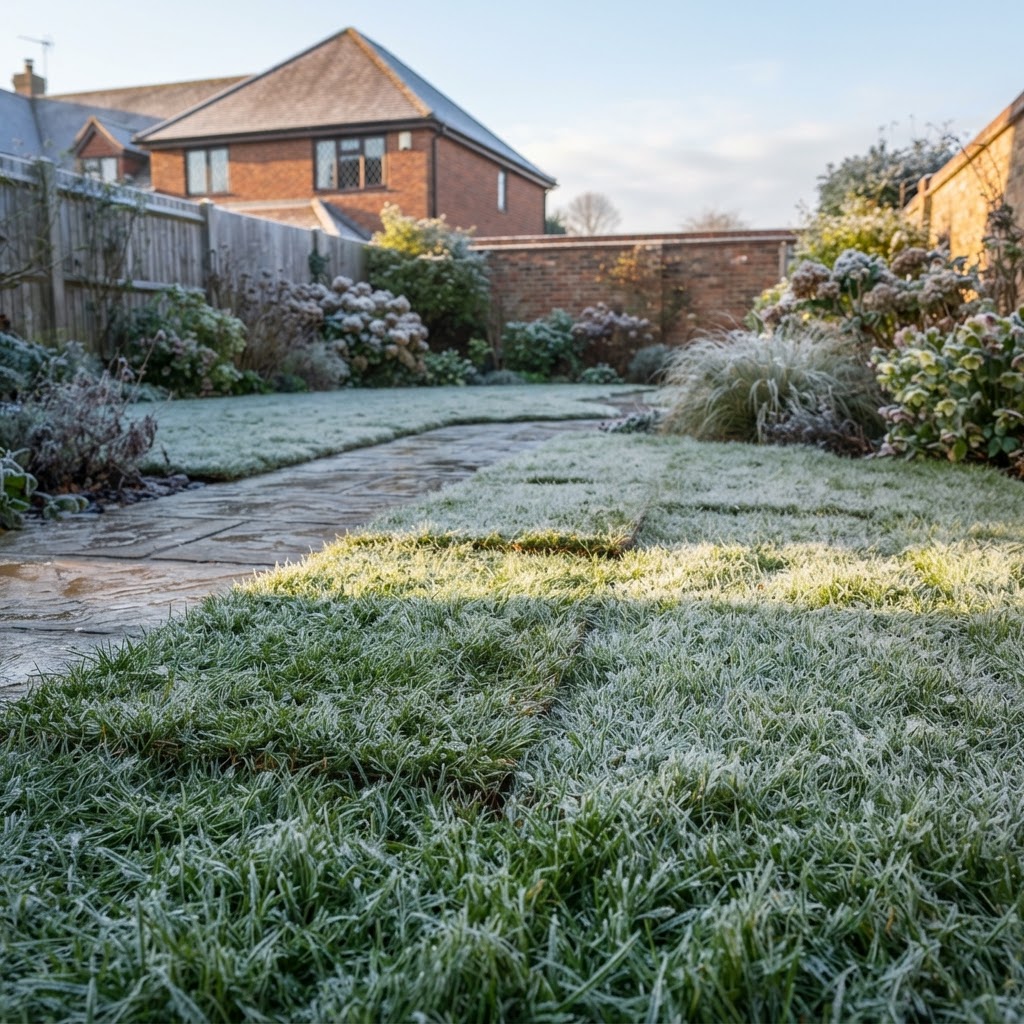
Timing is as important as product selection. Early autumn is often ideal because the soil remains warm enough for root activity, rainfall is more reliable and summer stress has passed. Spring is also suitable once the ground is actively growing and not saturated. Avoid applying heavy dressings to frozen, waterlogged or drought-stressed turf.
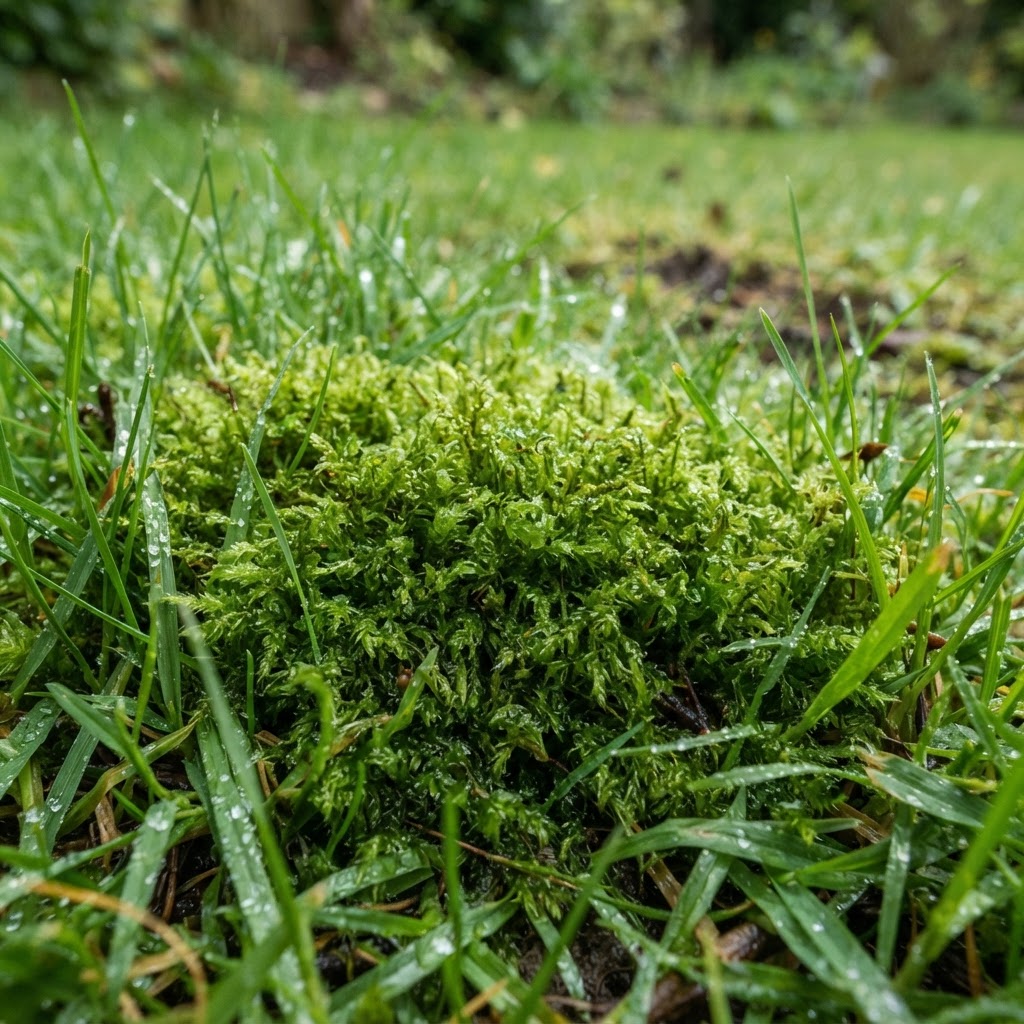
Mow first, then remove moss and excess thatch where required. Aerate compacted ground with solid tines for light compaction or hollow tines where a dense layer needs physically relieving. Spread the chosen material evenly and work it into the sward with a lute, stiff brush or the back of a rake. The grass tips should remain visible after dressing.
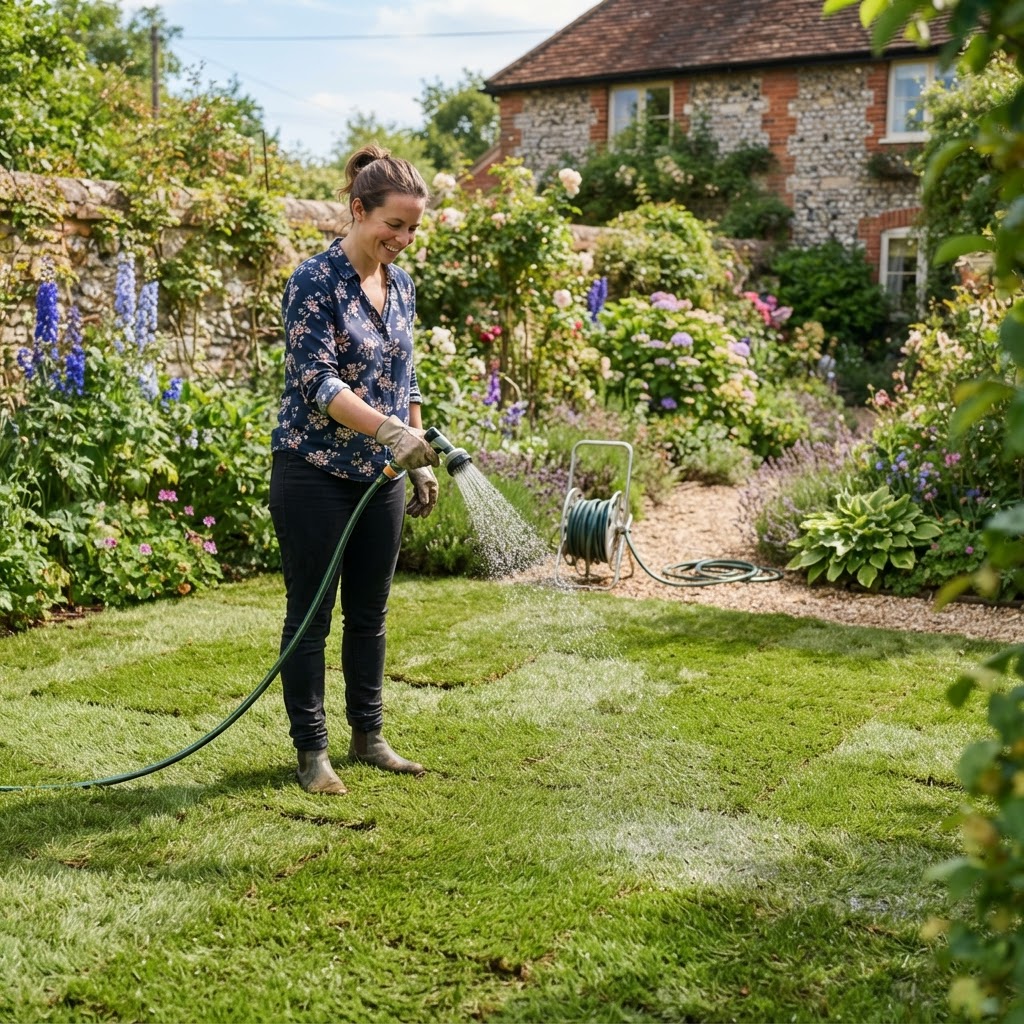
If overseeding, apply the dressing before or immediately after sowing, depending on the renovation method. Keep the surface consistently moist through germination. A fast-establishing tetraploid ryegrass blend can germinate in 7 to 14 days in suitable conditions, but no seed mixture can overcome a sealed, saturated rootzone.
For contractors, calculate the area and intended dressing depth before ordering. A 5 mm application over 100 square metres requires roughly 0.5 cubic metres of material. Measuring avoids the common problem of under-ordering, then applying an unevenly thin layer that delivers little practical benefit.
Build the improvement into the annual programme
The most dependable lawns are conditioned little and often. Aerate compacted areas annually, topdress when the surface needs improvement, manage thatch before it becomes a barrier, and match fertiliser to the season. Keep mowing height sensible during dry weather so the plant retains enough leaf to support its roots.
If one area repeatedly floods, dries out or fails to thicken while the rest of the lawn performs well, treat that patch as a rootzone problem rather than reaching straight for another bag of feed. A soil test, a spade and a correctly chosen conditioner will usually tell you far more than the surface colour alone.