






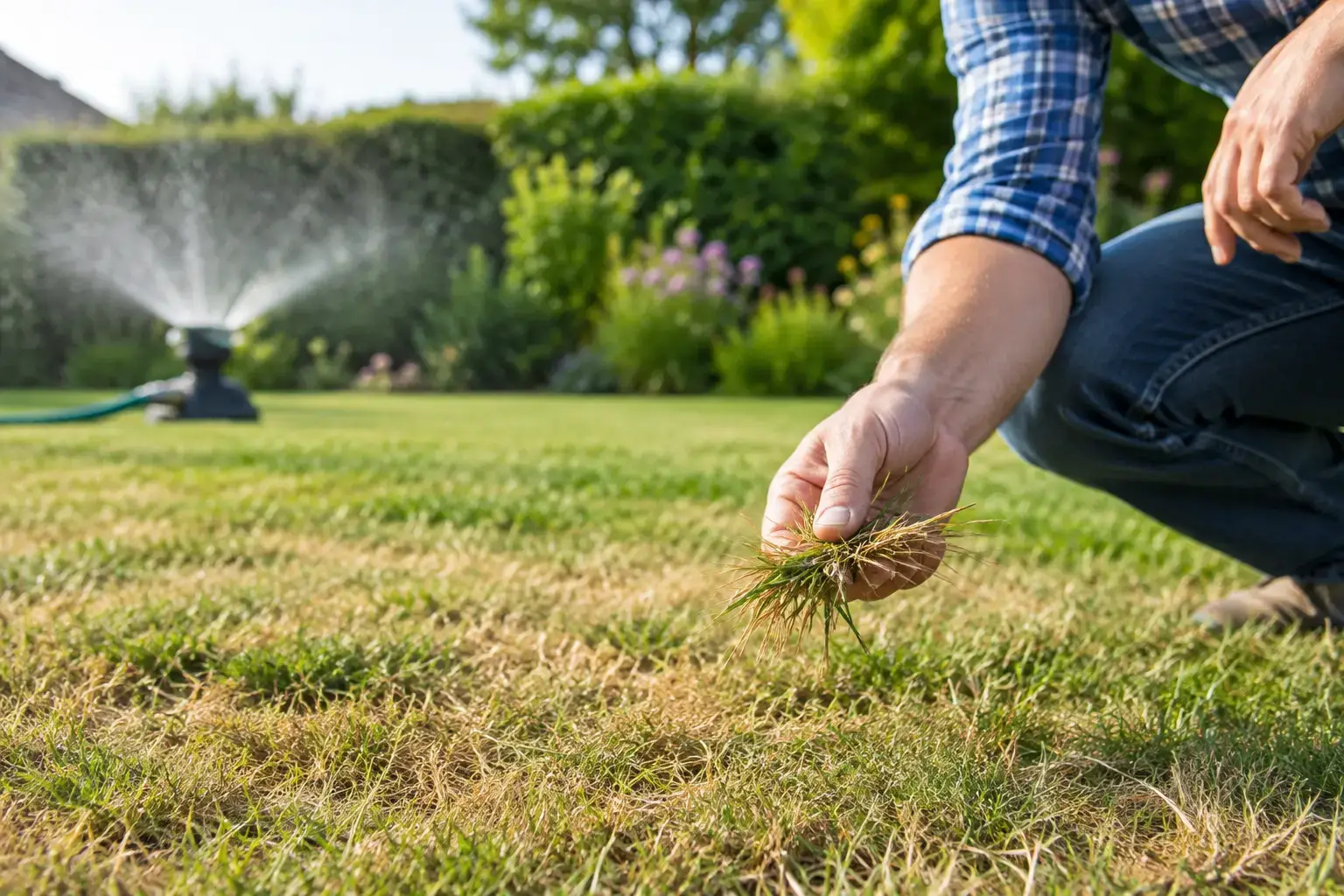
A lawn rarely turns brown because of one hot afternoon. Drought damage begins when repeated dry weather, close mowing and compacted soil leave grass unable to replace the moisture it loses. To prevent lawn drought damage, focus on the root zone well before the forecast turns warm. A lawn with deep roots, sound soil structure and the right grass species can withstand a British dry spell far better than one kept short, overfed and watered little and often.
Why lawns suffer in dry weather
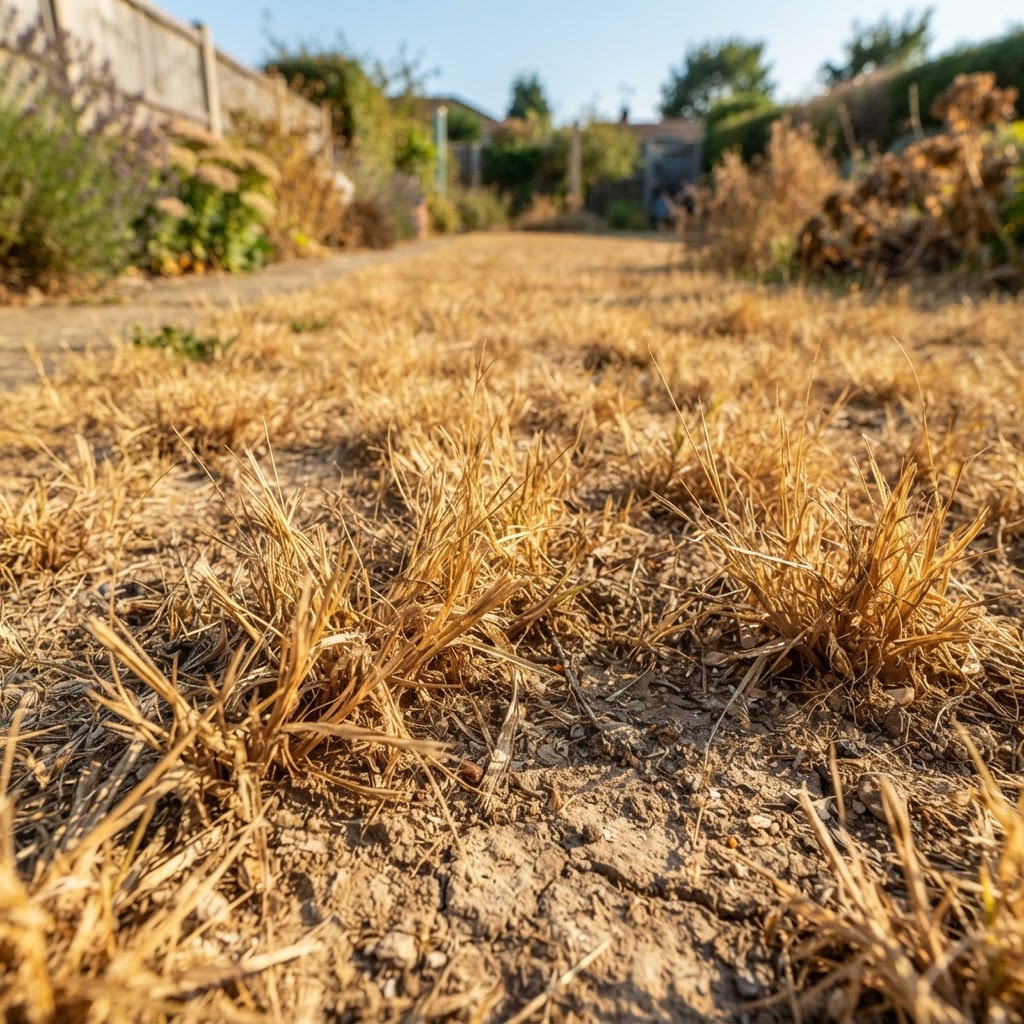
Grass plants lose water through their leaves every day. When soil moisture is available, the roots replace it and growth continues. When the soil dries, the plant closes its stomata to conserve moisture, growth slows and the leaf turns dull blue-grey before becoming brown. This is dormancy - a survival response - rather than immediate death.
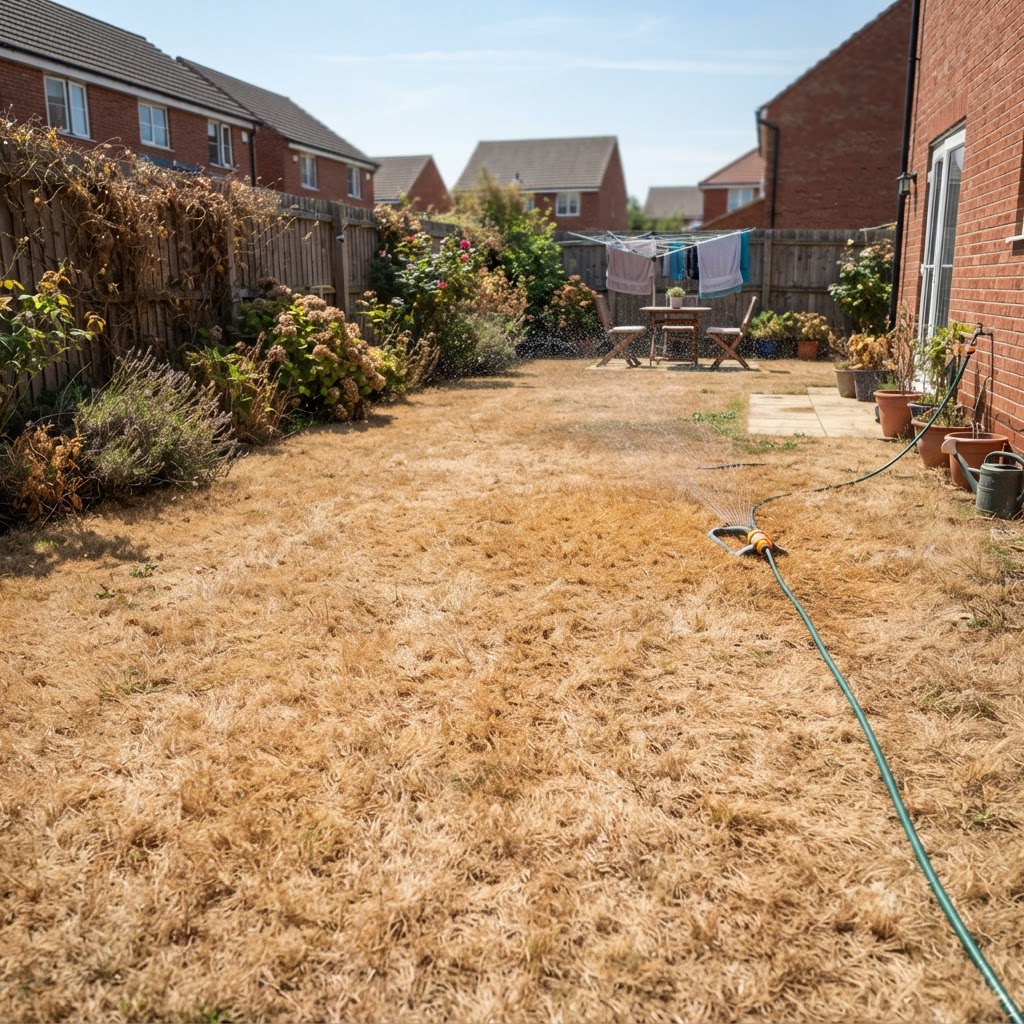
Established lawns often recover when rain returns. However, prolonged drought can kill plants where roots are shallow, the soil is compacted, or heat reflects from patios, walls and artificial surfaces. Newly seeded lawns are more vulnerable still because their root systems have not had time to reach moisture deeper in the profile.
The objective is not to force a lawn to look spring-green throughout every heatwave. It is to maintain enough root health and soil moisture for it to recover quickly, without creating weak, thirsty growth.
Prevent lawn drought damage before summer arrives
The most effective drought preparation takes place in spring and early autumn, when grass is actively rooting but temperatures are moderate. Treating a stressed brown lawn in July is usually remedial work. Improving the soil and plant beforehand is the proper fix.
Raise the mowing height
Close mowing is one of the quickest ways to weaken a lawn during dry weather. Short grass has less leaf area to shade the soil, so moisture evaporates faster. It also has fewer reserves to support root growth.
For a typical domestic utility lawn, raise the cutting height to around 40-50 mm during dry periods. Fine ornamental turf can be maintained lower, but only if it has irrigation, good drainage and a regular professional maintenance programme. Never remove more than one-third of the leaf blade in a single cut. If the lawn has become long after a holiday or a wet spell, reduce the height over two or three cuts rather than scalping it back in one pass.
Keep mower blades sharp. Torn leaf tips lose water more readily and give the lawn a pale, ragged appearance even when the underlying problem is simply mechanical damage.
Build soil that holds water and air
Many lawns dry out rapidly not because the soil is naturally light, but because years of foot traffic and mowing have compacted the surface. Water then runs across the lawn or sits briefly in puddles instead of moving down to the roots. Clay soils can also become hard and cracked in prolonged dry weather, while sandy soils drain too quickly to retain useful moisture.
Aeration relieves compaction and creates channels for rainfall, oxygen and roots. On compacted ground, use a hollow-tine aerator in autumn when the soil is moist and grass can recover. Solid tining can be useful for less severe compaction, but it does not remove the compressed soil core in the same way.
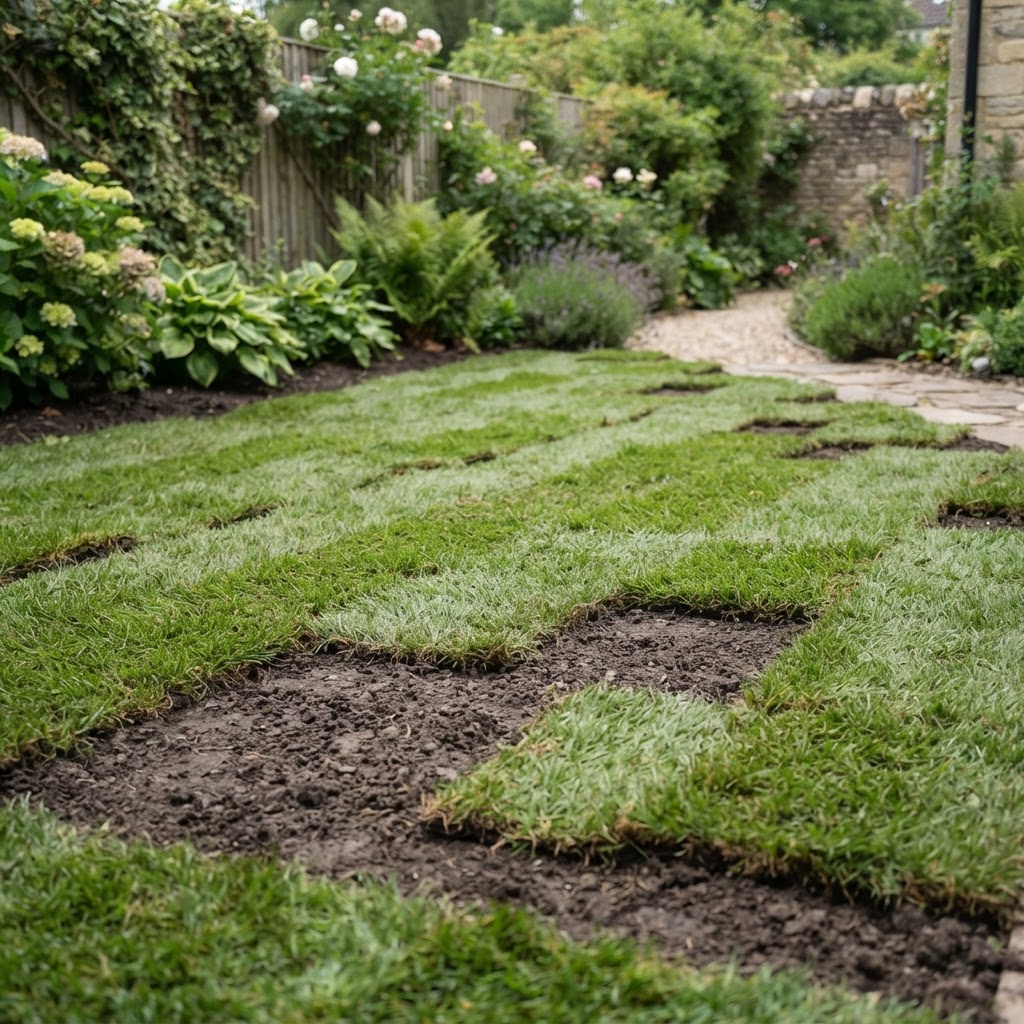
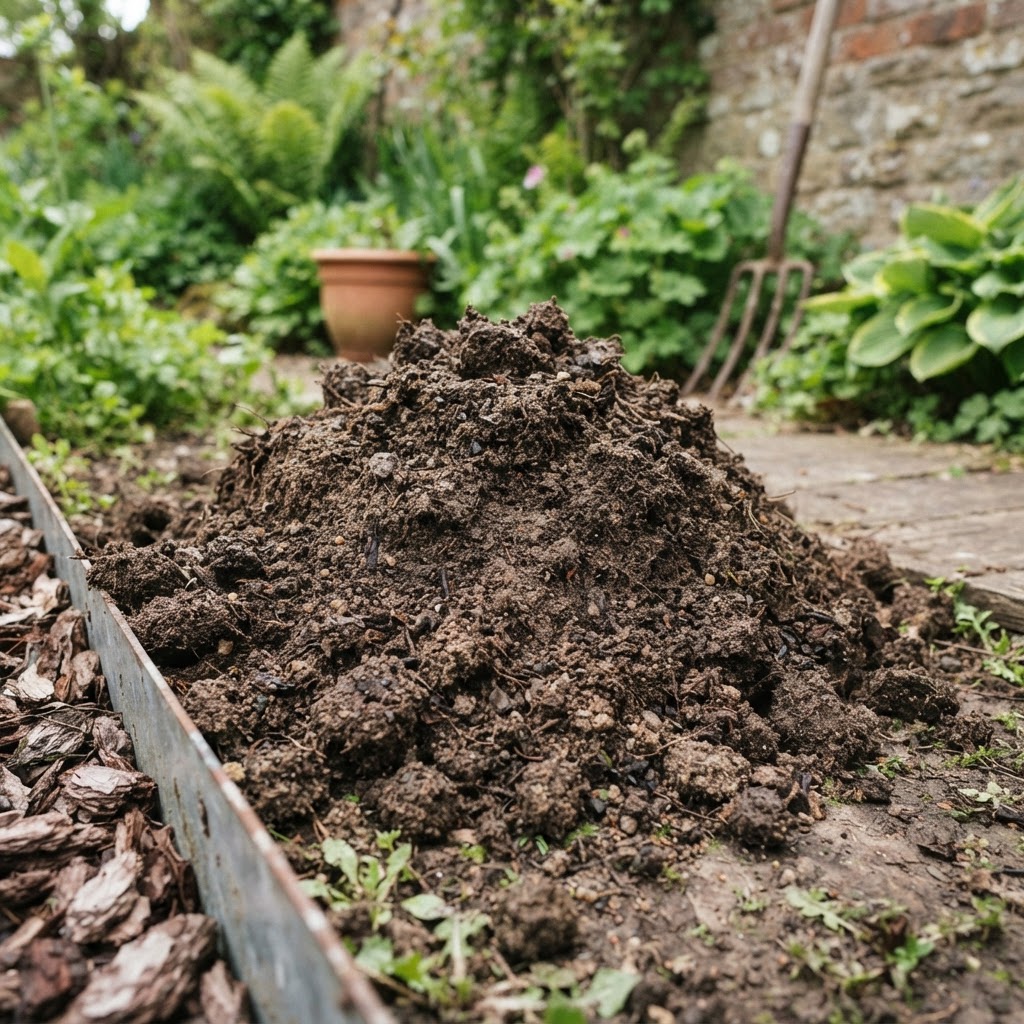
After aeration, brush in a suitable lawn dressing or quality soil conditioner where levels and soil structure require improvement. Do not apply a heavy layer that buries the grass. The purpose is to improve the upper root zone gradually, not to smother it. Repeating light top dressings over successive seasons produces a more stable result than one excessive application.
Feed for roots, not a flush of soft growth
A high-nitrogen feed can produce fast colour and leaf growth, but applying it during hot, dry conditions asks more of a lawn when water is limited. The grass may be unable to use the nutrients properly, and granular fertiliser left on dry foliage can scorch.
Use a balanced fertiliser in the active growing season, following the stated application rate and watering-in requirement. Before sowing or overseeding, a 6-9-6 pre-seeder fertiliser is useful because the higher phosphate content supports early root development without pushing excessive top growth. Once drought conditions are established, pause routine feeding until moisture returns and the lawn is growing again.
Potassium has a role in plant water regulation and general stress tolerance, which is one reason lower-nitrogen autumn formulations are valuable. They are not a cure for summer drought, but they help establish the root resilience that carries a lawn through the following season.
Water deeply, not constantly
A daily sprinkle wets the surface and encourages roots to remain there. Those shallow roots are the first to run out of water. When irrigation is necessary, apply enough water to moisten the root zone, then allow the surface to dry slightly before watering again.
For most established lawns, one thorough application of approximately 20-25 mm of water may be more useful than several light applications, depending on soil type, temperature, wind and recent rainfall. Sandy ground may need a smaller amount more often; heavier loam can hold moisture for longer. A simple rain gauge or straight-sided container will show what the sprinkler has actually delivered.
Water early in the morning where possible. Less is lost to evaporation than during the heat of the day, and the leaf has time to dry, reducing disease risk. Evening watering is preferable to watering at midday if it is the only practical option, but avoid leaving grass wet overnight on lawns with a history of fungal disease.
Check that water is penetrating rather than running off. If it pools or disappears down cracks without wetting the surrounding soil, aeration and gradual soil improvement should be scheduled for the next suitable season. Observe local hosepipe restrictions as well. During a formal restriction, protect newly established turf only where permitted and accept seasonal dormancy in established lawns.
Choose grass seed that can cope with dry spells
Not every lawn mix is built for the same conditions. Ryegrass provides quick establishment and hard-wearing cover, while fescues generally offer finer texture and better tolerance of lower fertility and drier ground. The correct balance depends on how the lawn is used, its soil type and whether it sits in full sun, shade or a mixture of both.
For exposed family lawns, tetraploid perennial ryegrass is particularly useful. Its larger seed, rapid 7-14 day establishment under suitable conditions, and naturally vigorous rooting make it a practical choice where wear and summer dryness are regular concerns. A blend containing ryegrass and suitable fescues can provide both durability and a more refined finish.
Do not sow during the peak of a heatwave unless you can irrigate consistently. Seed needs a reliably moist surface through germination, and a newly emerged plant can fail within hours if the top few millimetres dry out. Early autumn is usually the most dependable overseeding window in the UK: soils retain summer warmth, rainfall is more reliable, and weed pressure is often lower than in spring.
Ransley Pro Grow drought-tolerant and tetraploid ryegrass mixtures are engineered for this kind of establishment work, whether repairing worn patches or strengthening an entire lawn before the next dry period.
Know when brown grass needs action
A dormant lawn is usually evenly straw-coloured, with plants still firmly rooted in the soil. It may look tired, but it should begin to green after sustained rain. Avoid heavy raking, aggressive scarification and routine weed treatment while it is moisture-stressed. These jobs add further stress when recovery resources are limited.
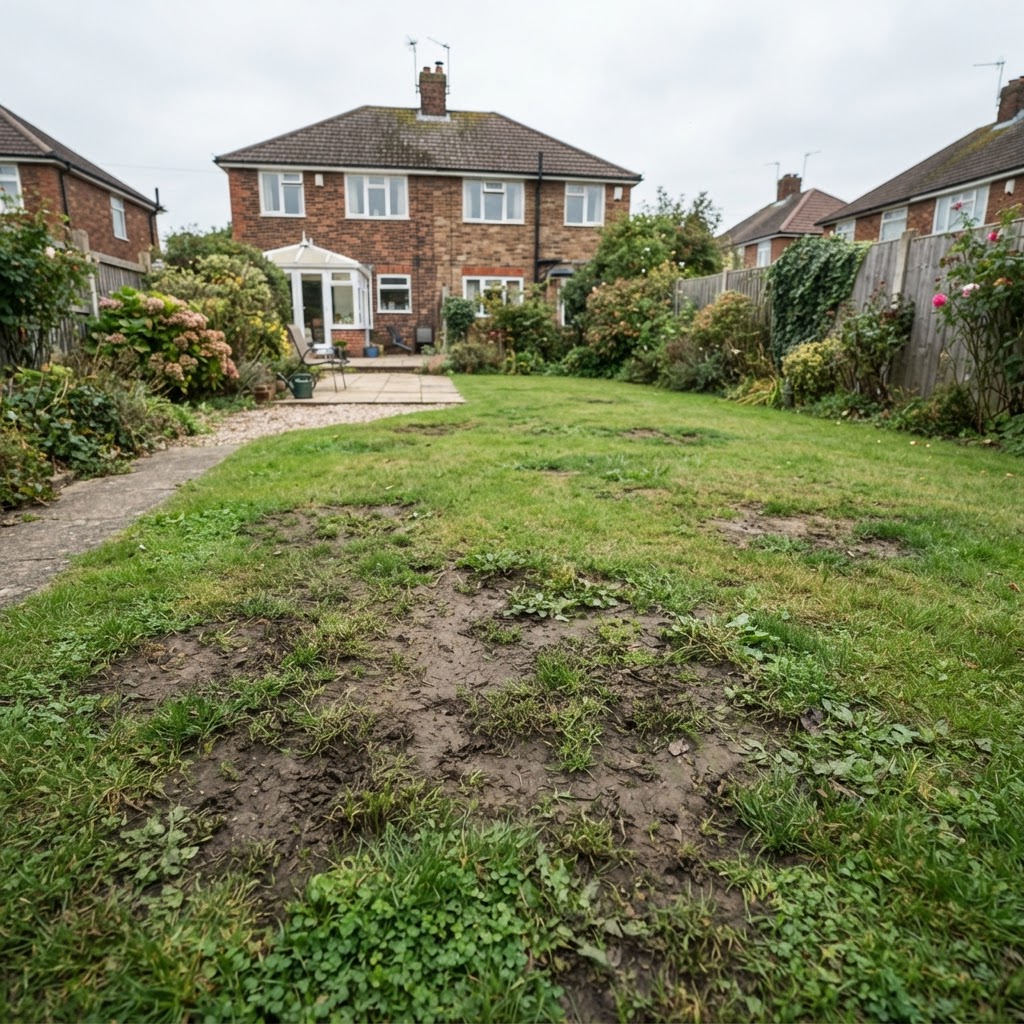
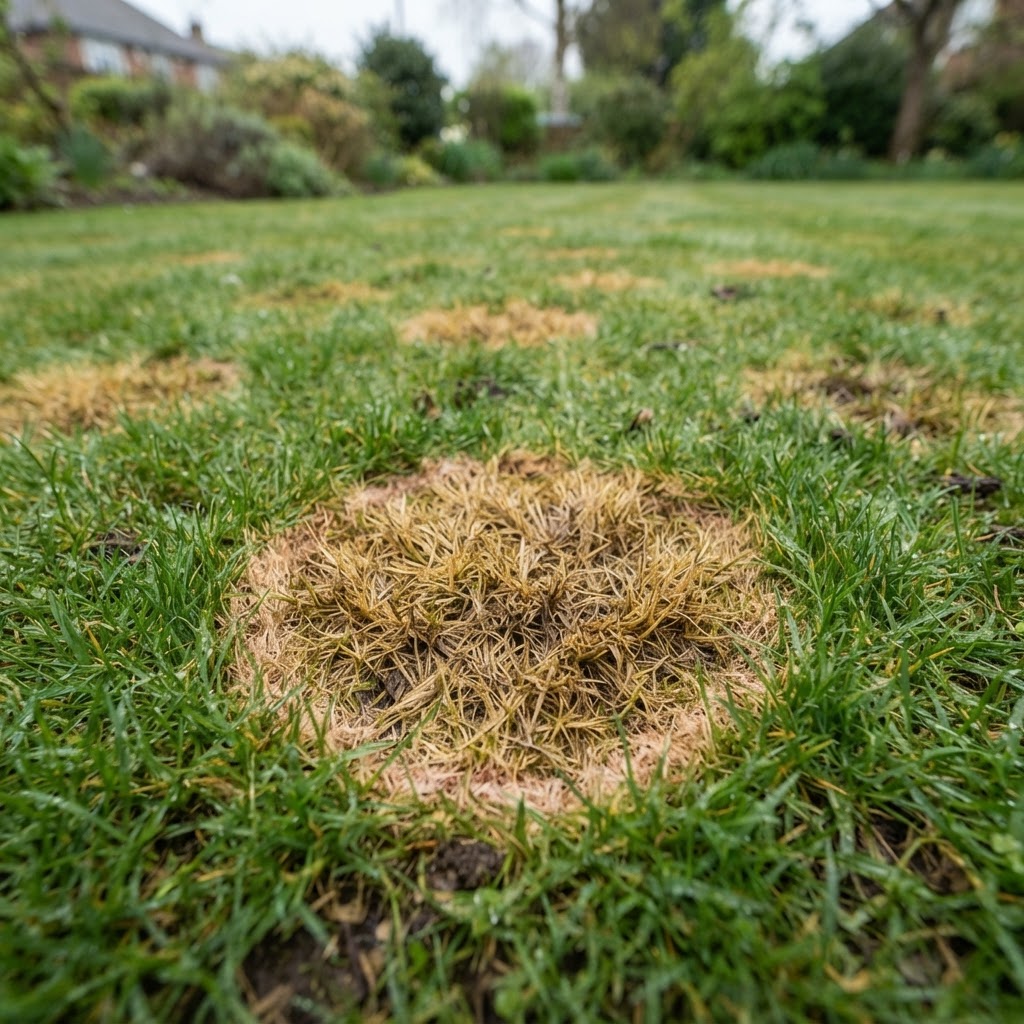
Patchy brown areas deserve closer inspection. Lift a small section of turf or tug gently at the grass. If it pulls away easily, look for chafer grubs, leatherjackets or root disease. If the ground is hard, dry and heavily trafficked, compaction is more likely. If the patch follows the edge of paving, a south-facing wall or a newly installed hedge, heat reflection and root competition may be the cause.
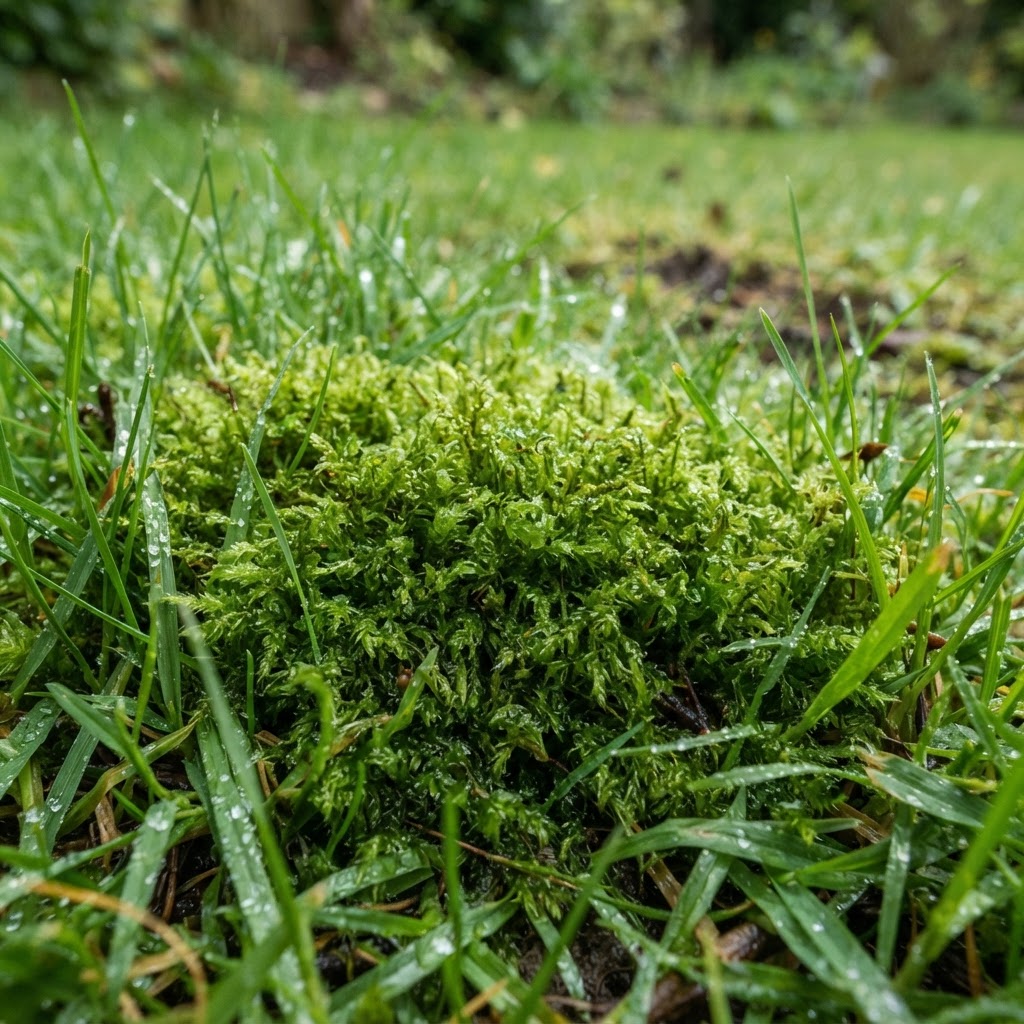
Moss is not usually a drought problem, but its presence often indicates weak grass and poor surface conditions. Deal with moss when the lawn is actively growing and moisture is available, then rake out the dead material and overseed the bare space. Killing moss in a dry, stressed lawn without a plan to restore grass simply leaves more exposed soil.
A drought-resilient lawn is built through steady maintenance rather than emergency treatment. Leave more leaf in summer, water with purpose when irrigation is justified, and use the cooler months to improve soil and root depth. When dry weather arrives, the lawn will be better equipped to pause, endure and return to colour when the rain does.