

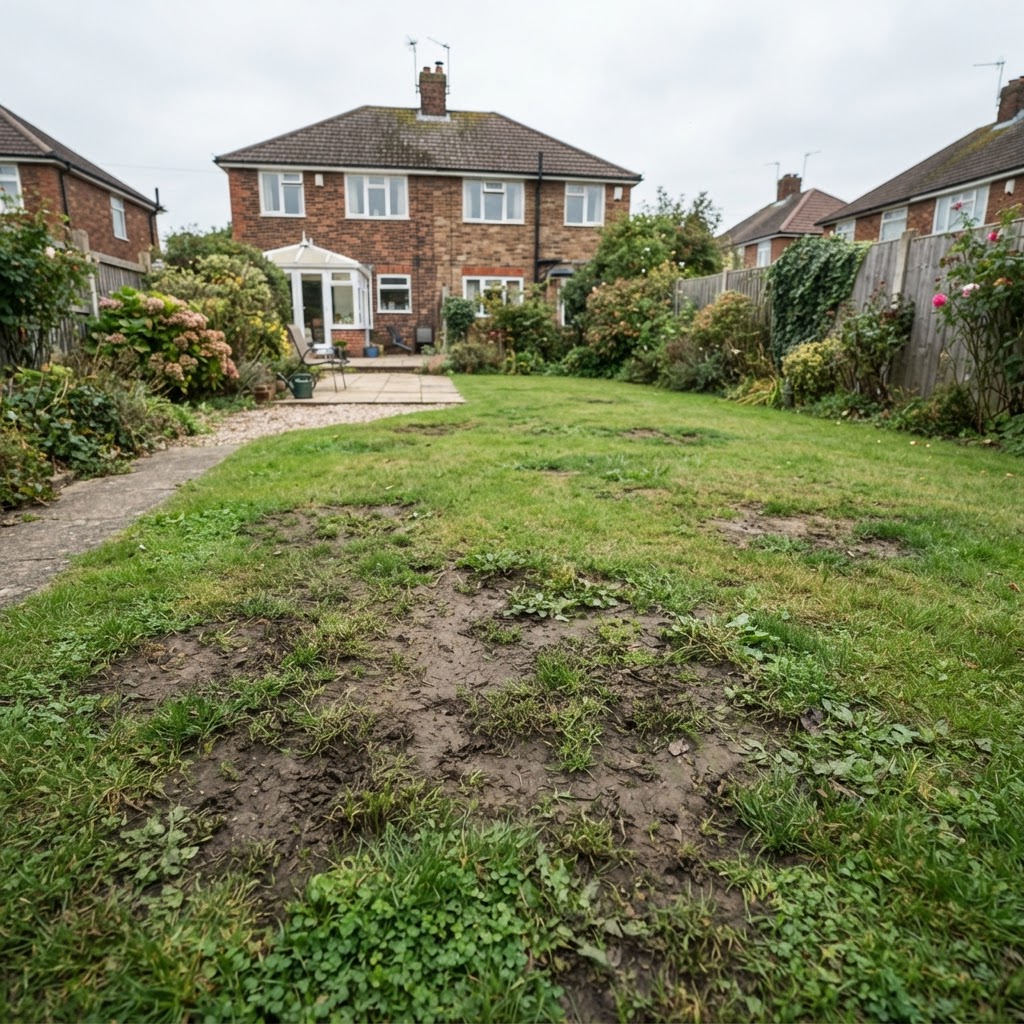

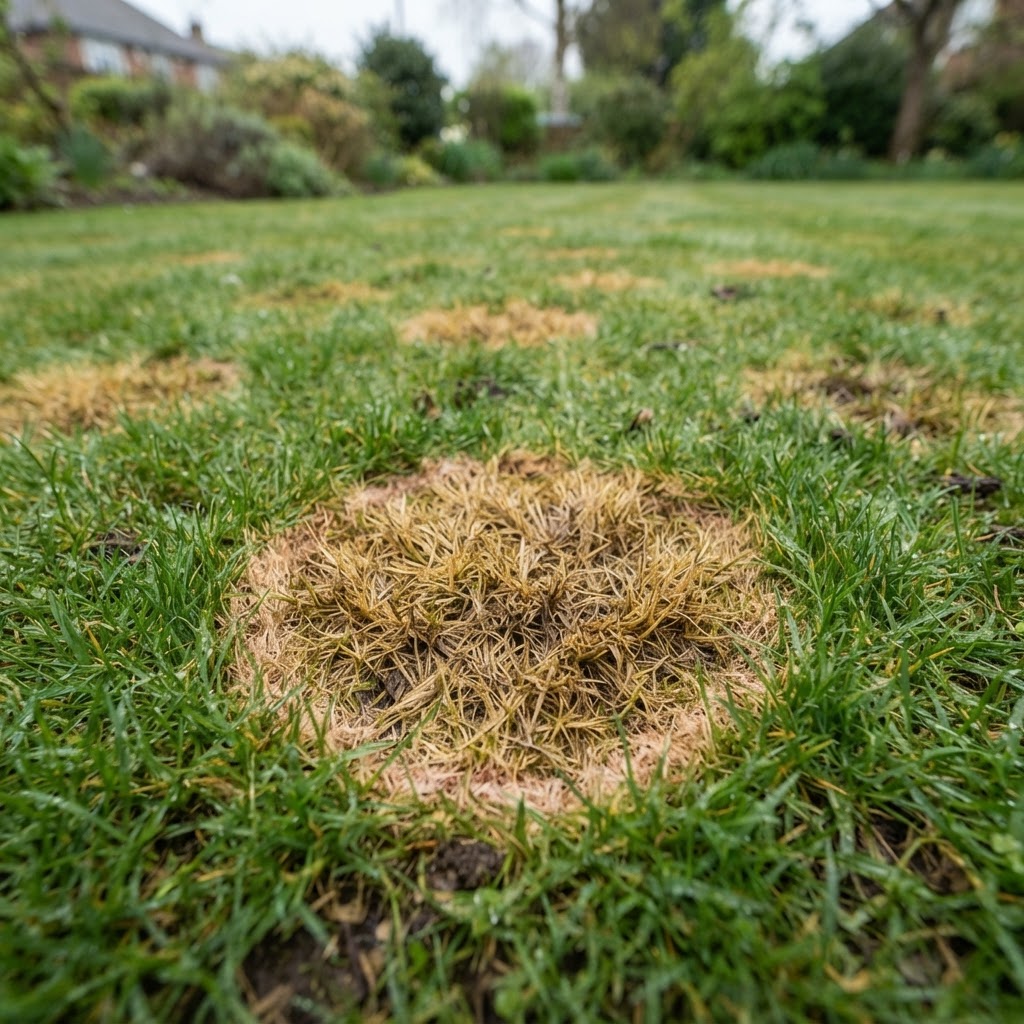
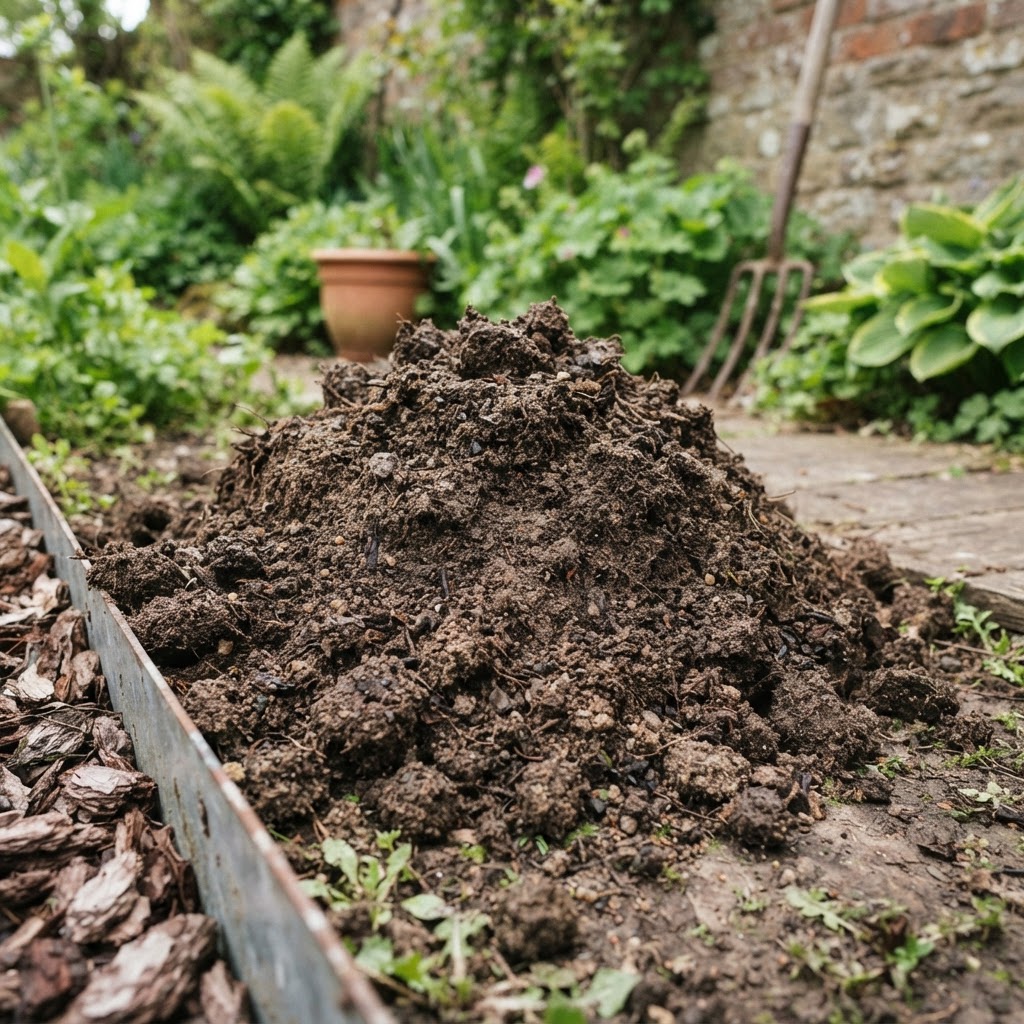
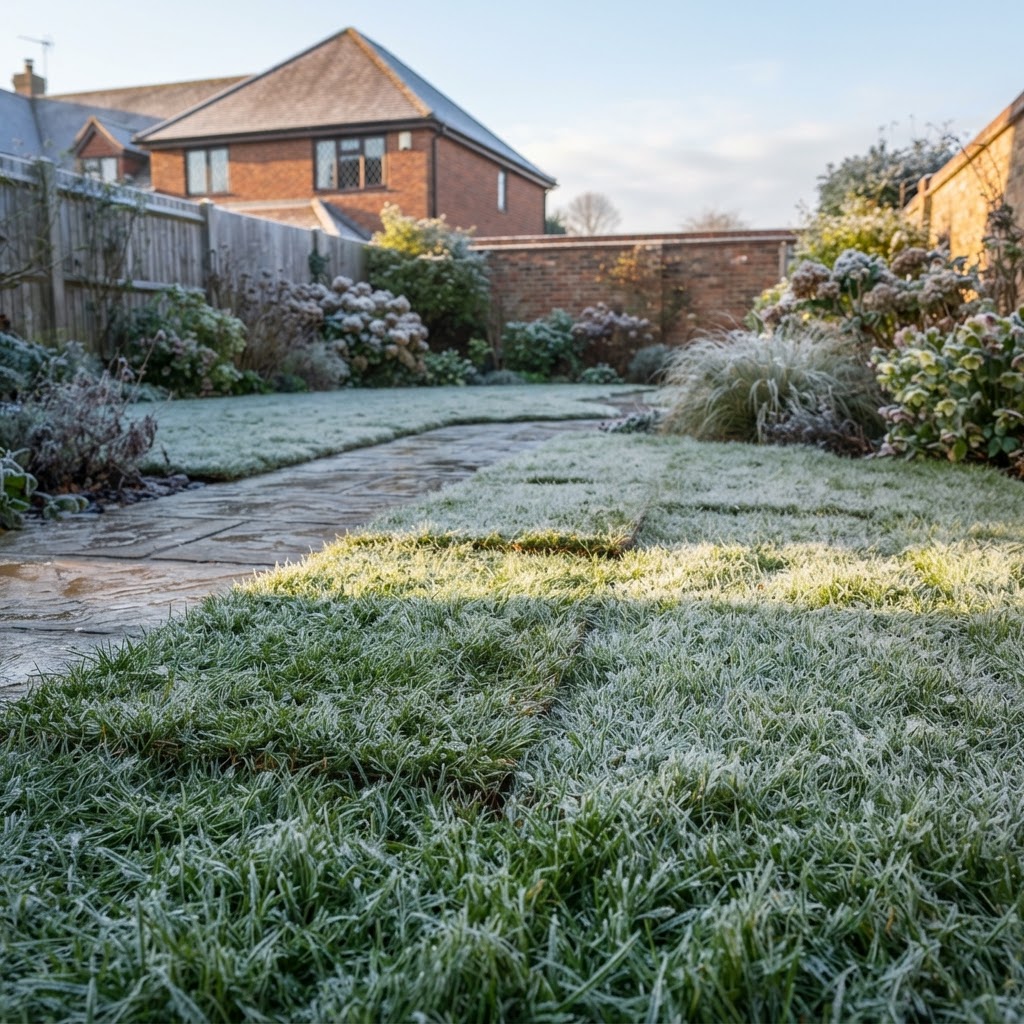

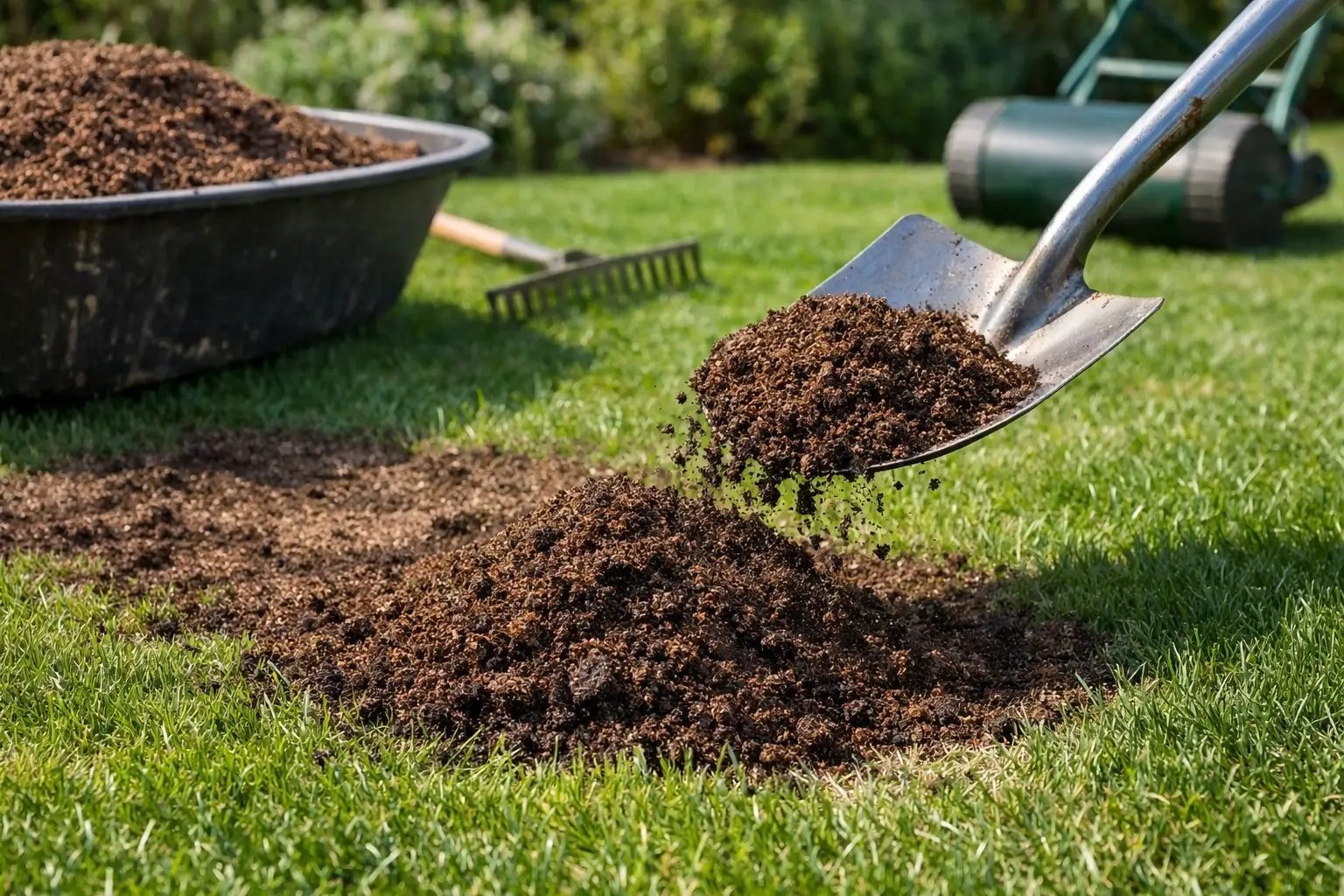
A lawn rarely fails for one dramatic reason. More often, it slips backwards because the surface is uneven, seed never quite makes good soil contact, or the top few millimetres dry out too quickly. That is where peat free lawn top dressing earns its place. Used properly, it helps create a firmer, more even surface, supports overseeding, and improves the working conditions around the crown of the grass plant without relying on peat.
What peat free lawn top dressing actually does
Top dressing is a fine, friable material spread in a thin layer over the lawn surface. On a domestic lawn, it is usually used to smooth minor undulations, improve seed-to-soil contact after overseeding, and help integrate aeration holes. On a higher-specification turf area, it also plays a part in refining surface levels and managing the upper rootzone.
The peat-free part matters for both environmental and practical reasons. Peat extraction damages peatland habitats and releases stored carbon. For many gardeners, that is reason enough to avoid it. From a turf point of view, a well-made peat-free dressing can also be more structurally useful than a peat-heavy mix, particularly where you want a stable surface rather than a soft, spongy layer that shrinks as it dries.
That said, not every peat-free product is equal. A bag labelled as top dressing still needs the right particle size, texture and blend for lawn use. If it is too coarse, too woody or too rich, it will sit on the sward rather than work into it.
When to use peat free lawn top dressing
The best timing depends on what job you want it to do. For most UK lawns, spring and early autumn are the main windows. Soil temperatures are usually suitable for recovery and, if you are overseeding, for germination as well.
If the lawn is thin and patchy after winter, a light dressing in spring can help cover seed and steady the surface. In early autumn, it is often even more effective because moisture levels are usually more reliable and grass can establish before hard frosts. For lawns that have been hollow tined or spike aerated, top dressing brushed into the holes helps improve surface porosity and reduces the temptation for the holes to cap over.
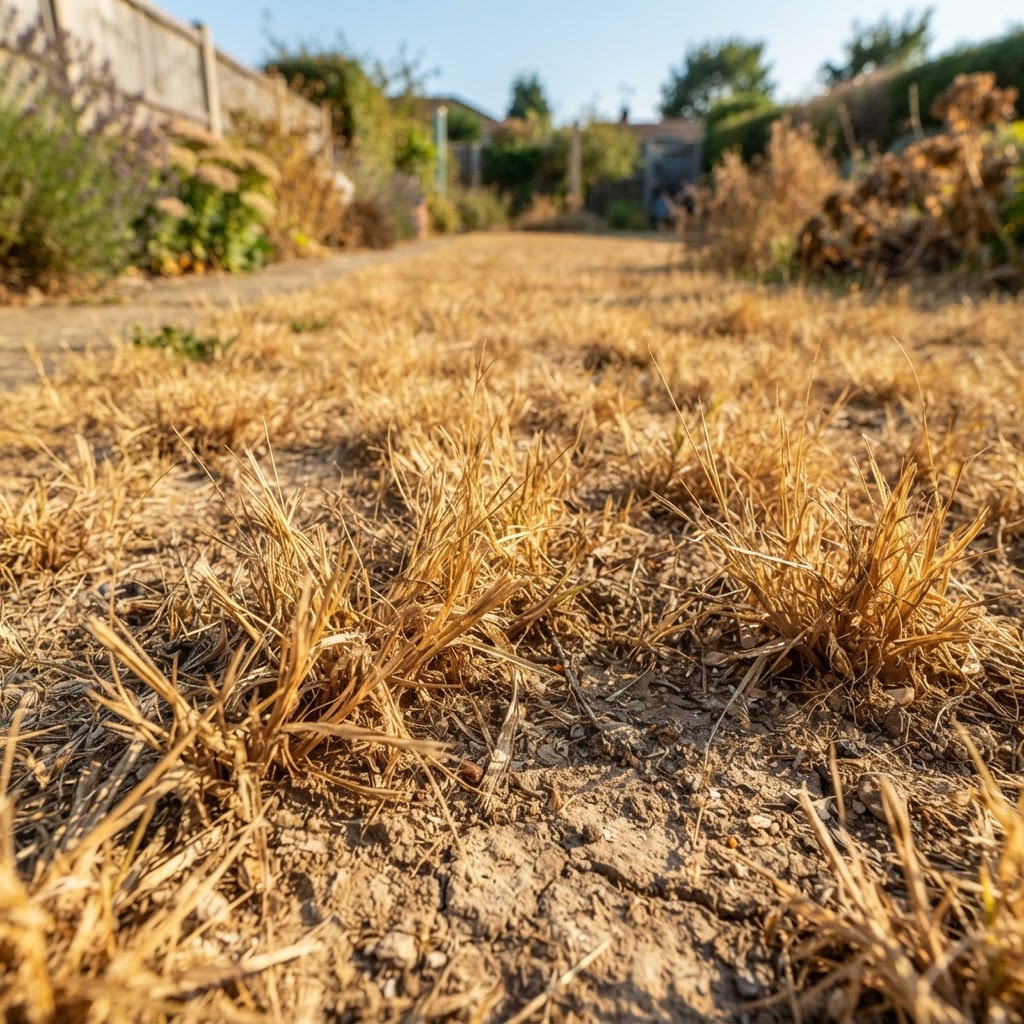
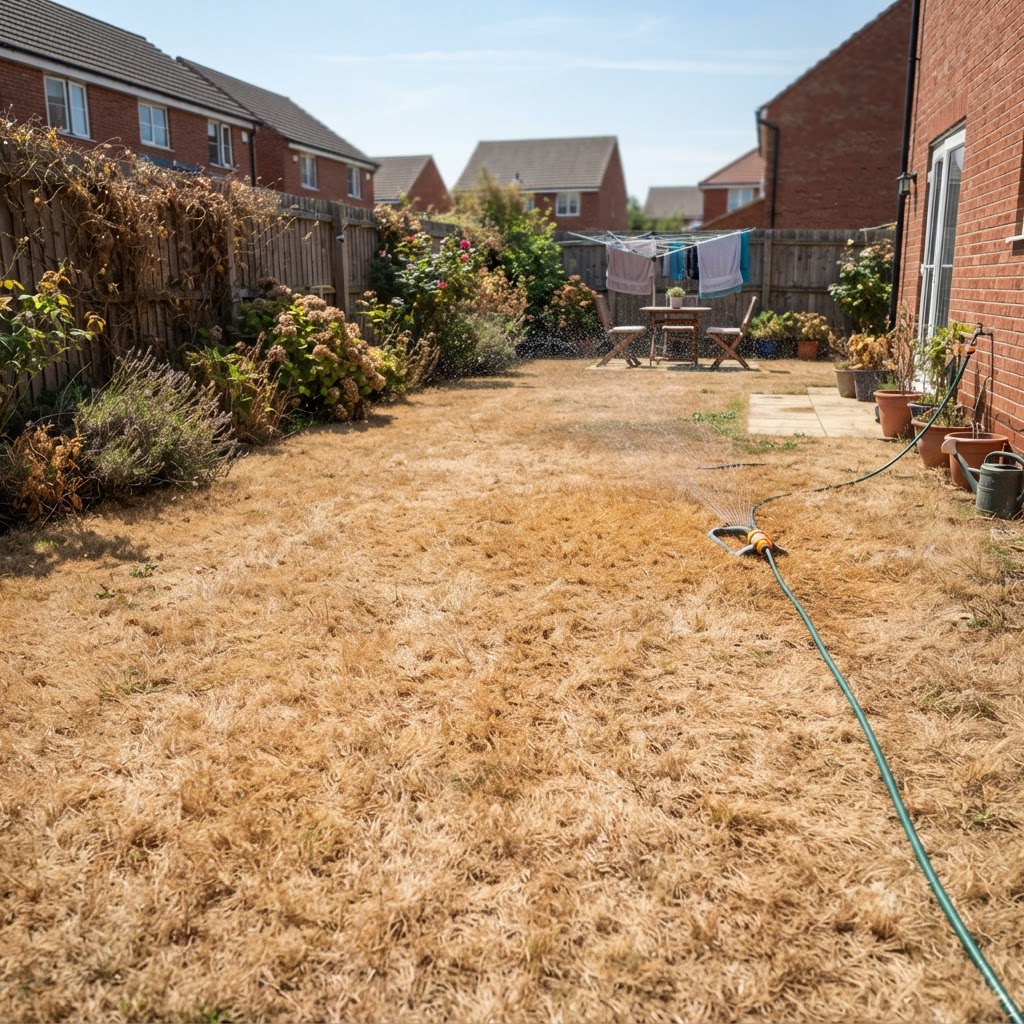
Avoid applying it in very dry heat unless you can irrigate properly. A dressing spread over drought-stressed turf can dry the surface further and leave new seed struggling. Equally, do not apply heavy dressings to waterlogged ground. You will only smear the surface and create more compaction where foot traffic follows.
What a good peat-free dressing should contain
A proper lawn top dressing is not the same as general-purpose compost. It should be screened finely enough to work down through the grass canopy, and it needs a mineral component to give body and stability.
In most cases, a peat-free lawn dressing will be based around sand, loam and a composted organic fraction. The exact ratio depends on the aim. More sand improves drainage and keeps the mix open, but a very sandy dressing on a heavy clay lawn can create layering if repeated without a wider soil improvement plan. More loam gives body and nutrient-holding capacity, but too much can make the surface cap or smear if the material is applied wet.
The composted organic element should be mature and consistent. Green compost can be useful in the right proportion, but it must be stable. If the material contains large chips, undecomposed fibres or variable lumps, it is not trade-standard lawn dressing. The finer and more uniform the blend, the easier it is to lute or brush into the sward.
For contractors and serious home lawn users, consistency matters as much as the ingredient list. A reliable blend should spread evenly, settle predictably and not introduce weeds or contaminants.
Peat free lawn top dressing and overseeding
One of the strongest uses for peat free lawn top dressing is after overseeding. Grass seed needs moisture, light and close contact with the soil surface. Scatter seed onto a dry, open lawn and much of it sits exposed to birds, wind and fluctuating temperatures. A light dressing changes that.
Applied at a few millimetres depth, it helps hold seed in place and reduces surface drying. It also improves the contact between seed and soil, which is one of the biggest factors in even germination. This is especially useful after scarification, when the lawn surface is more open and receptive.
There is a balance to get right. Too little dressing and the seed remains exposed. Too much and you bury fine seed too deeply, reducing emergence. For most overseeding work, you are aiming to just veil the seed, not lose it under a blanket of material.
If you are renovating thin areas, pairing top dressing with a suitable professional seed blend makes a visible difference. Faster-establishing ryegrass-based mixtures can help close wear-prone spaces quickly, while fescue-rich blends suit finer domestic lawns where texture matters as much as recovery speed.
How much should you apply?
This is where many lawns go wrong. Top dressing should usually be light and repeatable, not dumped on in one heavy hit. For routine dressing, 2mm to 5mm is often enough. That is sufficient to influence the surface without burying healthy grass.
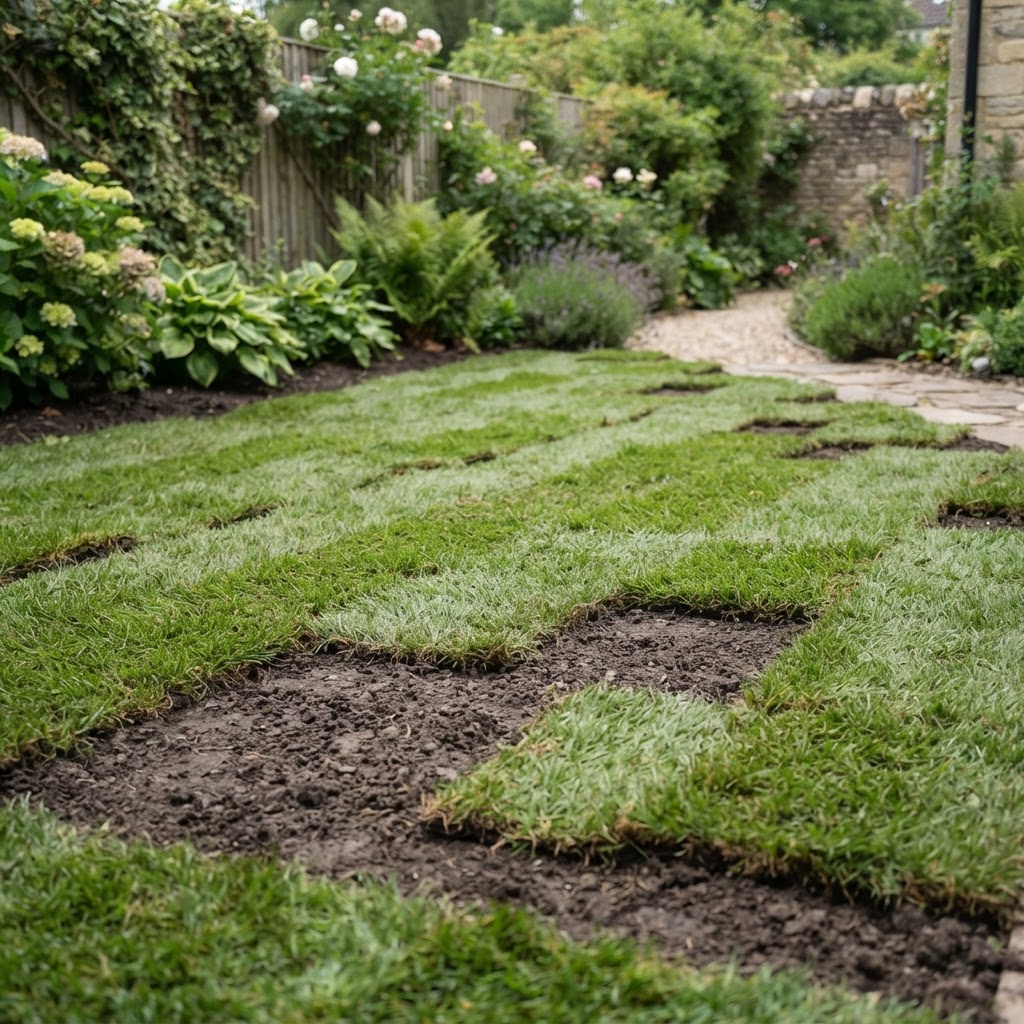
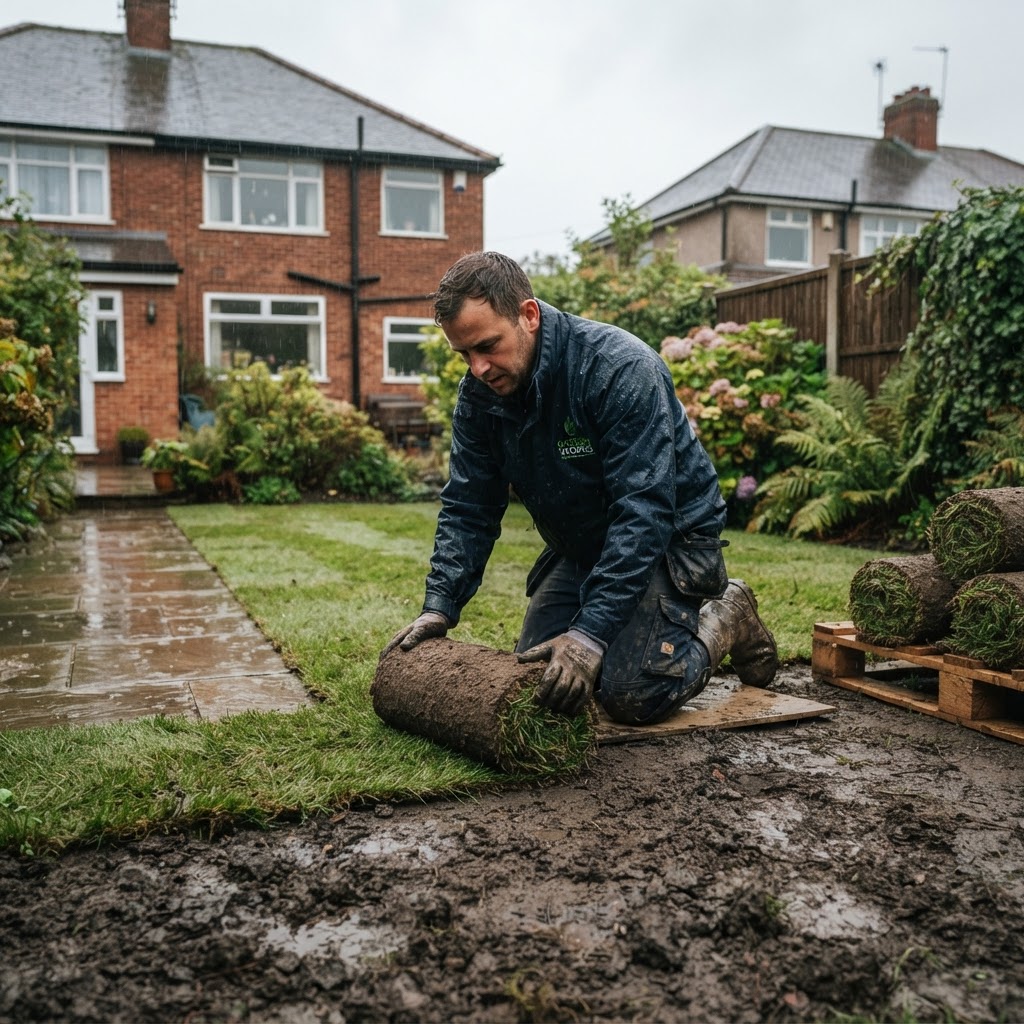
If you are trying to level hollows, build them gradually over multiple applications. Filling a dip in one go often leaves the surrounding turf buried, weak and yellowing. A better method is to apply enough to raise the low point slightly, brush it in well, let the grass grow through, then repeat if needed.
On very uneven lawns, top dressing alone may not be the full answer. If the issue comes from poor preparation, settlement, heavy worm casting or underlying compaction, you may need aeration, local lifting and relaying, or more substantial renovation work.
How to apply it properly
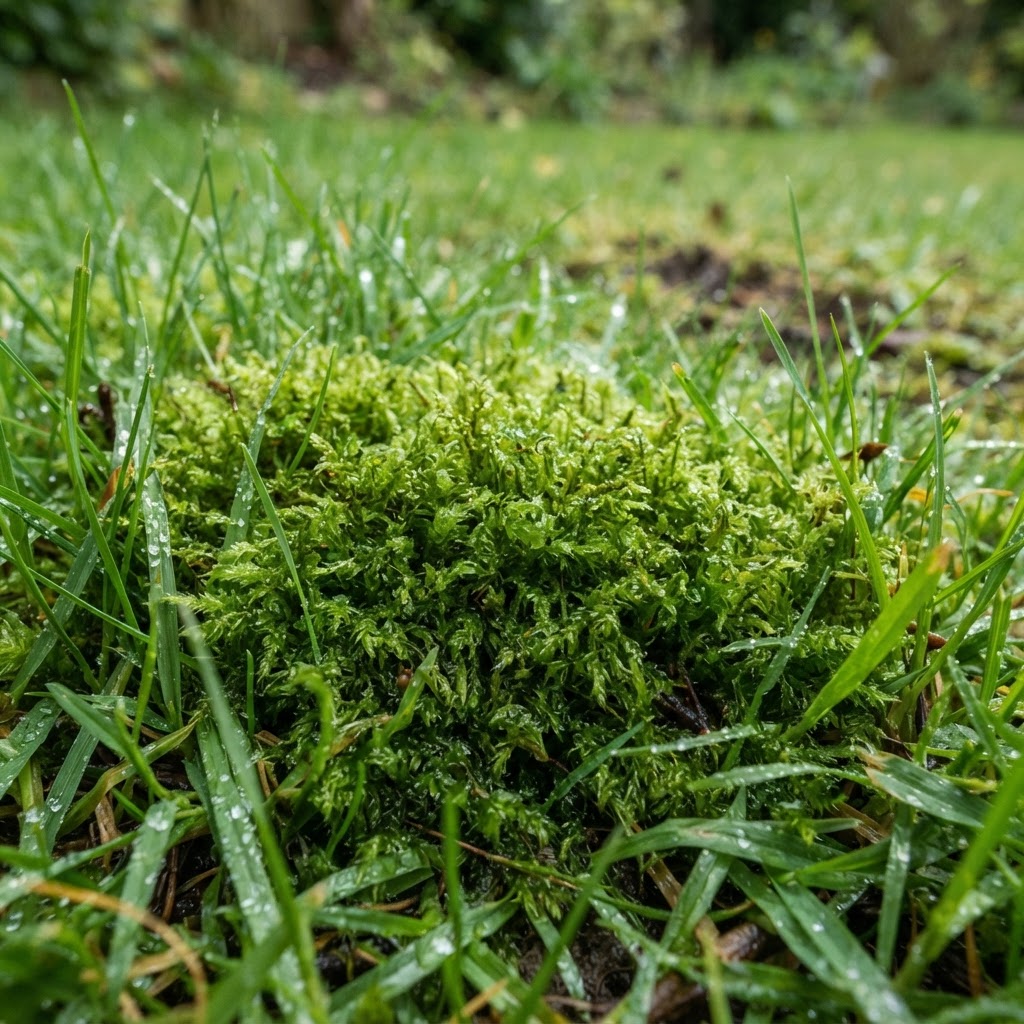
Preparation decides the result. Mow first, keeping the cut sensible rather than scalping. If thatch is heavy, scarify lightly so the dressing can reach the surface rather than resting on a felted layer. If compaction is part of the problem, aerate before dressing.
Spread the material evenly in small heaps or light lines, then work it in with the back of a lute, a drag mat or a stiff brush. The aim is to move the dressing down around the grass plants until the leaf is still visible. You should not be looking at a buried lawn.
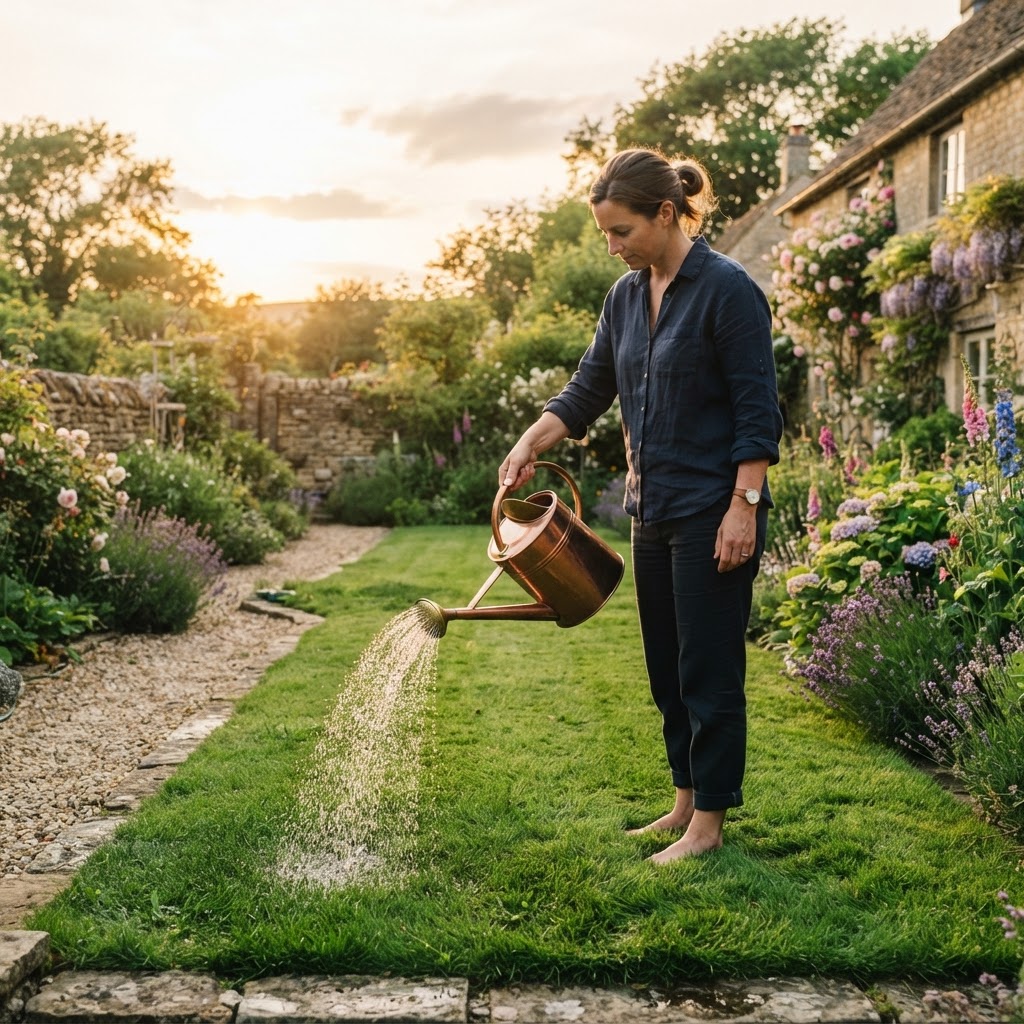
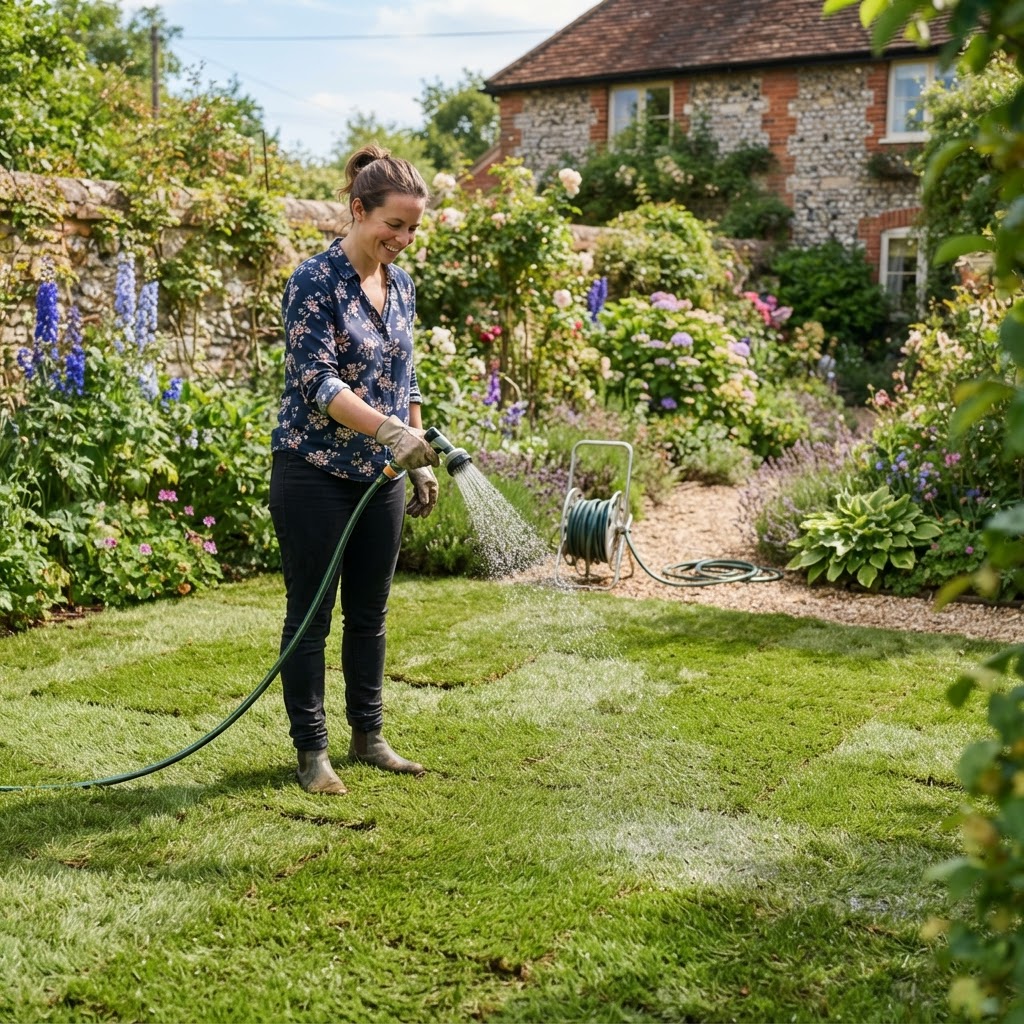
For overseeding, seed can be applied just before or just after dressing depending on method, but most lawn specialists prefer seed first, then a light dressing over the top. Finish by watering gently if conditions are dry. Not a flood - just enough to settle the material and keep the upper surface moist.
On larger areas, mechanical spreaders can save time, but they only work well if the dressing is dry enough and graded consistently. Sticky, uneven material does not spread cleanly, however good the machine.
Common mistakes with peat-free dressings
The first is using multipurpose compost instead of a lawn dressing. It is usually too light, too rich and too coarse. It may be excellent for borders and containers, but lawns need something more controlled.
The second is applying too much in one application. Grass can recover through a light dressing. It struggles through a thick one.
The third is ignoring the existing soil type. On a clay-based lawn, repeatedly applying a very sandy dressing can create a distinct layer at the surface if you are not also aerating and improving integration. On a light, free-draining lawn, a dressing with more loam and organic matter may hold moisture better around new seed.
The fourth is expecting top dressing to correct nutrition on its own. A dressing can support establishment, but it is not a substitute for a measured fertiliser programme. If you are sowing or renovating, a pre-seeder fertiliser with a balanced analysis such as 6-9-6 is designed to support root development far more precisely than hoping the dressing carries enough available nutrient.
Choosing the right product for a UK lawn
For most domestic and landscape use, look for a peat-free lawn top dressing that is screened, fine textured and designed specifically for turf rather than beds and borders. Ask what the base materials are. Ask whether it is suited to overseeding, levelling or dressing after aeration. If the specification is vague, that usually tells you enough.
A dependable supplier should be able to explain the intended use, expected coverage and how the blend behaves in British conditions. That matters far more than a fashionable label. At Ransley Pro Grow, the principle is simple: use trade-standard materials engineered for the job, rather than forcing a general garden product to do specialist turf work.
Peat free lawn top dressing is not a miracle cure, and it is not meant to be. It is a precise tool. Used at the right time, at the right depth and for the right purpose, it helps the lawn recover cleaner, establish thicker and finish more evenly. If your aim is a better surface rather than a quick cosmetic fix, it is one of the soundest improvements you can make.