














Lawn Care Blog

Expert tips, guides, and advice for your perfect lawn

product guide
10/1/2026

The Importance of Using BS-3882 Sandy Loam Topsoil

A healthy lawn starts beneath the grass. Here's why BS-3882 certified sandy loam topsoil gives a new lawn the best possible start — and why recycled soil so often ends in disappointment.

Read More →
The Benefits of Turf: Why a Living Lawn Works Harder Than You Think
lawn care
9/30/2026

The Benefits of Turf: Why a Living Lawn Works Harder Than You Think

Turf isn't just a surface to look at and walk on — it absorbs rainfall, cools the air, captures carbon and filters pollutants. Here's how a living lawn does all of it, and why the soil beneath is the key.

Read More →
When to Feed New Turf: A UK Aftercare Guide
lawn care
9/23/2026

When to Feed New Turf: A UK Aftercare Guide

Newly laid turf can transform a garden quickly, but the first few weeks are important. Good watering helps the turf root into the soil, while feeding at the right time supports healthy, dense growth without stressing the young lawn.

Read More →
September 2026 Lawn Diary
seasonal
9/11/2026

September 2026 Lawn Diary

The rain is finally here after a long dry spell. With warmth still in the soil, September is the perfect window to repair, reseed, feed and revive tired lawns. Here's your complete month-by-month guide.

Read More →
September Lawn Care: Seeding, Feeding & Repairing After the Summer Heatwave
seasonal
9/11/2026

September Lawn Care: Seeding, Feeding & Repairing After the Summer Heatwave

The rain has finally arrived after a scorching summer. Here's your complete September guide to reviving, feeding, and repairing your lawn while the growing conditions are perfect.

Read More →
Bare Lawn Patches: Why Grass Won't Grow & How to Fix Them
lawn care
8/18/2026

Bare Lawn Patches: Why Grass Won't Grow & How to Fix Them

Keep getting bare patches in your lawn? Discover why grass won't grow, how to prepare the soil, choose the right grass seed and repair bare lawn areas successfully.

Read More →
The Hidden Danger: Why Fertilising a Drought-Stressed Lawn Can Do More Harm Than Good
seasonal
8/13/2026

The Hidden Danger: Why Fertilising a Drought-Stressed Lawn Can Do More Harm Than Good

Reaching for the fertiliser bag when your lawn turns yellow in a drought is one of the most damaging things you can do. Here's why — and what to do instead.

Read More →
Watering New Turf During a Hosepipe Ban: What You Need to Know
lawn care
8/7/2026

Watering New Turf During a Hosepipe Ban: What You Need to Know

Keep new turf alive during a UK hosepipe ban with this practical lawn care guide — watering cans, water butts, greywater tips, and warning signs to watch for.

Read More →
The Truth About Brown Summer Lawns: Why Your Grass Isn't Dead (Yet)
lawn care
8/2/2026

The Truth About Brown Summer Lawns: Why Your Grass Isn't Dead (Yet)

Is your UK lawn looking crisp and straw-colored after dry weather? Discover why grass goes dormant, how soil health affects recovery, and how to help your lawn bounce back.

Read More →
Watering a Newly Laid Lawn During a Hosepipe Ban: What UK Homeowners Need to Know
lawn care
7/2/2026

Watering a Newly Laid Lawn During a Hosepipe Ban: What UK Homeowners Need to Know

A hosepipe ban doesn't have to spell disaster for your newly laid lawn. Discover practical, legal watering strategies to keep new grass alive and thriving, plus expert advice from Ransley Pro Grow on choosing the right seed to give your lawn the best chance of survival during dry spells.

Read More →
Laying Fresh Turf in Wet Weather: Why Now is the Perfect Time
lawn care
2/24/2026

Laying Fresh Turf in Wet Weather: Why Now is the Perfect Time

Despite the recent wet conditions, it's an excellent time to lay fresh turf. Discover how Ransley Pro Grow's premium products can help you establish a lush, healthy lawn.

Read More →
Unlocking the Secrets of a Healthier Lawn: Effective Moss Control and Lawn Care
lawn care
2/12/2026

Unlocking the Secrets of a Healthier Lawn: Effective Moss Control and Lawn Care

Discover how to transform your lawn into a lush, green paradise by understanding and effectively managing moss growth. Learn practical tips and product recommendations to achieve a healthier, more resilient turf.

Read More →
Winter Lawn Care: Combatting Moss and Supporting Grass Growth in January
lawn care
1/29/2026

Winter Lawn Care: Combatting Moss and Supporting Grass Growth in January

January's damp conditions can lead to moss proliferation in lawns. Discover effective strategies to control moss and support grass health during the winter months.

Read More →
Understanding Fusarium Patch Disease and Effective Solutions for Your Lawn
lawn care
12/7/2025

Understanding Fusarium Patch Disease and Effective Solutions for Your Lawn

Fusarium patch, also known as snow mould, is a prevalent lawn disease that can cause significant damage if not addressed promptly. This comprehensive guide explores the causes, symptoms, and effective treatments for Fusarium patch, with a focus on products from Ransley Pro Grow to help you maintain a healthy, vibrant lawn.

Read More →
The Importance of Using BS-3882 Sandy Loam Topsoil from Ransley Pro Grow
lawn care
12/2/2025

The Importance of Using BS-3882 Sandy Loam Topsoil from Ransley Pro Grow

** Discover why selecting high-quality BS-3882 Sandy Loam Topsoil from Ransley Pro Grow is essential for a healthy lawn, and understand the risks associated with using recycled soil.

Read More →
Will Frost Affect My New Turf Lawn?
lawn care
11/27/2025

Will Frost Affect My New Turf Lawn?

Frost is a common concern for homeowners installing new turf lawns. Understanding how frost impacts grass and implementing proper care can ensure your lawn thrives even in colder months.

Read More →
Winter Lawn Care: Essential Tips for a Healthy Lawn
lawn care
11/26/2025

Winter Lawn Care: Essential Tips for a Healthy Lawn

** Discover expert advice on winter lawn care, including essential tips and product recommendations to keep your lawn healthy and vibrant during the colder months.

Read More →

9 Lawn Mowing Tips for a Healthier Lawn

9 Lawn Mowing Tips for a Healthier Lawn

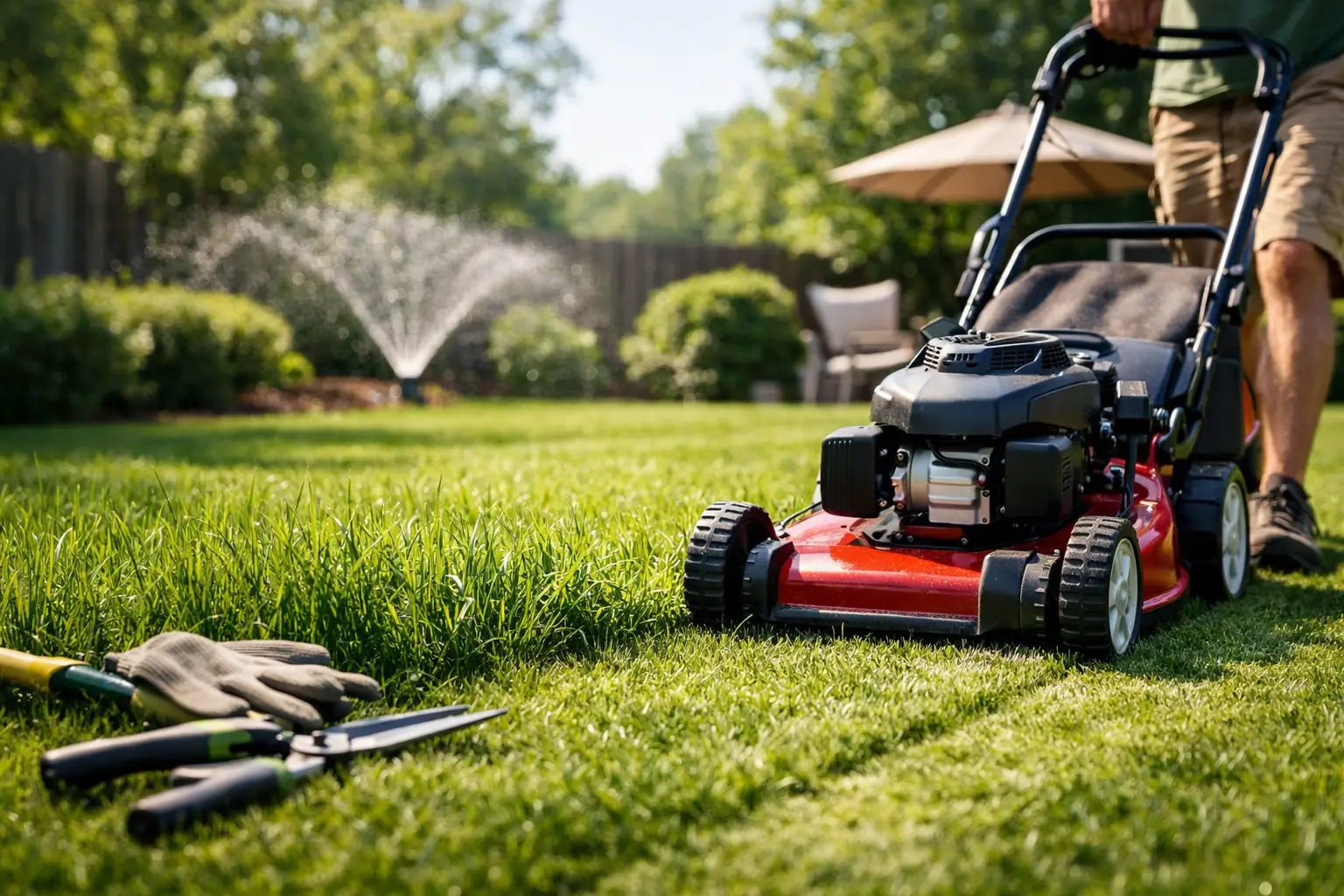
A lawn rarely fails because it was mown too little. More often, it struggles because it was cut too short, too often, or with a blunt blade. Good Lawn Mowing tips are not about chasing stripes alone - they are about protecting leaf area, preserving root strength and helping the sward outcompete moss, weeds and drought stress.

For most UK lawns, mowing is the maintenance job you will do more than any other. Get it right and the grass thickens, recovers faster and keeps a better colour through the season. Get it wrong and even quality seed and fertiliser will spend half the year correcting avoidable damage.

Lawn Mowing tips that actually improve turf health

The first rule is simple - do not remove too much leaf in one cut. A useful trade-standard guide is the one-third rule: never take off more than one-third of the grass blade at a time. When you scalp a lawn, the plant loses too much photosynthetic surface in one go. That slows recovery, weakens the root system and opens the door to weed ingress.

Height matters just as much as frequency. For a typical family lawn, aim to keep grass around 25-40mm through the main growing season. If the lawn is fine, ornamental and well managed, you may mow lower. If it is in shade, on light soil, or under summer stress, raise the height rather than forcing a tight cut. A slightly taller sward shades the soil, holds moisture better and usually produces a denser finish.

Sharp blades are non-negotiable. A blunt mower does not cut cleanly - it tears. Those frayed tips turn pale or brown, making the lawn look dry even when nutrition is adequate. Torn leaf tissue also leaves the plant more vulnerable to disease pressure. If your lawn looks greyish or ragged a day after mowing, inspect the blade before changing anything else.

When to mow and when to leave it alone

Mow when the grass is dry enough to cut cleanly. Wet mowing clumps the clippings, smears the finish and puts more strain on the machine. It also increases the chance of rutting soft ground, especially in spring and autumn.

Timing through the week matters less than timing through the weather. During periods of rapid spring growth, you may need to mow every five to seven days. In summer, frequency depends on rainfall, feeding and soil type. A lawn on fertile ground with a spring and summer feed will move far quicker than one on poor, dry soil. In hot, dry spells, mowing less often and at a higher setting is usually the better call.

Do not mow during frost, drought stress or waterlogged conditions. Frosted leaf blades are brittle and damage easily under foot and wheel pressure. In drought, a close cut accelerates moisture loss. On saturated ground, the mower compacts the surface and can shear the roots rather than trim the top growth.

Seasonal mowing changes most people miss

In spring, resist the urge to cut too low on the first pass. Start with a higher setting to remove the top cleanly, then lower gradually over the next few cuts if needed. This is particularly important on lawns being brought back after winter moss, worm casts or soft ground.

In summer, your mowing height should respond to stress. If colour is fading or the lawn is slowing down, do not assume it needs more cutting for a neater finish. Often it needs more leaf left behind. Raising the mowing height by even 5-10mm can make a visible difference to moisture retention and recovery.

In autumn, keep mowing while the grass is still growing, but do not maintain peak summer frequency out of habit. Growth rates fall as soil temperatures drop. The final cuts before winter should tidy the lawn without leaving it cropped too hard. A lawn entering winter slightly longer is usually better protected than one shaved for appearance.

Clippings, stripes and common mistakes

Grass clippings are not always the enemy. If you are mowing regularly and only removing a small amount, fine clippings can break down quickly and return some nitrogen to the surface. If growth has got away from you, collect the heavier cuttings. Thick clumps block light, hold excess moisture and can encourage patchiness beneath.

Stripes are mainly a result of lay, not lower cutting. Many homeowners chase a shorter finish hoping for a more professional appearance, but that often creates a thinner lawn. A healthy, upright, well-fed sward with a clean cut will usually look better than one cut too tight.

The most common mowing errors are predictable: cutting too short, mowing with a blunt blade, sticking to one direction every time, and ignoring the weather. Changing direction helps prevent grain and rutting. Checking blade condition every few weeks during peak growth saves a lot of cosmetic damage.

If your lawn is patchy, shaded or recovering from weed and moss pressure, mowing should support the recovery plan rather than fight it. After overseeding, for example, wait until the new grass is well rooted and tall enough to take a light first cut. On newly established areas, a careful higher cut encourages tillering without tearing young plants out.

A good lawn is not built by mowing more aggressively. It is built by mowing with purpose - correct height, sharp blades, sensible timing and adjustments for season and stress. That is the sort of routine that gives better density, better colour and far fewer problems to put right later.