




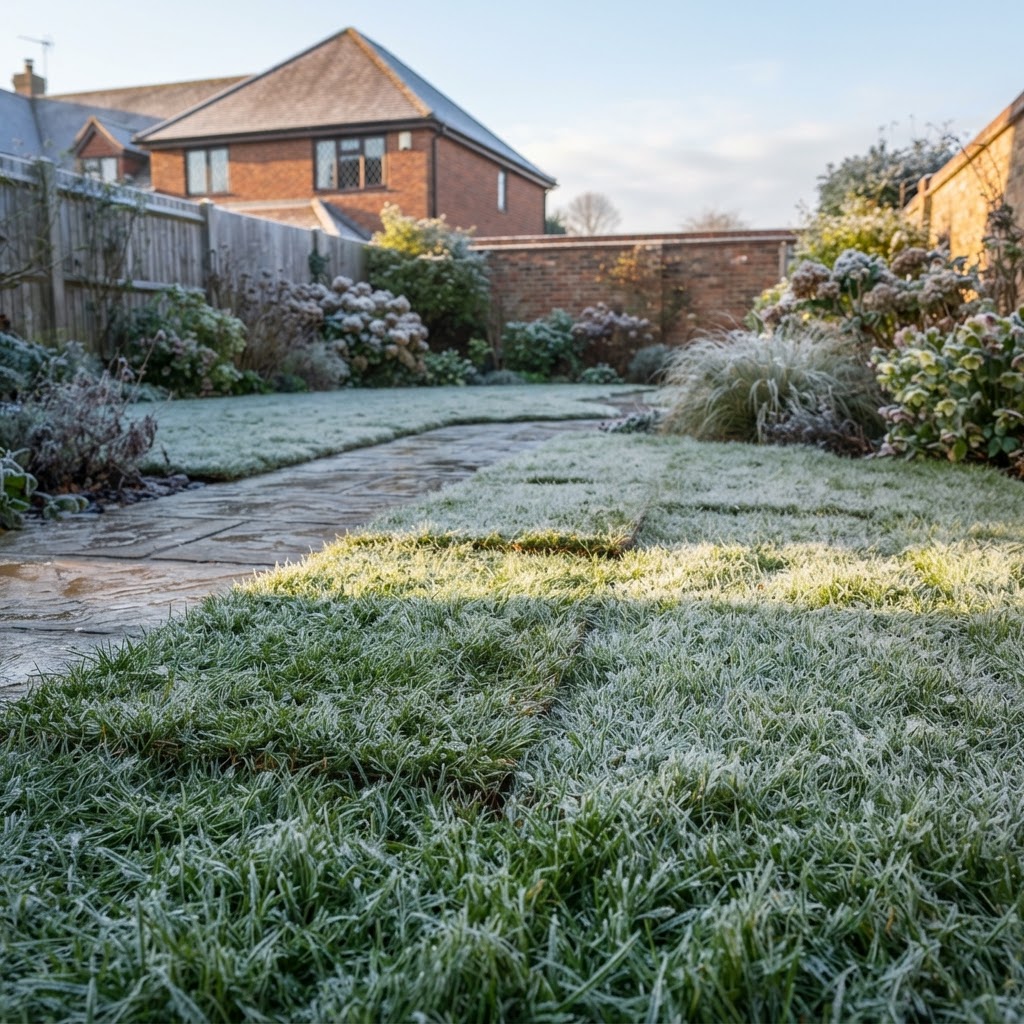


A lawn can be green, regularly fed and neatly mown yet still feel uneven underfoot, hold water in shallow dips or thin out over compacted ground. Lawn dressing is the practical remedy for these surface and soil problems. Applied correctly, it smooths minor imperfections, improves the growing medium around the grass plant and helps a lawn recover more evenly after wear, scarification or overseeding.
It is not a quick cover-up for deep holes, severe drainage faults or badly damaged turf. Think of it as a measured maintenance operation - one that rewards preparation, suitable materials and a light hand.
What is lawn dressing?
Lawn dressing, often called topdressing, is a fine, free-flowing material spread in a thin layer across an established lawn. A quality dressing is usually based on screened sand, soil or loam, organic matter, or a carefully balanced blend of all three. The best choice depends on the existing soil and the purpose of the work.
As the material is brushed into the sward, it works down between the grass leaves and into small surface hollows. Over time, earthworms, rainfall and routine lawn activity help incorporate it into the upper rootzone. This can improve surface levels and create better conditions for air, water and roots.
The word "thin" matters. Grass needs light and air around the leaf. A heavy layer can bury the growing points, reduce photosynthesis and leave patches of yellowing turf. Lawn dressing should settle into the lawn, not sit on top of it like a new soil bed.
Why dress a lawn?
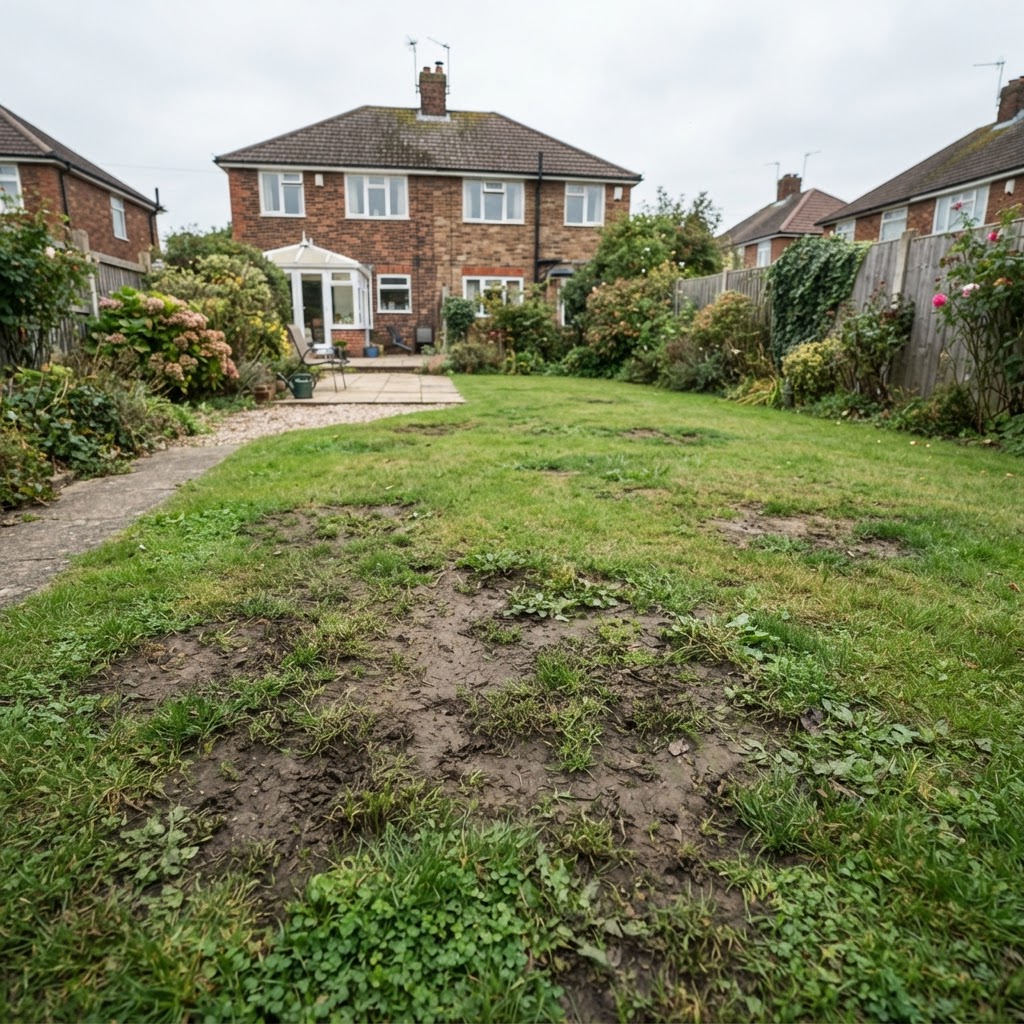
The immediate benefit is levelling. Repeated mowing, children’s play, pets, dry spells and natural settlement all create small undulations. Dressing can gradually fill shallow depressions, producing a cleaner finish and a more consistent mowing height. For a formal lawn, that difference is noticeable.
The longer-term benefit is rootzone improvement. On dense clay soils, a dressing with an appropriate proportion of sharp sand can help maintain open pore spaces near the surface. This supports water movement and reduces the tendency for the ground to smear or compact. Sandy lawns, on the other hand, often benefit more from a soil-based dressing containing stable organic matter, which helps retain moisture and nutrients.
Dressing also supports renovation. After hollow-tine aeration, it fills the holes with suitable material rather than allowing them to close with the same compacted soil. After overseeding, a very light application improves seed-to-soil contact and helps protect seed from drying out or being disturbed by birds.
There is a trade-off. Repeatedly applying a very sandy dressing to heavy clay will not transform the entire garden soil overnight. It can improve the upper few millimetres, particularly when combined with aeration, but deep drainage problems may require more substantial remedial work. Equally, applying rich compost year after year can create an overly soft, thatchy surface if mowing and scarification are neglected.
Choose a dressing that suits the soil
There is no single dressing that suits every UK lawn. Matching the material to the soil is the part that separates useful topdressing from an expensive mess.
For clay and compacted lawns
A sandy loam dressing is commonly used where the ground is heavy and prone to standing water. The sand should be clean, washed and suitably graded, not building sand. Building sand contains very fine particles and may include salts or silt that can worsen surface sealing.
Pure sand is sometimes used on intensively managed sports turf where the profile is already sand-based and drainage is engineered accordingly. For most domestic lawns, however, a balanced sandy loam is safer. It improves surface texture without creating a sharp boundary between a sandy top layer and dense clay beneath.
For sandy or drought-prone lawns
A loam-based dressing with modest, stable organic content is generally more suitable. It adds fine mineral material and helps the rootzone retain moisture. Avoid dressings made from uncomposted green waste or material with large woody fragments. These are difficult to spread evenly and can introduce a flush of nutrients that encourages soft, excessive growth.
For general levelling
Use a screened lawn dressing with a fine texture. Stones, large clods and coarse compost are unacceptable where a smooth finish is the objective. If you can feel lumps in the material, you will feel them through the lawn after application.
Good-quality materials should be consistent, easy to rake and free from viable weeds. For professional work, specifications matter: particle size, organic content and cleanliness affect how the dressing performs. A cheaper bulk soil may look similar in a heap but can be far harder to spread and may bring weed seeds, rubble or unsuitable fines onto the lawn.
When to apply lawn dressing
Late spring and early autumn are the reliable windows for most lawns. Soil should be moist enough for roots to grow but not saturated, and temperatures should support steady recovery. Early autumn is particularly useful because grass is still active, rainfall is usually more dependable and summer heat stress has passed.
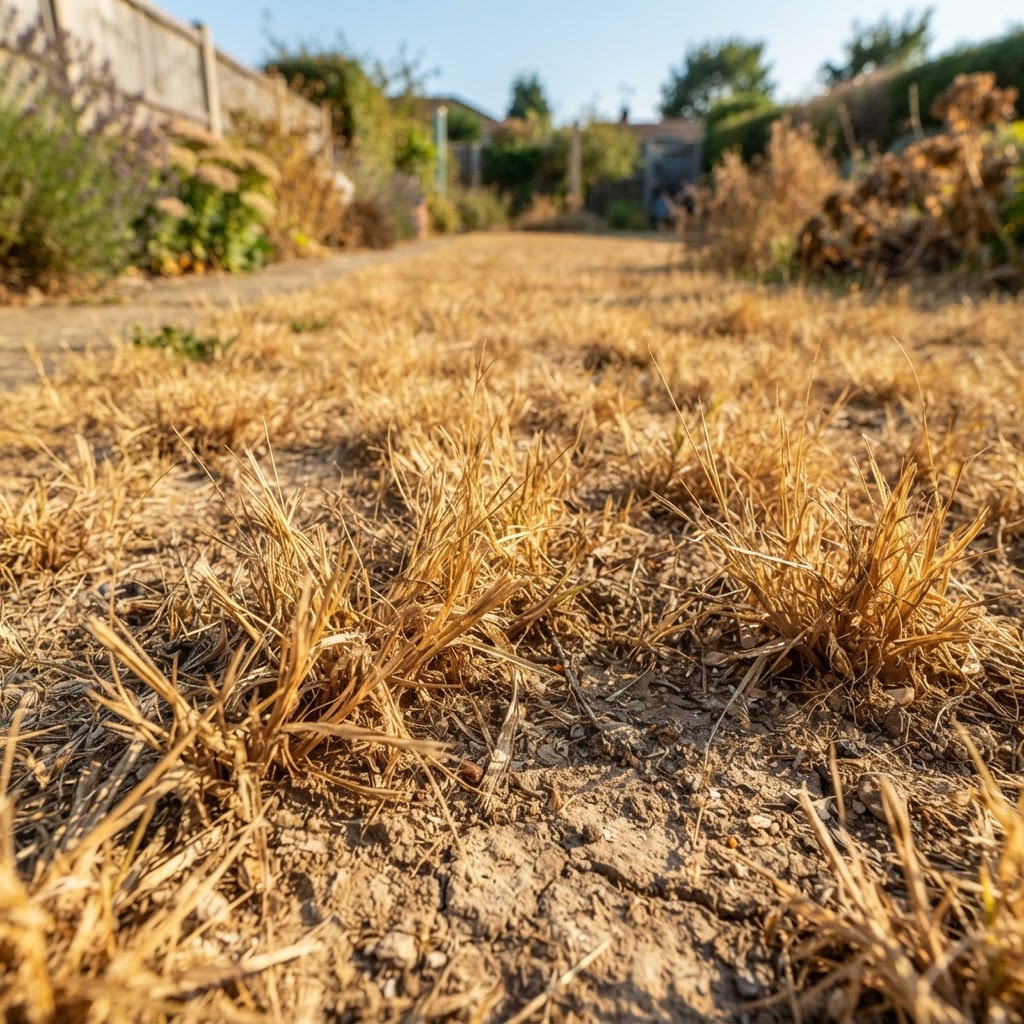
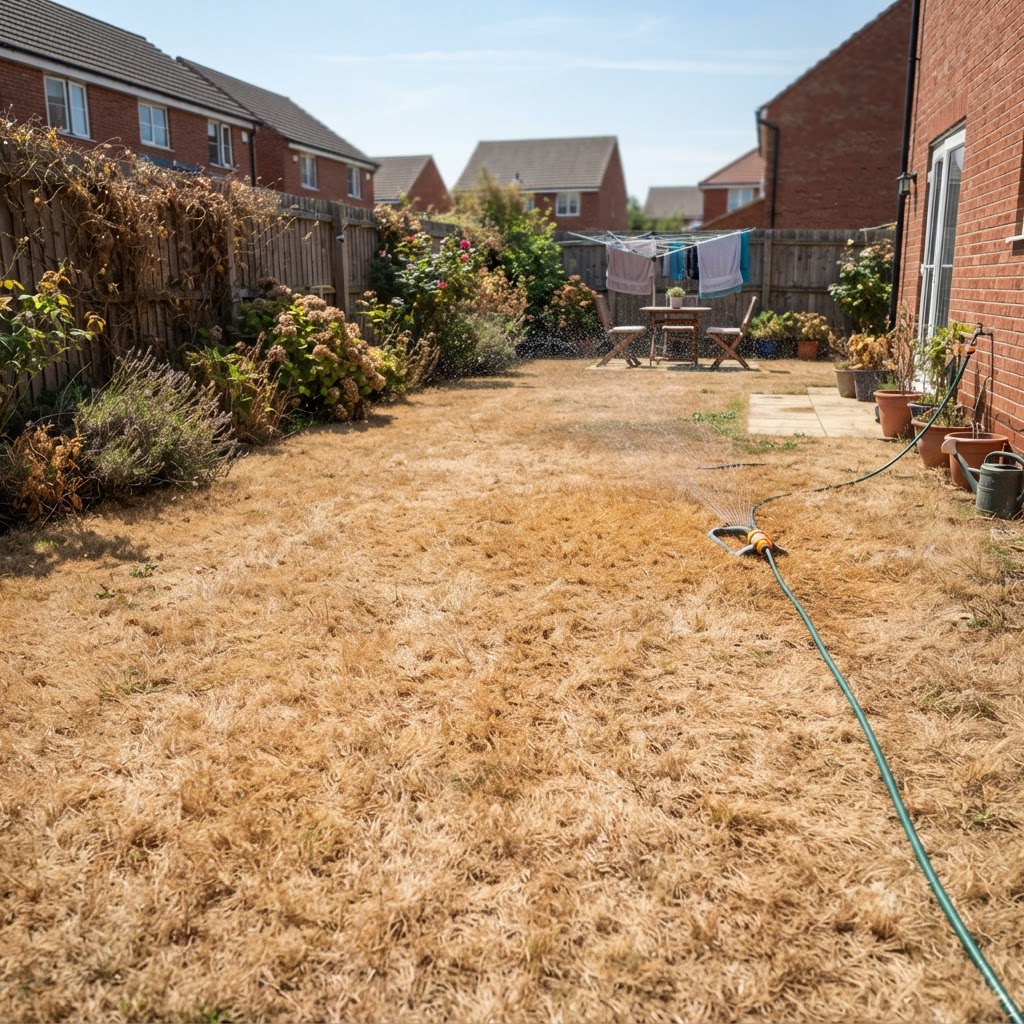
Spring dressing is effective after the lawn has begun growing strongly. Wait until the ground is no longer waterlogged and frost is unlikely. Do not dress a lawn that is struggling through drought, recently scorched by heat or dormant in winter. The grass must be capable of growing through the material.
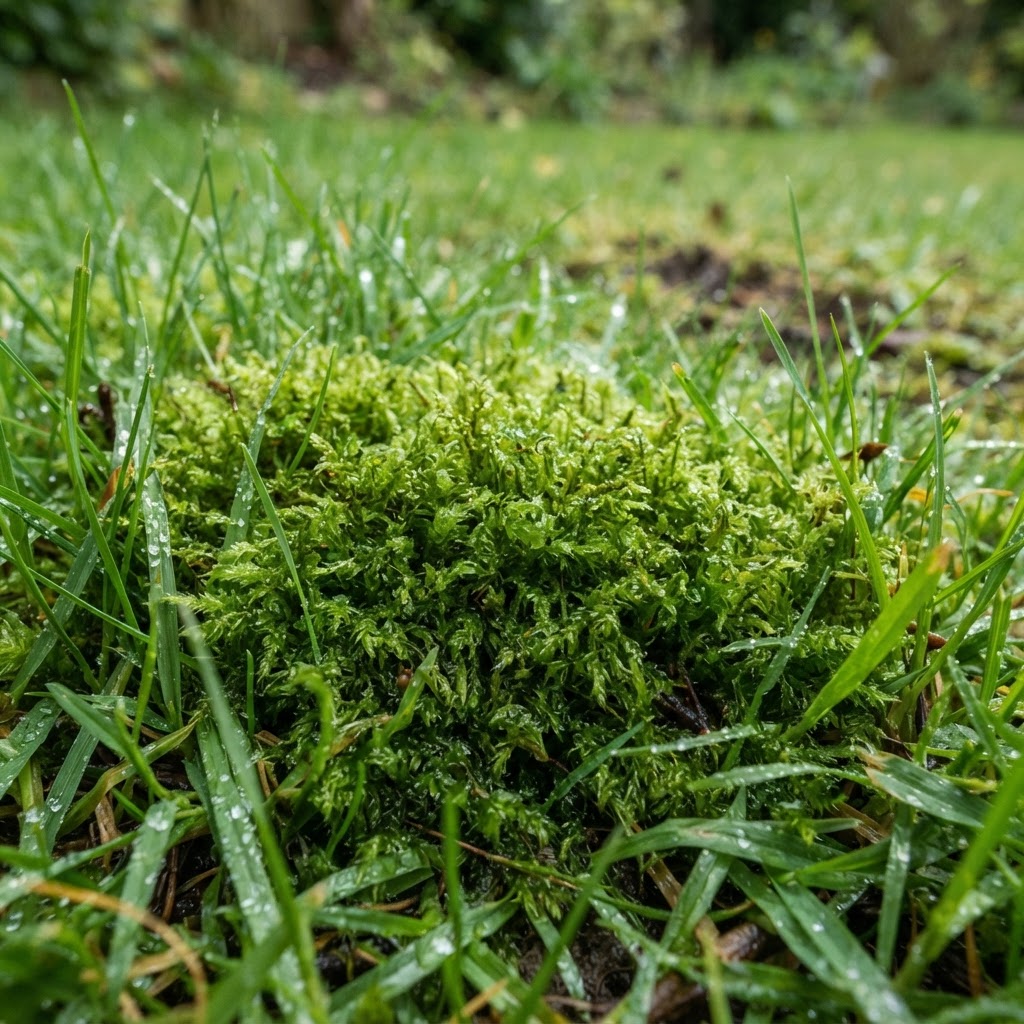
If weeds are being treated, follow the product label carefully before overseeding or dressing. Selective herbicides need time to move through broadleaf weeds, and fresh seed can be vulnerable to treatment residues. Similarly, if moss has been controlled with a high-iron treatment, rake out the dead moss before applying dressing. Leaving it in place simply creates a barrier between the dressing and soil.
How to apply lawn dressing properly
Preparation determines the result. Mow the lawn a little shorter than usual, but do not scalp it. For a standard domestic lawn, reducing the height by around one-third is enough to expose the surface while retaining healthy leaf area.
Remove leaves, twigs and loose debris. If there is a significant layer of thatch or moss, scarify first. Where compaction is evident - water puddles after rain, turf feels hard, or grass roots are shallow - hollow-tine aeration before dressing is worthwhile. The cores may be collected or broken up, depending on their condition and the amount of material being applied.
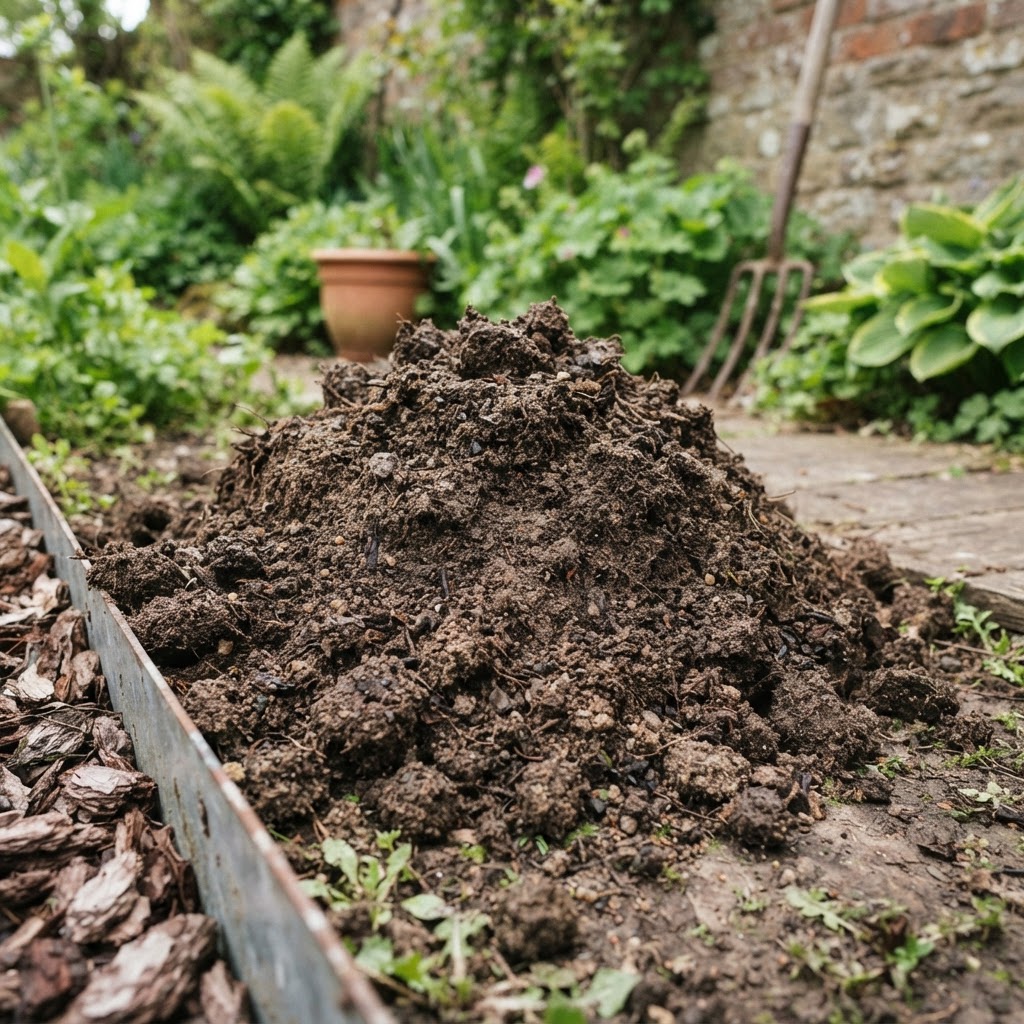
Spread the dressing in small heaps across the lawn, then work it evenly with the back of a rake, a levelling lute or a stiff brush. The aim is to fill low points and let the grass tips remain visible. A rate of roughly 2 to 4 litres per square metre is suitable for routine work, giving a layer of about 2 to 4 mm. On a stressed or fine lawn, stay at the lower end.
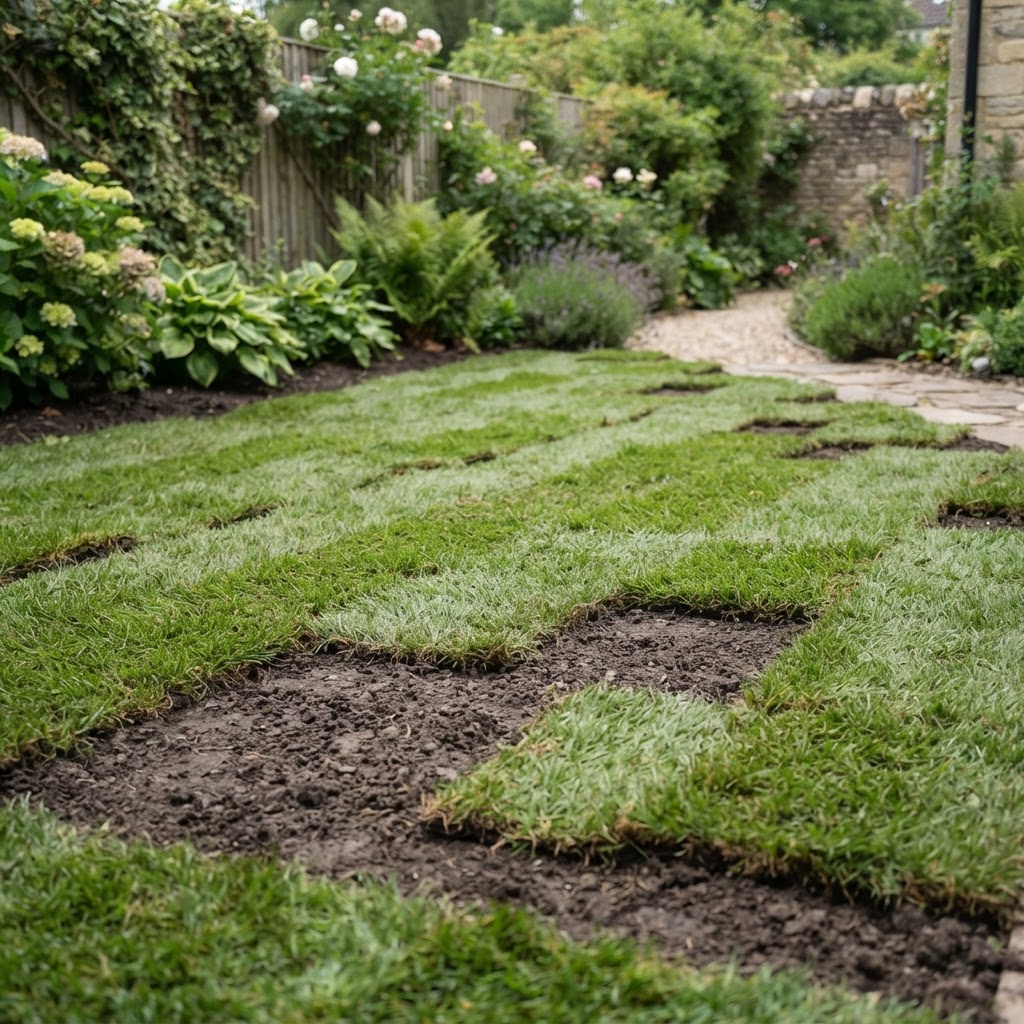
For minor hollows, apply extra material only within the depression and feather it into the surrounding turf. Deep holes should not be filled in one application. Build them up in stages, allowing the grass to grow through each layer. Trying to level a 25 mm dip at once risks smothering the turf entirely.
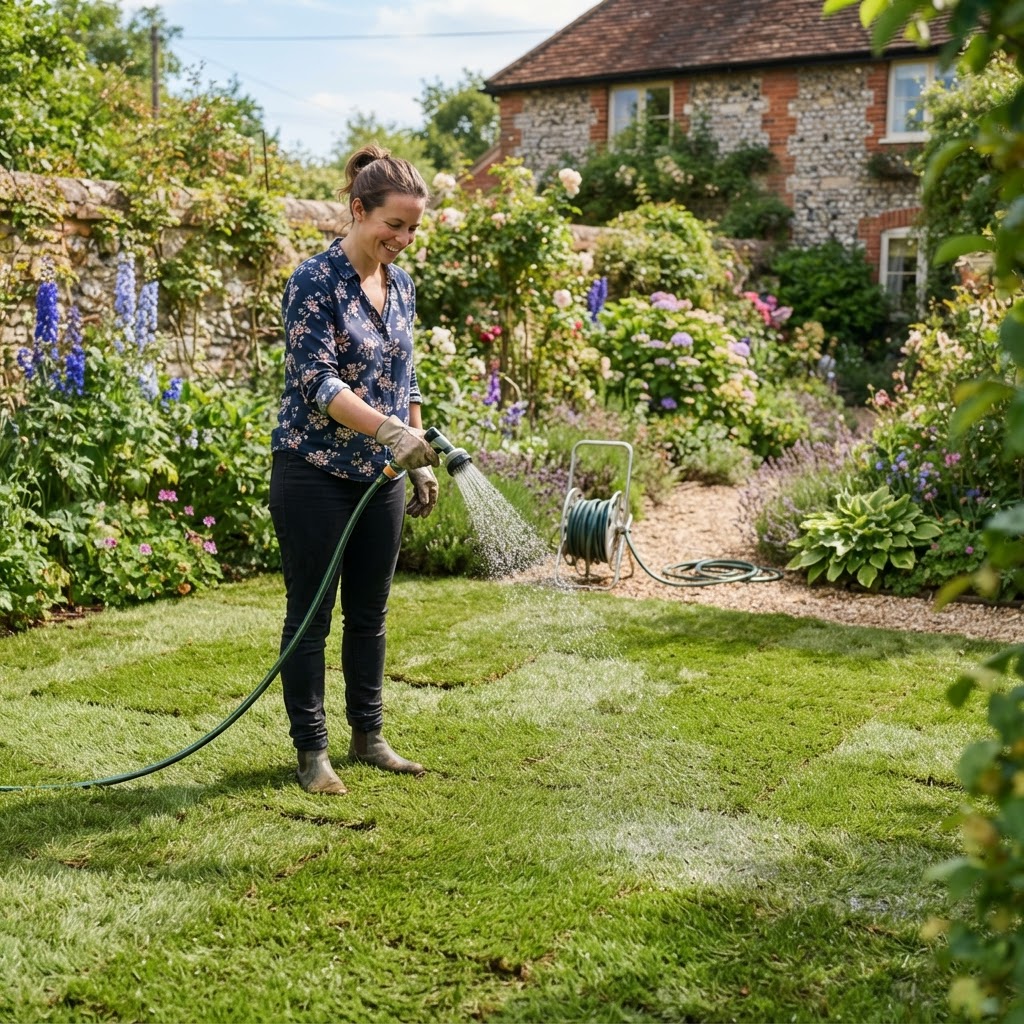
After spreading, brush the lawn from several directions until the material has fallen below the leaf tips. Water lightly if conditions are dry, especially when seed has been applied. Then leave the lawn alone long enough to recover. Avoid heavy foot traffic until the dressing has settled and any new seed has established.
Pair dressing with overseeding and feeding
Lawn dressing is most effective as part of a wider renovation plan. If thin grass is the issue, overseed immediately before or after the dressing, depending on the material and method. A light dressing over seed is useful because it improves contact with the soil while leaving enough seed close to the surface for prompt germination.
Use a grass seed suited to the site. Hard-wearing ryegrass blends are appropriate for family lawns and high-use areas, while fine fescue content suits lower-input lawns and shadier positions. Tetraploid ryegrass can establish in around 7 to 14 days under favourable conditions, making it a practical option where rapid recovery is required.
Fertiliser should be selected by season and condition rather than applied automatically. A balanced pre-seeder feed, such as a 6-9-6 formulation, supports root development around newly sown areas without forcing weak, lush leaf growth. Established lawns being dressed in autumn are better served by lower-nitrogen, higher-potassium nutrition that supports root resilience ahead of frost.
Common lawn dressing mistakes
The most common mistake is using too much material. If the lawn disappears beneath the dressing, the application is too heavy. Brush off excess immediately where possible, particularly from finer grasses.
The second is using the wrong material. Garden soil from a border, unscreened topsoil and builder’s sand are not lawn dressings. Their texture, weed content and drainage behaviour are unpredictable.
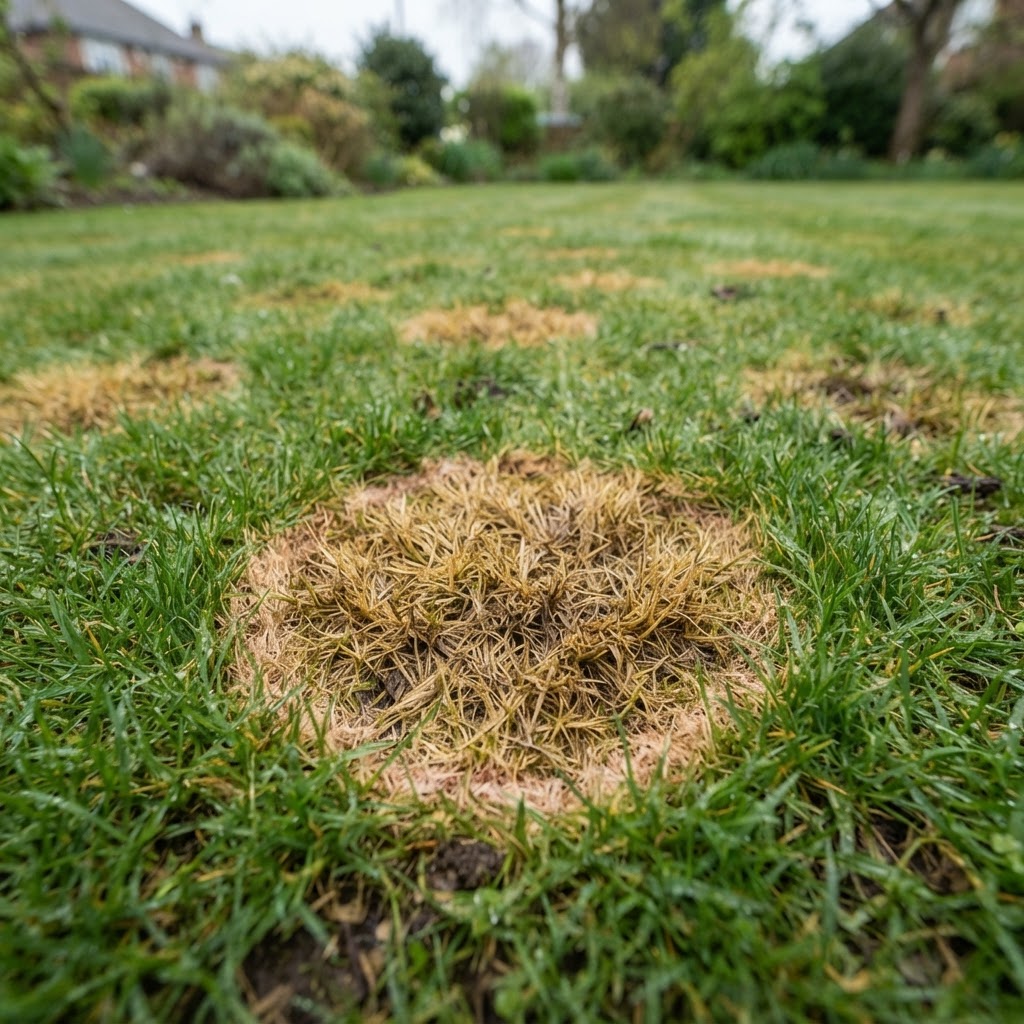
Finally, do not expect dressing to cure every defect. Large dips may indicate settlement, drainage runs, tree-root movement or buried construction waste. Persistent moss may point to shade, compaction, poor drainage or low soil fertility. Deal with the underlying cause, then use lawn dressing to restore the surface and give the grass a fair chance to respond.
A well-dressed lawn should not look dramatically different on the day it is treated. The real result appears over the following weeks: firmer footing, fewer shallow hollows, better seed establishment and grass that is able to root into a healthier surface. That quiet improvement is exactly what sound lawn maintenance is meant to deliver.