

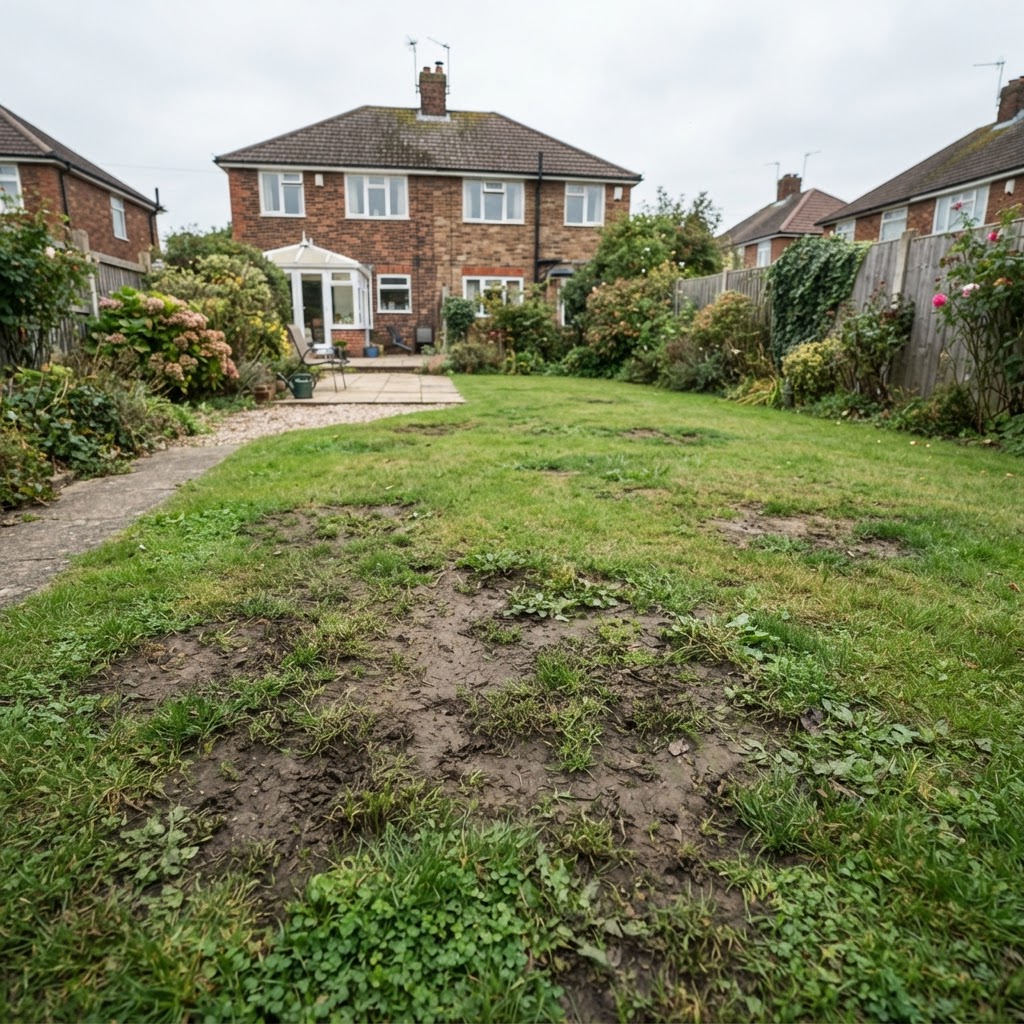



A lawn usually tells you the truth within a few weeks. If the surface is thinning around the washing line, wearing bare by the patio, or turning to mud where children cut across it, the issue is rarely just feeding or mowing. More often, the grass species are wrong for the job. Hard wearing grass seed is designed for that sort of pressure - repeated foot traffic, active gardens, pets, and regular use through the main growing season.
The mistake many people make is buying on the word “lawn” alone. A fine ornamental mixture may look smart in the box, but if the site takes daily punishment it will not hold up for long. The better approach is to match the seed blend to the way the lawn is actually used, then support establishment properly so the grass can knit together and root down.
What makes hard wearing grass seed different?
Durability in a lawn seed mixture comes down to species choice, wear tolerance, recovery speed and rooting strength. In practical terms, that usually means a greater proportion of perennial ryegrass, often balanced with fescues to keep the finish neater and the sward denser.
Perennial ryegrass earns its place because it germinates quickly, establishes fast and stands up well to traffic. That is why it is widely used on sports surfaces, family lawns and public amenity areas. Modern dwarf perennial ryegrass varieties are far better in appearance than older, coarser types, so you no longer have to choose between toughness and a respectable finish.
Fescues bring different strengths. Strong creeping red fescue helps with density and recovery, while chewings fescue can improve texture and perform well where fertility is lower. A good hard-wearing mix often uses these species together so the lawn is not only resilient, but also presentable.
If you want even quicker establishment, tetraploid ryegrass is worth understanding. The larger seed size supports vigorous early growth, and under suitable conditions you can see germination in around 7 to 14 days. It also tends to develop deeper rooting than many standard mixtures, which is useful where summer dry spells and heavy use arrive together.
Which lawns need hard wearing grass seed?
Some gardens plainly need a durable mix. If there is a football goal at one end and a trampoline at the other, that is obvious. Other cases are less dramatic but just as demanding. Narrow access strips, paths worn by regular shortcuts, lawns used by dogs, and front gardens that double as play space all put repeated pressure on the same areas.
Contractors will know this from experience on communal grounds and housing developments. New-build lawns often receive more use than expected before they are fully established. In those settings, a trade-standard mixture with strong ryegrass content is usually the sensible choice.
There is, however, a trade-off. The hardest wearing seed is not always the finest in appearance. If your priority is a formal striped lawn with very close mowing and light foot traffic, a fine fescue-led blend may give a more elegant result. For most households, though, a lawn that recovers well after use is more valuable than one that only looks good when no one steps on it.
How to choose the right hard wearing grass seed
Start with traffic, then assess site conditions. A sunny, open garden with children and pets calls for a different mixture from a shaded lawn under trees that still needs to cope with regular use. There is no single blend that is best everywhere.
If wear resistance is your main concern, look for mixtures built around perennial ryegrass, especially dwarf or amenity-grade cultivars rather than agricultural types. These offer the right balance of durability, shoot density and visual quality. Where drought tolerance also matters, tetraploid ryegrass can be a strong option because of its speed and root development.
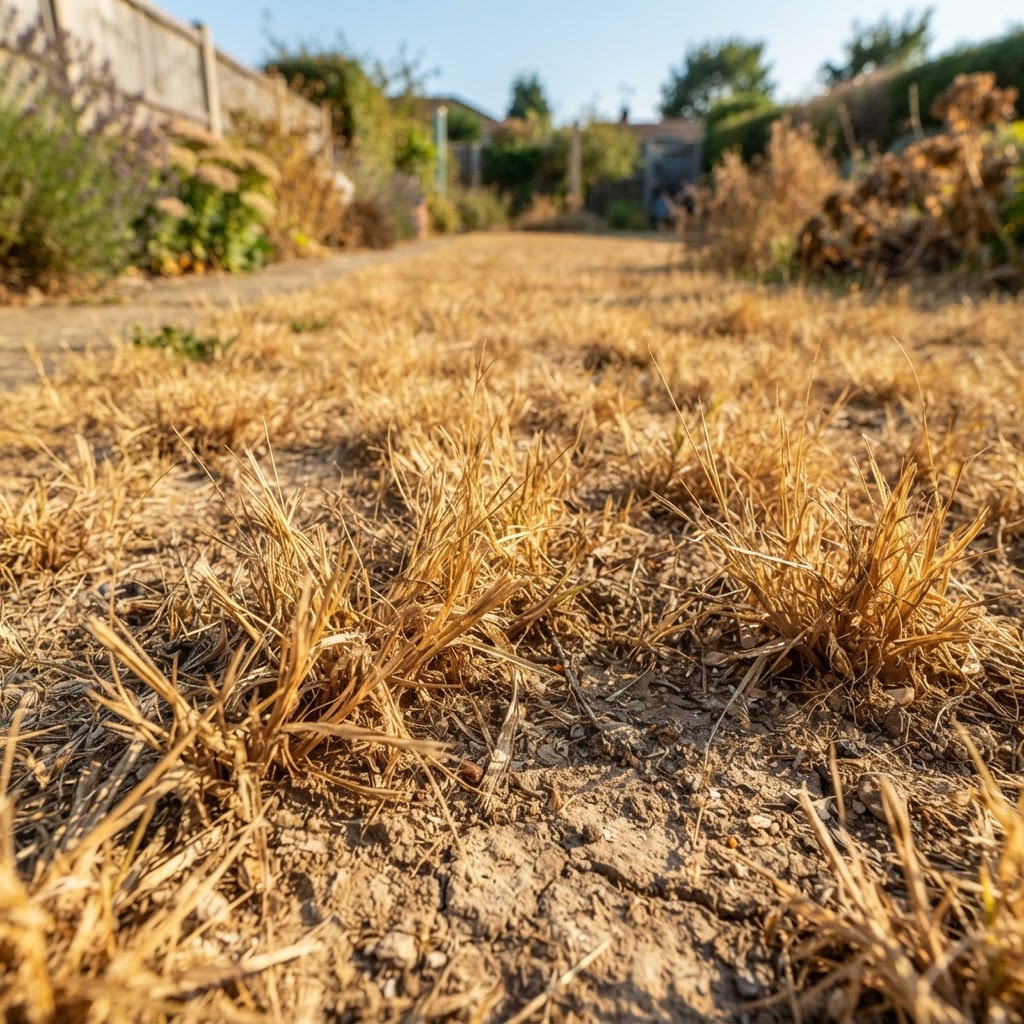
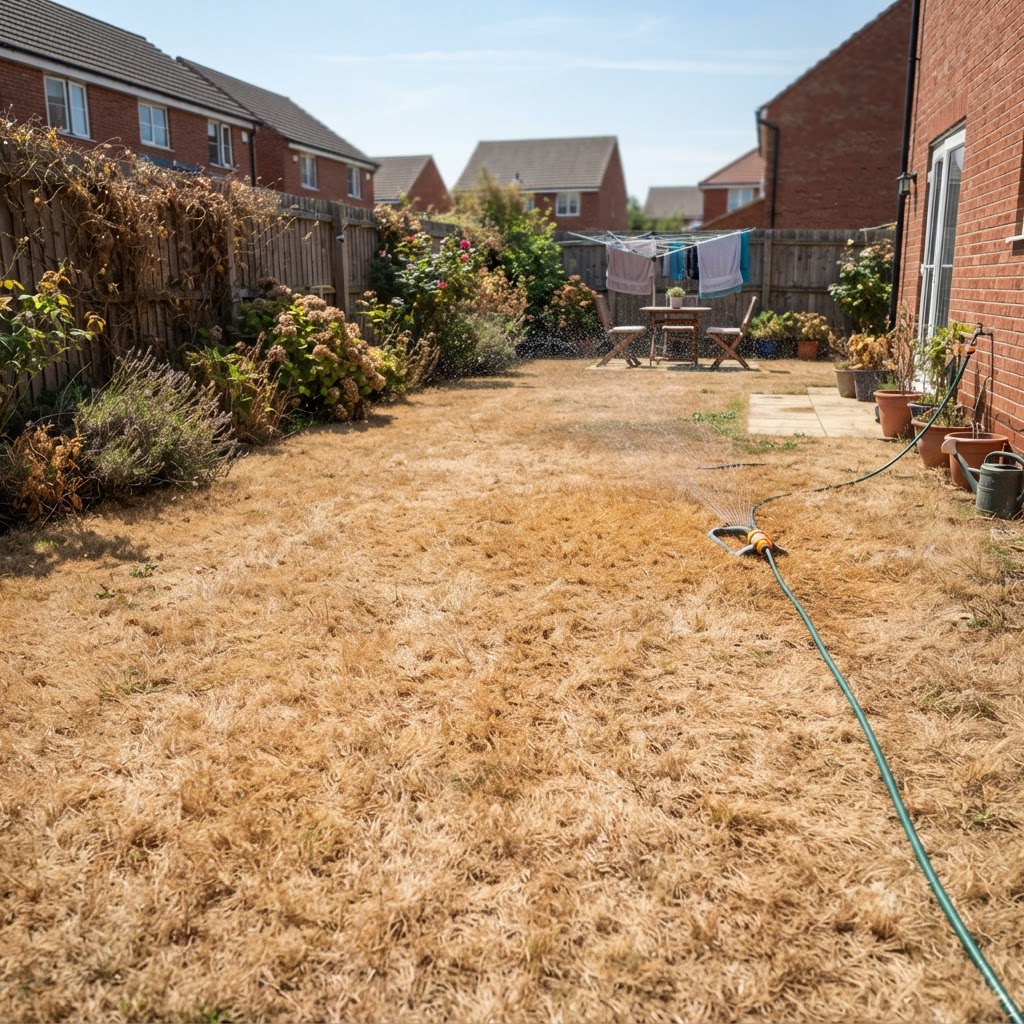
Then consider whether the site has limitations. Heavy shade reduces the performance of ryegrass, so a blend for those areas may need more shade-tolerant species, even if that means giving up some wear tolerance. Likewise, very dry, sandy ground may benefit from species selected for drought resilience rather than traffic alone.
This is where buying purely on price often goes wrong. Cheap seed can contain lower-grade cultivars, less suitable species or filler that does little for long-term performance. With lawns, especially busy ones, establishment speed and recovery are what save money over time.
When to sow hard wearing grass seed in the UK
For most of the UK, the best sowing windows are spring and early autumn. Soil temperature matters more than calendar dates. Grass seed generally needs warmth and moisture to germinate consistently, so cold ground in early spring can delay establishment, while high summer can dry the seedbed too quickly.
Early autumn is often the sweet spot. The soil is still warm, moisture is usually more reliable, and there is less competition from summer heat stress. Spring also works well, particularly from mid-season onward when conditions have settled.
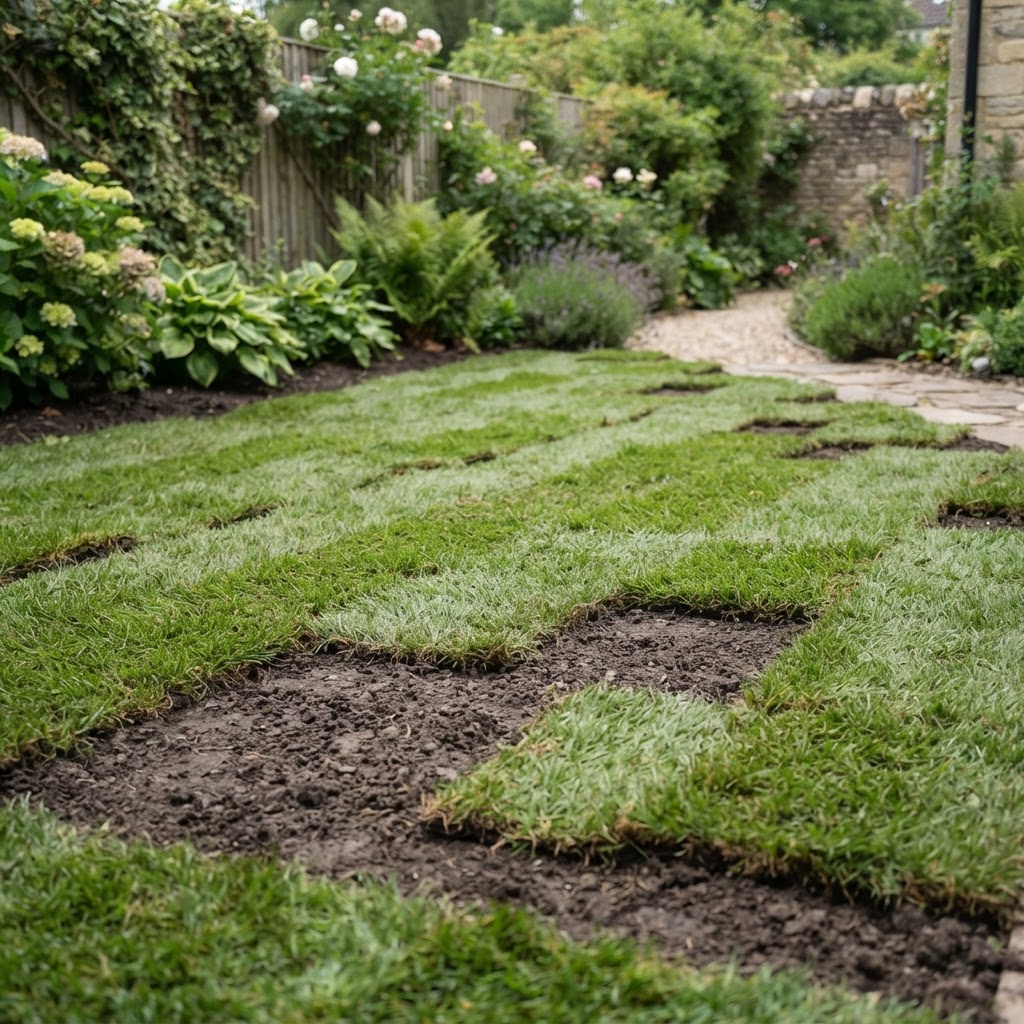
If you are repairing worn patches rather than creating a full lawn, timing still matters. Overseeding into tired turf in autumn often gives better results than trying to force recovery during a hot, dry spell in June.
Getting establishment right
Even the best hard wearing grass seed will fail on poor preparation. The seed can only perform to its genetic potential if it has seed-to-soil contact, moisture and enough nutrient to support early root growth.
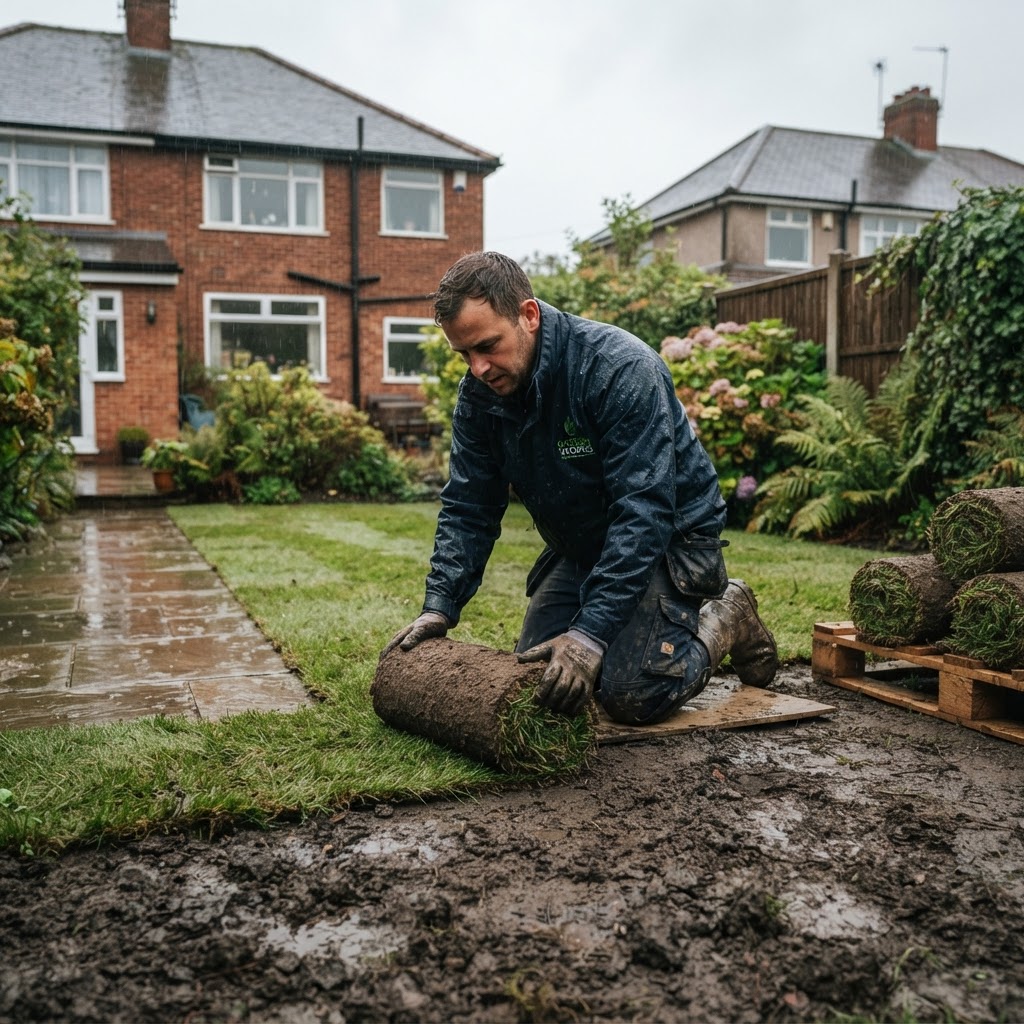
Start by clearing debris, weeds and any weak thatch layer that is preventing contact with the soil. On bare ground, create a reasonably level, firm seedbed rather than a loose, fluffy surface. On an existing lawn, scarify or rake hard enough to expose the soil before overseeding. Seed left sitting in the top of a thatch layer is vulnerable to drying out and bird loss.
A pre-seeder fertiliser is one of the most reliable ways to improve establishment, especially on poor or recently disturbed ground. A balanced analysis such as 6-9-6 gives phosphorus for root development without pushing soft, excessive top growth too early. That is particularly useful when you want seedlings to anchor quickly and tolerate use sooner.
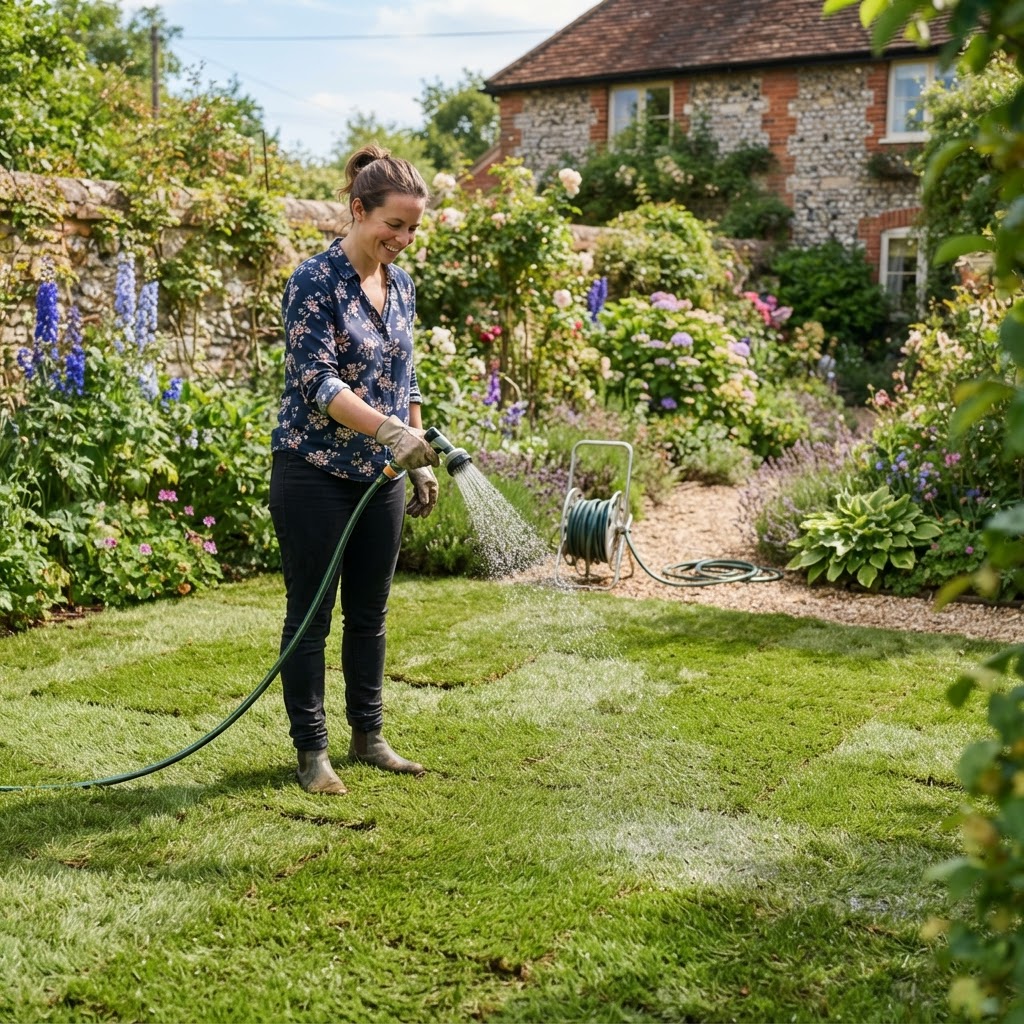
Once sown, keep the surface consistently moist until germination is well underway. Not waterlogged, just evenly damp. Heavy drenching followed by long dry intervals is less effective than lighter, regular watering during establishment.
Caring for a hard-wearing lawn after germination
A durable lawn still needs management. Hard wearing does not mean indestructible. The aim is to help the plant recover quickly after stress rather than expect it to survive neglect forever.
The first mowing should wait until the new grass is well rooted and tall enough to cut cleanly. Use a sharp blade and remove only the top third. Cutting too low too early checks growth and can thin the sward before it has properly matured.
After that, mowing height becomes one of your main tools. A slightly higher cut generally improves wear tolerance because the plant has more leaf area to drive photosynthesis and support recovery. Scalped lawns look tidy for a day or two but weaken faster under traffic.
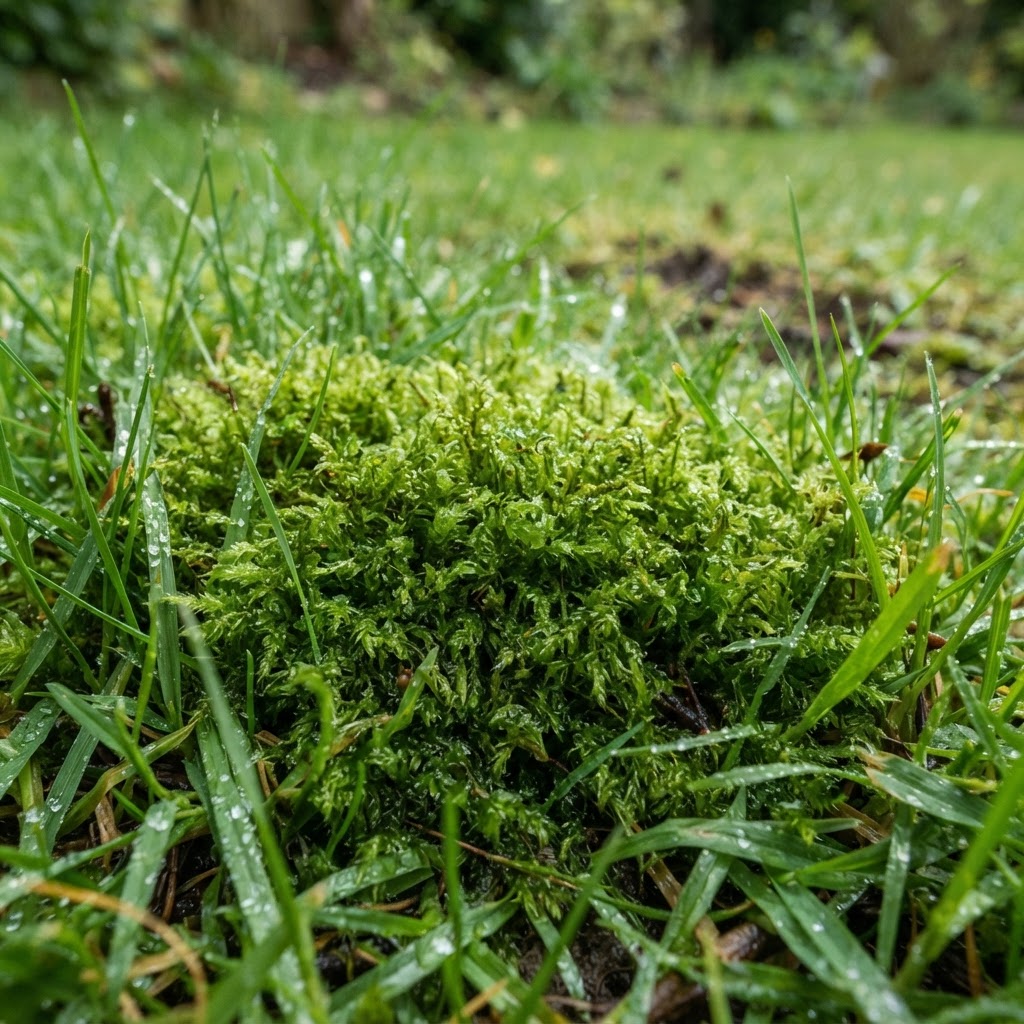
Feeding should follow the season. In spring and summer, a higher-nitrogen feed supports colour and growth. In autumn, lower nitrogen and higher potassium help strengthen the plant ahead of winter. If moss and broadleaf weeds are stealing space from the grass, deal with them promptly or the worn areas will only expand.
Where the lawn takes persistent punishment, overseeding should become part of routine maintenance rather than a rescue job. Thin areas are easier to repair when they first appear than after they have become compacted bare ground.
Common problems with hard wearing grass seed
The most common disappointment is expecting instant toughness. New grass is still young grass. Even fast-germinating ryegrass needs time to tiller, root and form a knitted surface. If it is used too soon, the seedlings can be torn out before they establish.
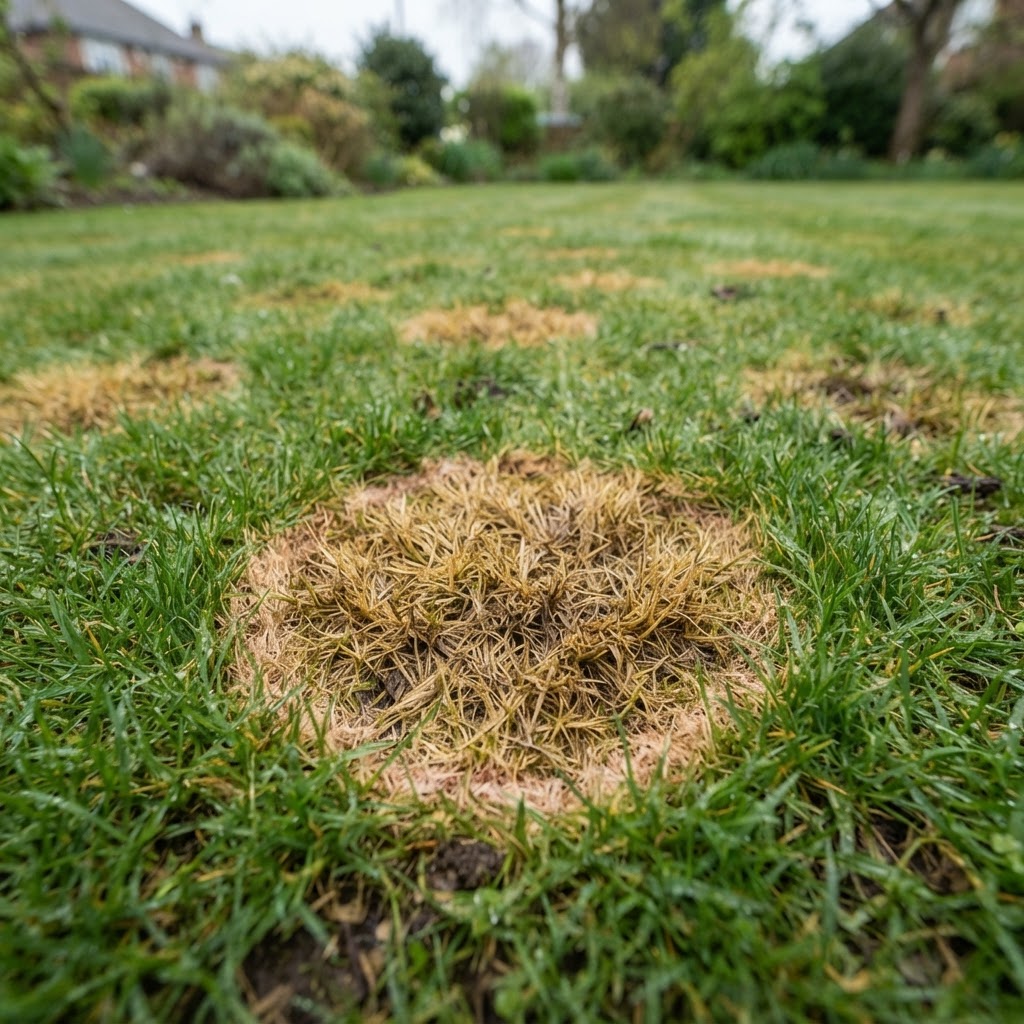
The second issue is mismatch. Some lawns fail not because the seed was poor, but because the site asked too much of the species. Heavy shade, compacted ground and dog urine damage are separate problems that seed alone cannot fully solve.
The third is maintenance aftercare. A durable seed blend on starved soil, cut too short, and left full of moss will not perform as intended. Good seed gives you a better starting point, not an exemption from basic lawn management.
For most busy UK gardens, hard wearing grass seed is the right foundation because it is engineered for use, not just appearance. Choose the blend with clear eyes, prepare the ground properly, and give it a sound start. A lawn should be able to cope with ordinary family life without looking beaten by it.