






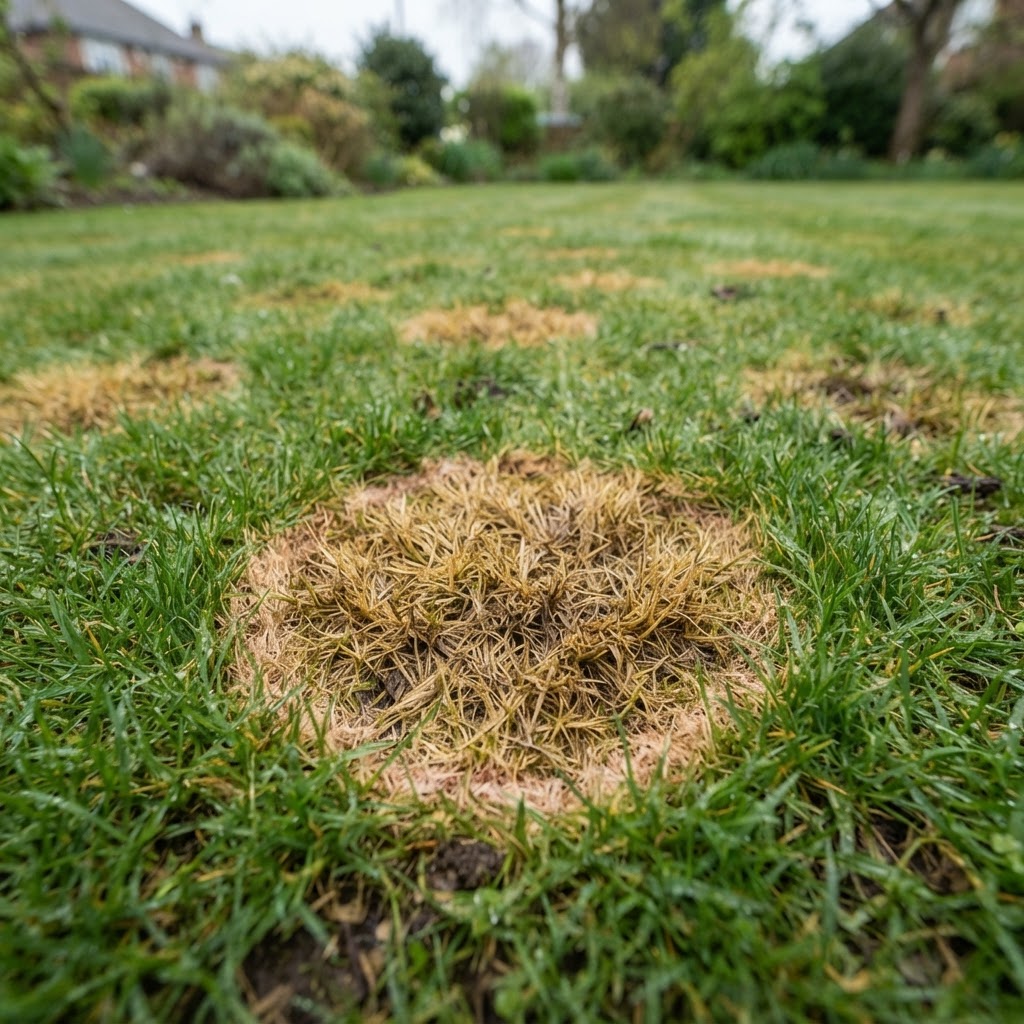


A lawn tells you fairly quickly when feeding has been left to guesswork. Pale colour, slow recovery after mowing, thin patches and moss creeping in at the edges are usually not separate problems - they often point back to nutrition. The right grass fertiliser does more than green things up. It supports root development, improves wear tolerance and helps the sward respond properly to the season you are in.
That matters in the UK, where lawns rarely get a long, stable run of perfect conditions. A dry April can be followed by a wet June. Heavy clay holds nutrients differently from sandy ground. A family lawn used by children and pets has different demands from a formal front garden or a contractor-maintained amenity area. Feeding well is not about throwing on the strongest product you can find. It is about matching nutrient ratios to growth stage, soil conditions and time of year.
What grass fertiliser actually does
Grass plants need three primary nutrients in the greatest quantity: nitrogen, phosphorus and potassium. On a fertiliser bag these appear as the NPK ratio. Each part has a specific job.
Nitrogen drives leaf growth and chlorophyll production. This is the nutrient most closely linked to green colour and visible top growth. If a lawn looks washed out and lacks vigour, nitrogen is often the first place to look. Too much, however, can push soft growth that needs frequent mowing and is less resilient in drought or frost.
Phosphorus is associated with root development and early establishment. It is particularly useful when sowing a new lawn or overseeding thin areas, because seedlings need energy to build roots before they can produce a dense, durable surface.
Potassium helps regulate water movement and strengthens plant tissues. In practical terms, that means better stress tolerance. A lawn with adequate potassium is generally better equipped to deal with wear, cold weather and periods of dry conditions.
Secondary nutrients and trace elements can also play a part. Iron is a common example in lawn care. It sharpens colour, suppresses moss in some formulations and can help produce a firmer, tidier finish. It is useful, but it is not a substitute for a proper feeding plan.
Choosing the right grass fertiliser for the season
The biggest mistake with lawn feeding is using one product all year round. Grass growth changes with soil temperature, daylight hours and moisture levels, so nutrient demand changes too.
Spring and summer feeding
From mid spring onwards, lawns usually need more nitrogen. This is when the grass is actively growing, repairing winter damage and producing fresh leaf. A spring or summer fertiliser is typically weighted towards nitrogen to encourage density and colour.
This approach suits established lawns that need a wake-up after winter, family gardens that see regular use, and ornamental lawns where appearance matters. The trade-off is that high-nitrogen feeding increases mowing demand. In warm, wet weather, growth can become excessive if application rates are too high.
Autumn and winter feeding
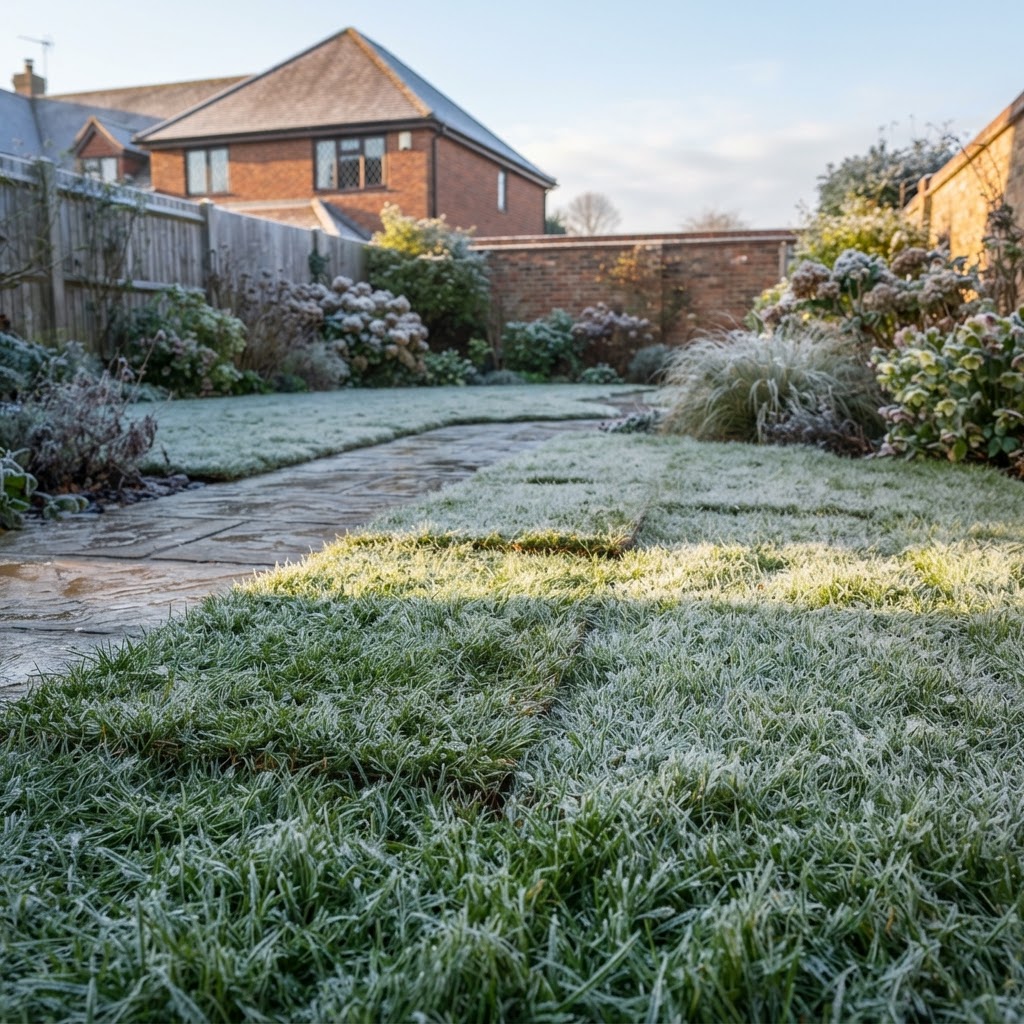
As temperatures drop, the job changes. You are no longer trying to push lush leaf growth. You are trying to maintain plant health, support the roots and harden the grass against colder weather. That is why autumn and winter fertilisers usually contain less nitrogen and more potassium.
A lawn fed this way is less likely to go soft ahead of frosts. It also tends to hold up better in wet conditions, where weak grass would otherwise thin out and leave room for moss. For UK lawns, this seasonal switch is one of the simplest ways to improve year-round performance.
Pre-seeding and new lawn establishment
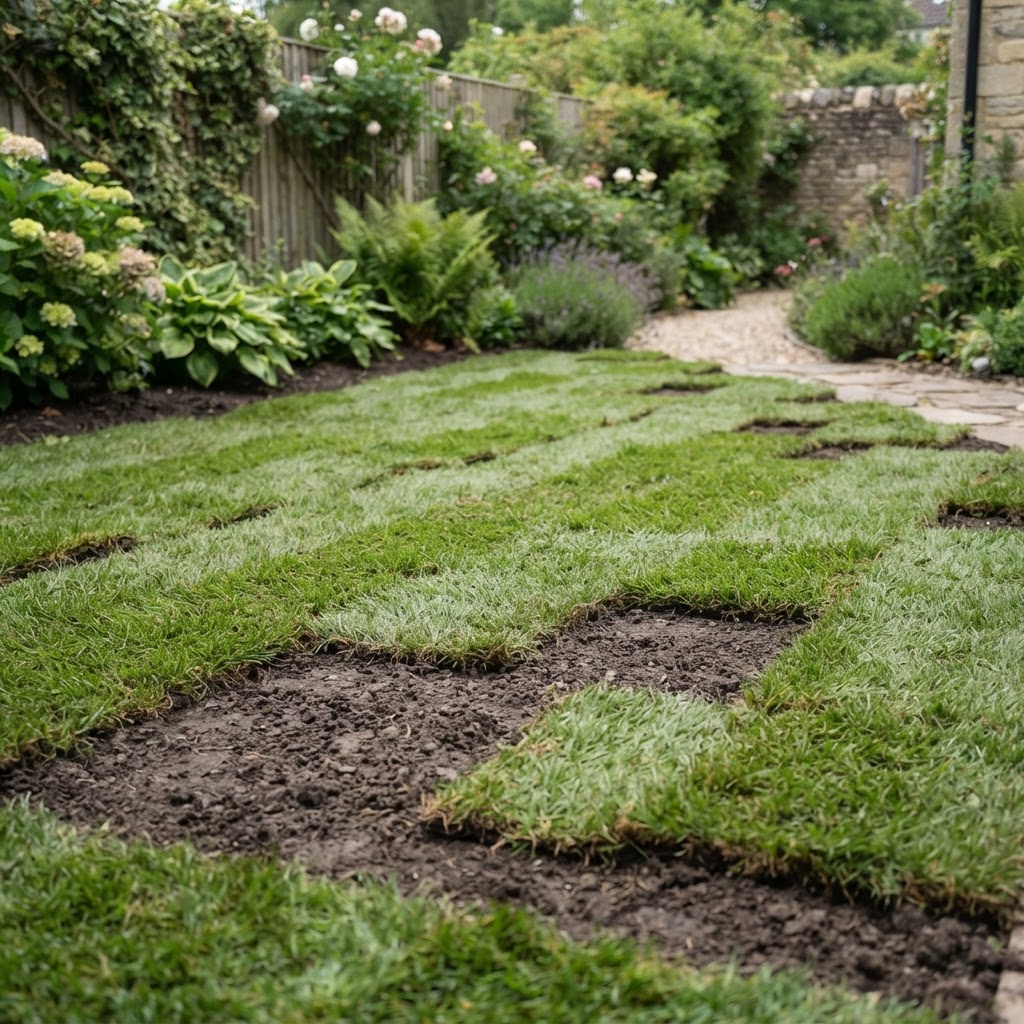
New grass is a separate category altogether. Seedlings are easily damaged by overfeeding, but they still need balanced nutrition to establish properly. A pre-seeder grass fertiliser is specially formulated for this stage, with enough nutrient to support root and shoot development without scorching tender young plants.
A balanced 6-9-6 NPK, for example, is well suited to sowing and overseeding work. The phosphorus supports root formation, while the moderate nitrogen level helps the young grass build steadily rather than racing upwards too soon.
Reading the lawn before you feed it
Good groundsmen do not feed by calendar alone. They look at the lawn first.
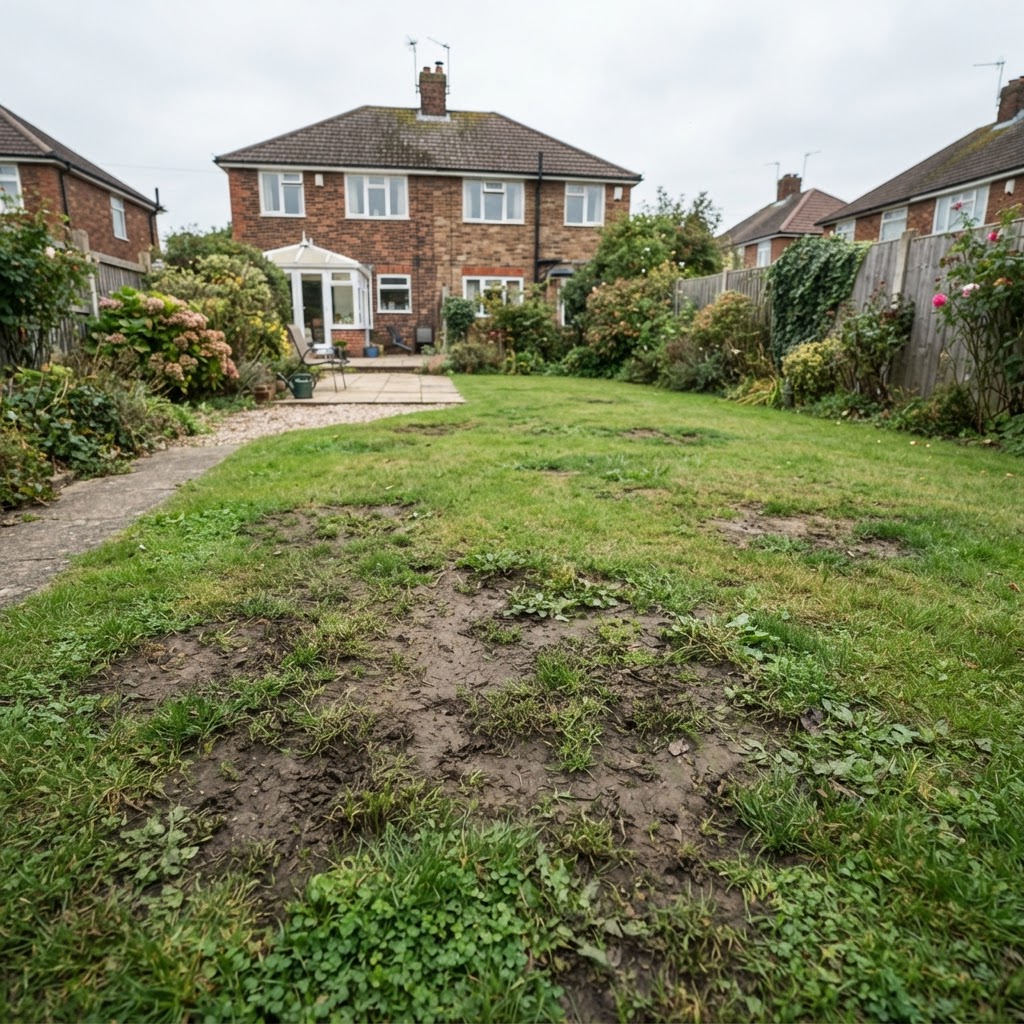
If the grass is pale green, sluggish and not thickening up in active growing weather, it may need nitrogen. If newly sown areas are germinating but not establishing strongly, phosphorus may be lacking or root conditions may be poor. If the lawn is green enough but struggles through dry spells or winter stress, potassium becomes more relevant.
It is also worth separating nutritional issues from structural ones. Fertiliser will not solve compacted soil, deep shade or chronic waterlogging. In those cases, feeding can help support recovery, but the underlying cause still needs addressing. Shade-tolerant seed, aeration, drainage improvement or scarification may be part of the real answer.
How to apply grass fertiliser properly
Application technique matters almost as much as product choice. Even a well-formulated fertiliser can cause patchy growth if spread unevenly.
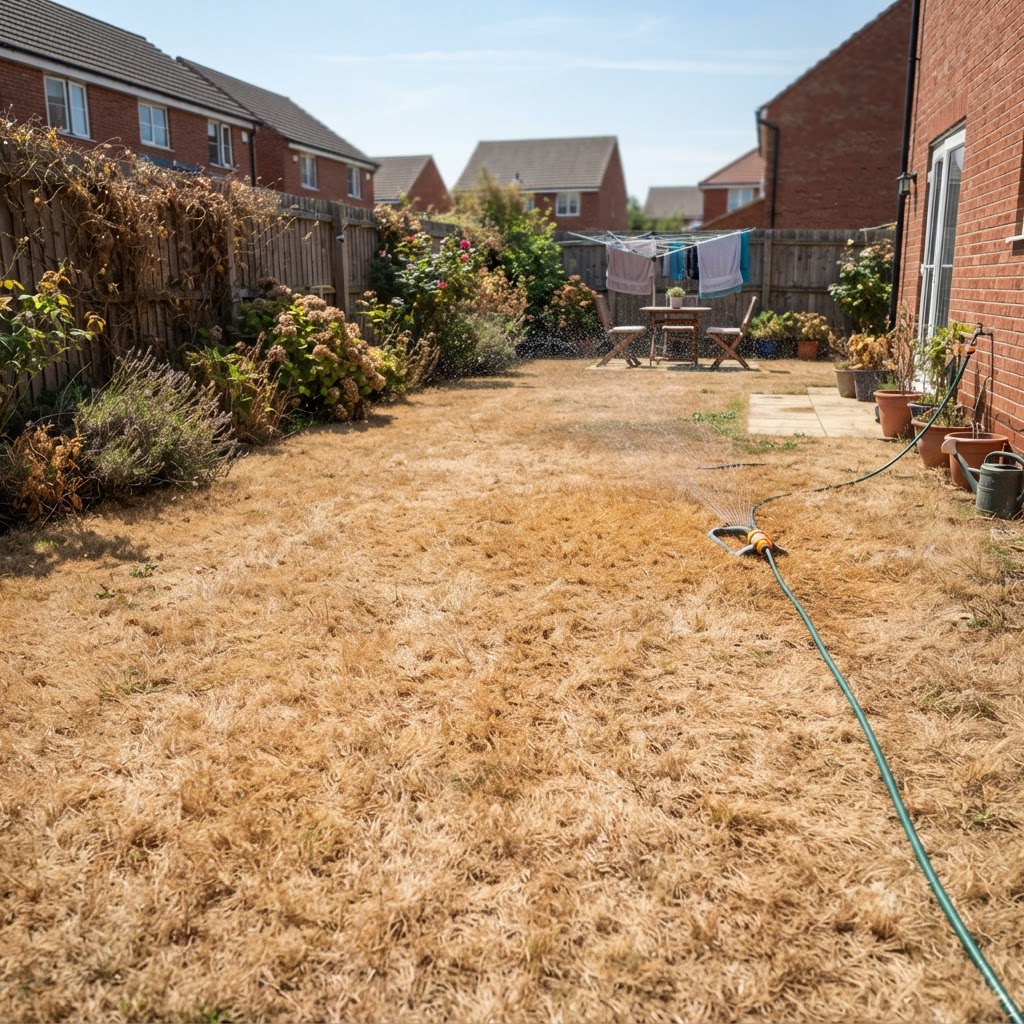
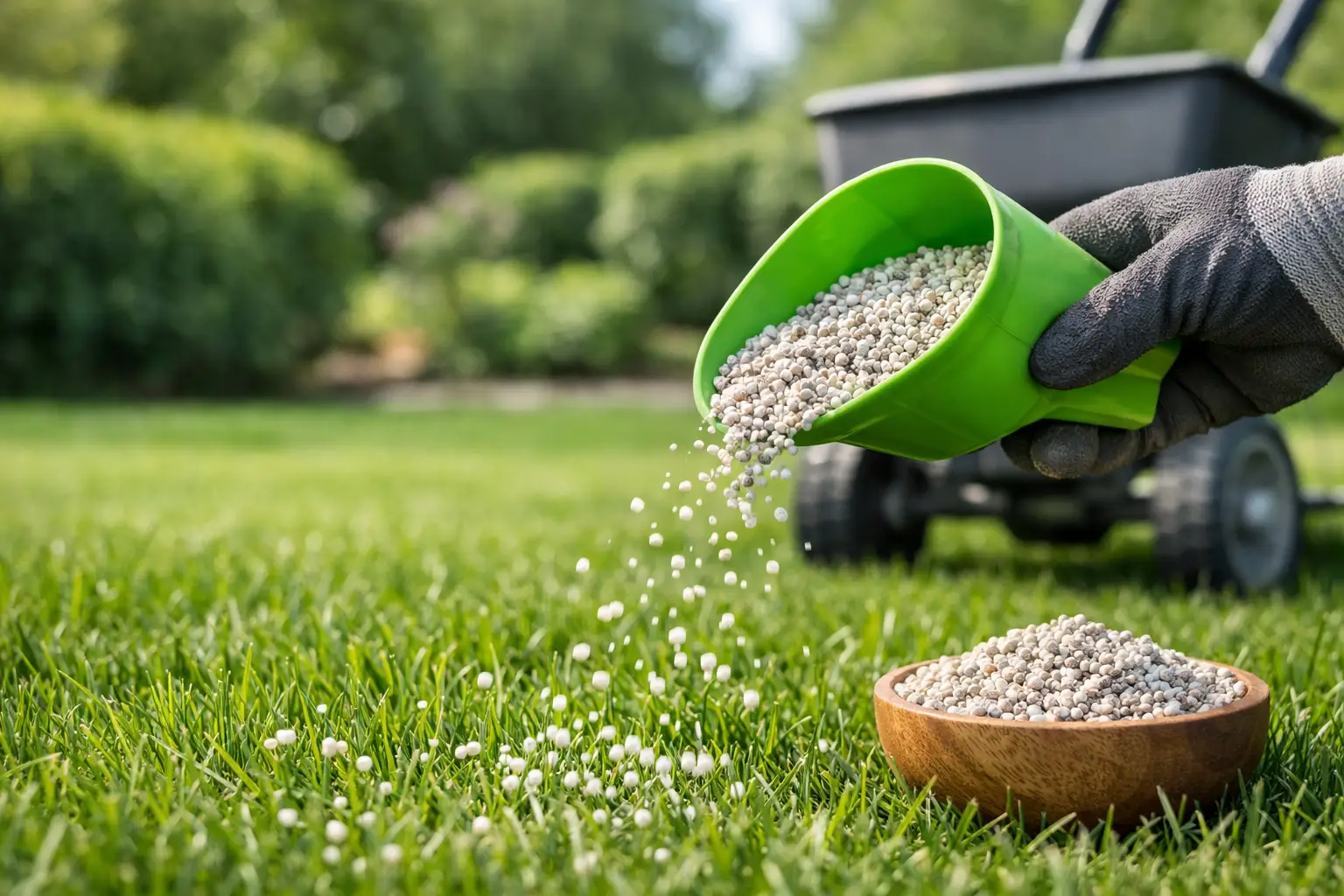
For most granular products, apply when the grass is dry and the soil is moist, or when rain is expected shortly afterwards. This helps move nutrients into the rootzone and reduces the risk of granules sitting on the leaf. Avoid feeding in severe drought, on frozen ground, or just before torrential rain that could wash nutrients away.
Use the stated application rate and stick to it. More is not better. Over-application can scorch grass, create flushes of weak growth and waste product. A spreader gives the best consistency, especially on medium and large lawns, and is essential for contractors aiming for an even finish across multiple sites.
After application, keep traffic light until the granules have dissolved or been watered in. Where children and pets use the lawn regularly, timing the job around rainfall or irrigation helps settle the feed quickly.
Common mistakes with grass fertiliser
One common error is feeding too early in the year, when soil temperatures are still low and the grass is not actively growing. The nutrients are then not used efficiently, and the response is often disappointing.
Another is applying a summer feed late in autumn. That might produce a brief burst of colour, but it can leave the sward soft and vulnerable just when it should be preparing for winter. Likewise, using a low-nitrogen autumn product in late spring will not give the recovery and thickening many lawns need after winter wear.
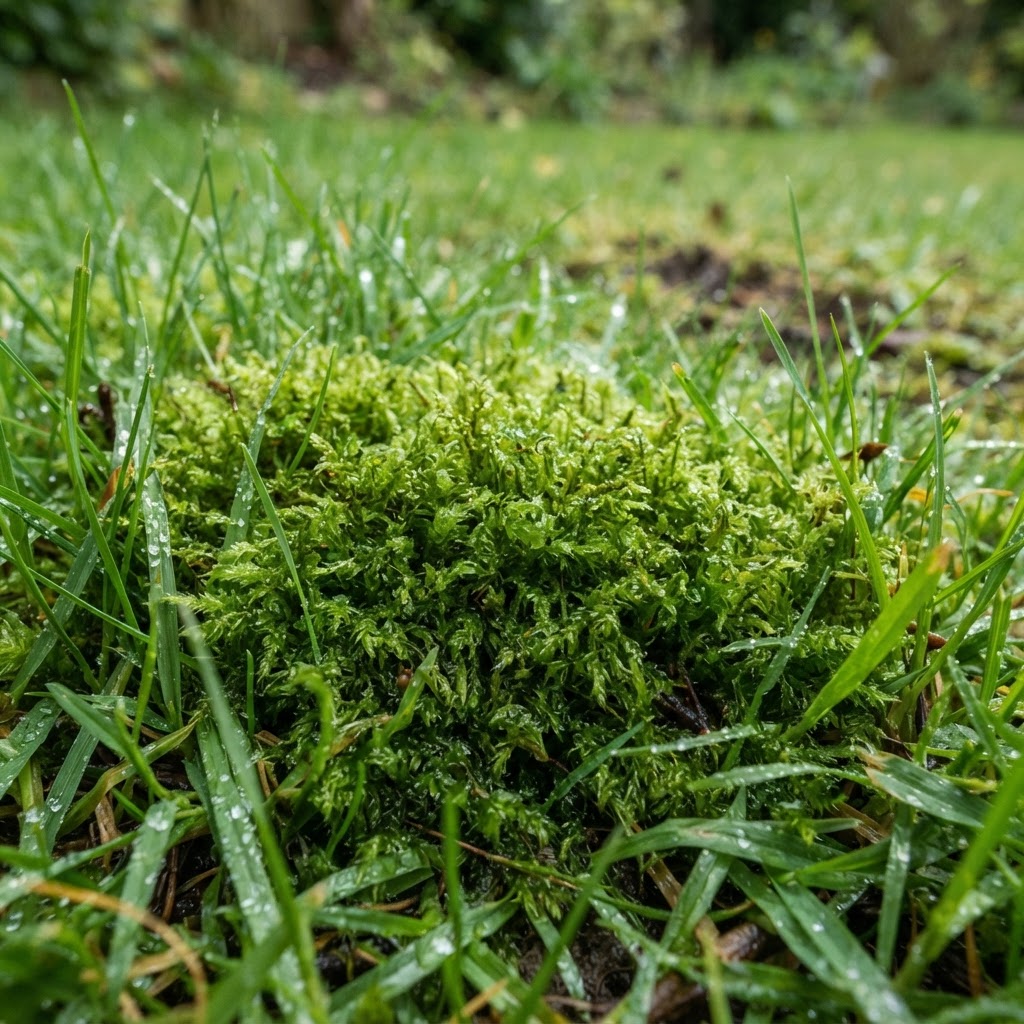
Then there is the temptation to rely on fertiliser alone. If moss is dominant, that usually signals weak grass cover, shade, compaction, acidity, excess moisture or a mix of all four. Feeding may help the lawn compete better, but if the conditions still favour moss, the problem returns.
Feeding established lawns versus newly seeded areas
Established turf can handle stronger seasonal products because it already has a developed root system and a full leaf canopy. It can make use of nitrogen quickly, provided moisture is available.
Newly seeded or recently overseeded ground needs a gentler approach. Here, establishment is the priority. A pre-seeding fertiliser supports germination and rooting without forcing soft, unstable top growth. Once the new grass has been mown several times and is clearly established, it can move onto a regular seasonal programme.
This distinction is particularly useful when renovating patchy lawns. If half the lawn is mature turf and the other half has been reseeded, one blanket treatment may not suit both areas equally well. In practice, that often means treating renovation work in phases rather than trying to do everything with a single bag.
Why timing matters more than people think
The best fertiliser in the wrong month will underperform. Lawns respond to temperature and moisture, not wishful thinking.
In spring, wait until growth has properly started. In summer, feed with caution during hot, dry periods unless irrigation is available. In autumn, shift the balance towards root strength and resilience rather than lush colour. That rhythm is more reliable than following a fixed date every year, because UK weather seldom behaves identically from one season to the next.
For homeowners, that means watching conditions rather than rushing. For contractors, it means planning programmes with some flexibility built in. A schedule is useful, but a lawn still needs to be read on site.
A well-fed lawn does not necessarily look overblown or unnaturally dark. More often, it looks even, dense and composed. It recovers faster after wear, competes better with moss and weeds, and carries itself through difficult weather with less drama. If you want that sort of result, stop treating fertiliser as a cosmetic extra and start treating it as part of the groundwork. That is where reliable lawns are built.