

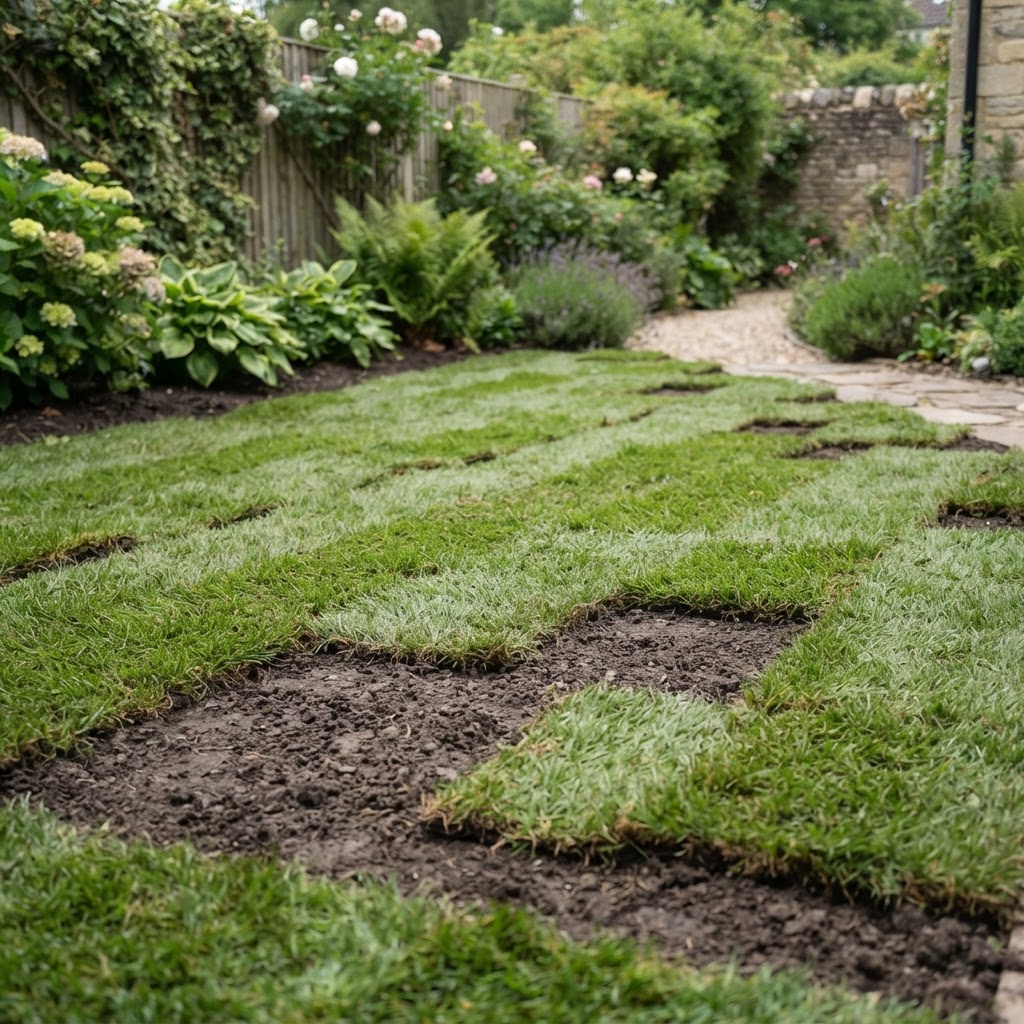
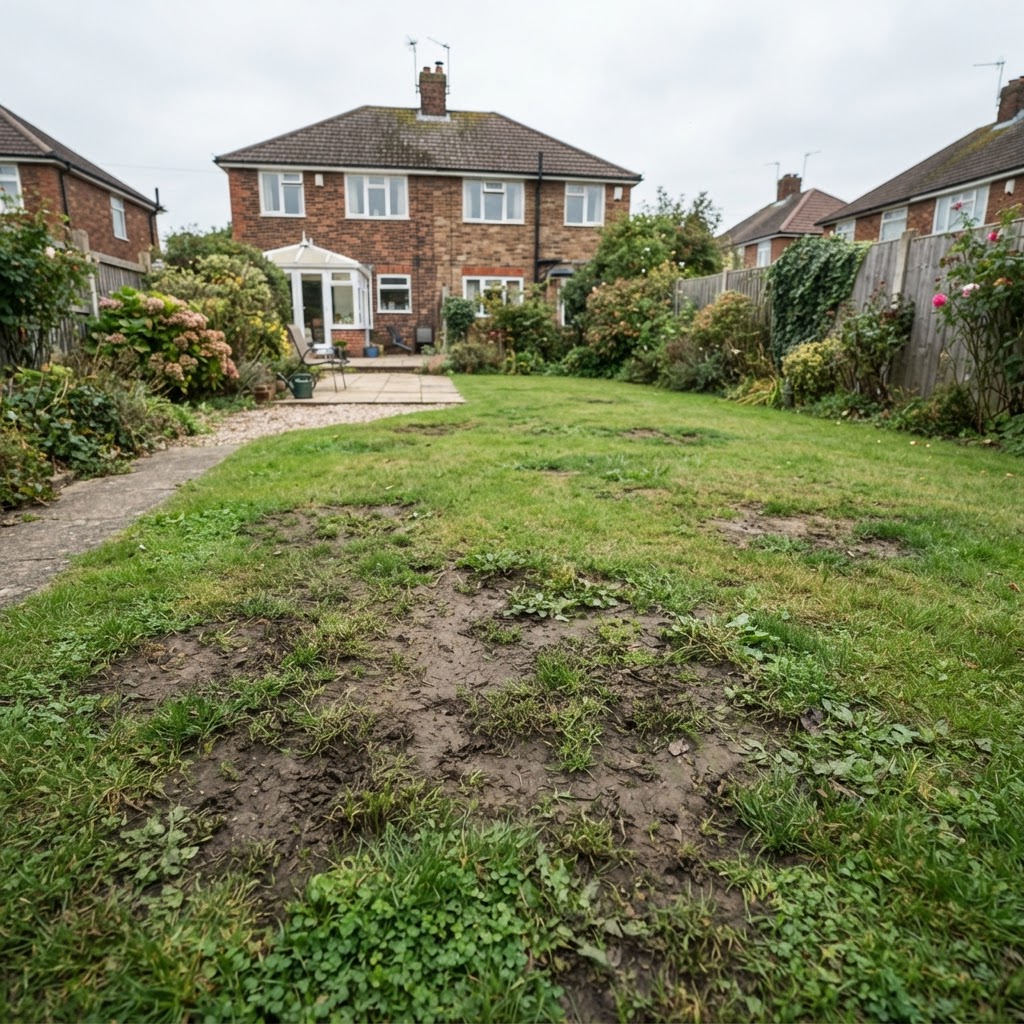
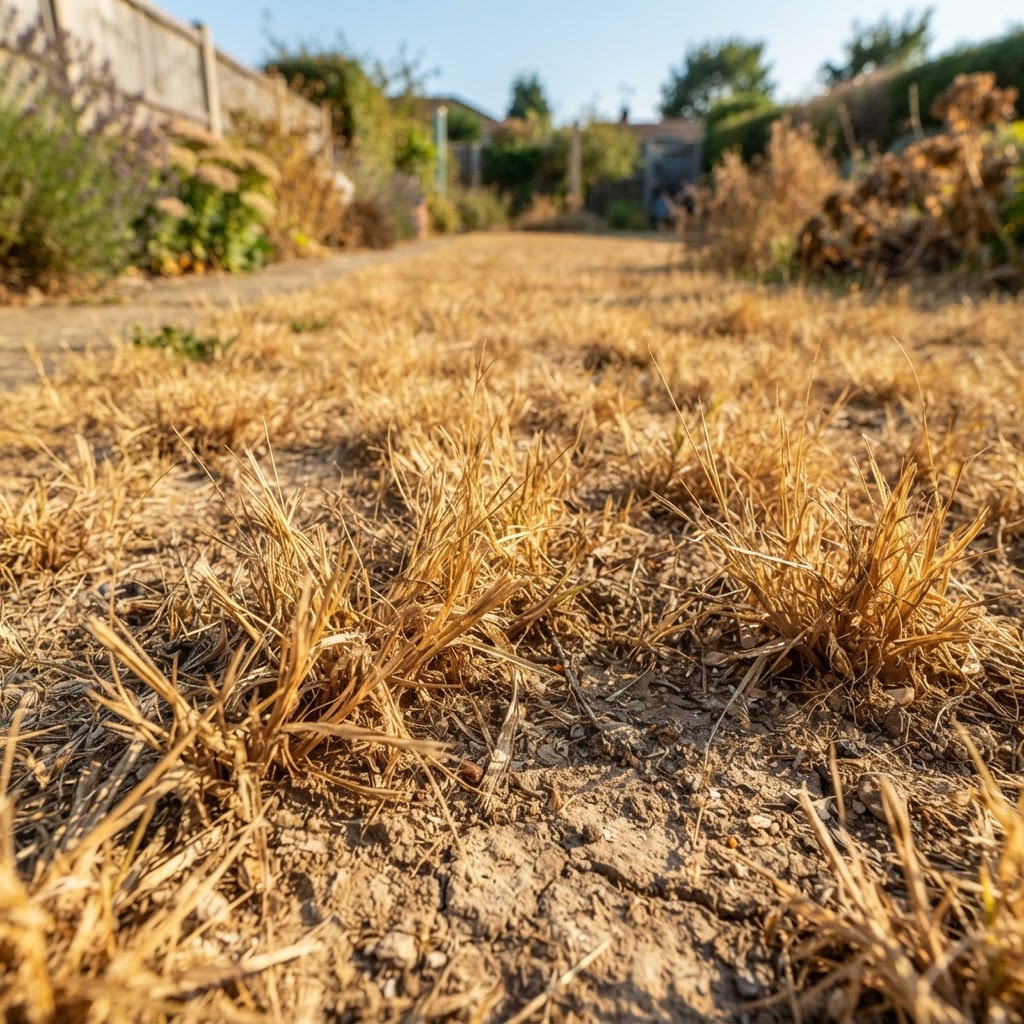
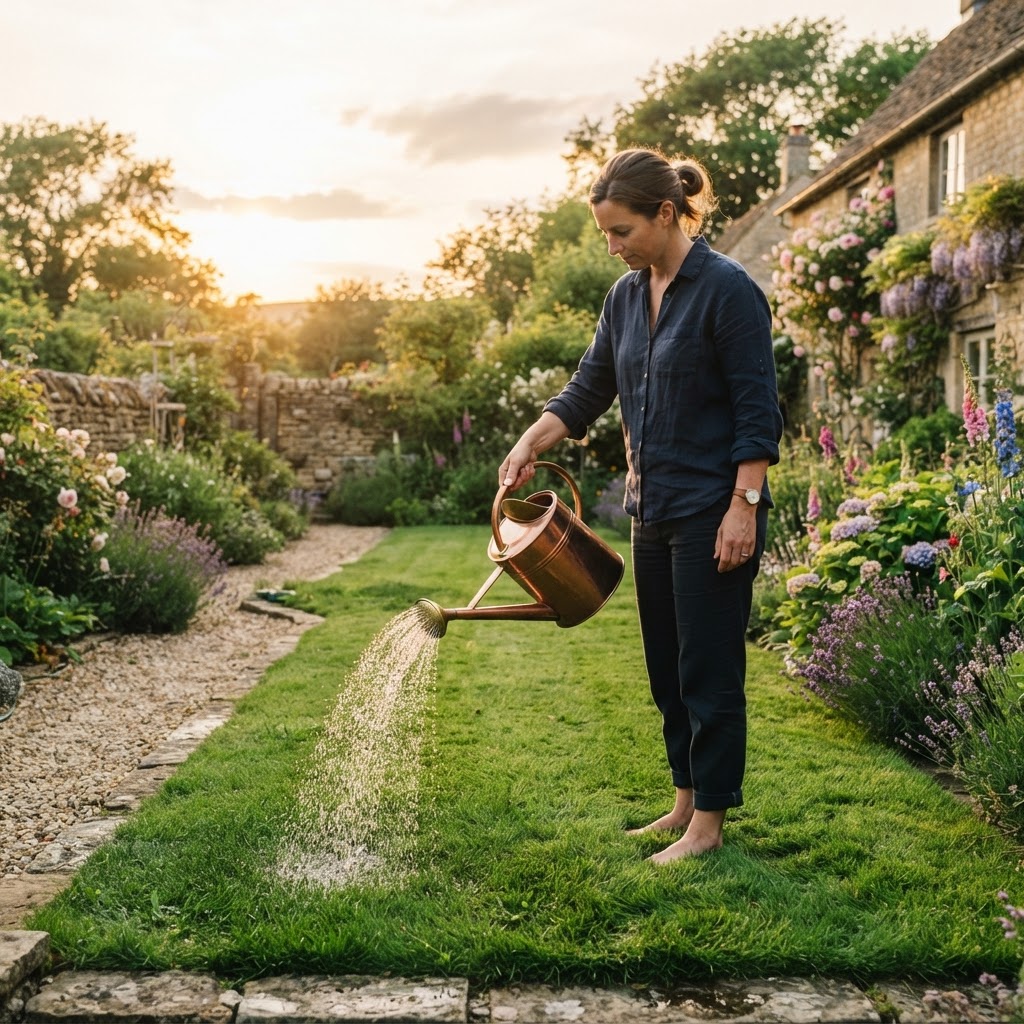
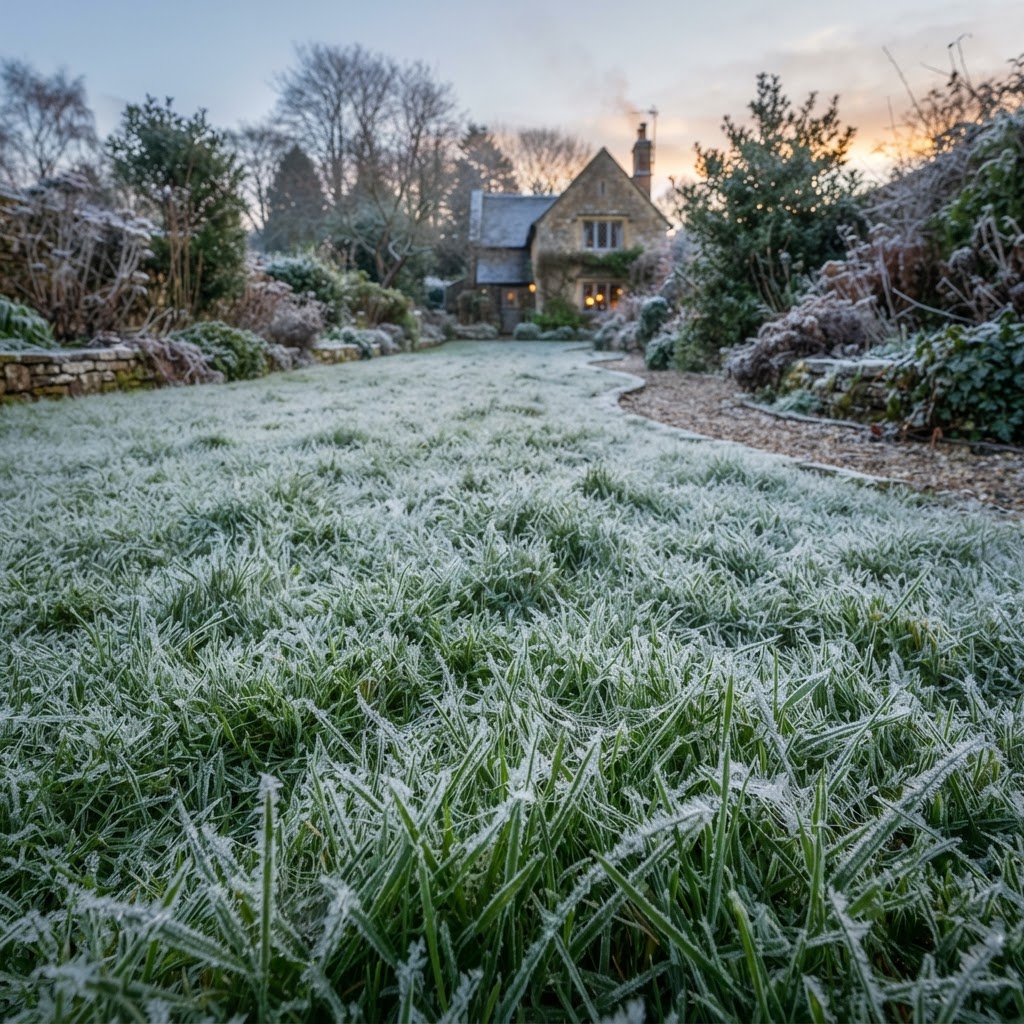
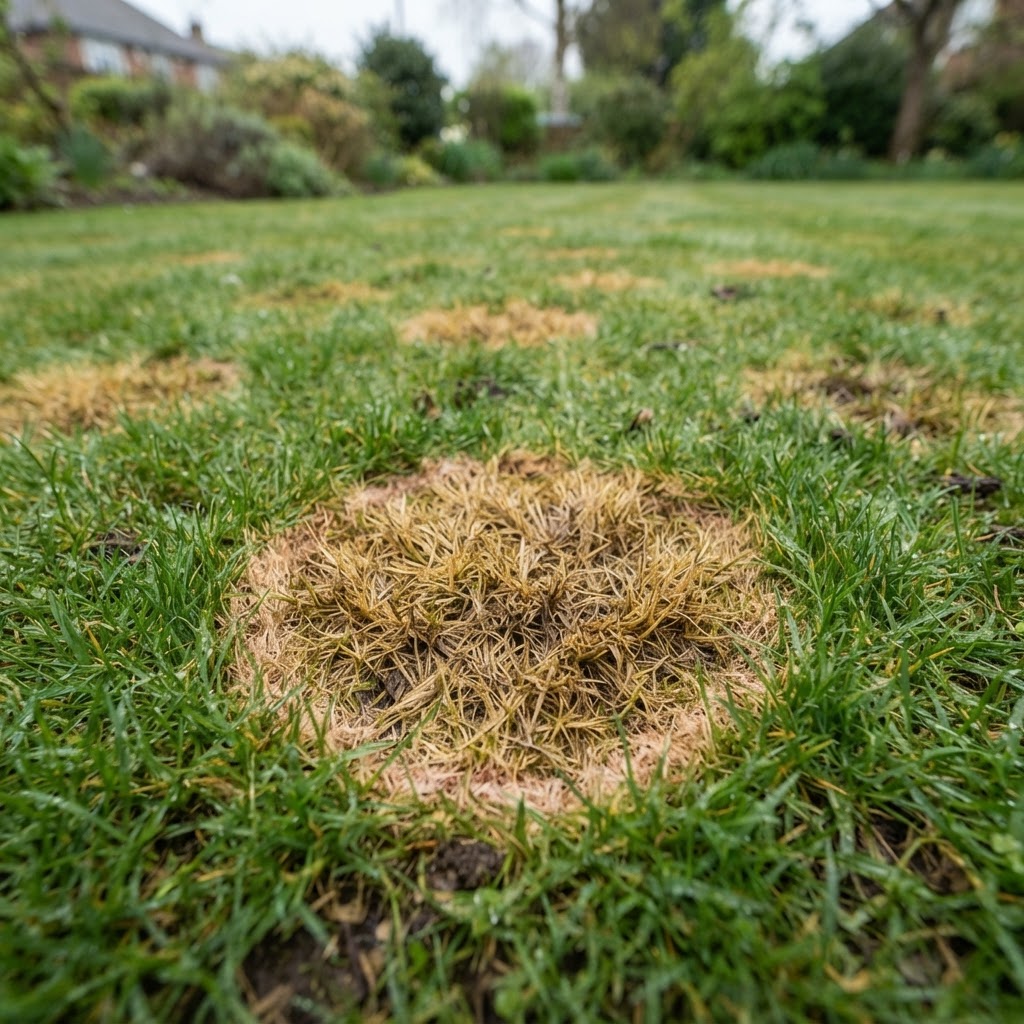
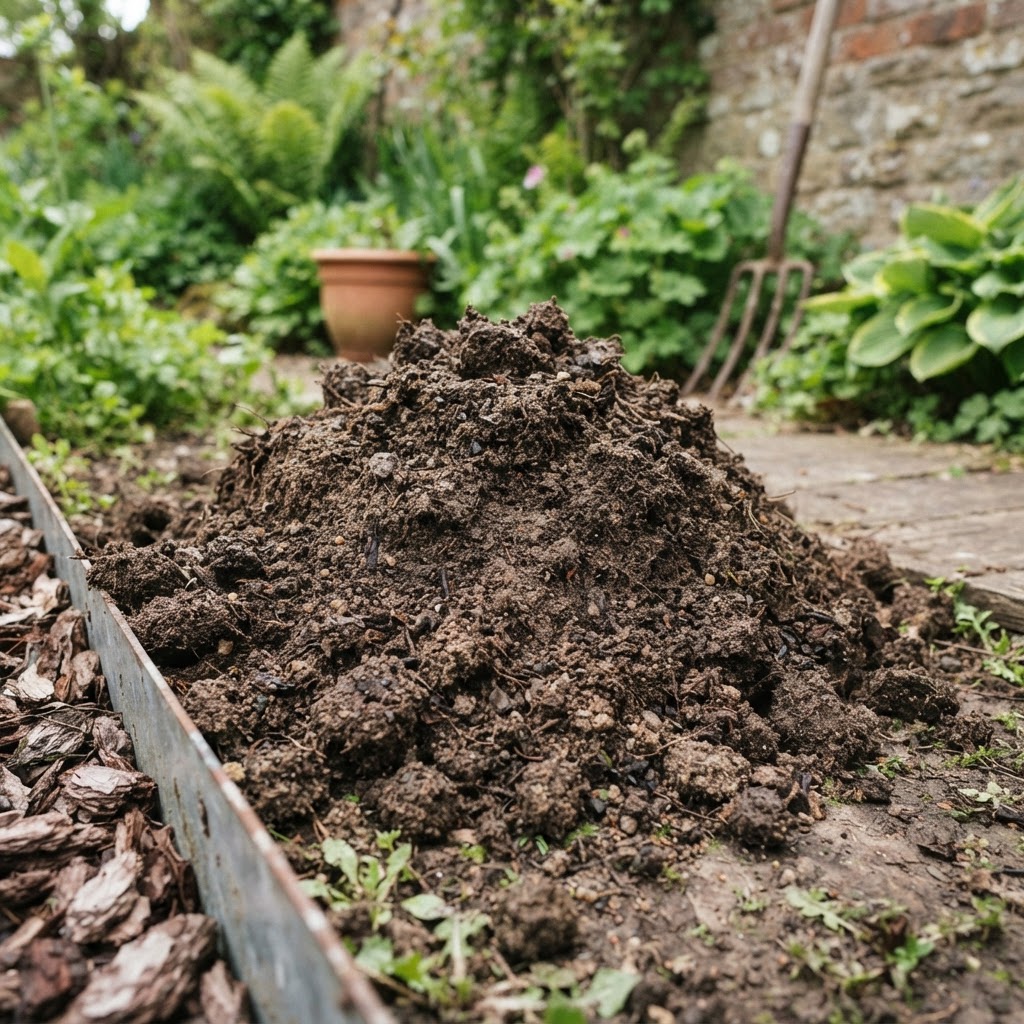
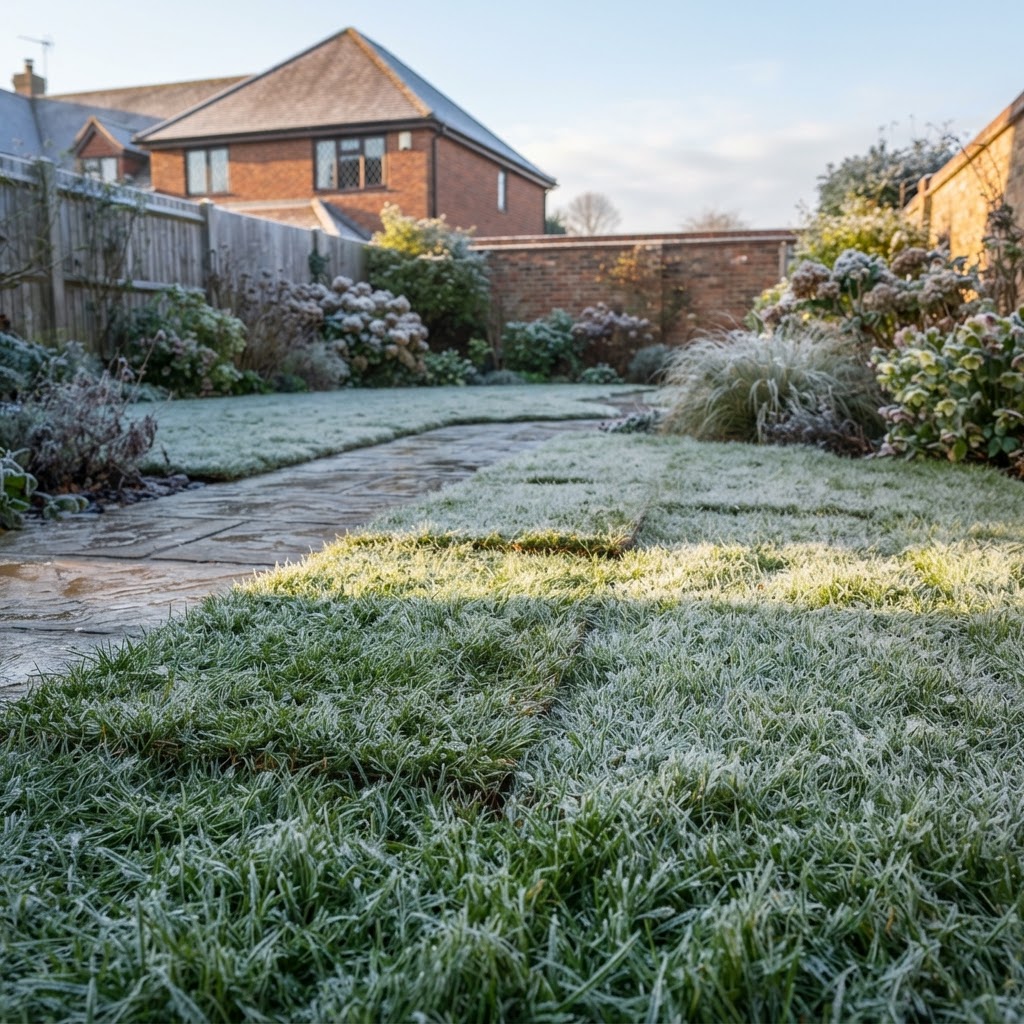
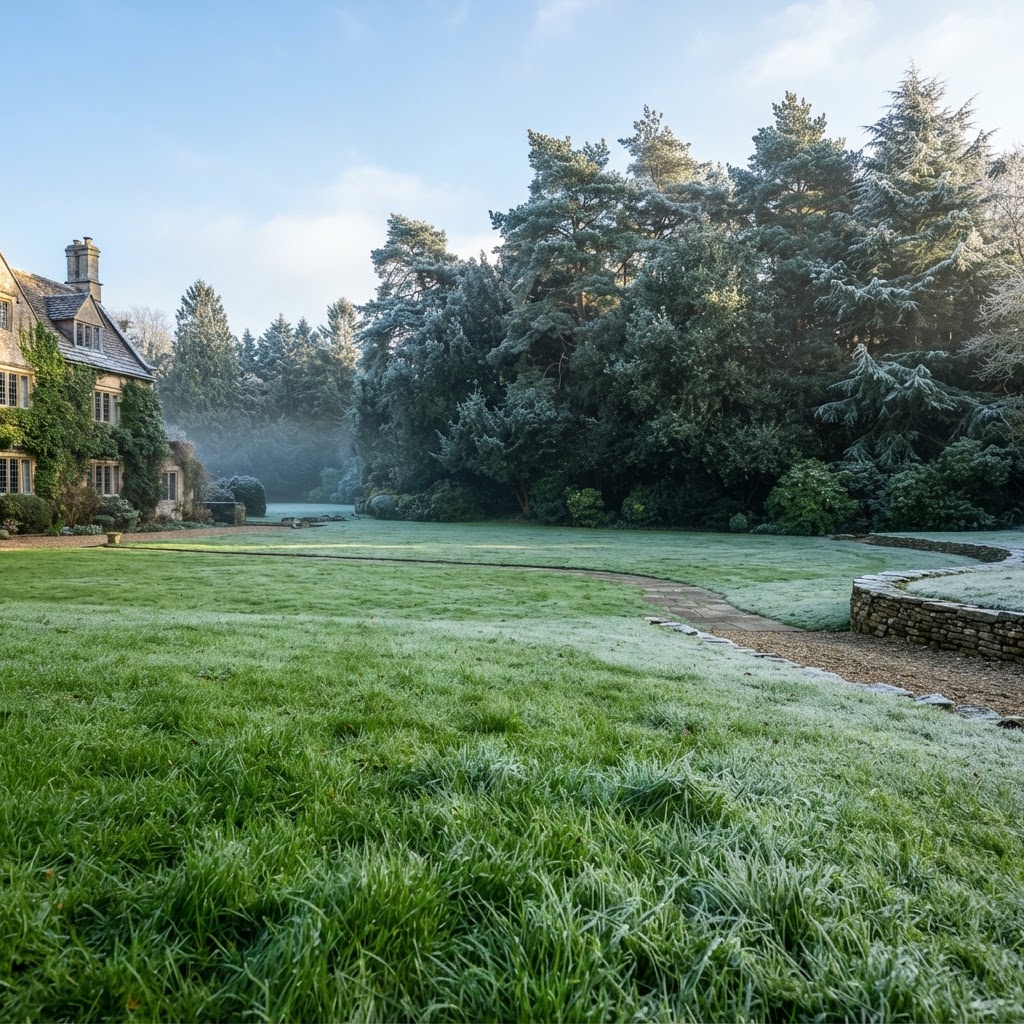
A lawn beneath a mature oak, beside a north-facing wall or under the canopy of conifers faces a different job from an open, sunny lawn. Shade tolerant lawn seed is engineered for these lower-light conditions, but seed alone cannot overcome deep shade, compacted soil and persistent moss. The best results come from matching the mixture to the site, then preparing and managing that area accordingly.
What makes shade difficult for grass?
Grass needs light to photosynthesise, produce carbohydrates and build roots. In shade, growth is naturally slower and the turf has less energy available to recover from mowing, foot traffic, drought or disease. Trees add a second challenge: their roots compete directly with grass for water and nutrients, while leaves and needles can restrict light and hold moisture at the surface.
The key distinction is between light shade and dense shade. A lawn that receives several hours of filtered light, or morning sun followed by afternoon shade, can usually support a good cover of grass. An area that remains dark throughout the day, especially beneath dense evergreen growth, may never produce a hard-wearing lawn. In that situation, forcing more seed into the ground becomes an expensive cycle of failure.
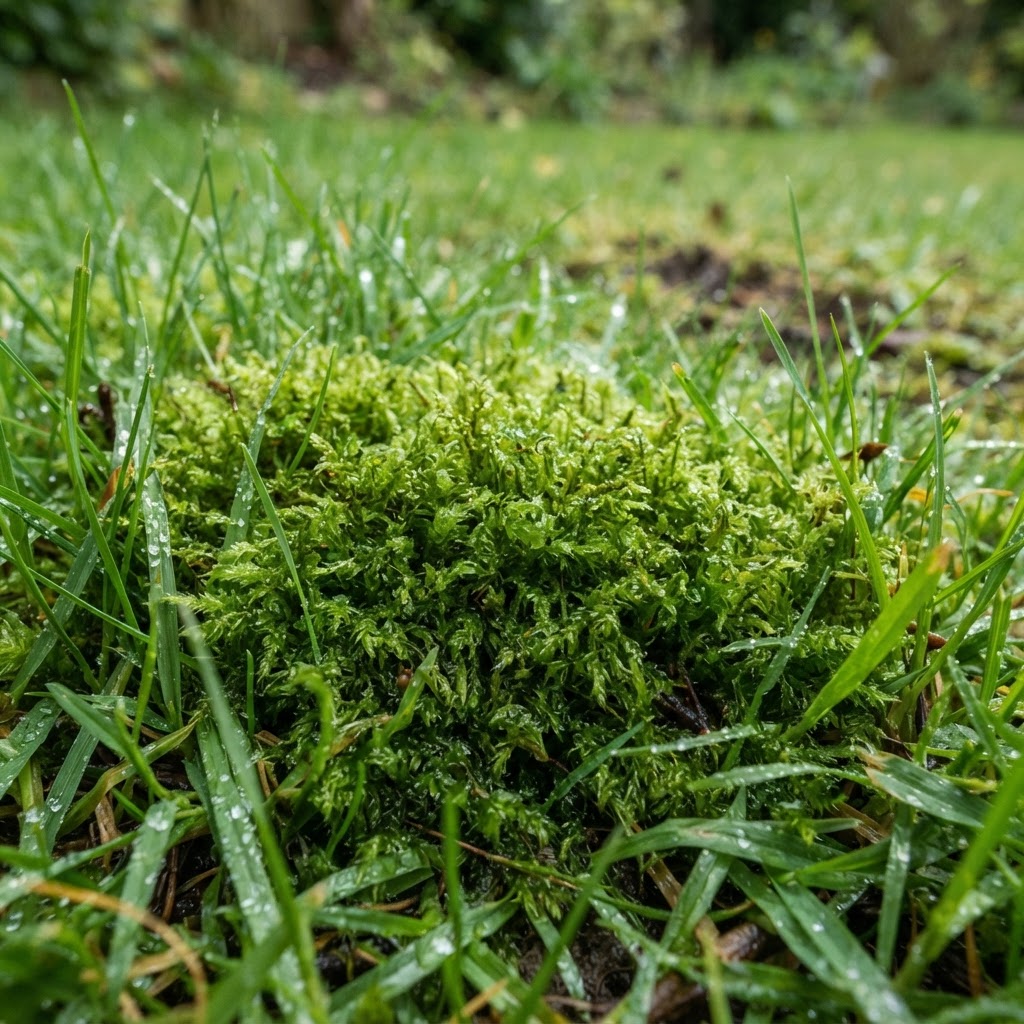
Shade also encourages moss. Moss does not usually cause the underlying problem. It takes advantage when grass is thin because the soil is wet, compacted, acidic, poorly drained or starved of light. Killing moss without addressing those conditions leaves space for it to return.
Which grass species belong in shade tolerant lawn seed?
A proper shade mixture should contain grass species that perform under lower light, rather than relying solely on fast germination. Fine fescues are usually the foundation. They produce fine leaves, tolerate lower fertility and cope better with shade than many general-purpose lawn grasses.
Fine fescues provide the shade tolerance
Chewings fescue and slender creeping red fescue are particularly valuable in a shaded mixture. Chewings fescue forms a neat, dense tufted sward with a fine appearance. Slender creeping red fescue spreads through short underground stems, helping thinner areas knit together over time. Strong creeping red fescue may also be used where some recovery and ground cover are needed.
These grasses establish more steadily than a ryegrass-heavy mixture. That is a trade-off worth accepting where light is limited. A shaded lawn is not a race for the first green shoots. It needs species that can still be present after the first wet winter and another season of leaf fall.
Perennial ryegrass has a limited but useful role
Dwarf perennial ryegrass can provide quicker establishment and improved tolerance of everyday use. It is useful in partial shade near paths, patios and family seating areas, where the lawn receives reasonable daylight but needs to recover from traffic.
However, ryegrass is not the answer for heavily shaded ground. Too high a percentage can leave the lawn looking vigorous at first, then thinning as the shaded conditions take hold. For difficult sites, a fescue-led blend is normally the sounder specification.
Smooth-stalked meadow grass is sometimes included in hard-wearing mixtures for its ability to spread and repair. It generally prefers more light and can be slow to establish, so it should not be the main component of a seed mix intended for deep or persistent shade.
Assess the site before you sow
Take a full day to observe the area before choosing seed. Note direct sunlight, not simply daylight. An east-facing lawn may receive useful morning sun, while a narrow strip beside a tall fence may receive almost none. The amount of shade changes through the year too: deciduous trees allow much more light through in early spring than they do in June.
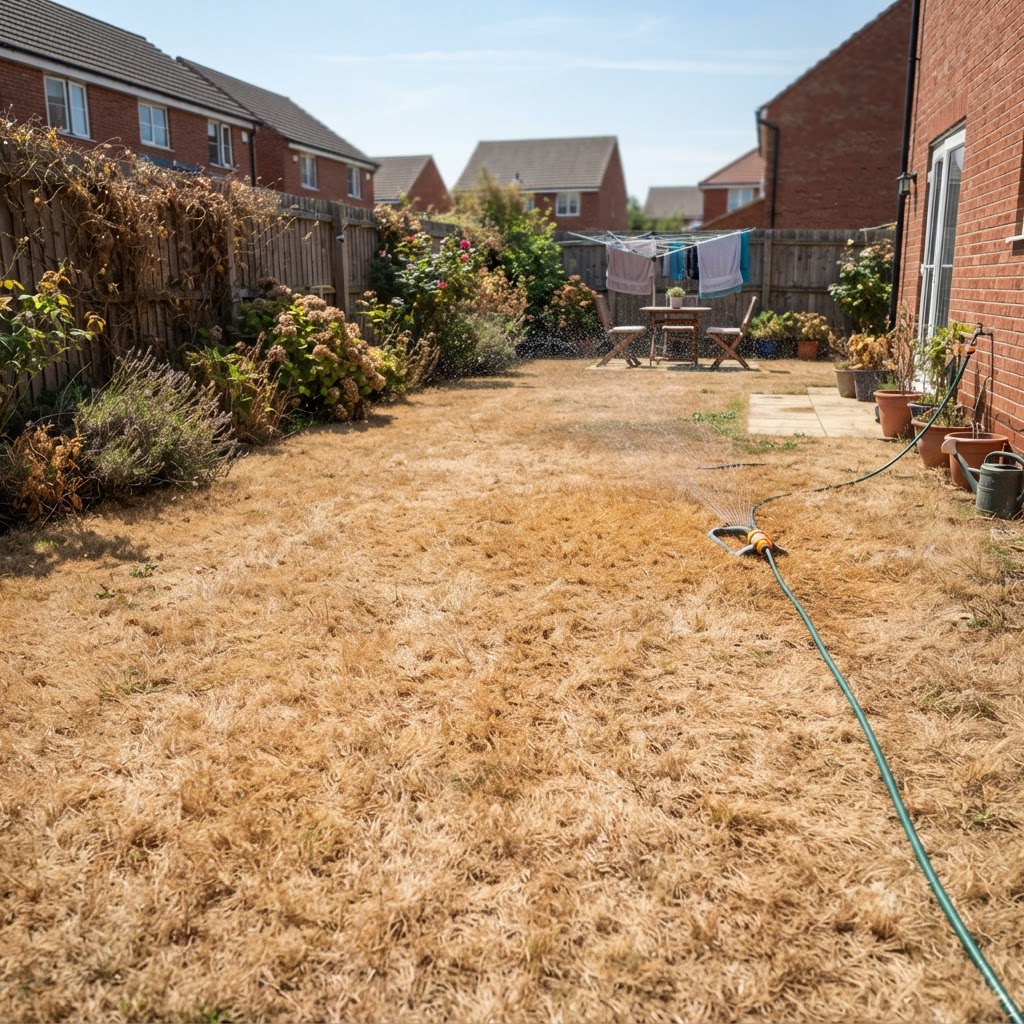
Check the soil at the same time. Push a border fork into several points across the area. If it is difficult to penetrate, compaction is likely restricting roots and drainage. If water sits on the surface after rain, aeration and drainage need attention before sowing. If the soil beneath conifers is dry and full of fibrous roots, the priority is moisture management rather than extra fertiliser.
A soil test is worthwhile where shade, moss and poor grass cover have been recurring for several years. It gives a measured view of pH and nutrient status rather than relying on guesswork. Grass generally performs best in moderately acidic to neutral soil, but do not apply lime simply because moss is present. Raising pH where it is already suitable can create a different problem.
How to establish a shaded lawn properly
Early autumn is often the strongest sowing window for shade tolerant lawn seed in the UK. The soil is still warm from summer, rainfall is usually more reliable and tree canopies may begin to thin as leaves fall. Spring sowing can also work, but young seedlings then face the pressure of dry spells and rapidly increasing leaf cover.
Start by removing weeds, old moss, stones and surface debris. If renovating an established lawn, scarify only as aggressively as the turf can tolerate. A severely mossy, compacted lawn may need more than superficial scratching: it may need hollow-tine aeration, followed by removal of cores and a light topdressing to improve the surface.
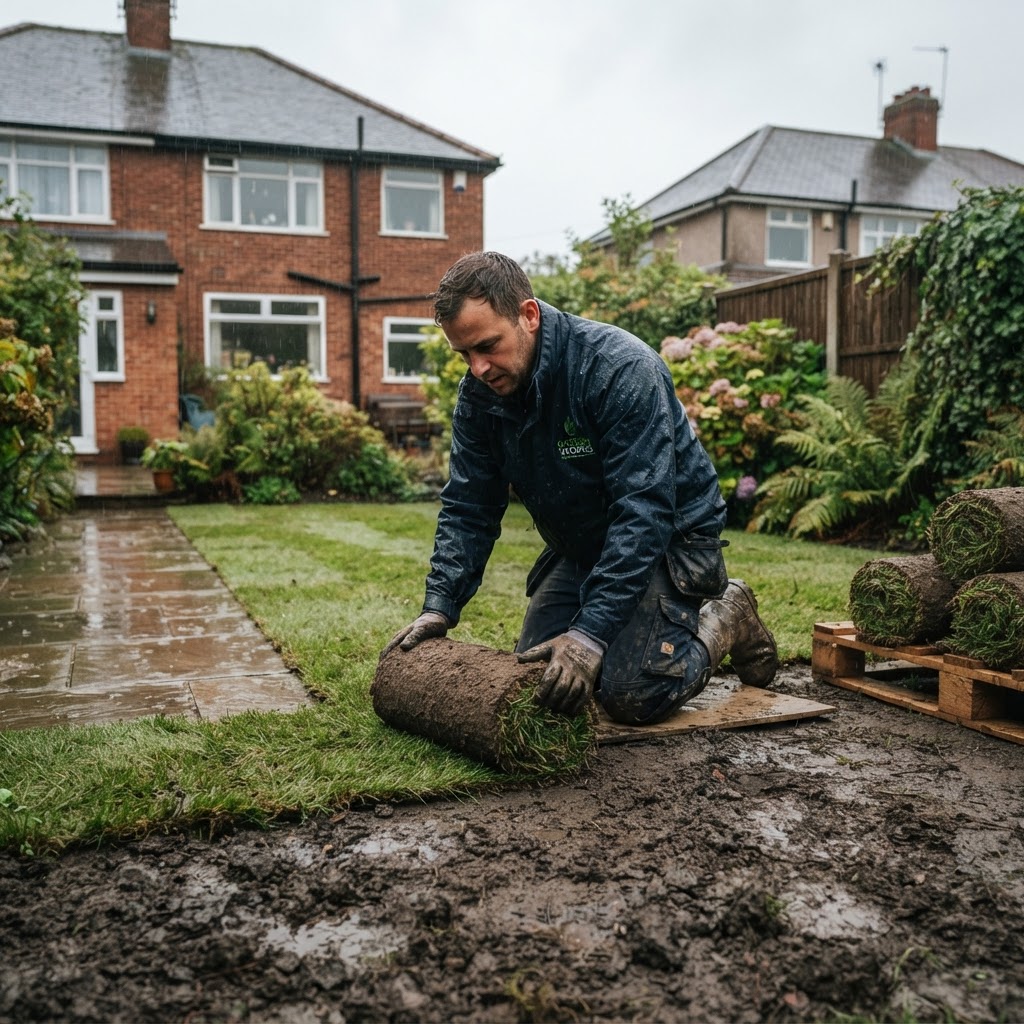
For a new lawn, cultivate the upper soil layer, break down large clods and level the area carefully. Avoid creating an overworked powdery surface. Firm the ground by treading or rolling lightly, then rake to create a fine, open seedbed. The soil should be firm enough that a footprint is shallow, but not hard and sealed.
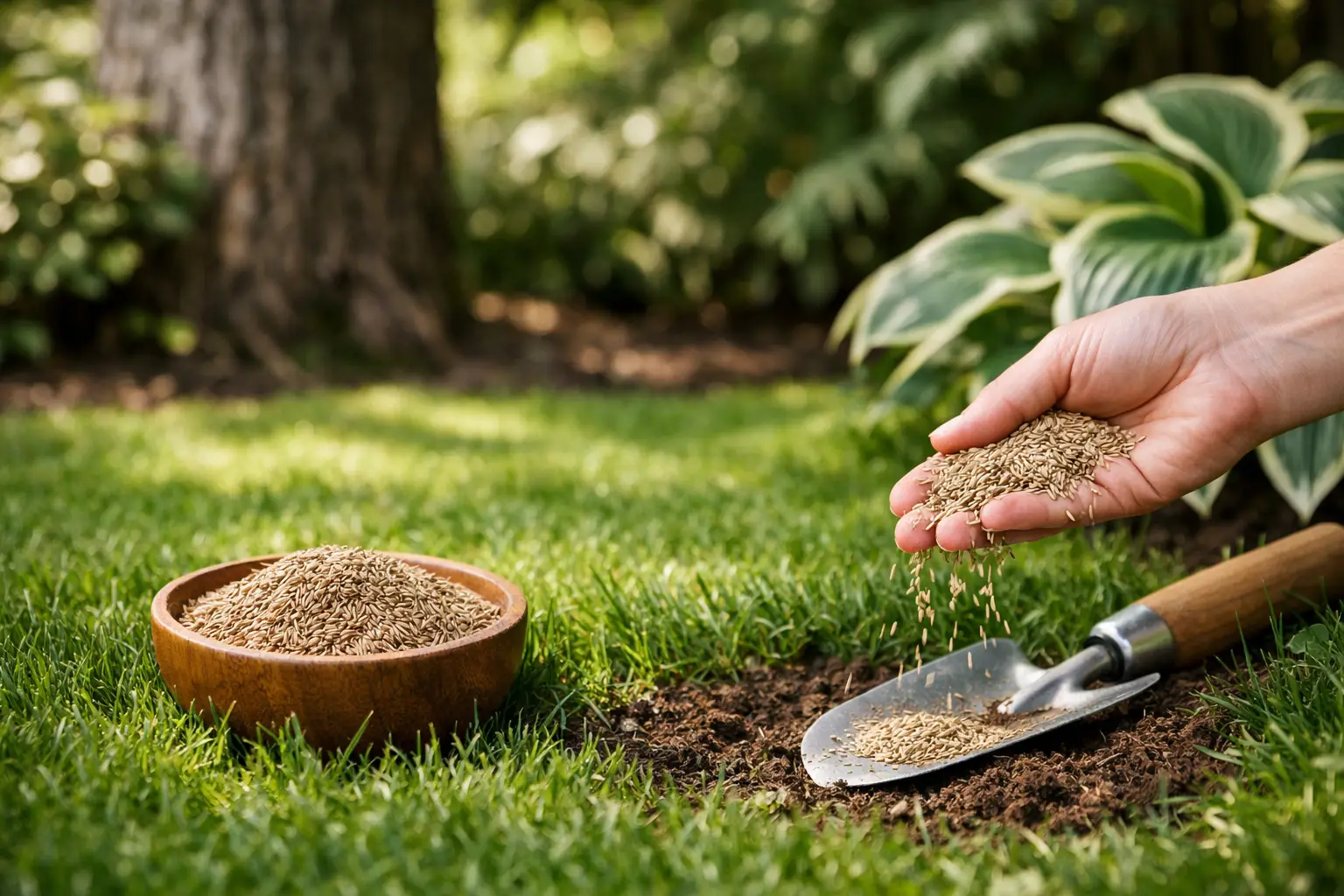
Apply seed evenly at the rate stated for the mixture. Sowing in two directions, with half the seed spread lengthways and half across, makes missed strips less likely. Rake it in lightly so most seed sits just beneath the surface, then firm again to ensure seed-to-soil contact. Do not bury lawn seed deeply. It needs moisture and contact with the soil, but it also needs access to light as it germinates.
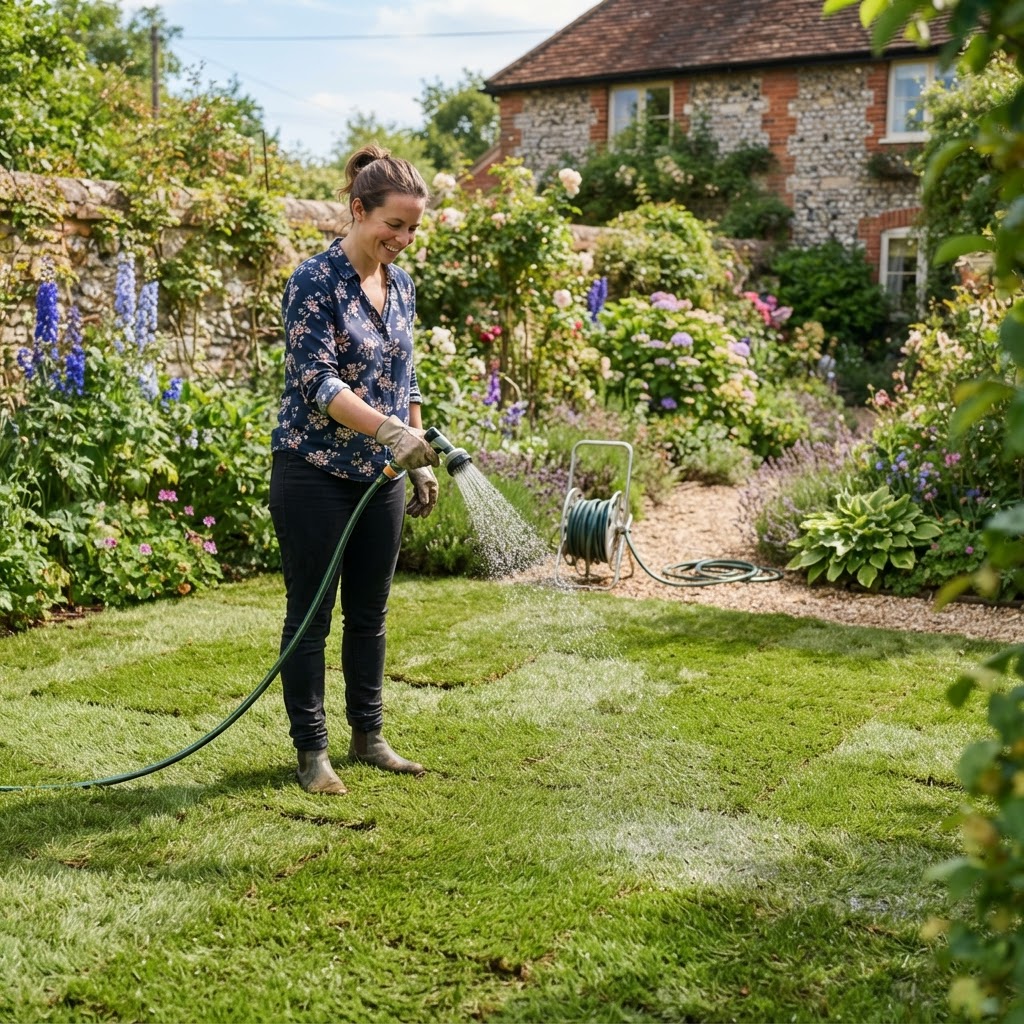
A balanced pre-seeder fertiliser can support rooting at establishment. A 6-9-6 analysis, for example, provides a measured balance of nitrogen, phosphate and potassium without pushing soft, excessive top growth. Apply only at the recommended rate and keep the seedbed evenly moist through germination. In dry weather, light watering more frequently is more effective than occasional heavy soaking that washes seed into low spots.
Depending on temperature and moisture, early germination may appear within 7 to 21 days. Fine fescues can be more patient than ryegrass. Do not assume a mix has failed simply because one species emerges before another.
Managing shade tolerant grass after germination
The first cut should be taken when the new grass is around 7 to 8 cm tall and rooted firmly enough that it does not pull from the soil. Use a sharp mower blade and remove only the top third of growth. After that, maintain a higher cutting height than you would on a sunny ornamental lawn.
For most shaded domestic lawns, a mowing height of roughly 50 to 60 mm gives the grass more leaf area to capture limited light. Cutting too low weakens the plant and exposes bare soil for moss to colonise. During dry, hot or very shaded periods, raise the mower another notch.
Clear fallen leaves promptly in autumn. A thin scattering can be mulched, but a wet layer of leaves blocks light, traps moisture and encourages disease. Under dense trees, regular collection is not cosmetic work. It is part of the lawn maintenance programme.
Water deeply during prolonged dry weather, particularly where tree roots are present. Shade does not always mean damp soil. Many shaded lawns are surprisingly dry beneath broad-leaved trees because rain is intercepted by the canopy and roots take available moisture first.
Feed with restraint. Heavy nitrogen can produce lush growth that is difficult to sustain in low light and may increase disease risk. Use a seasonal fertiliser appropriate to the time of year, with an autumn formulation favouring potassium to support root strength and winter resilience. Ransley Pro Grow mixtures and fertilisers are designed around this practical principle: establish a capable root system, rather than chasing temporary surface colour.
When grass is not the right finish
There is no lawn seed that will thrive in complete darkness. If an area receives less than a few hours of useful daylight, remains dry beneath dense conifers, or is constantly compacted by people and pets, consider a different surface. Shade-loving ground cover, bark mulch, gravel, paving or a planted border can be a better long-term solution and reduce maintenance considerably.
For marginal areas, it can also make sense to define the lawn edge rather than fight for turf beneath every branch. Lightly lift lower tree limbs where appropriate and permitted, remove only what is necessary, and retain a clear border around trunks. Never remove major roots to make room for grass, as this can damage the tree and destabilise the soil.
A shaded lawn will usually be finer, slower-growing and less tolerant of wear than a sunlit one. That is normal, not a defect. Choose a fescue-led mixture, keep the mowing height sensible, relieve compaction and prevent leaf build-up. Given enough filtered light and a properly prepared seedbed, the lawn can become a healthy, durable green space rather than a recurring moss problem.