

A few white clover leaves in a hard-wearing family lawn are rarely a disaster. A spreading mat of clover through a fine lawn, however, is a different matter. It competes with grass for space, disrupts an even finish and becomes far more visible after mowing. The best weedkiller for clover is usually a selective lawn herbicide, chosen for the clover species present and applied when both the weed and grass are actively growing.
The key word is selective. A proper lawn weedkiller is formulated to control broad-leaved weeds while leaving established grasses unharmed when used exactly to the label. It is a very different tool from a total weedkiller, which will kill the lawn along with the clover.
What is the best weedkiller for clover?
For most established UK lawns, the best all-round choice is a selective systemic herbicide whose label specifically lists clover. Look for professional or domestic lawn treatments containing active ingredients such as MCPA, mecoprop-P, dicamba, fluroxypyr or clopyralid. The exact active ingredients vary by product, and only the product label can confirm which weeds, grass species, application rate and timing are approved.
Systemic herbicides are absorbed through the clover leaf and moved through the plant. This matters because white clover creeps along the soil surface on stolons, rooting at several points as it spreads. Burning off the visible leaves without affecting that growth network often leads to rapid regrowth.
A liquid selective herbicide is usually the strongest option
A liquid selective weedkiller is generally the most precise choice for clover patches or a lawn with widespread infestation. It gives even coverage when applied with a correctly calibrated sprayer and allows the operator to treat the affected lawn without adding nutrients that may not be needed.
Products with more than one active ingredient can offer broader control across common lawn weeds, including daisies, plantains and dandelions as well as clover. This is useful where the lawn has several weed types, not simply a few clover plants. For a contractor, it also avoids multiple passes with separate products.
Clover can take time to show a full response. Leaf distortion, yellowing and decline may appear over several weeks, particularly in cooler weather. Do not assume a treatment has failed because the clover remains green after a few days.
Granular treatments suit lawns with moss and weak growth
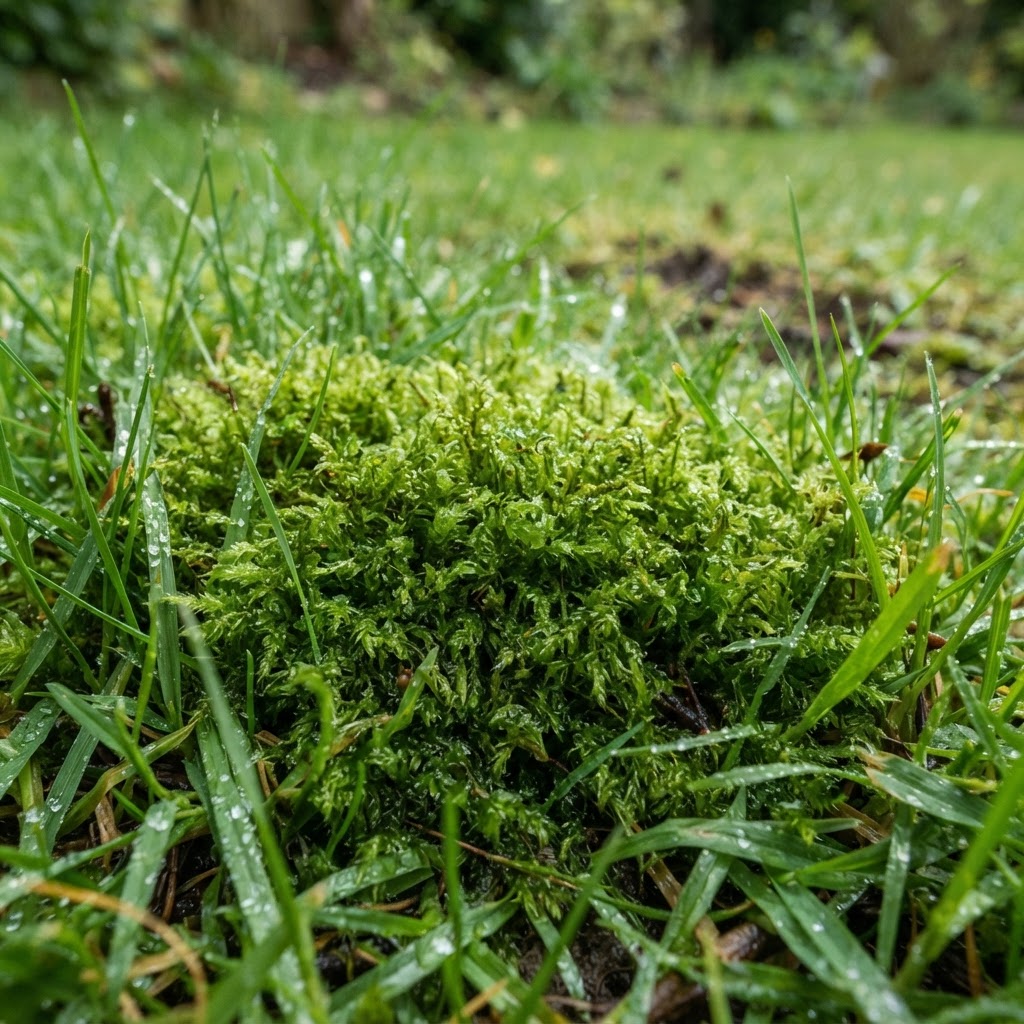
A granular three-in-one treatment can be the better answer where clover is only one part of the problem. If the lawn also has moss and lacks colour, a product combining selective weed control, moss control and fertiliser can save a separate operation. Ransley Pro Grow's Renovator Pro is designed for this type of renovation work.
There is a trade-off. Granules are less targeted than a spray and should only be used where the entire lawn needs treatment. They also need suitable moisture and application conditions to work properly. Never apply a granular treatment simply because clover is visible in one small corner of an otherwise healthy lawn.
Glyphosate is not a lawn weedkiller
Glyphosate-based total weedkillers have a place on driveways, paths and areas being completely cleared before re-turfing or reseeding. They are not the best weedkiller for clover in a living lawn. They do not distinguish between clover and grass, so overspray or drift can leave dead patches that require repair.
First, make sure it is clover
White clover is the usual culprit in British lawns. It has three rounded leaflets, often marked with a pale chevron, and produces small white flower heads that may turn pink as they age. It spreads low and wide, making it particularly noticeable in closely mown turf.
Red clover has taller stems, larger leaflets and pink-red flower heads. It is less typical of a regularly cut lawn but can appear in rougher grass or recently disturbed ground. Both are broad-leaved weeds, but control claims and repeat-treatment guidance can differ between products. Check the label rather than treating every three-leaved plant as the same problem.
Why clover has taken hold
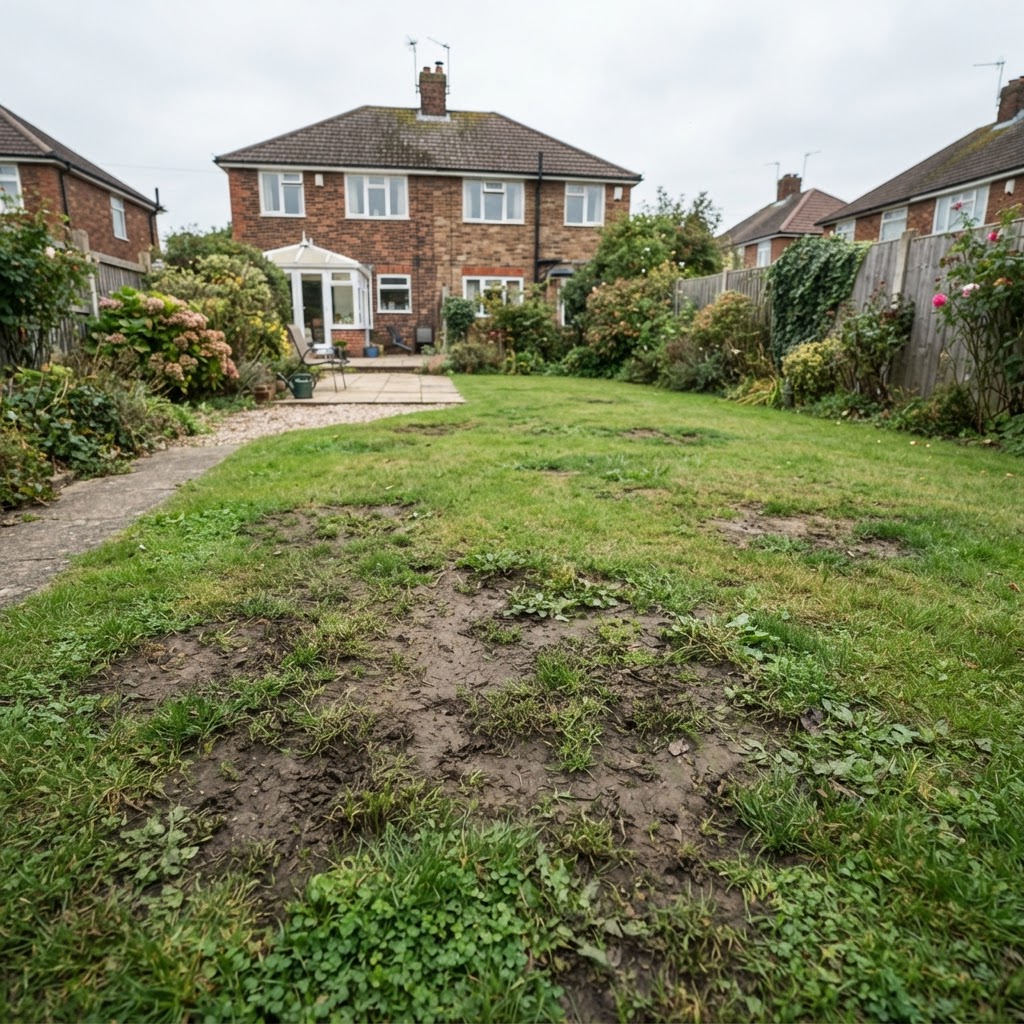
Clover is not always a sign of poor lawn care. It tolerates lean ground, copes well with summer dryness and can use nitrogen from the air through bacteria around its roots. In a thin lawn with compacted soil or low fertility, it has an advantage over grass.
That does not mean the answer is to apply nitrogen indiscriminately. Excess feed can create lush, weak growth and more mowing. The better approach is to correct the condition that gave clover its opening: improve grass density, relieve compaction where required and use a seasonally appropriate fertiliser at the stated rate.
Thin turf is the main invitation. A dense sward shades the soil surface and leaves fewer gaps for clover seedlings and creeping stolons to exploit. Overseeding after weed control is often the practical step that turns a short-term kill into a lasting result.
When to spray clover in a lawn
The most reliable spraying windows are usually spring and early autumn, when clover is in active growth and the grass has enough time to recover. Aim for a dry, still day and follow the product label on temperature, rainfastness and mowing intervals.
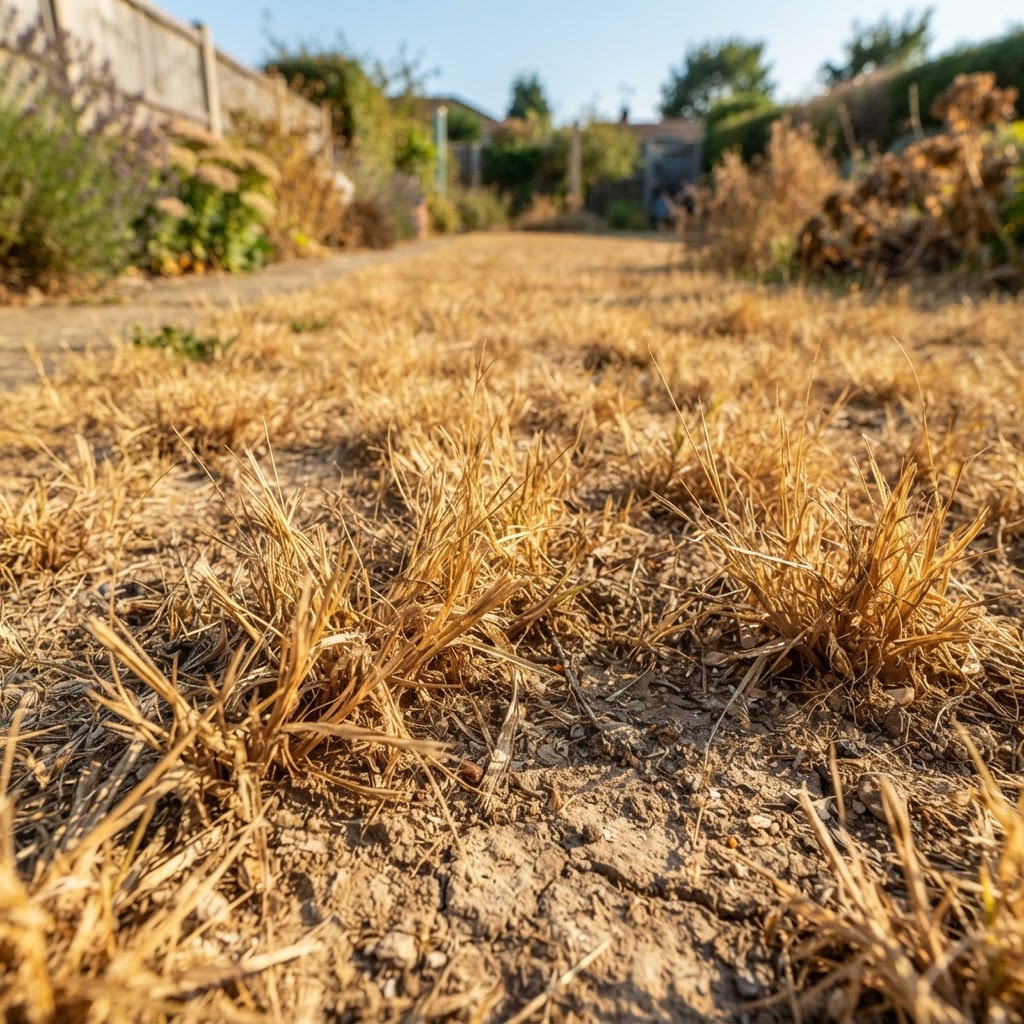
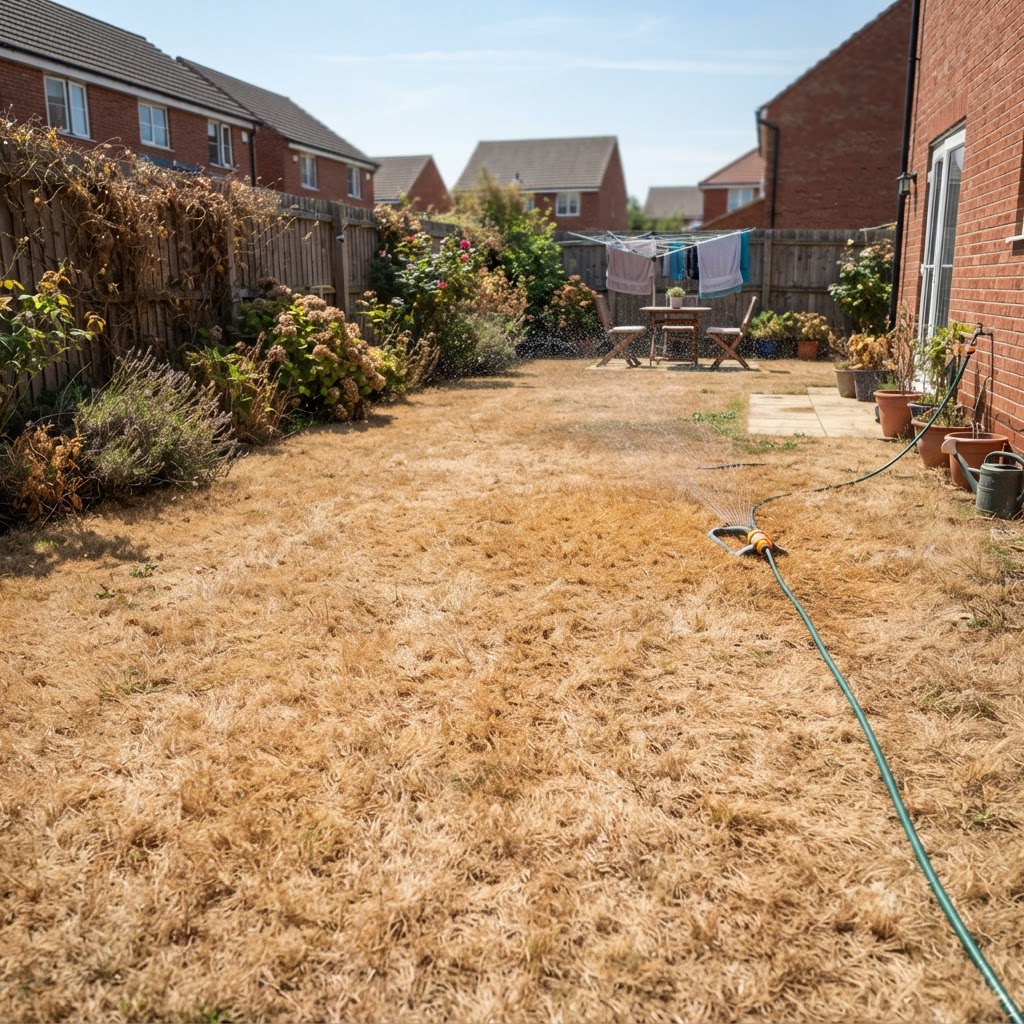
Avoid treating during drought, frost, heat stress or when heavy rain is expected before the spray has dried. A stressed plant may not move the herbicide effectively, while rain can reduce uptake or wash product where it is not wanted. Wind is equally important. Fine droplets can drift onto flower beds, hedges and neighbouring vegetation.
Do not mow immediately before treatment. Clover needs sufficient leaf area to absorb the herbicide. In most cases, allowing a few days after mowing before spraying, then waiting the label-specified period before mowing again, gives better contact and better control.
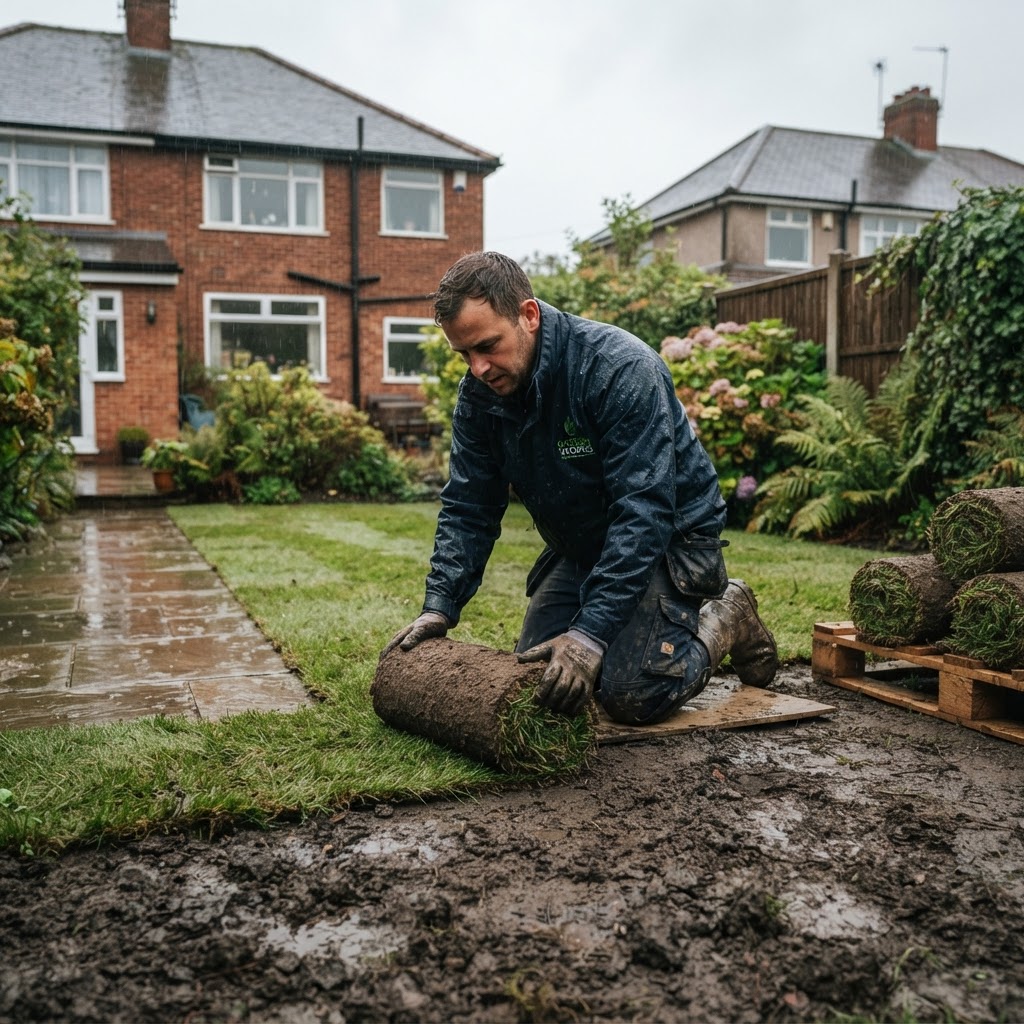
Newly sown lawns need particular care. Young grass is more sensitive than mature turf, and many selective herbicides have a clear minimum interval after sowing or establishment. Read this instruction closely. If a new lawn is full of clover, hand removal or a carefully timed later treatment may be safer than rushing in with a herbicide.
Apply it like a groundsman
Results are often decided by application rather than the name on the bottle. Measure the lawn area first, then mix and apply only the label rate for that area. More concentrate does not improve control. It can damage turf, increase the risk to nearby plants and breach the conditions of use.
Use a clean sprayer reserved for lawn treatments where possible. Apply a consistent, light spray across the leaf surface without creating run-off. For isolated clumps, spot treatment is more economical and protects surrounding clover-free areas from unnecessary chemical use.
Keep children and pets off the treated area until the product label says it is safe to re-enter. Avoid spraying near ponds, drains, watercourses and edible crops. Do not empty leftover spray mix into a drain or onto bare ground. Professional standards apply in a domestic garden too.
Build a lawn that resists clover
Once the herbicide has done its work, give the grass the advantage. Mow regularly at a sensible height for the lawn type, rather than scalping it short. A general-purpose garden lawn commonly performs better when maintained around 25-40 mm, with the higher end useful in dry weather or partial shade.
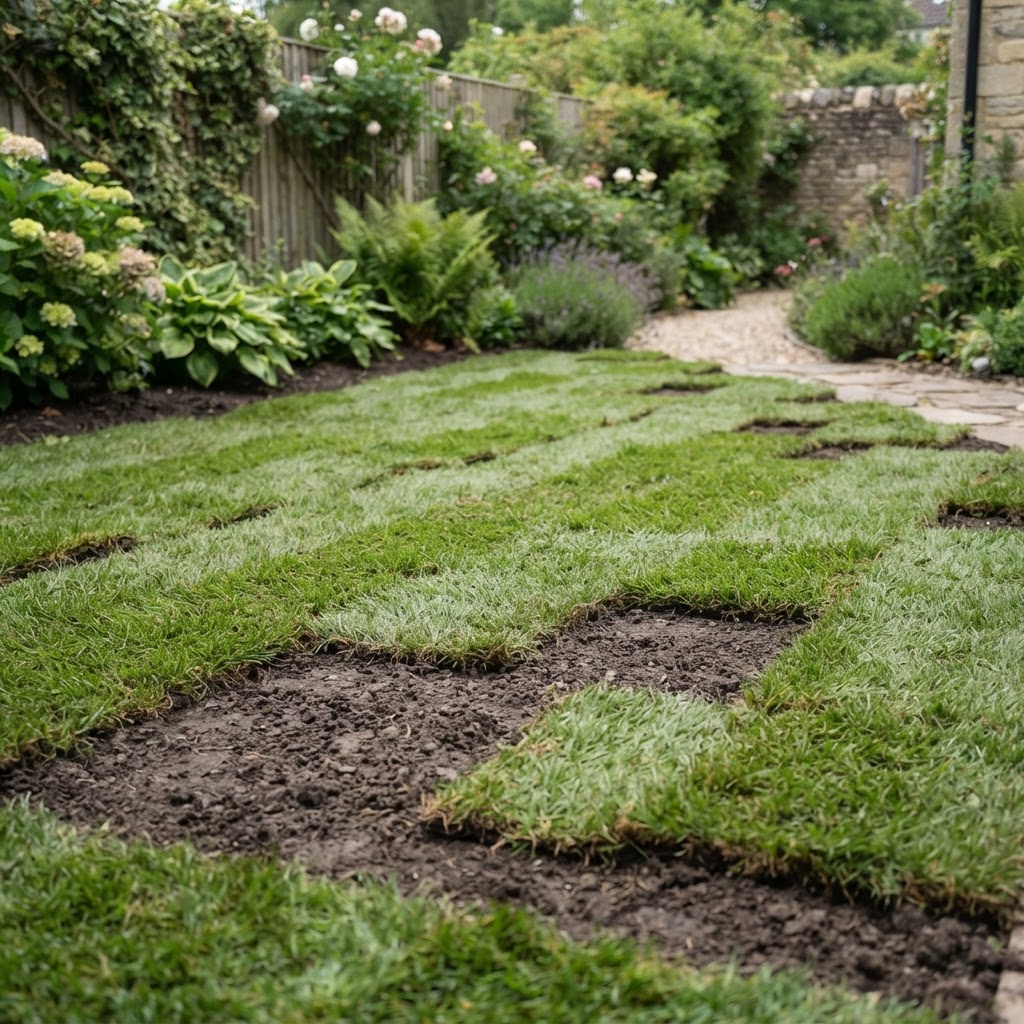
Where the lawn is compacted, aeration improves the movement of air, water and nutrients into the rootzone. Follow with overseeding where turf is sparse. A quality ryegrass and fescue blend can establish into gaps and restore the density that clover dislikes.
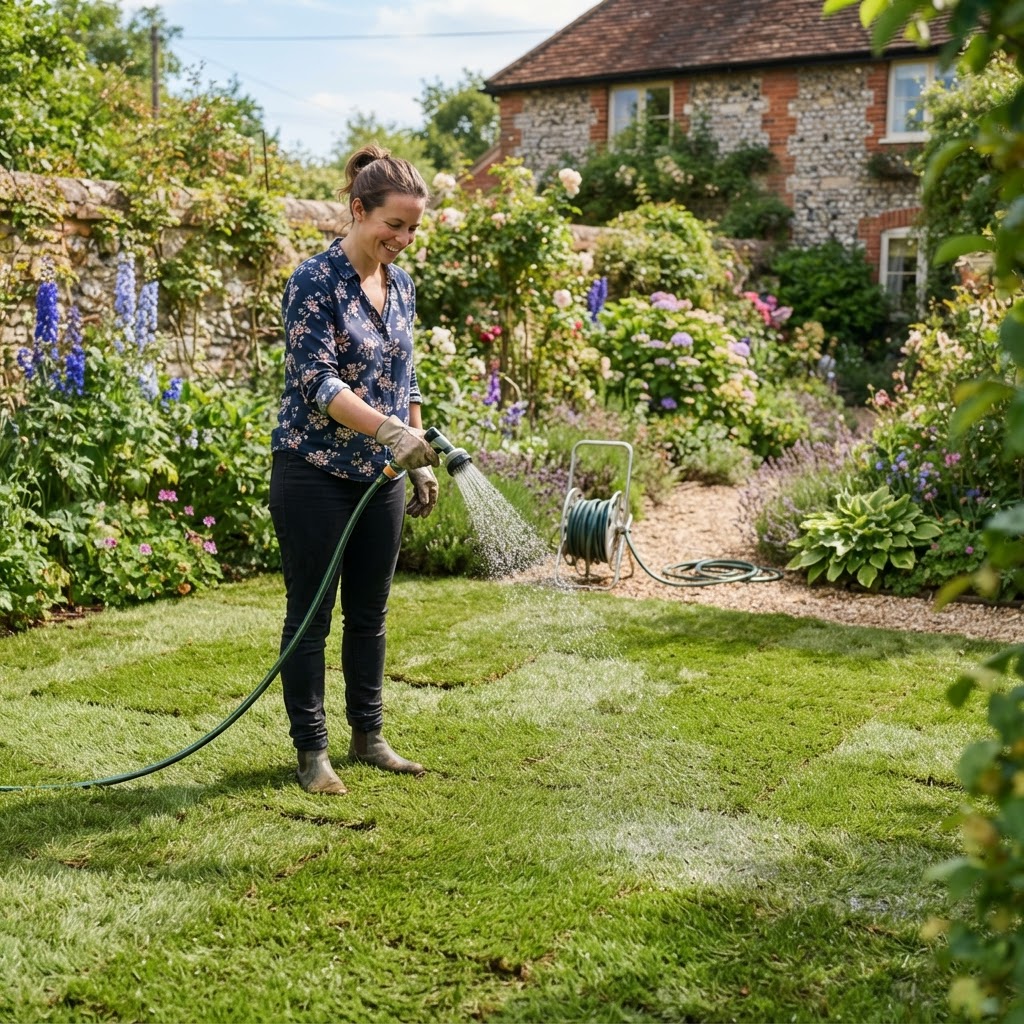
Feed according to the season and the lawn's actual condition. Spring and summer feeds support colour and recovery; autumn feeds should focus more on root strength and resilience than forcing soft top growth. Water new seed and stressed turf deeply when needed, rather than applying frequent shallow sprinklings.
A selective herbicide removes the clover already there. Thick, well-rooted grass is what keeps the next flush from taking its place.