



A lawn beneath mature trees can look thin, mossy and permanently damp even when the rest of the garden performs well. The issue is rarely just poor seed. Choosing the best shade tolerant grass seed means selecting species that can work with lower light levels, restricted moisture and competition from tree roots - then preparing the ground properly enough for those grasses to establish.
Shade is not one condition. A north-facing strip beside a fence, a lawn under open birch trees and a dense area beneath evergreen conifers all require a slightly different approach. Get that diagnosis right first, and the seed choice becomes much clearer.
What makes a grass seed shade tolerant?
No lawn grass thrives in deep, permanent darkness. Grass needs light to photosynthesise, produce energy and replace leaves after mowing. Shade-tolerant mixtures are not miracle cures for ground that receives no direct or filtered daylight. They are blends containing species that remain functional with less light than standard hard-wearing ryegrass lawns require.
Fine fescues are the principal grasses for shaded lawns in the UK. These include creeping red fescue, chewings fescue and hard fescue. They have fine leaves, moderate nutrient demand and a natural ability to cope in lower-fertility ground. Creeping red fescue also spreads through short underground stems, helping it knit together where wear or tree-root competition creates small gaps.
Browntop bent can also earn a place in finer shaded mixtures. It produces a close, dense turf when managed at an appropriate mowing height, although it establishes more slowly than perennial ryegrass and is less suitable for busy family lawns or access routes.
Perennial ryegrass is valuable where rapid establishment and wear tolerance are the priority, but it is not usually the dominant answer in dense shade. It needs more light, fertility and moisture to maintain its best colour and density. A small ryegrass content can be sensible for a lightly shaded lawn that receives regular use. In deep shade, a high-ryegrass mixture often establishes quickly, then thins as conditions catch up with it.
Best shade tolerant grass seed by garden condition
The best seed is the one matched to the cause of the shade, rather than the label alone.
Dappled shade beneath deciduous trees
Where sunlight reaches the lawn for part of the day or filters through a light canopy, a fescue-led mixture with a modest proportion of dwarf perennial ryegrass is often practical. The ryegrass helps provide early cover and resilience, while fine fescues carry the lawn through lower-light periods.
This is a sensible choice for gardens where children, pets or regular foot traffic make a very fine ornamental lawn unrealistic. Expect a slightly less formal finish than a ryegrass-heavy utility lawn, but a more dependable one through summer leaf cover.
Dense shade beneath conifers or evergreen hedging
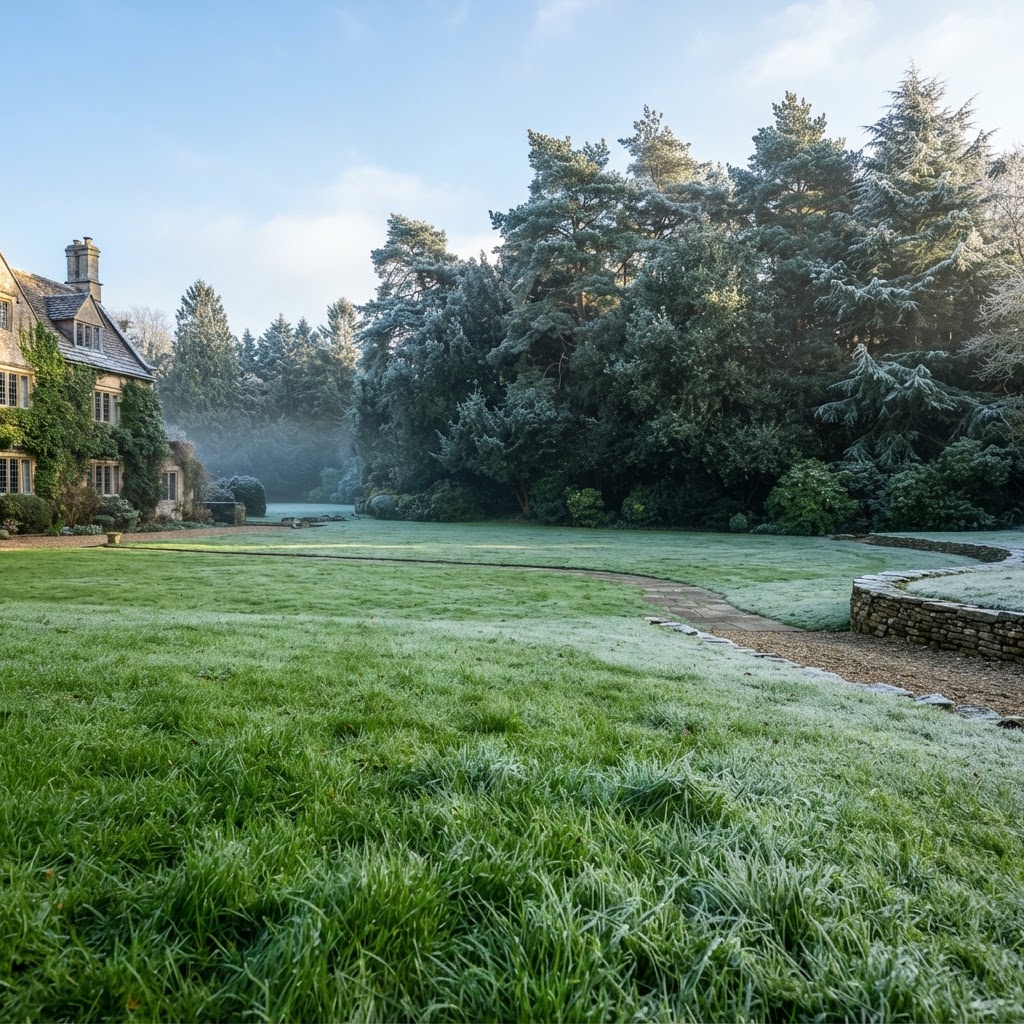
This is one of the most difficult lawn environments. Dense foliage blocks light throughout the year, while roots take moisture and nutrients from the surface soil. Conifer litter can also create acidic conditions, although soil should be tested rather than guessed at.
Use a high-fescue shade mixture, particularly one with creeping red fescue and chewings fescue. However, seed alone cannot overcome severe shade. If the area receives very little daylight, converting part of it to a woodland border, bark path or shade planting can produce a better long-term result than repeatedly reseeding failing grass.
North-facing lawns and narrow side gardens
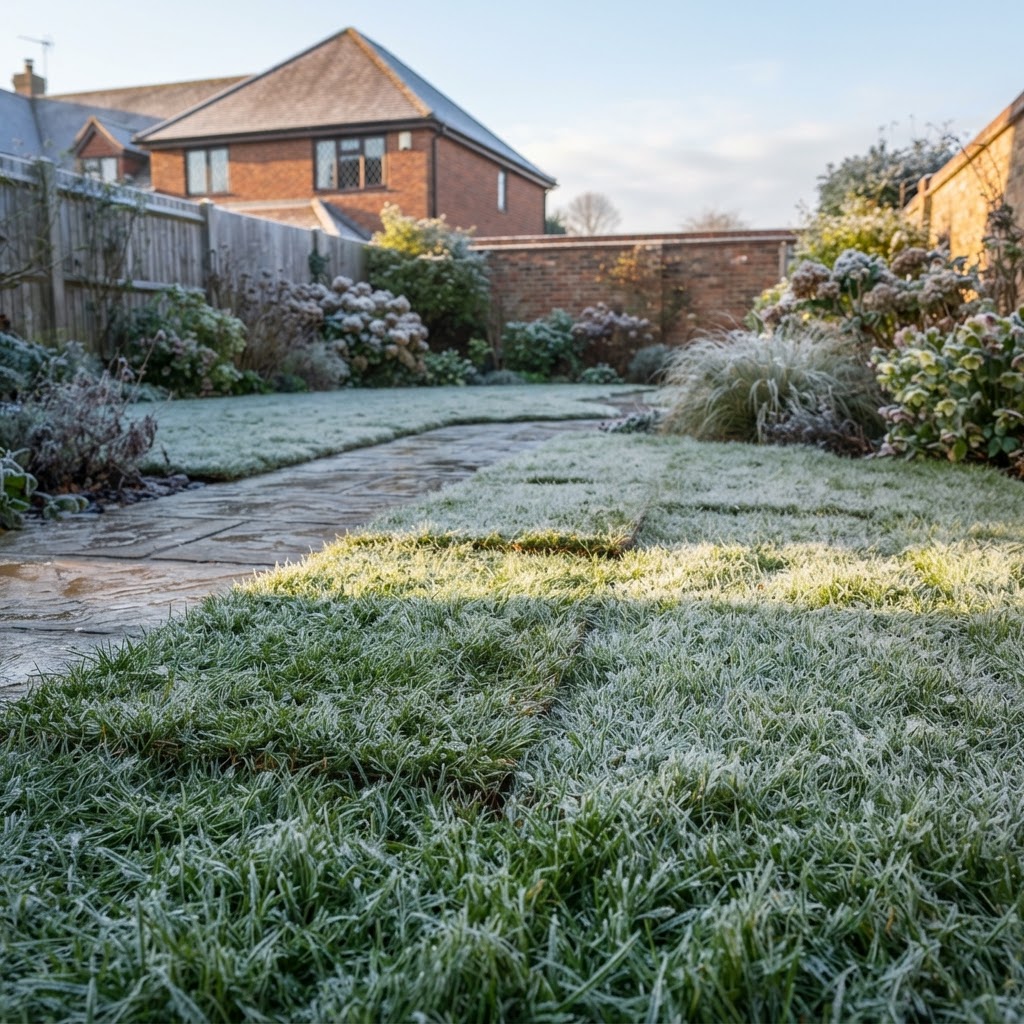
A north-facing lawn may still receive enough reflected and seasonal light to support grass, especially if nearby walls are pale and surrounding planting is kept open. Fine fescue mixtures are usually the reliable starting point here.
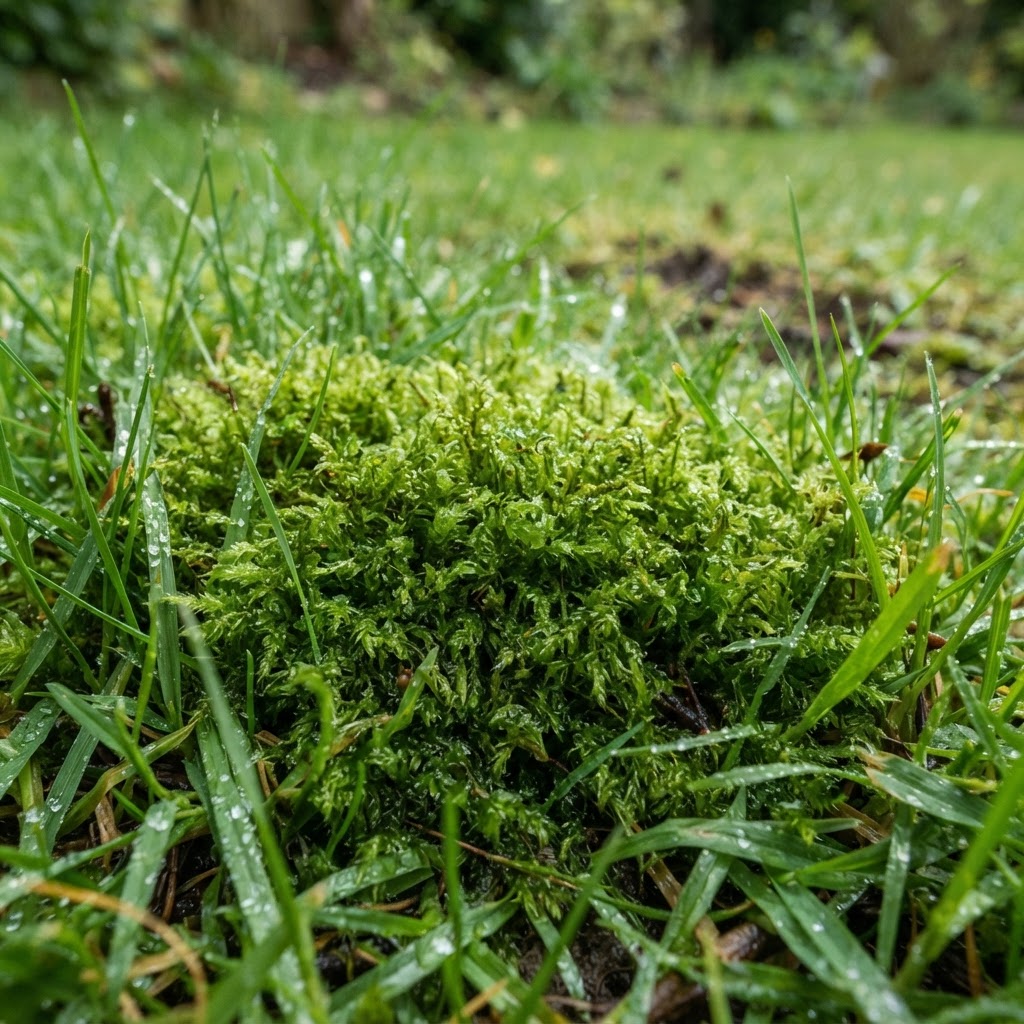
The main risk is damp soil and moss, rather than darkness alone. Improve surface drainage, remove moss before sowing and avoid overwatering. A shaded lawn should not be treated as though it were a sunny lawn that simply needs more feed.
Shade with regular wear
For routes to sheds, washing lines or garden gates, a purely fine-fescue lawn can struggle with compaction and traffic. Choose a mixture that balances shade-tolerant fescues with durable dwarf perennial ryegrass. This is a trade-off: the more ryegrass included, the better the wear tolerance and initial speed, but the less dependable the lawn may be in genuinely low light.
Where traffic is concentrated, a stepping-stone route or a defined path protects the grass far more effectively than adding extra seed each spring.
Preparing shaded ground before sowing
Most shaded-lawn failures begin below the surface. Tree roots, thatch, moss and compacted soil reduce the already limited resources available to young seedlings.
Start by clearing leaves, needles, twigs and dead grass. Leaf litter blocks light and holds moisture against the surface, creating favourable conditions for moss and fungal disease. Rake firmly enough to remove loose moss and thatch, but do not aggressively scarify around exposed tree roots.
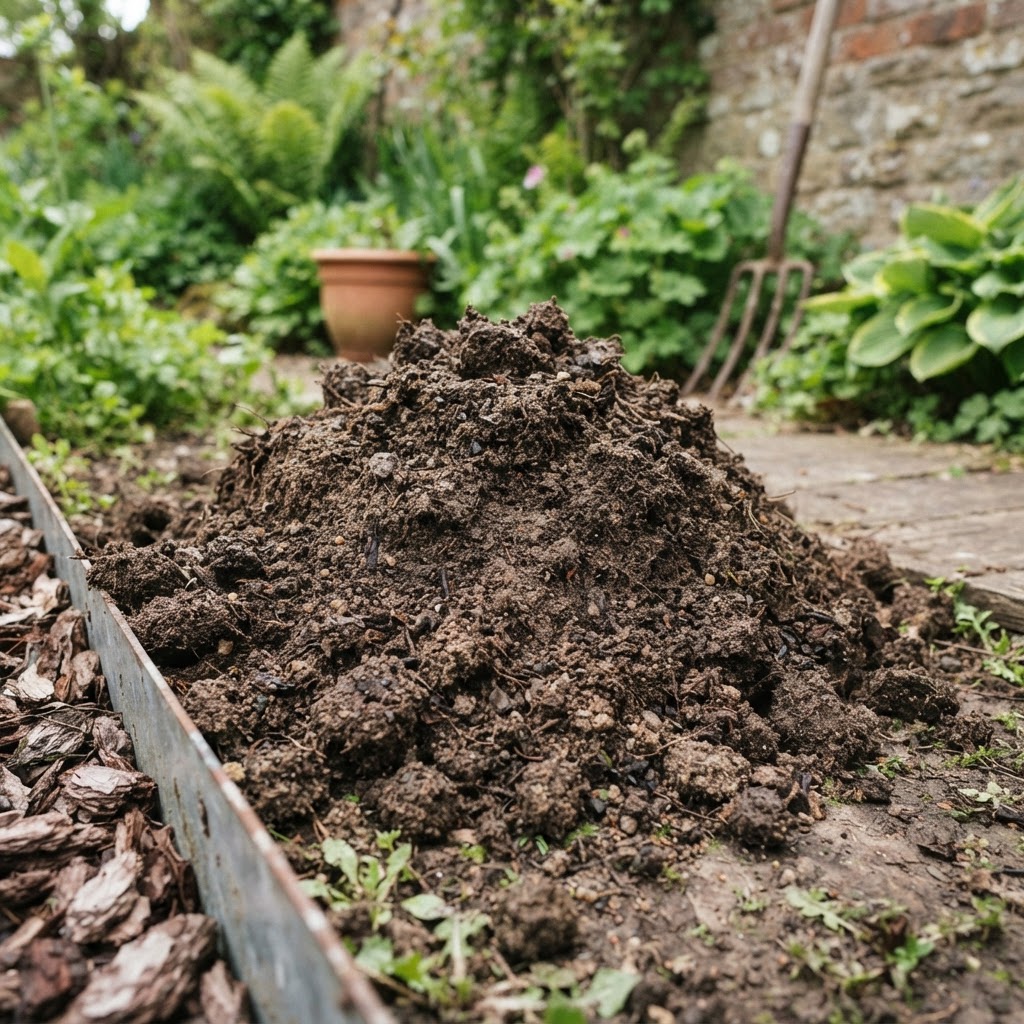
Next, assess compaction. If water sits on the lawn after rain, aerate with a garden fork or solid-tine aerator when the soil is moist but not saturated. Avoid deep cultivation beneath established trees, where digging can damage roots and destabilise the tree. For small bare areas, lightly work only the top few centimetres of soil, then level it with a rake.
A soil test gives more useful information than blanket feeding. Shade-tolerant grasses generally do not need excessive nitrogen, which can encourage soft, weak growth where light is limited. If nutrients are low, a balanced pre-seeder fertiliser such as a 6-9-6 formulation supports root development and early establishment without forcing lush top growth.
Ransley Pro Grow’s trade-standard seed approach is based on this principle: match the grass species and establishment materials to the site, not to a generic promise of fast green cover.
How to sow shade grass seed for reliable establishment
Late summer to early autumn is often the strongest sowing window for shaded lawns. The soil is still warm from summer, dew helps maintain surface moisture and cooler air reduces stress on new seedlings. Spring sowing can work well too, provided the area is not drying quickly beneath trees and there is enough time for seedlings to mature before summer canopy shade intensifies.
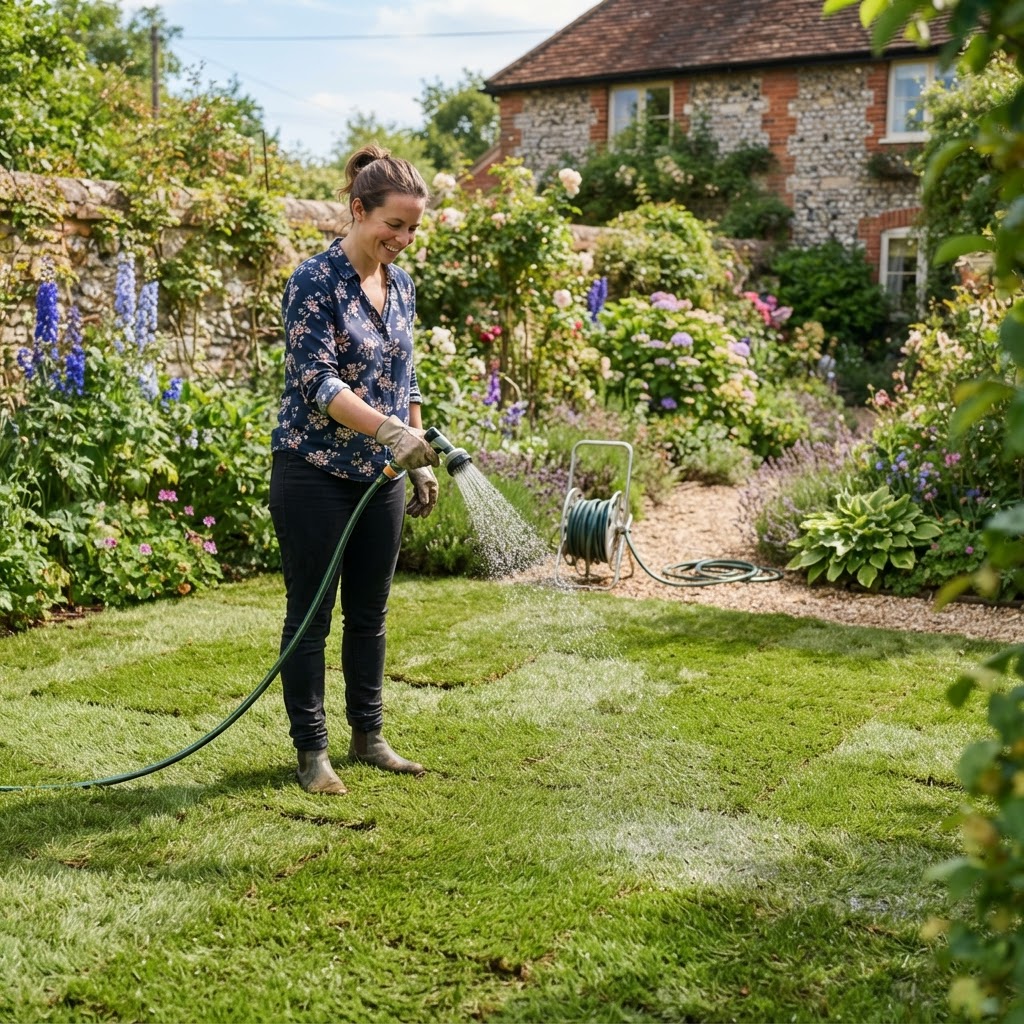
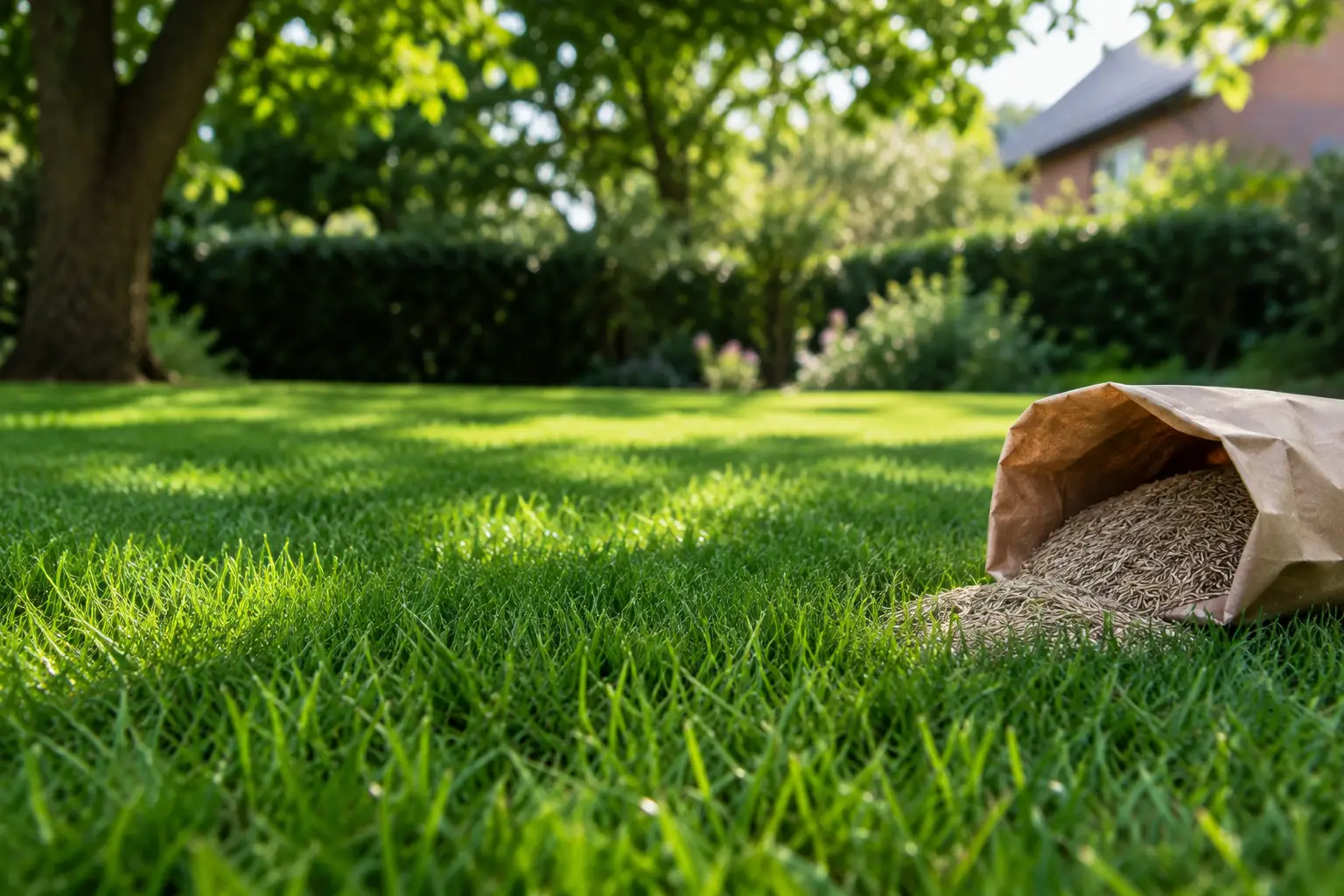
For overseeding, mow the existing lawn slightly lower than usual, rake out debris and create visible contact with the soil. Spread seed evenly in two directions, then lightly rake or brush it into the surface. Good seed-to-soil contact matters more than burying seed deeply. A light roll or firming with the back of a rake is usually enough.
For a new lawn, create a level, firm seedbed first. Spread seed at the rate stated for the particular mixture, as rates vary with species and intended use. Over-seeding heavily does not solve poor shade conditions. Overcrowded seedlings compete for the same limited light, water and root space.
Keep the surface consistently moist during germination. Fine fescues may take longer to emerge than quick ryegrass mixtures, particularly in cool conditions. Do not mistake slower germination for failure and reseed too soon. Once seedlings are established, water less frequently but more thoroughly where practical, encouraging roots to move down into the soil rather than staying at the surface.
Mowing and feeding a shaded lawn
Mowing height has a direct effect on shade performance. Keep a shaded lawn slightly longer than an exposed lawn, generally around 40-50 mm for a domestic garden. More leaf area means more opportunity to capture limited light. Cutting too low weakens fescues and exposes the surface to moss.
Use a sharp mower blade and remove only a third of the leaf length at each cut. In spring and autumn, growth may be uneven as sunlight shifts across the garden. Adjust mowing frequency to growth rather than following a fixed weekly routine.
Feed lightly and with purpose. High-nitrogen spring and summer feeds can be useful where the lawn is pale and actively growing, but too much nitrogen in shade creates soft growth that is harder to sustain. Autumn nutrition should prioritise root strength and winter resilience, particularly where damp conditions raise the risk of thinning and moss return.
Moss is a symptom as well as a competitor. High-iron treatments can blacken and suppress it quickly, allowing it to be raked out, but it will return if shade, compaction, drainage and close mowing remain unchanged.
When grass is not the right answer
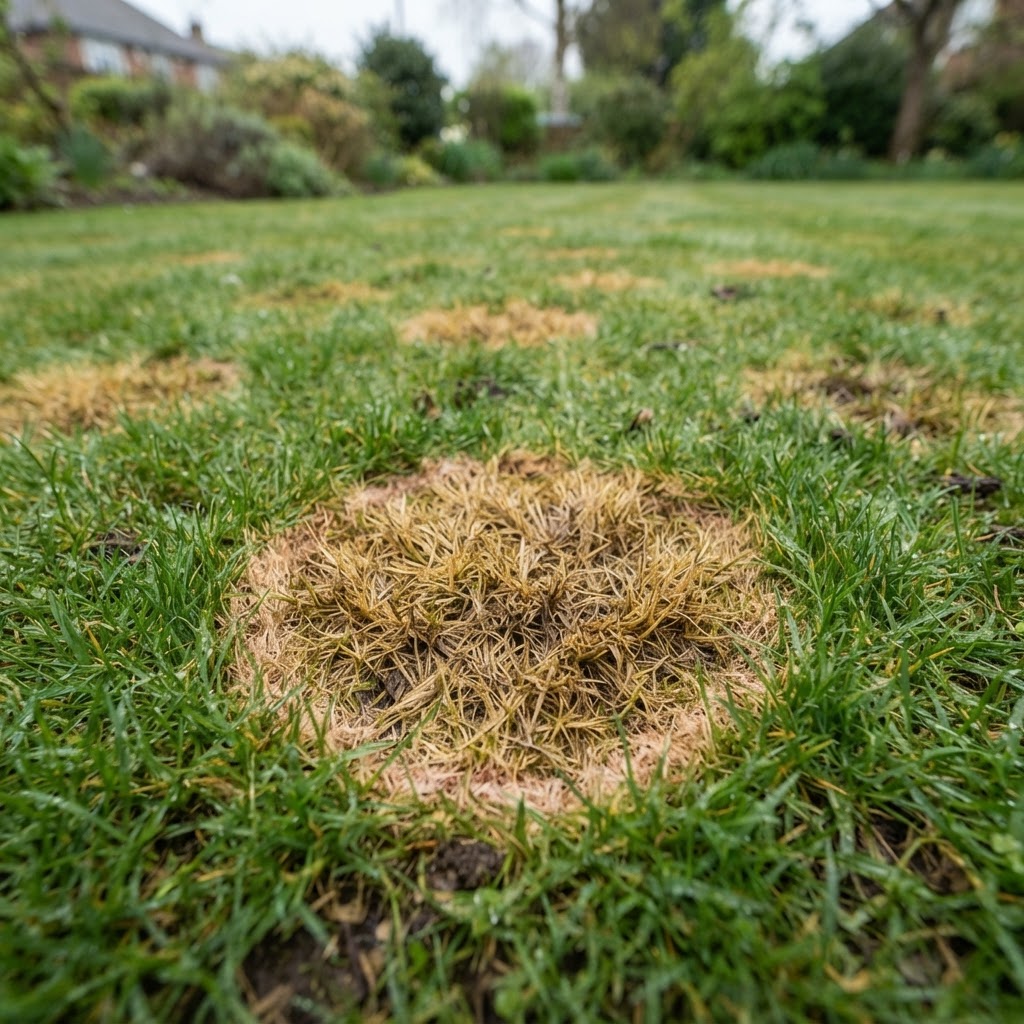
There is a sensible limit to what even the best shade tolerant grass seed can achieve. If an area stays bare after repeated correct sowing, receives little usable light, is heavily rooted or sees constant traffic, it is telling you something about the site.
A well-defined planted border, permeable path or woodland-style finish can look deliberate and perform better than a struggling lawn. Where there is enough filtered light for grass, though, fescue-led seed, careful preparation and a higher mowing height will give the lawn its best chance to become denser with each growing season.