






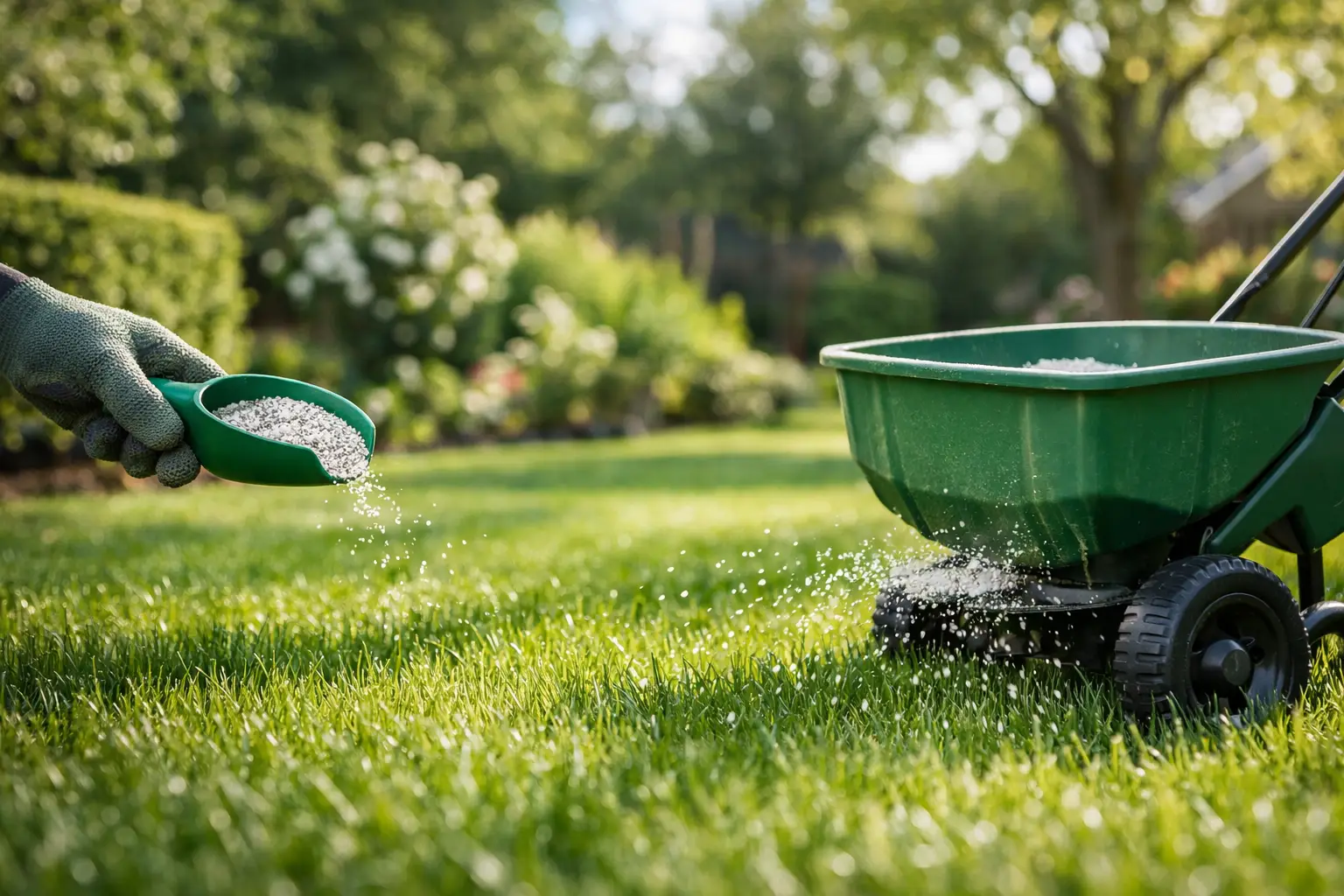
A lawn tells you quite quickly when the feeding calendar is wrong. Push too much nitrogen into cold soil in February and you get little return. Leave it too late in autumn and the grass goes into winter undernourished. The best lawn fertiliser timings are not about sticking to a single date - they are about matching nutrient type to soil temperature, growth rate and seasonal stress.
For most UK lawns, that means one feed in spring, another in early summer if the lawn is in active use or poor condition, and a final autumn application formulated for root strength rather than soft top growth. The exact week will shift with weather, soil type and how the lawn is used. A shaded back garden in Yorkshire will not move at the same pace as a sunny, free-draining lawn in Kent.
Why timing matters more than quantity
Grass only takes proper advantage of fertiliser when it is actively growing. That sounds obvious, but it is where many feeding plans go wrong. Fertiliser spread on a lawn that is too cold, too dry or too stressed will not perform as intended. In some cases it can increase problems, particularly if high nitrogen is applied before a dry spell or ahead of frost.
Nitrogen drives leaf growth and green colour through chlorophyll production. Phosphorus supports root development. Potassium improves stress tolerance, particularly against drought, wear and winter cold. Good seasonal feeding uses those nutrients when the plant can actually convert them into stronger turf, not just a brief flush of colour.
This is why a spring or summer feed is not interchangeable with an autumn or winter product. A high-nitrogen spring fertiliser is engineered for recovery and top growth. An autumn blend is specially formulated to maintain plant health and root resilience without forcing lush, frost-prone growth.
Best lawn fertiliser timings by season
Early spring - the lawn wakes up
For most of the UK, the first feed usually sits between March and April. The key indicator is steady growth, not the first warm afternoon of the year. If the lawn needs mowing every week or so and the soil has begun to warm consistently, it is normally ready.
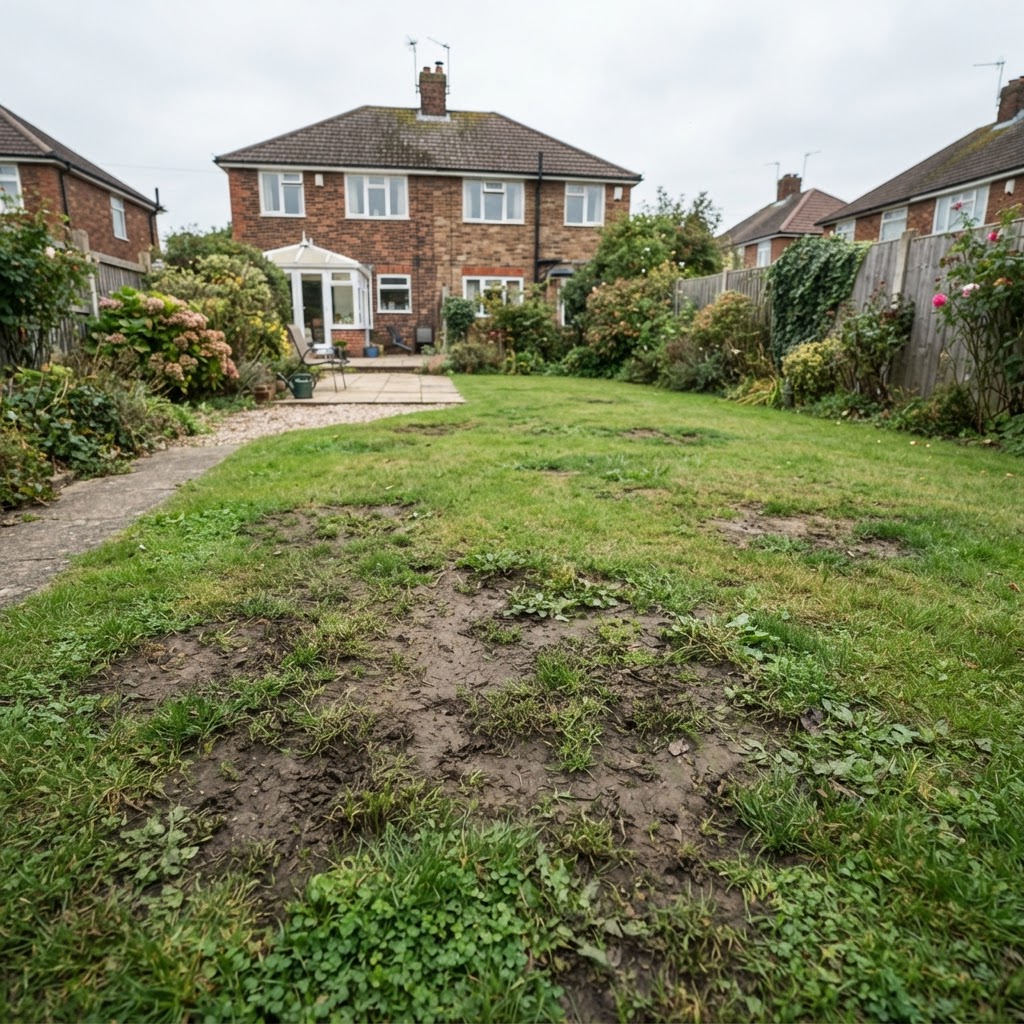
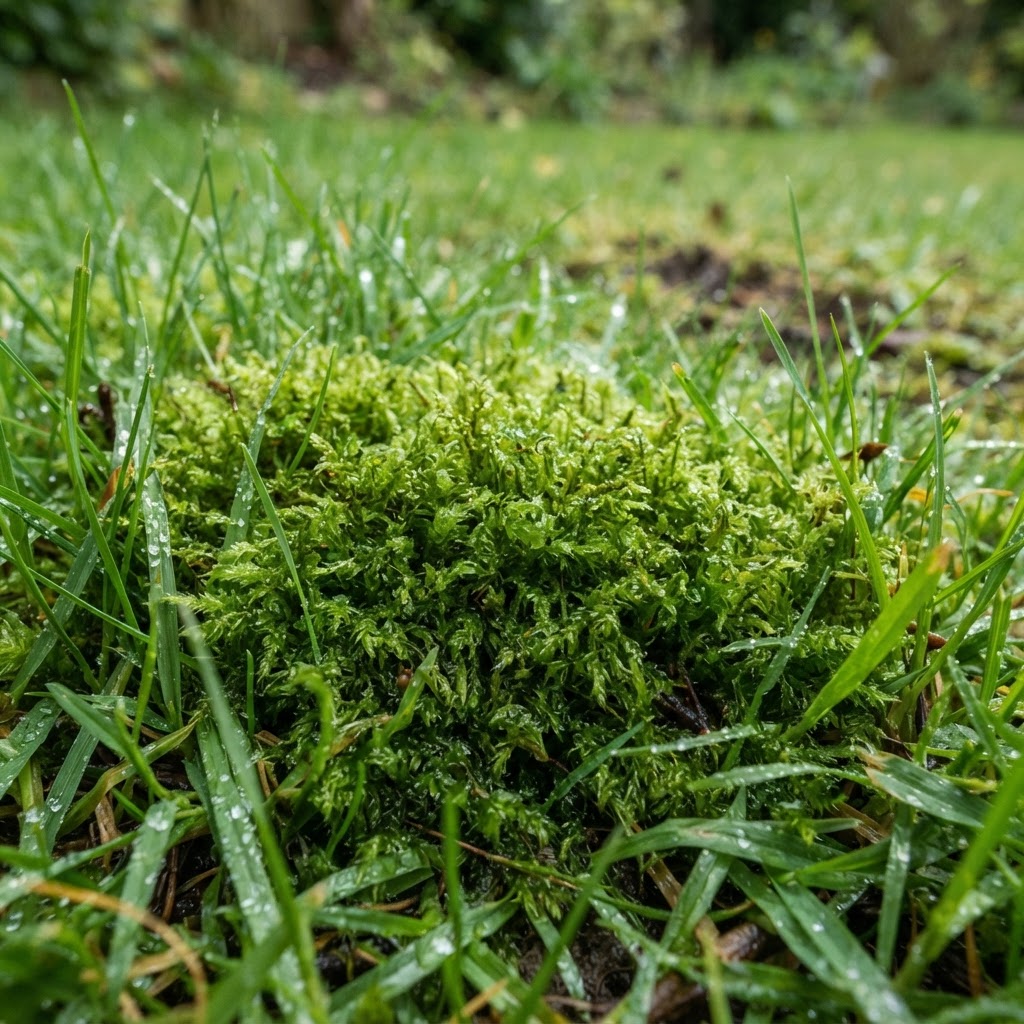
This is the point for a spring fertiliser with a stronger nitrogen profile. After winter, grass often looks pale, thin and slow. A spring feed helps rebuild density, improve colour and support recovery from moss pressure, waterlogging and general winter wear. If you are also planning weed control, check the product and timing carefully. Combined treatments can be very effective, but they need active growth and suitable conditions.
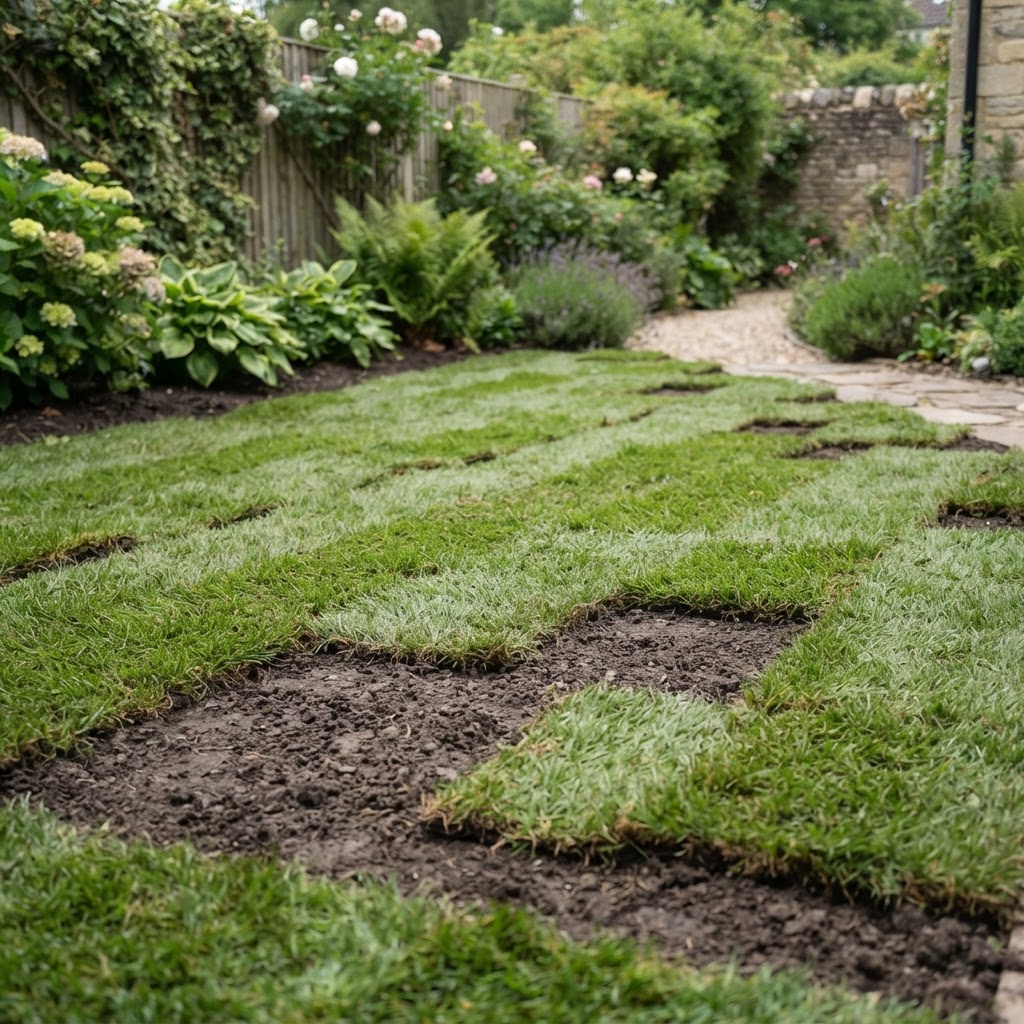
If you are sowing a new lawn or overseeding bare areas, this is also a sensible window for a pre-seeder fertiliser. A balanced formula such as 6-9-6 encourages root establishment without scorching young seedlings. That matters because new grass does not need a hard push on top growth. It needs stable early development.
Late spring to early summer - feed if the lawn is working hard
A second application often makes sense from May into June, particularly on family lawns, ornamental lawns being brought up to standard, or turf under regular wear. By this stage, temperatures are favourable and nutrient uptake is strong.
That said, not every lawn needs a heavy second feed. If the grass is already dense, healthy and receiving sensible mowing, another high-nitrogen application may simply increase cutting frequency. On nutrient-poor soils, sandy ground or lawns recovering from thinning, it can be worthwhile. On richer soils with good colour and steady growth, a lighter approach is often better.
The trade-off is straightforward. More nitrogen in early summer usually means faster greening and stronger visual response, but it also means more mowing and a greater need to manage moisture properly. If a dry spell is forecast and irrigation is not practical, it is usually better to hold off.
Mid-summer - proceed with care
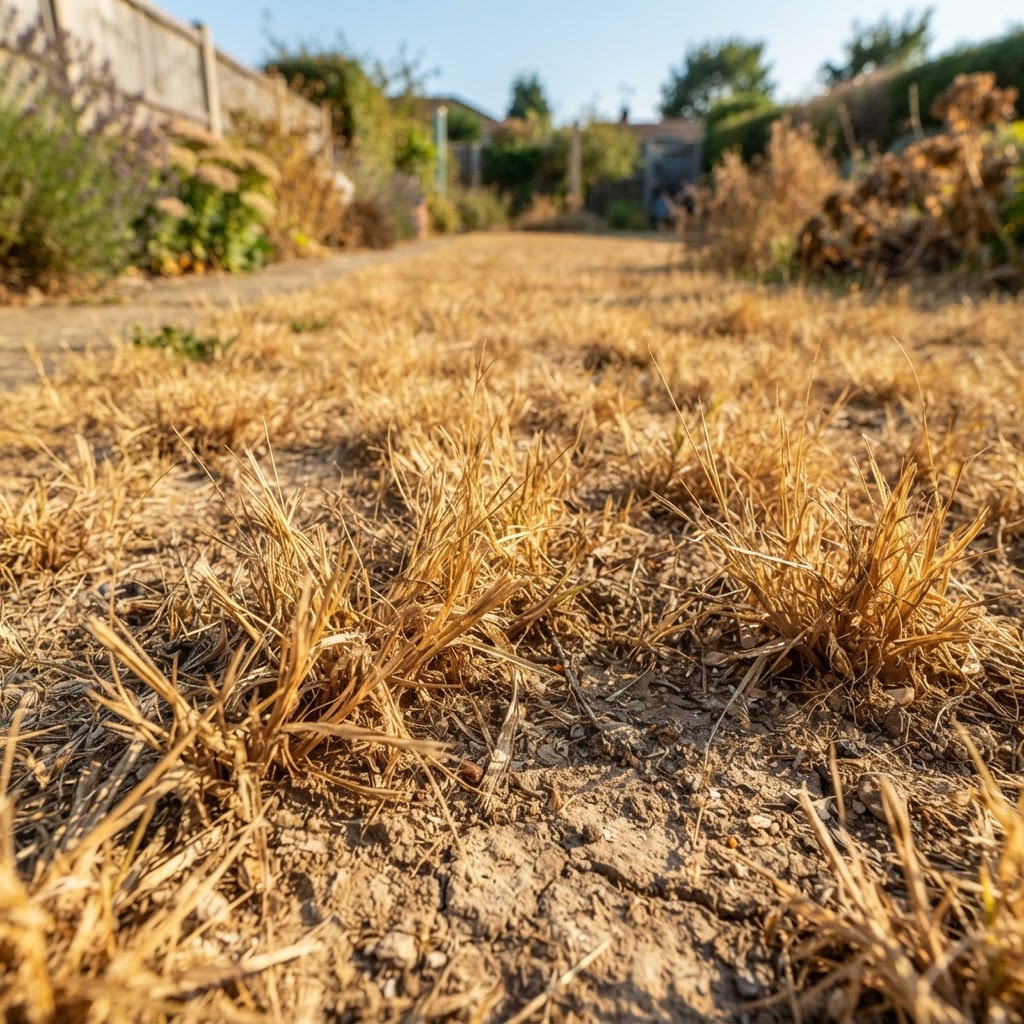
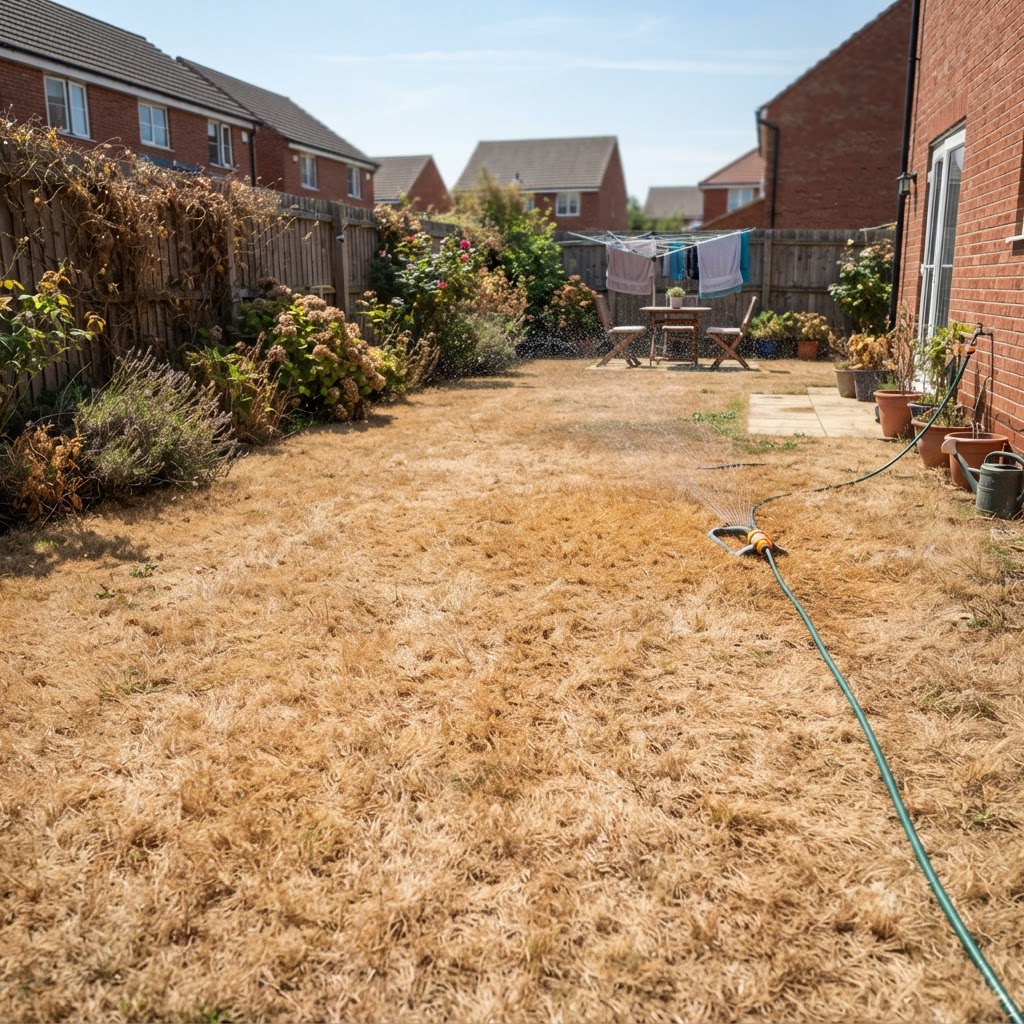
July and August are not always ideal feeding months, despite the assumption that summer equals growth. In reality, many UK lawns stall during heat, dry weather or heavy footfall. Feeding stressed grass can be inefficient and, with some products, counterproductive.
If the lawn is still actively growing, has adequate moisture and is not scorched, a summer feed can maintain colour and density. If the ground is hard, rainfall is limited and the grass is already under pressure, wait. Fertiliser is not a substitute for water, and pushing growth in drought conditions often creates more stress than improvement.
For professional contractors, this is often the season to be selective rather than routine. For homeowners, the simple rule is this: if the lawn is not growing, do not force it.
Early autumn - one of the most valuable timings
September into early October is often the most productive feeding window of the year. Soil temperatures are still warm enough for root activity, but the extremes of summer are easing. Growth becomes steadier, moisture levels usually improve and the lawn has a real opportunity to strengthen before winter.
This is when an autumn fertiliser earns its place. Lower nitrogen and higher potassium help toughen the plant, improve wear tolerance and support winter hardiness. It is also a strong time for overseeding and renovation, because seed establishment and nutrient uptake generally align well.
Many lawns that struggle through winter were not necessarily neglected in winter itself. They were simply underprepared in autumn. A proper feed at this stage can reduce dieback, improve spring recovery and leave the sward better anchored through wet and frosty conditions.
Late autumn and winter - usually less is more
From late October onwards, feeding becomes more conditional. In mild southern areas, an autumn product may still be suitable if growth remains active. In colder regions or exposed sites, the window can close earlier.
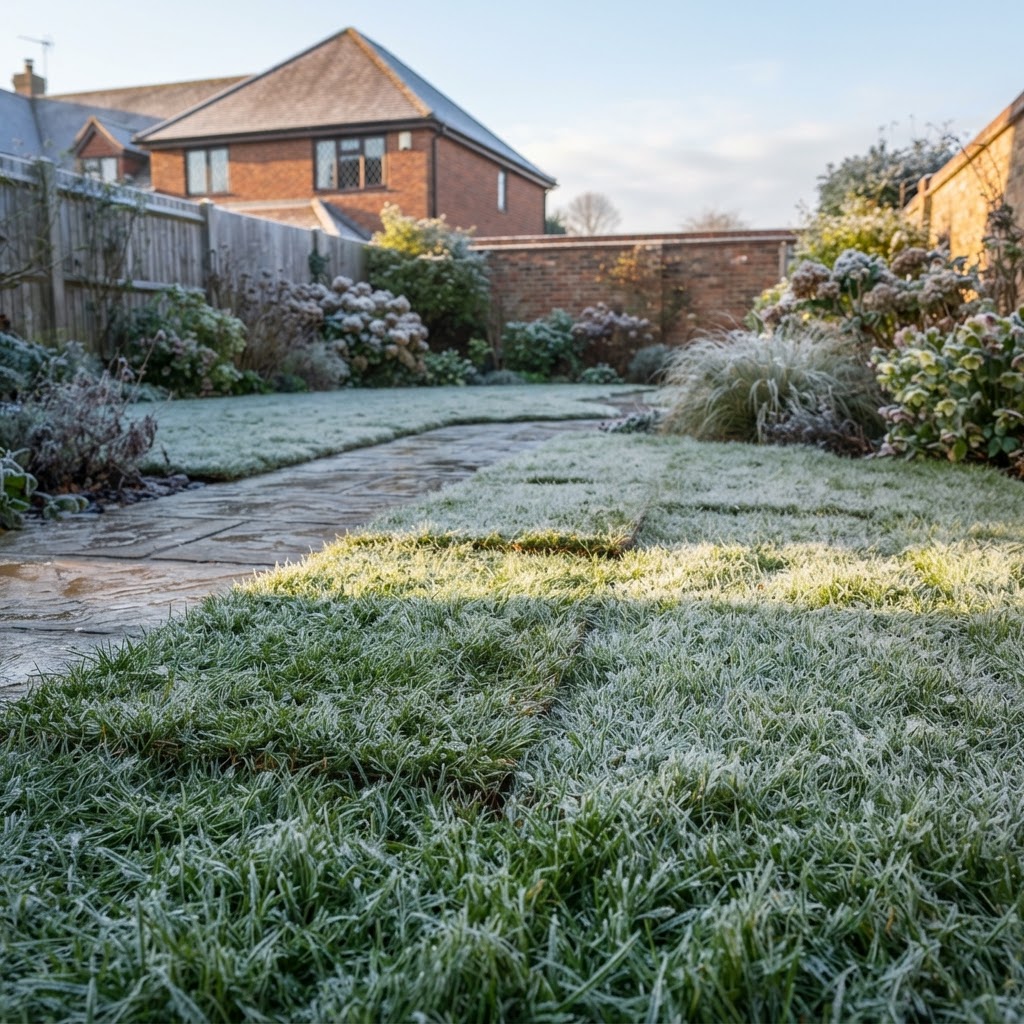
As a rule, avoid high-nitrogen fertiliser in winter. Soft, lush growth at that time is vulnerable to disease, frost damage and unnecessary stress. If the lawn is not growing, routine feeding serves little purpose. Winter is more often a time for restraint - keeping traffic down on saturated ground, managing leaves, and planning repairs for spring.
How weather and soil change the schedule
The best lawn fertiliser timings will always depend on conditions underfoot. Clay soils hold nutrients and moisture longer, so feeds may last well but can be slower to warm in spring. Sandy soils warm earlier and drain freely, yet they leach nutrients faster and often need a more attentive programme.
Rainfall matters too. A granular feed applied ahead of light rain is ideal, as nutrients begin moving into the rootzone without being washed away. Heavy rain immediately after application can reduce efficiency, while dry surface conditions can leave fertiliser sitting idle. In practical terms, aim for moist soil, mild temperatures and no extremes in the forecast.
Shaded lawns also behave differently. They often stay cooler for longer in spring and grow more slowly through the year. That usually means slightly later spring feeding and a measured hand with nitrogen. Too much feed in dense shade can produce weak, leggy growth rather than strong turf.
Common timing mistakes
The most frequent error is feeding to the calendar rather than the lawn. A date on a bag is only a guide. If the grass is not actively responding, the timing is wrong.
Another mistake is using the same fertiliser all year. Seasonal formulations exist for a reason. Spring and summer products are built for active top growth. Autumn products are built for strength and resilience. Swapping one for the other usually gives poorer results, even if the lawn greens up temporarily.
Then there is the issue of stacking jobs too close together. Scarifying, weed treatment, feeding and overseeding can all be useful, but not always on the same day. Some lawns need staging. For example, a moss-heavy lawn may benefit from treatment first, then raking out, then feeding or overseeding once recovery begins.
A practical feeding pattern for most UK lawns
For a standard domestic lawn or managed ornamental area, a reliable pattern is simple. Feed in spring once growth is established. Apply a second spring or early summer feed if the lawn is under pressure, pale or on poor soil. Then apply an autumn fertiliser in September or early October to improve root strength and winter performance.
For newly seeded or repaired areas, adjust the plan. Start with a pre-seeder fertiliser around sowing time, then move to a seasonal programme only once the grass is established enough to mow regularly.
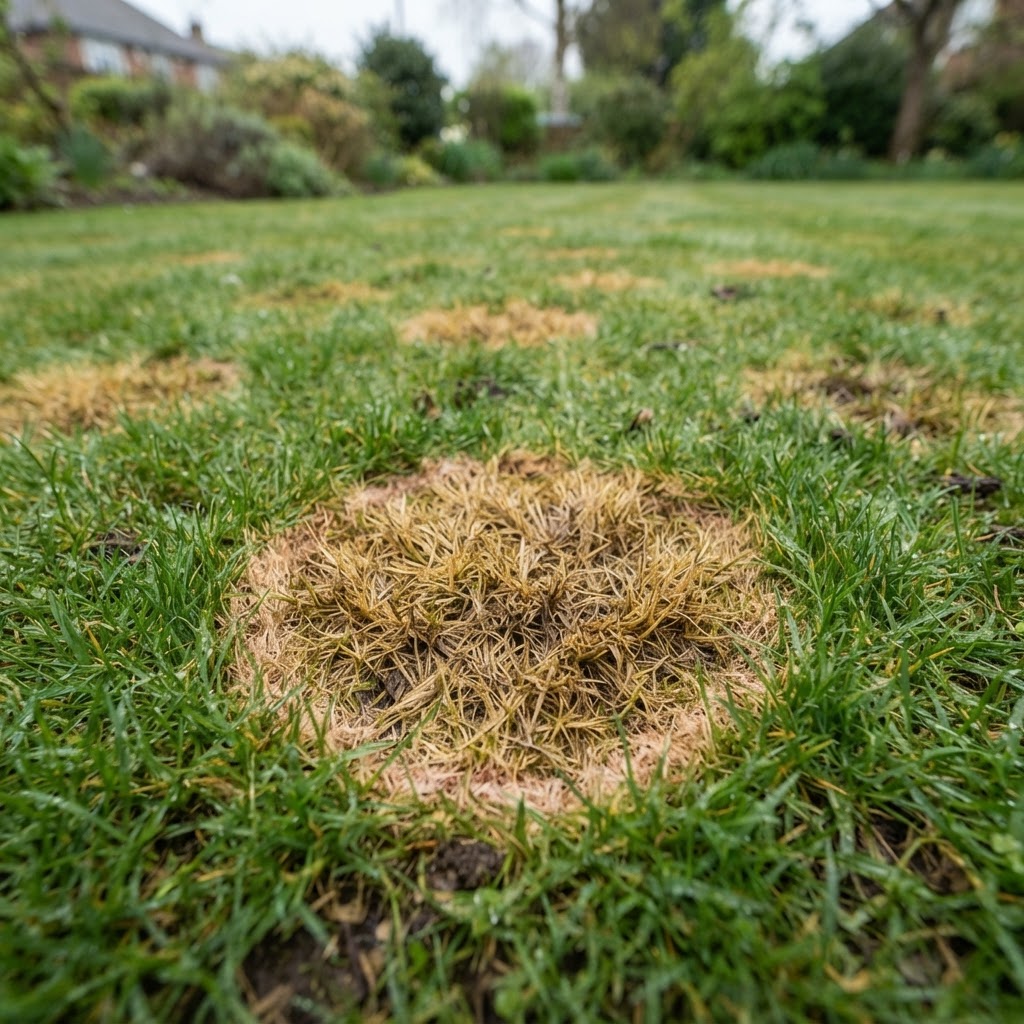
Where a lawn is suffering from moss, weeds or patchiness, feeding alone will not correct the issue. Nutrition is one part of the system. Mowing height, drainage, compaction, shade and seed quality all affect the result. That is where a trade-standard approach pays off. Ransley Pro Grow has long supplied professional-grade seed and seasonal fertilisers for exactly this kind of measured, results-first lawn care.
The best lawns are rarely built by doing more. They come from doing the right job at the right moment, then letting the grass respond.