







A lawn that greens up quickly in April can still struggle by July if it has been fed with the wrong analysis. The best lawn feeds UK gardens can use are not simply the ones with the highest nitrogen figure. They are the products matched to the grass’s growth stage, the soil’s condition and the weather forecast.
For a family lawn, a newly seeded area or a contractor-maintained site, fertiliser should solve a defined problem: slow spring recovery, weak roots, pale colour, drought stress or poor winter survival. Start there, rather than choosing a bag solely because it promises a darker green lawn.
Best Lawn Feeds UK Gardens Need by Season
Grass growth changes markedly through the year. Cool, damp British conditions suit turf grasses for much of spring and autumn, while summer drought and winter cold alter what the plant can safely use. A sensible feeding programme follows that cycle.
Spring - nitrogen for recovery, not excess growth
Spring feed is designed to bring the lawn out of winter without forcing soft, leggy growth. Nitrogen drives leaf production and chlorophyll, which is why it improves colour and density. It is useful when soil temperatures have risen and the lawn is actively growing, usually from mid-spring onwards.
A spring and summer lawn fertiliser will normally have a higher first NPK number. NPK refers to the percentage by weight of nitrogen (N), phosphate (P) and potassium (K). Nitrogen supports leaf growth; phosphate assists rooting and establishment; potassium supports general plant resilience and water regulation.
High nitrogen has a trade-off. Applied too early, too heavily or during dry weather, it can create a flush of growth that demands frequent mowing and can leave the lawn more susceptible to stress. Use the manufacturer’s stated application rate and avoid feeding a lawn that is frozen, waterlogged or visibly drought-stressed.
Summer - maintain colour while managing drought
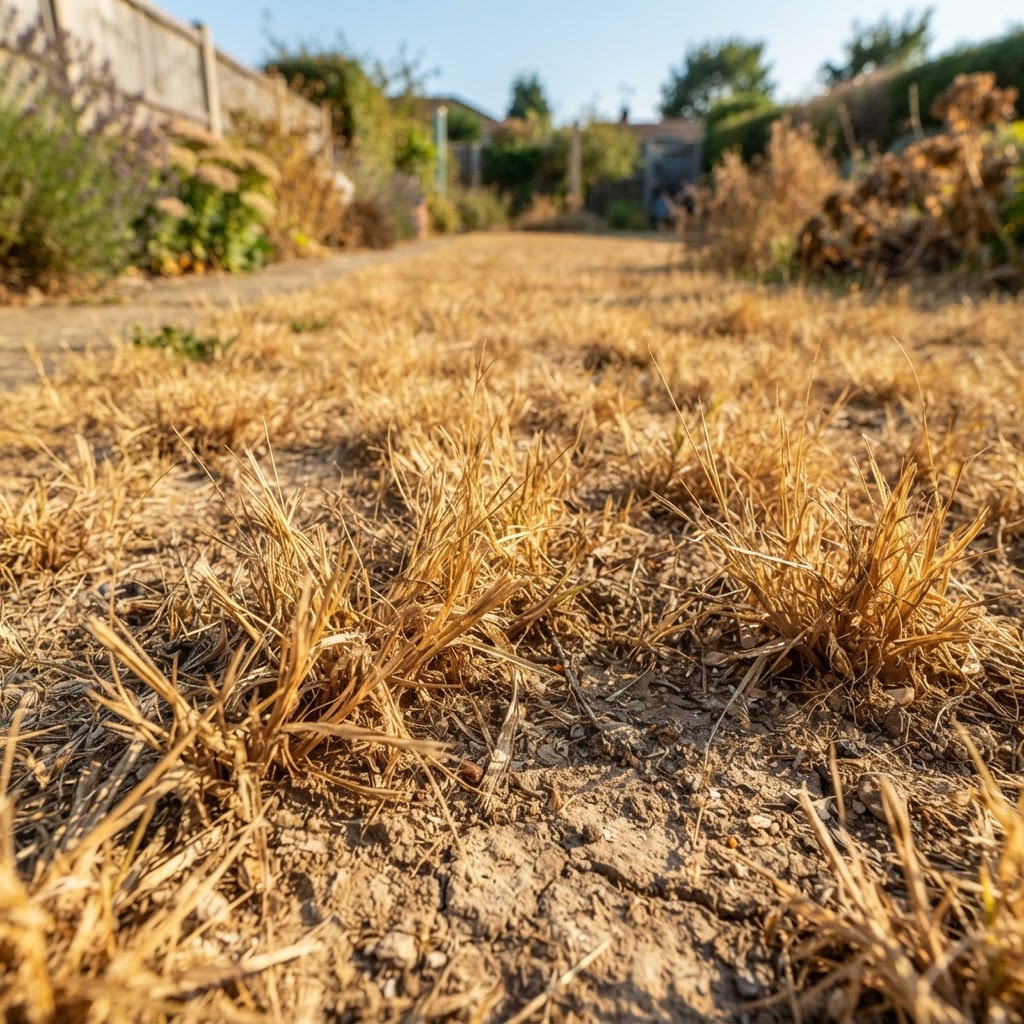
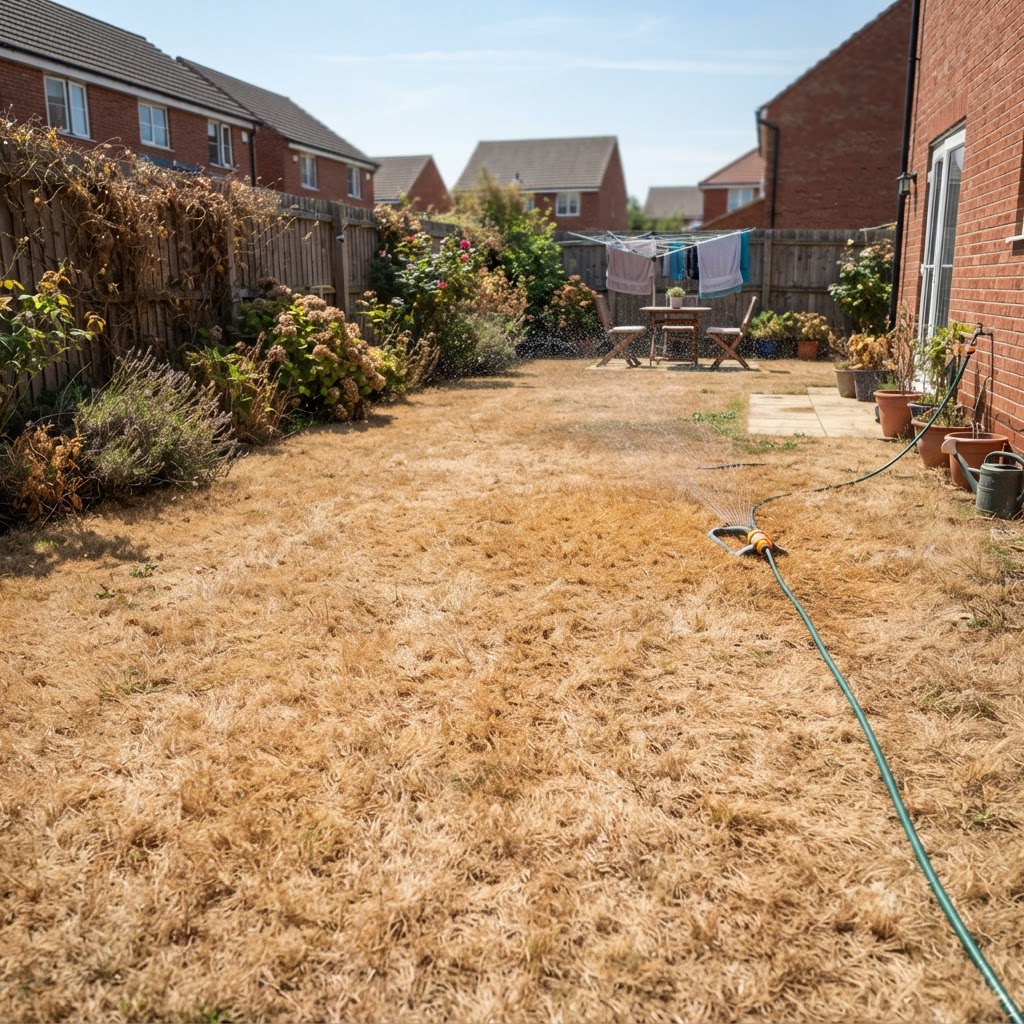
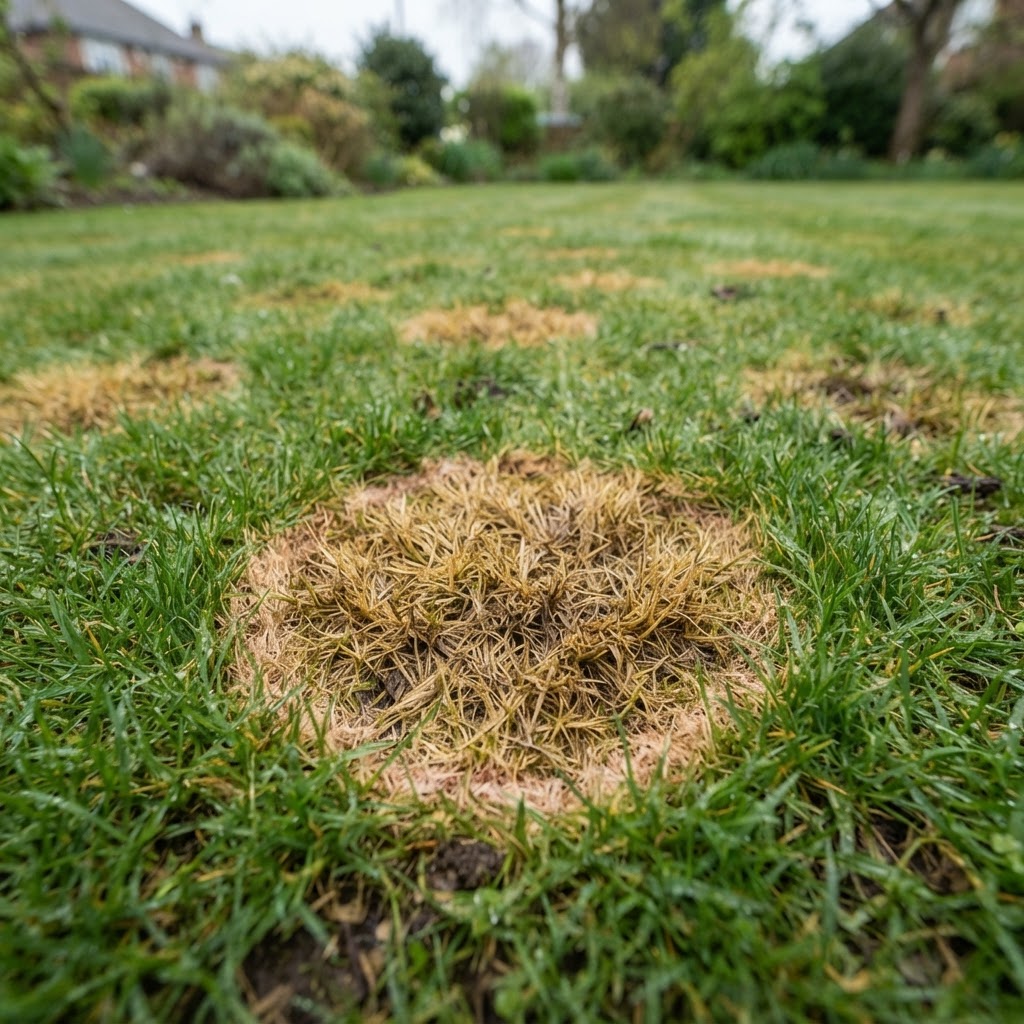
A lawn does not always need more feed just because it looks tired in summer. If grass is straw-coloured, dry and slow-growing, the first issue may be lack of moisture rather than lack of nutrients. Fertiliser salts on dry turf can cause scorch, especially where granules sit on leaf surfaces without being watered in.
Where irrigation is available and the lawn remains in active growth, a controlled or moderate nitrogen feed can maintain density and colour. Water it in after application unless rain is reliably expected. Where watering is restricted, raise the mowing height, reduce foot traffic and wait for growing conditions to improve before feeding.
This distinction matters on newly laid turf and young seed. Their root systems are shallower, so they dry out rapidly. A feed cannot compensate for poor establishment watering.
Autumn - build roots and winter resilience
Autumn is often the most productive season for lawn renovation. Soil retains warmth, rainfall is more dependable and grass can recover from summer use. It is also the point to move away from high-nitrogen formulations.
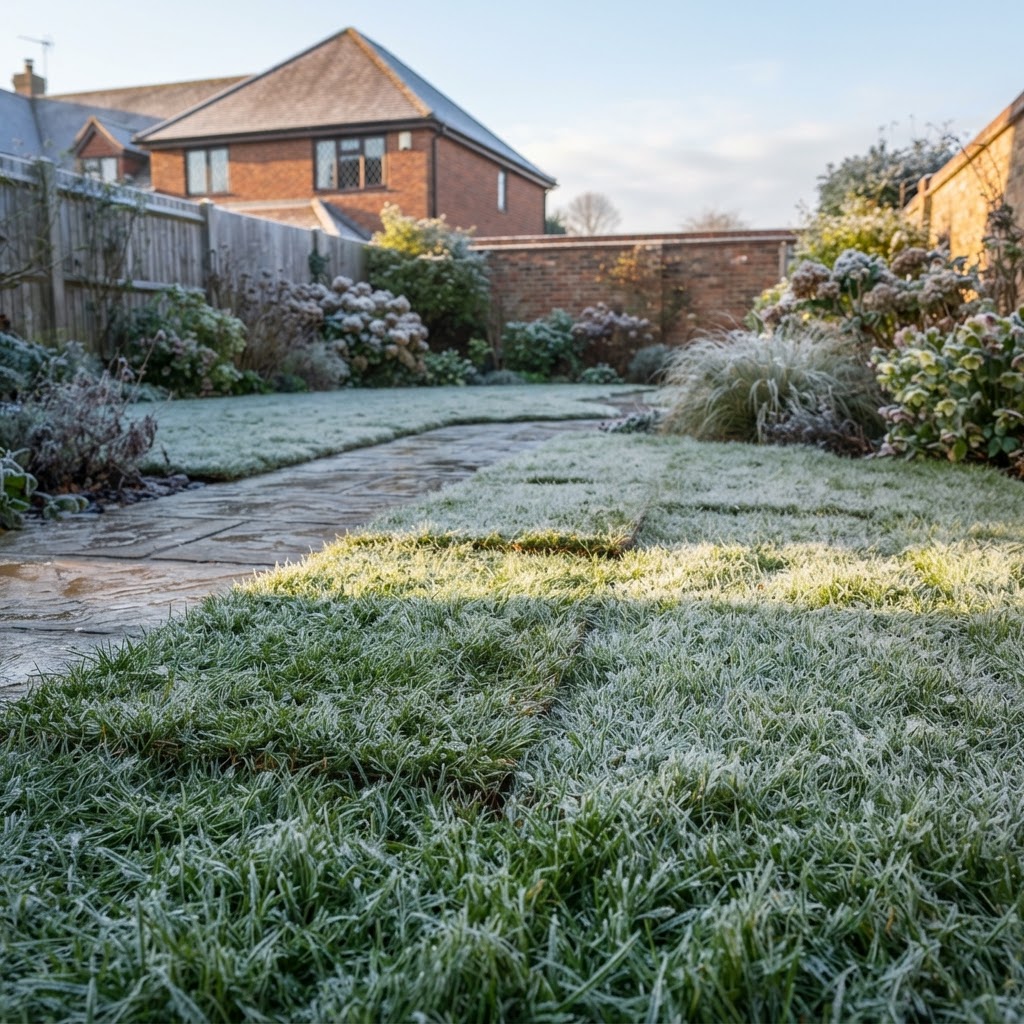
An autumn and winter feed should be lower in nitrogen and comparatively higher in potassium. This helps encourage firmer growth and stronger roots rather than soft top growth that is vulnerable to frost, disease and wear. Potassium does not make a failing lawn immune to winter problems, but it is a useful part of a well-timed programme.
If you are overseeding, choose the fertiliser carefully. A pre-seeder analysis such as 6-9-6 provides a balanced supply of nutrients with extra phosphate to support early root development, without the excessive nitrogen that can scorch immature seedlings. Keep traffic off the area until the new grass is established and has been mown several times.
Choose Lawn Feed by the Problem, Not the Promise
The right product depends on what is limiting the lawn. A pale but thick lawn in spring may respond well to nitrogen. A thin lawn with bare areas needs seed and soil contact before it needs another feed. A lawn with persistent moss needs its drainage, shade, compaction and mowing regime assessed, because fertiliser alone will not remove the cause.
For thin or patchy grass
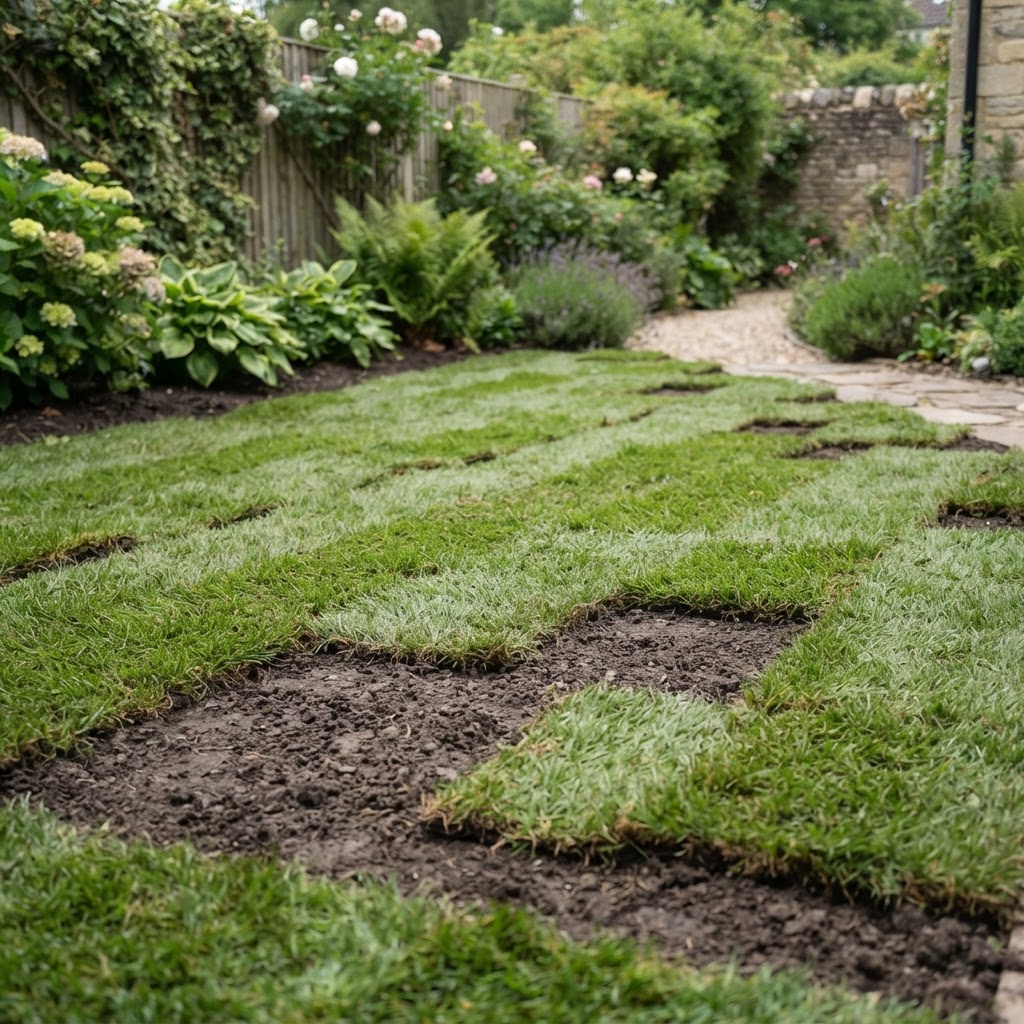
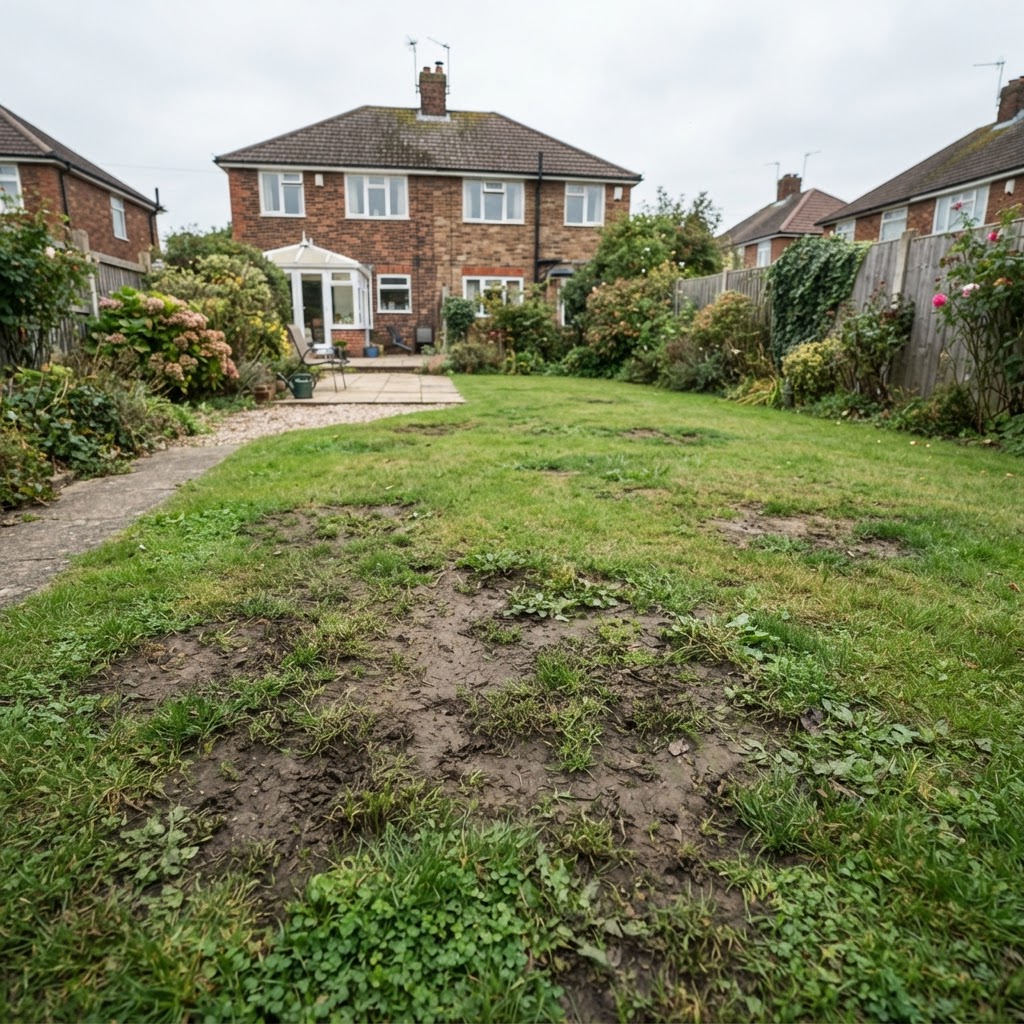
Feed is only one part of repair. Rake out dead material, relieve surface compaction where appropriate, overseed with a suitable grass mixture and use a pre-seeder fertiliser at the stated rate. Fast-establishing perennial ryegrass can provide useful wear tolerance, while fescues bring finer texture and perform better in lower-fertility conditions.
A tetraploid ryegrass blend is particularly useful where rapid establishment and deeper rooting are priorities. Under suitable warmth and moisture, germination can begin within 7-14 days. That does not mean the lawn is ready for heavy use in a fortnight - seedlings still need time to root and tiller.
For moss and weak grass together
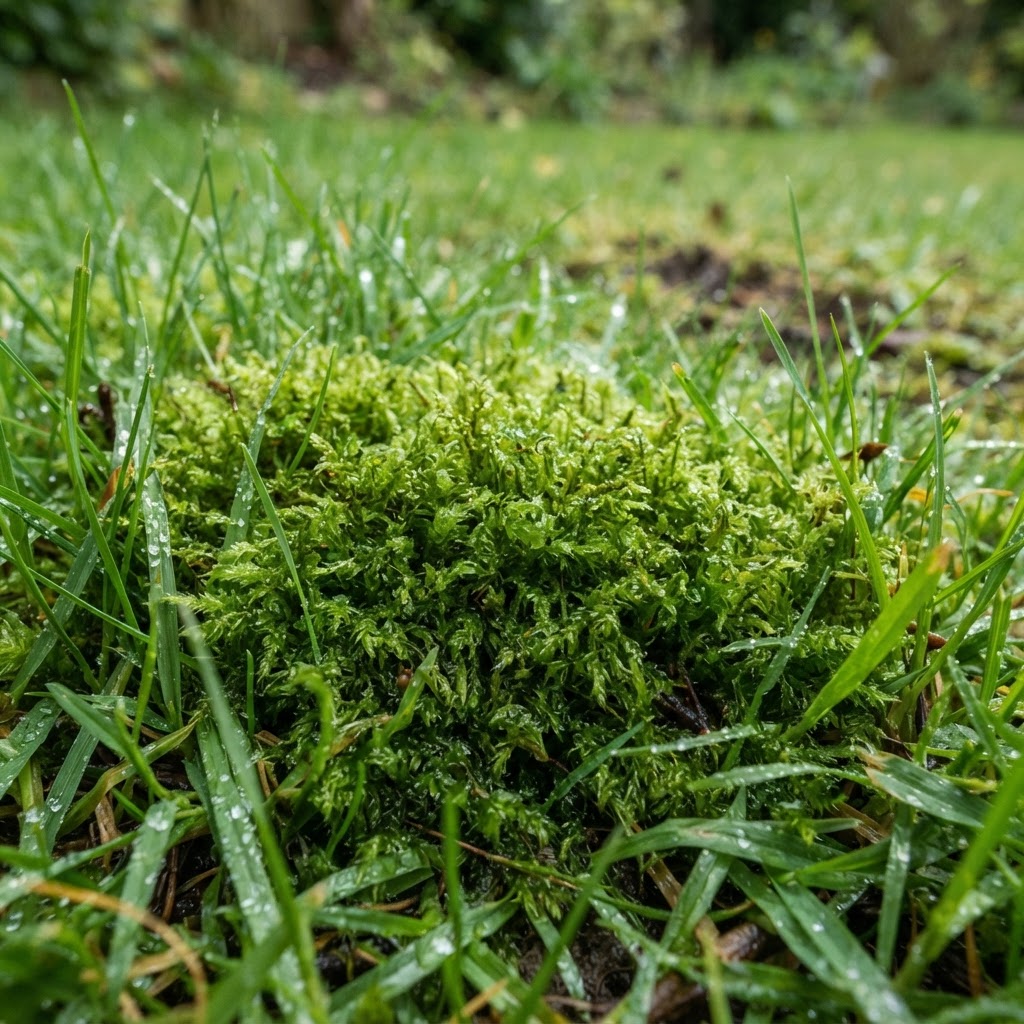
Moss thrives where grass is disadvantaged: compacted soil, poor drainage, heavy shade, low cutting heights and acidic or nutrient-poor ground can all contribute. A high-iron moss treatment may blacken moss quickly, allowing it to be raked out. Follow with overseeding and a suitable seasonal feed so grass can occupy the exposed space.
Do not apply a moss killer and assume the job is finished. Unless the underlying issue is corrected, moss will return. On shaded lawns, use a shade-tolerant seed mixture, prune only where appropriate and accept that grass will grow more slowly than it does in full sun.
For weeds across an otherwise healthy lawn
Selective weed control and fertiliser can be useful where dandelions, daisies and clover are competing with established grass. However, avoid applying weed treatment to newly sown grass until it is mature enough for the product label instructions. Young turf is more easily damaged, and broadleaf weed control does nothing for bare ground that should be reseeded.
Combined feed, weed and moss products can save a pass over a large lawn, but they are best used when all three problems are genuinely present. A targeted treatment is usually the better choice where only one issue needs addressing.
How to Apply Lawn Fertiliser Properly
Even a trade-standard fertiliser performs poorly when spread unevenly. Stripes of dark growth, pale bands and scorched patches are usually application errors rather than a fault with the feed.
Measure the lawn area first. Apply the product by square metre, not by guesswork, and set a calibrated spreader to the manufacturer’s recommended rate. Walk at a consistent pace, applying half the quantity in one direction and the remainder at right angles for an even finish. On small lawns, a handheld spreader is adequate if it distributes granules consistently.
Choose a calm, dry day when rain is expected soon afterwards, or water the lawn once the product has been applied. Do not spread onto paths, patios, drains or ponds. Brush stray granules back onto the lawn rather than washing them into surface water.
Mow one or two days before feeding, not immediately after. This gives the granules a clearer route to the soil and avoids collecting product in the mower. Keep children and pets off the treated area until the product has been watered in and the label conditions have been met.
Soil Condition Decides How Much Feed a Lawn Can Use
A compacted clay lawn and a free-draining sandy lawn can receive the same fertiliser yet produce very different results. Clay holds nutrients reasonably well but can become airless and waterlogged. Sandy soil drains rapidly and may need smaller, more frequent feeds because nutrients are more easily leached beyond the root zone.
If water lies on the surface after rain, aeration and drainage should come before repeated feeding. If the lawn dries within days of rainfall, improve organic matter in the soil during renovation and consider a drought-tolerant seed blend. Feeding grass with limited rooting depth is expensive and short-lived.
A simple soil test removes much of the guesswork. It can indicate pH and major nutrient availability, helping you avoid adding phosphate where it is not required or overlooking a pH issue that restricts nutrient uptake. Most lawn grasses perform well in slightly acidic to neutral soil, roughly pH 6.0 to 7.0.
Ransley Pro Grow seasonal fertilisers are formulated around this practical approach: feed for the season, establish roots before chasing colour, and use the stated rate rather than treating fertiliser as a cure-all.
The most reliable lawn plan is not a single heavy application in spring. Watch how the grass responds after each cut, correct drainage and compaction where needed, and give the lawn the nutrition its season and soil can actually use.