

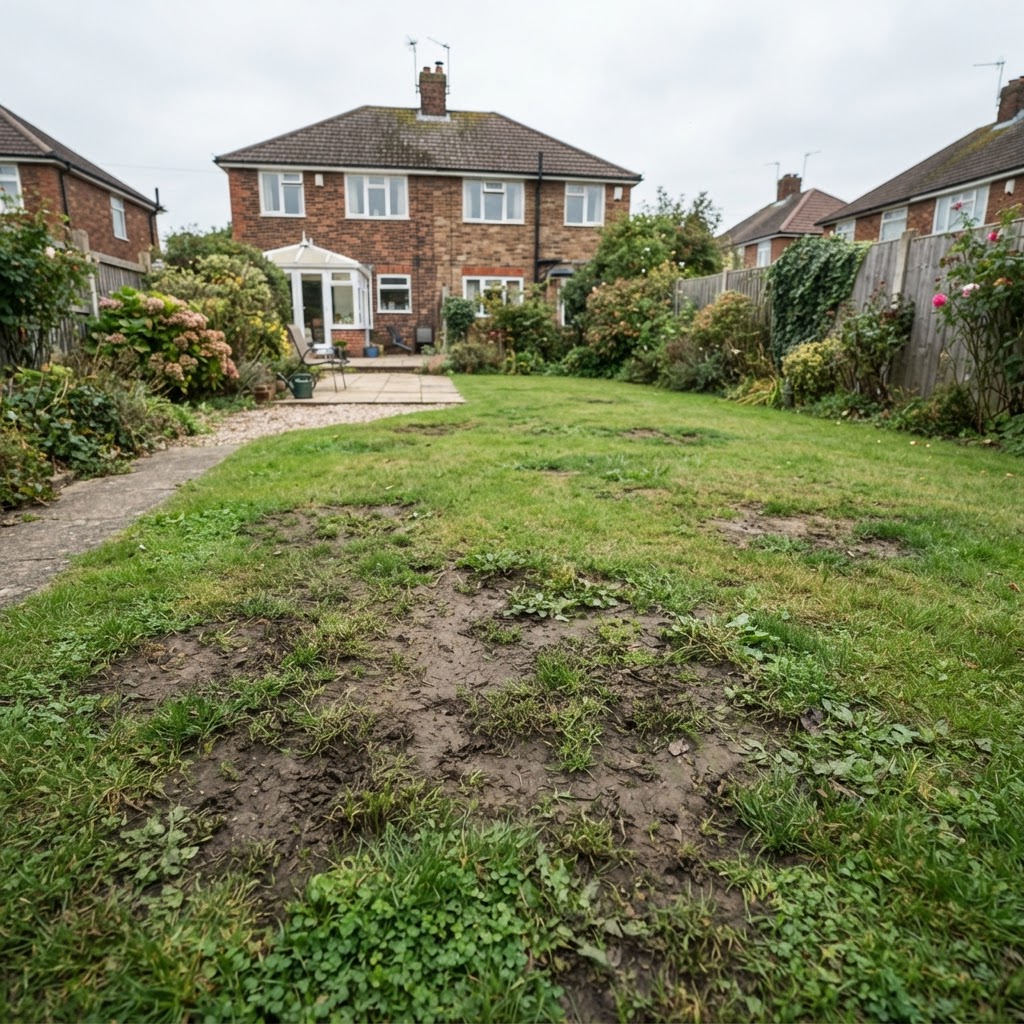
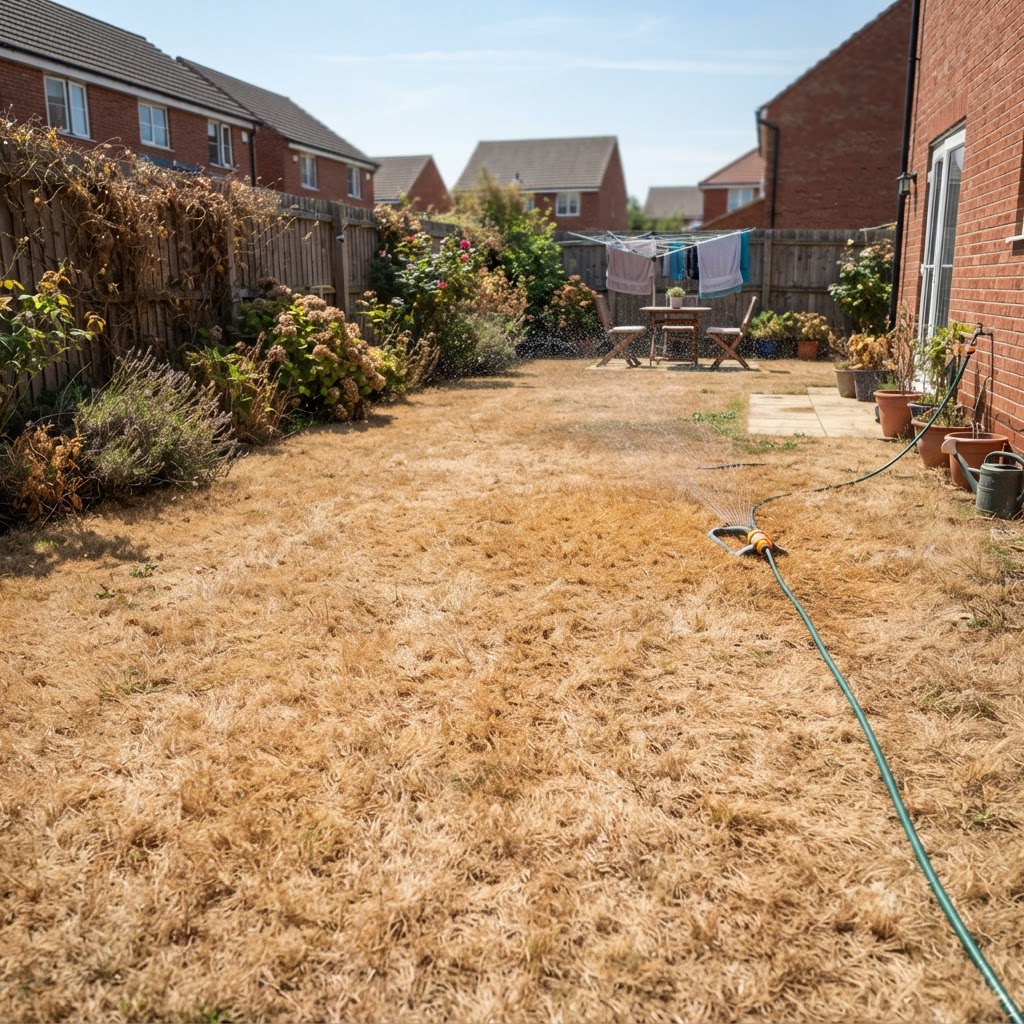
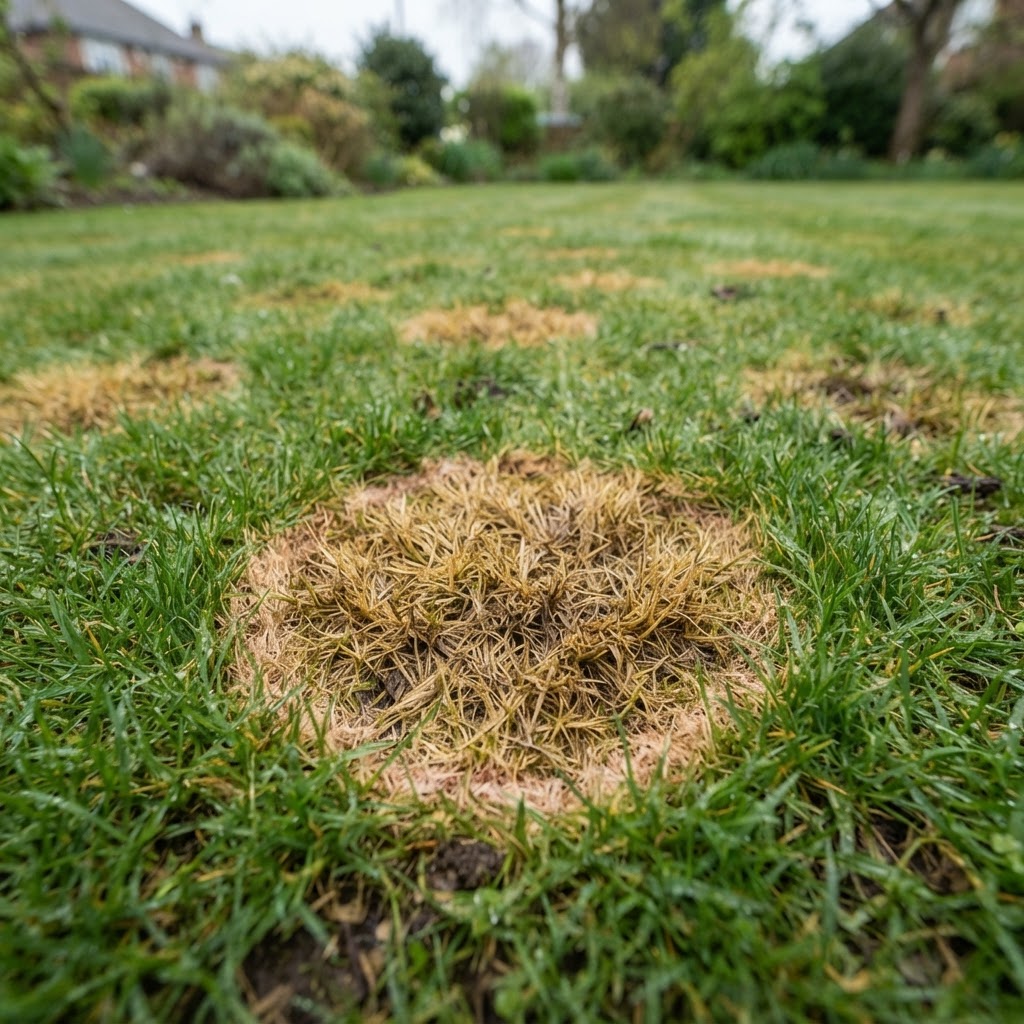

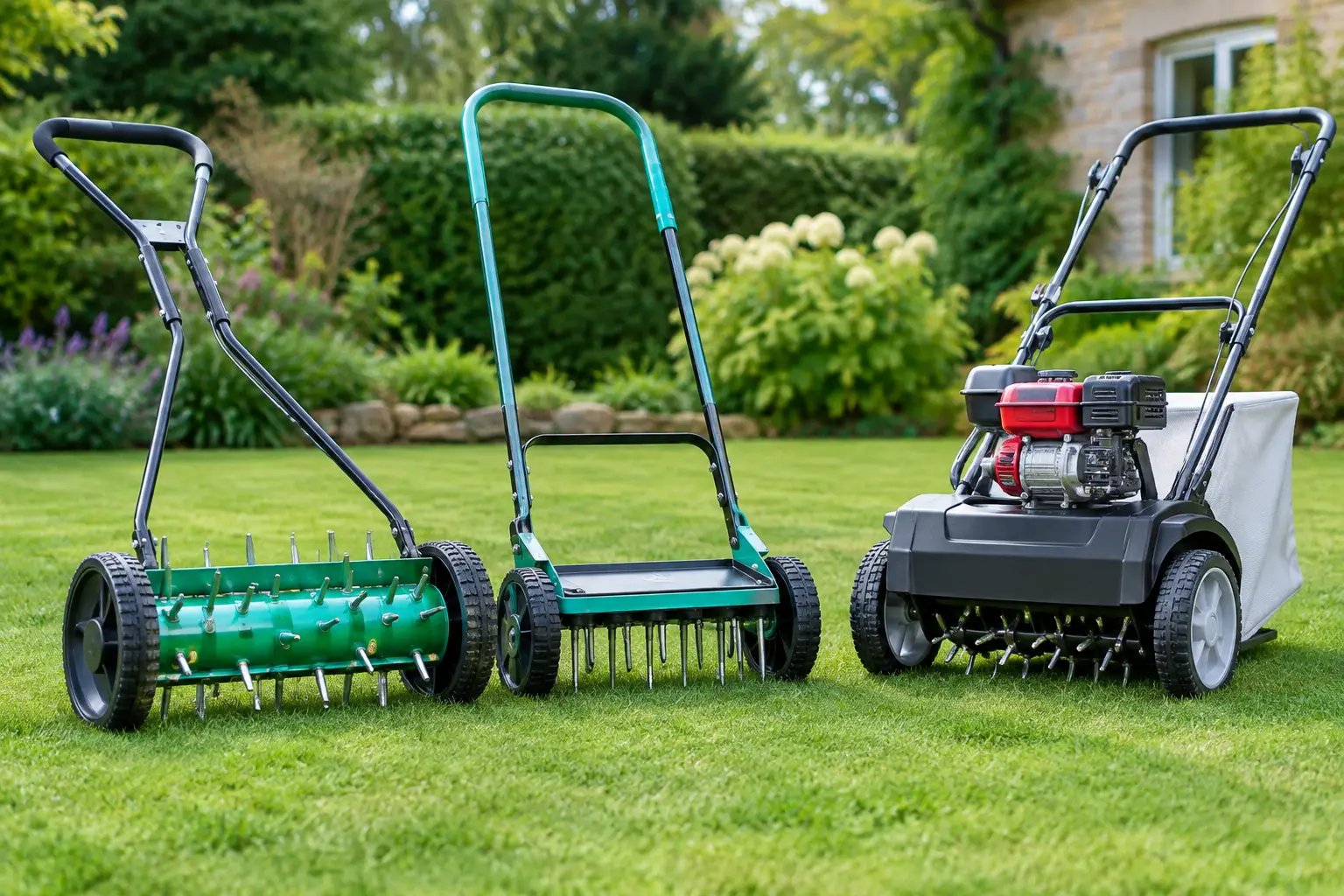
A lawn that puddles after rain, feels hard underfoot or thins out through summer is usually telling you the same thing: the rootzone is compacted. The best lawn aerators relieve that pressure, allowing oxygen, water and nutrients to reach the roots rather than sitting on the surface or running away. But the correct tool depends on your soil, lawn area and the depth of the problem.
For a small domestic lawn, a well-made hollow-tine fork can be more useful than a machine used badly. For a large, compacted clay lawn or a sports surface, a powered hollow-tine aerator is the trade-standard answer. Start with the diagnosis, not the catalogue.
What Lawn Aeration Actually Does
Healthy turf needs pore space in the soil. Those tiny gaps hold both air and moisture, allowing grass roots and soil organisms to function properly. Repeated foot traffic, mowing, children playing, pets, rain on clay soil and regular use of heavy machinery all reduce that pore space over time.
Aeration creates channels through the surface. Water can penetrate more evenly, roots can grow deeper and fertiliser can work where it is needed. It is not a quick cosmetic treatment. It is a rootzone repair operation, and the visible improvement comes later as stronger grass fills out.
Aeration also helps when overseeding. Seed-to-soil contact is better in an opened surface, while the holes provide sheltered points for moisture and germination. On a worn lawn, aerating before applying a suitable grass seed mixture is often more effective than simply scattering seed over a compacted surface.
Best Lawn Aerators by Job
There is no single best lawn aerator for every garden. The tool should match the degree of compaction and the practical area you need to cover.
Hollow-tine aerators: best for compacted lawns
Hollow-tine aerators remove cores of soil, typically 10-15mm wide. This is the most effective method for relieving genuine compaction because it physically creates lasting space in the rootzone. The extracted cores can be left on the lawn to break down naturally, provided they are not excessive or heavily smeared with wet clay.
A manual hollow-tine fork suits lawns up to around 100-150 square metres where the operator can work steadily and the soil is reasonably moist. It is slower than a powered unit but gives excellent control around borders, trees and narrow access points. Look for solid tubular tines and a strong footplate. Thin, poorly fixed tines bend quickly in dense ground.
Powered hollow-tine machines are the preferred choice for larger lawns, commercial sites and heavily compacted ground. They produce a consistent hole pattern and depth across the lawn, saving considerable labour. They are also heavy, noisy and unsuitable for tight gardens with awkward gates or steps. On very wet clay, even a professional machine can smear the sides of the holes, which defeats much of the purpose.
Solid-tine aerators: best for regular maintenance
Solid-tine aerators punch holes without removing cores. They are useful where a lawn needs routine aeration but is not severely compacted, particularly on sandy or loamy soils that drain relatively freely. A solid-tine garden fork can also be a sensible first step for a homeowner who needs to improve a small area without hiring machinery.
The limitation is simple: soil is displaced rather than removed. In dense clay, repeated solid tining can compact the surrounding soil further if carried out in poor conditions. Use it little and often as part of maintenance, not as a substitute for hollow tining where there is standing water and hard ground.
Rolling spike aerators: best for light surface work
A rolling spike aerator is quick to use and covers more ground than a fork. It can help open the upper surface before feeding or overseeding, and it is convenient for regular use on a reasonably healthy lawn. It is not a cure for deep compaction.
The spikes tend to work at a shallow depth and can compress soil around each hole. That is acceptable for light maintenance, but it will not transform a waterlogged, mossy lawn on heavy ground. Treat it as a supplementary tool rather than the main renovation machine.
Aerator sandals: best avoided for serious work
Strapped spike sandals appear economical, but they are difficult to use evenly and present an unnecessary slip risk. Their tines are shallow and the pressure is inconsistent. For the same budget, a solid-tine fork gives better penetration, greater control and a more useful result.
How to Choose the Right Aerator
Before choosing a tool, check three practical factors: soil type, lawn size and access. A small clay lawn behind a terraced house may benefit more from a manual hollow-tine fork than from arranging a machine that cannot pass through the side gate. Conversely, hand aerating 500 square metres of compacted turf is rarely an efficient use of a contractor's time.
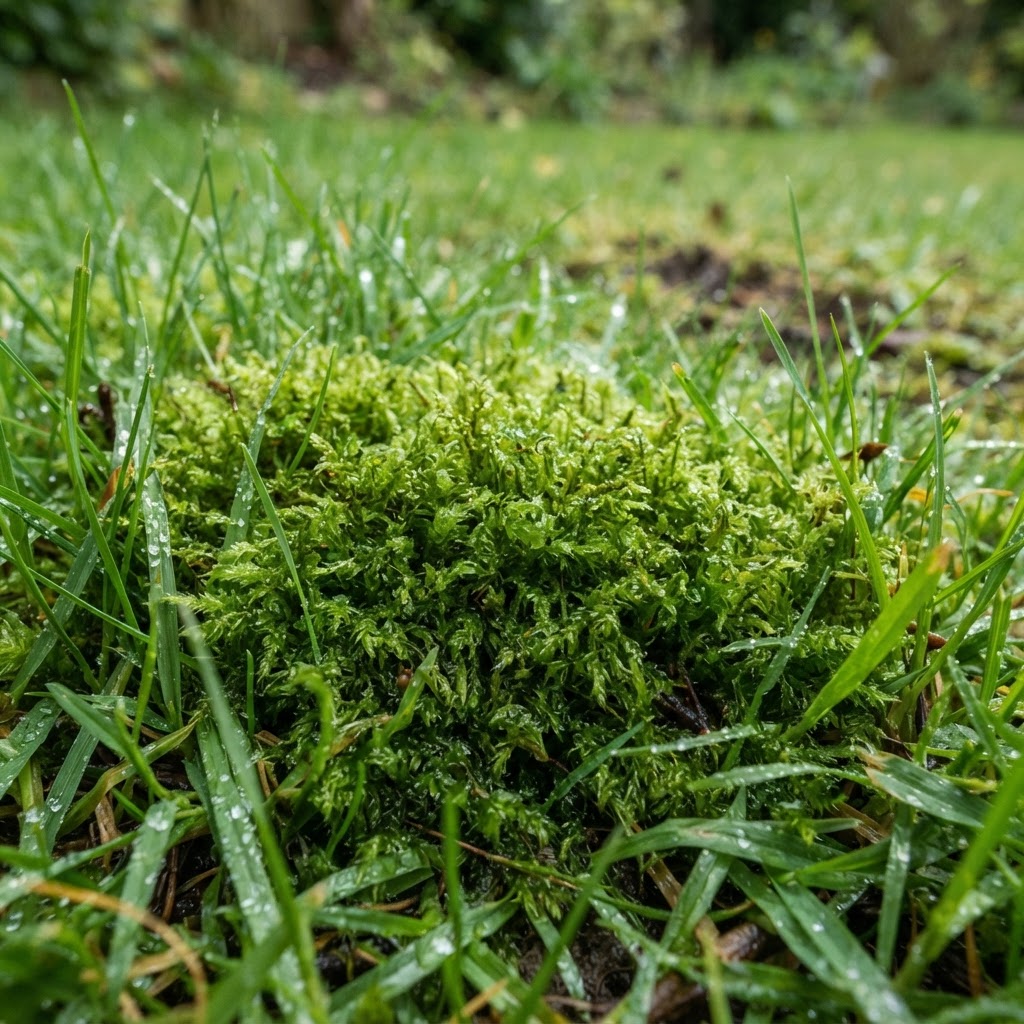
Choose hollow tines where water sits on the lawn, grass roots are shallow, the surface feels hard, or traffic has created worn routes. Choose solid tines for preventative maintenance and lighter compaction. If your lawn is thin because it is shaded, drought-stressed or poorly fed rather than compacted, aeration alone will not solve the issue. Diagnose the primary cause first.
Tine depth matters too. Domestic hand tools generally reach around 75-100mm when used properly. Professional machines can often work deeper, but deeper is not automatically better. The aim is to relieve compaction within the active rootzone without damaging buried services, irrigation lines or shallow tree roots.
When to Aerate a Lawn in the UK
Early autumn is usually the strongest window for major aeration. The soil is still warm, rainfall is more dependable and grass has time to recover before winter. It also aligns well with overseeding and an autumn fertiliser designed to support root strength rather than force soft top growth.
Spring can work well, especially on lawns that were compacted over winter, but avoid working ground that is waterlogged or cold. The soil should be moist enough for tines to penetrate cleanly, not saturated enough to smear. A useful test is to press a screwdriver into the lawn. If it enters with firm resistance and comes out cleanly, conditions are generally suitable. If the hole closes into wet paste, wait.
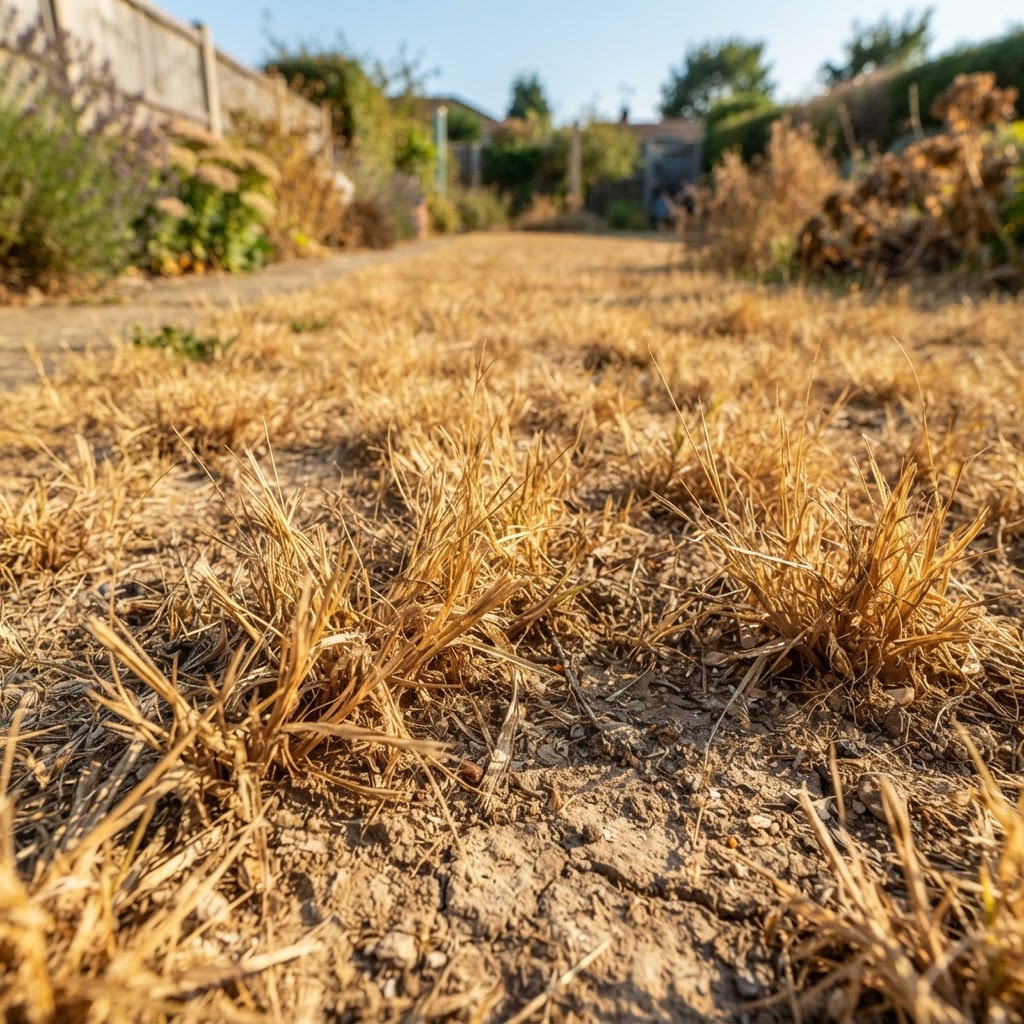
Do not aerate during drought. Hard, dry soil is difficult on equipment and grass will struggle to recover. Watering heavily just before the job is not the same as working naturally moist soil, particularly on clay.
Getting Better Results After Aeration
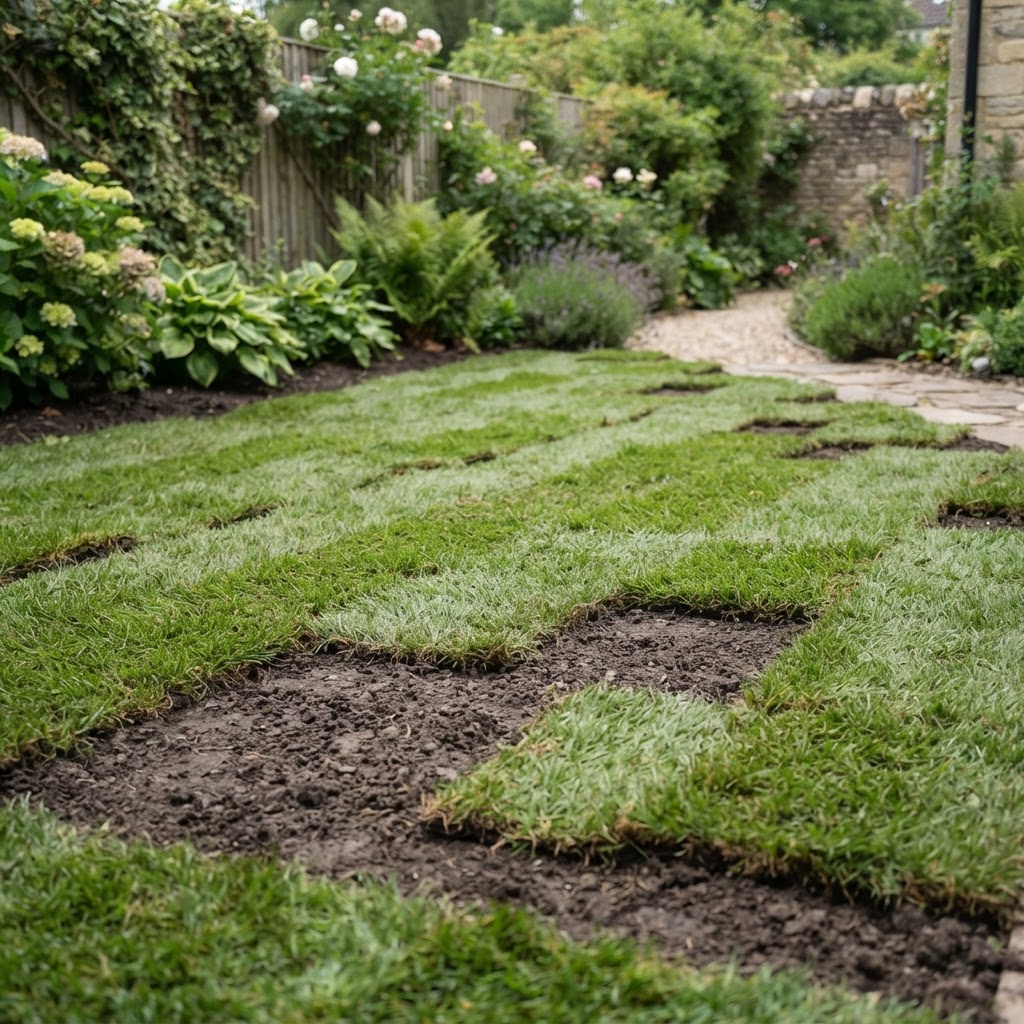
Aeration is most valuable when followed by the right renovation steps. Mow the lawn shortly beforehand, but do not scalp it. Once the holes are open, brush in a compatible topdressing where levels or soil structure need improvement. On heavy clay, a suitable sandy dressing can improve surface drainage over repeated applications, but a thin layer applied once will not change the entire soil profile.
If the lawn is thin, overseed after aerating. Choose a blend that suits the site rather than selecting only for appearance. Hard-wearing ryegrass and fescue mixtures are practical for family lawns, while shade-tolerant blends are better suited to areas beneath tree canopies. Ransley Pro Grow's professional-grade seed approach is built around this principle: match the grass species to the pressure it must withstand.
Apply fertiliser according to the season and the lawn's condition. A pre-seeder feed with a balanced nutrient profile can support root development during establishment, while an autumn formulation with lower nitrogen and higher potassium is better suited to late-season recovery. Keep off freshly renovated turf where possible, and maintain steady moisture until new seedlings are established.
A Practical Rule for Homeowners and Contractors
For small lawns with occasional compaction, buy or borrow a quality hollow-tine fork and use it each autumn. For medium lawns, regular traffic and recurring puddling, consider hiring a powered hollow-tine machine once a year and carrying out lighter solid-tine maintenance between treatments. For commercial turf, sports areas and large domestic grounds, schedule aeration as part of a wider annual programme that includes mowing, feeding, overseeding and drainage assessment.
The best result is rarely produced by one pass with one tool. It comes from relieving compaction at the right time, then giving the grass the seed, nutrition and recovery period needed to use that newly available root space. That is how a lawn becomes more resilient season after season, rather than simply greener for a fortnight.