








A lawn usually tells you what it needs long before it fails. Thin growth under trees, worn strips by the patio, scorched patches after a dry spell - each problem points to a mismatch between site conditions and seed choice. That is why the best grass seed mixes are rarely the cheapest bag on the shelf. They are the blends matched to your soil, light levels, wear, and expectations.
For UK gardens and managed landscapes, a seed mix should be judged on more than colour alone. Establishment speed matters. So does root depth, disease tolerance, leaf fineness, recovery after wear, and how much maintenance the finished lawn will demand. A family lawn, a shaded courtyard and a front garden cut with stripes each need a different recipe.
What makes the best grass seed mixes?
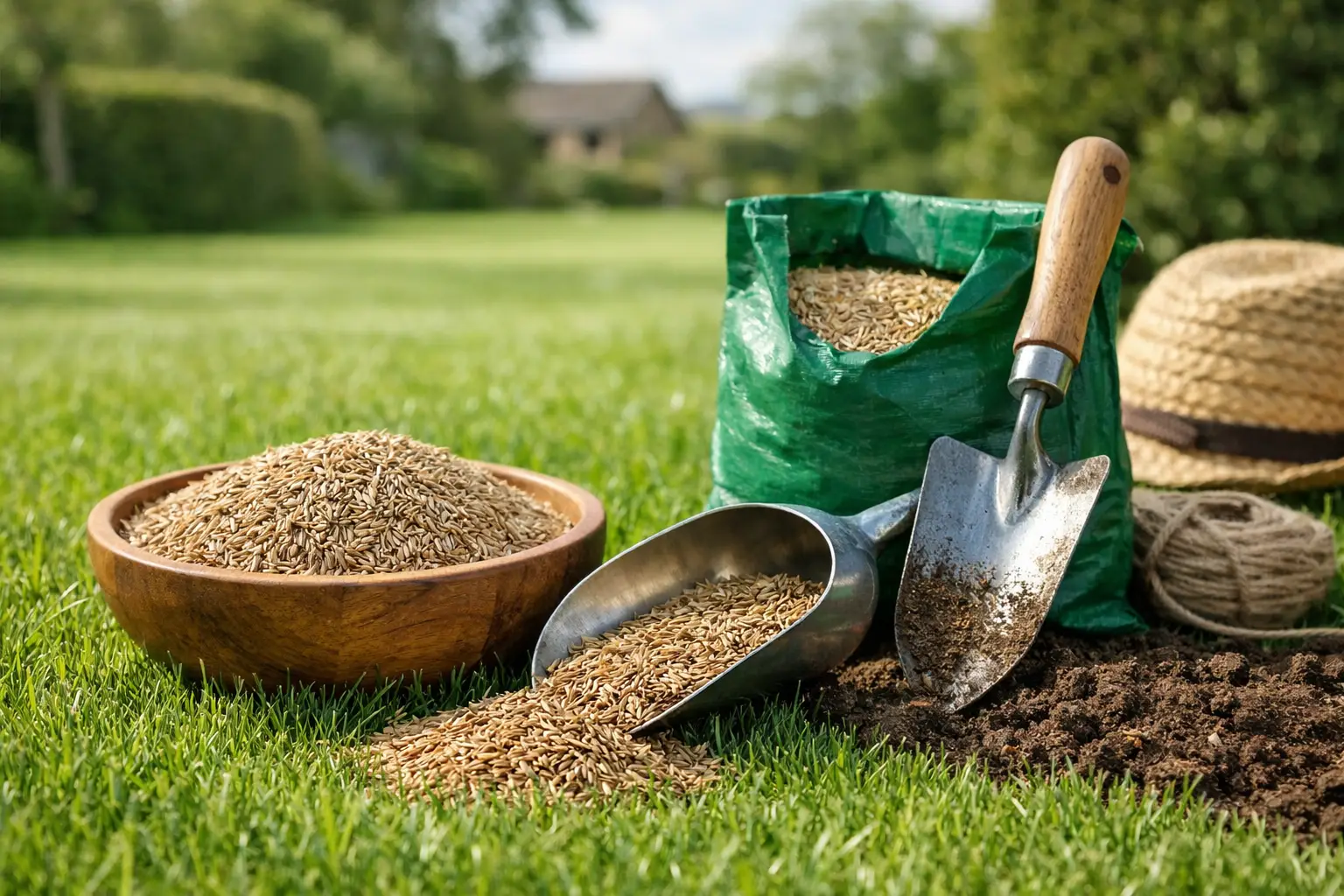
A proper grass seed mix combines species for a reason. One grass may germinate quickly and anchor the lawn early, while another brings finer texture or better tolerance of drought and shade. Single-species lawns can work in specialist settings, but for most domestic and commercial use in Britain, mixed seed is the more dependable option.
Perennial ryegrass is often the backbone of hard-wearing mixtures. It establishes quickly, copes well with wear, and gives reliable coverage. Dwarf perennial ryegrass varieties are especially useful where you want durability without an overly coarse finish. Tetraploid ryegrass takes that a step further, with larger seeds, rapid germination in the 7-14 day range under suitable conditions, and stronger rooting that helps in dry periods.
Fescues bring refinement. Slender creeping red fescue and chewings fescue are valued for fine leaf texture and lower input performance. They are useful where appearance matters and where mowing is regular but not aggressive. Strong creeping red fescue also helps bind the sward and improve recovery.
Browntop bent appears in some ornamental mixtures because it produces a very fine finish. The trade-off is simple - it looks excellent under the right regime, but it expects more from the person managing it. If your lawn is cut when convenient rather than to a schedule, a blend with too much bent can become a burden.
Best grass seed mixes for common UK lawn conditions
The right blend depends on the job. There is no universal best mix, only the best fit for the ground in front of you.
For family lawns and general garden use
A balanced mix built around dwarf perennial ryegrass and fescues is usually the soundest choice. Ryegrass delivers quick establishment and wear tolerance. Fescues soften the appearance and help create a denser, more attractive finish.
This type of blend suits gardens with children, pets and regular foot traffic. It is also forgiving for homeowners who want a strong lawn without managing it like a bowling green. If you are seeding a new lawn and need dependable cover with sensible upkeep, this is often the place to start.
For fast establishment and repair work
Where speed matters, mixes with a strong ryegrass content are often the best answer. This is especially relevant for overseeding patchy lawns, renovating worn areas, or working to a contractor deadline.
Tetraploid ryegrass blends are engineered for rapid establishment and can show early germination in 7-14 days when soil temperature and moisture are right. They also tend to produce deeper root systems than standard amenity mixes, which improves resilience once established. The trade-off is texture. Fast, vigorous grasses are not always the finest in appearance, though modern blends can strike a very respectable balance.
For shaded gardens
Shade is where many lawns quietly decline. Grass near fences, north-facing boundaries and beneath trees receives less light, holds more moisture, and often faces root competition as well. Standard hard-wearing seed can struggle badly here.
The best grass seed mixes for shade usually lean more heavily on fine fescues, with carefully selected shade-tolerant ryegrass where appropriate. Do not expect the same density you would achieve in full sun. Shade-tolerant does not mean shade-loving. In very deep shade, improving light levels by pruning or accepting a non-grass surface may be the more honest solution.
For dry, free-draining ground
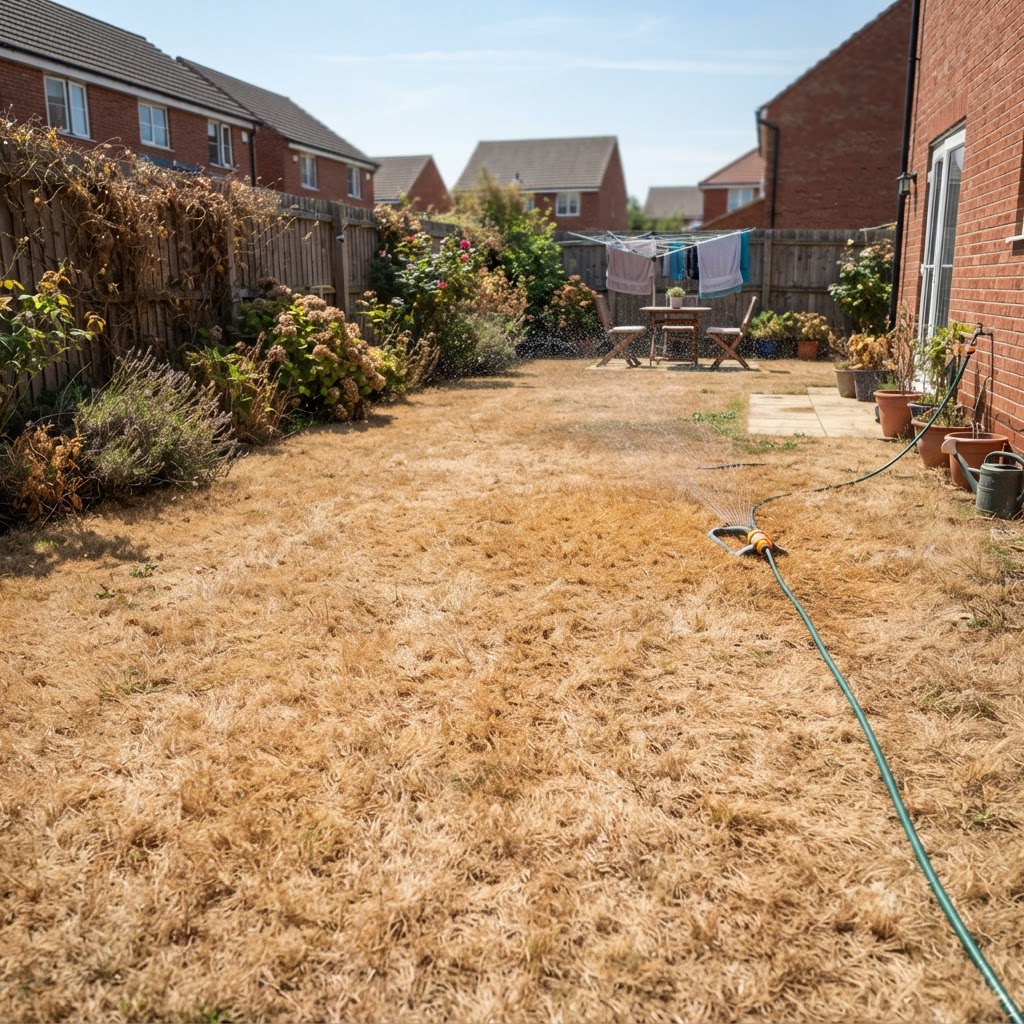
South-facing lawns, sandy soils and exposed areas call for deeper rooting and efficient moisture use. This is where drought-tolerant blends earn their keep. Fescues perform well in these conditions, and tetraploid ryegrass can also contribute stronger root development than many conventional mixtures.
A drought-resistant mix will not stay green indefinitely in prolonged heat without water, but it will usually hold on better, recover faster and suffer less thinning. That matters far more than a short burst of spring colour followed by summer stress.
For ornamental lawns
If the brief is fine texture and appearance first, a fescue-dominant blend, sometimes with browntop bent, is usually the right direction. These mixtures produce a smarter finish, but they expect lower cutting heights, sharper mowing practice and more attentive feeding.
This is where buyers can go wrong by choosing a decorative mix for a practical lawn. If the area doubles as a football pitch for children and a route for the dog, ornamental seed will often disappoint. Good results come from matching ambition to use.
How to choose a seed mix without guessing
Start with four questions. How much wear will the lawn take? How much sunlight does it receive? What is the soil like? And how much maintenance are you genuinely prepared to do?
A front lawn with light use can justify a finer blend. A back garden used every day needs more ryegrass in the mixture. Heavy clay often holds moisture and nutrients well, but it can compact and stay cold in spring, so establishment may be slower. Sandy ground warms quickly and drains freely, but it dries out faster and often benefits from drought-tolerant species.
It is also worth deciding whether you are creating a new lawn or repairing an existing one. New lawns allow you to choose the ideal blend from the start. Overseeding works best when the new seed is reasonably compatible with the existing sward, otherwise the finish can look uneven.
One practical point often missed is input level. A premium seed mix still needs the basics to perform. If the soil is poor, a pre-seeder fertiliser with a balanced 6-9-6 analysis helps root development without forcing weak, sappy top growth. Seed choice and nutrition should work together.
Why cheap seed mixes often cost more
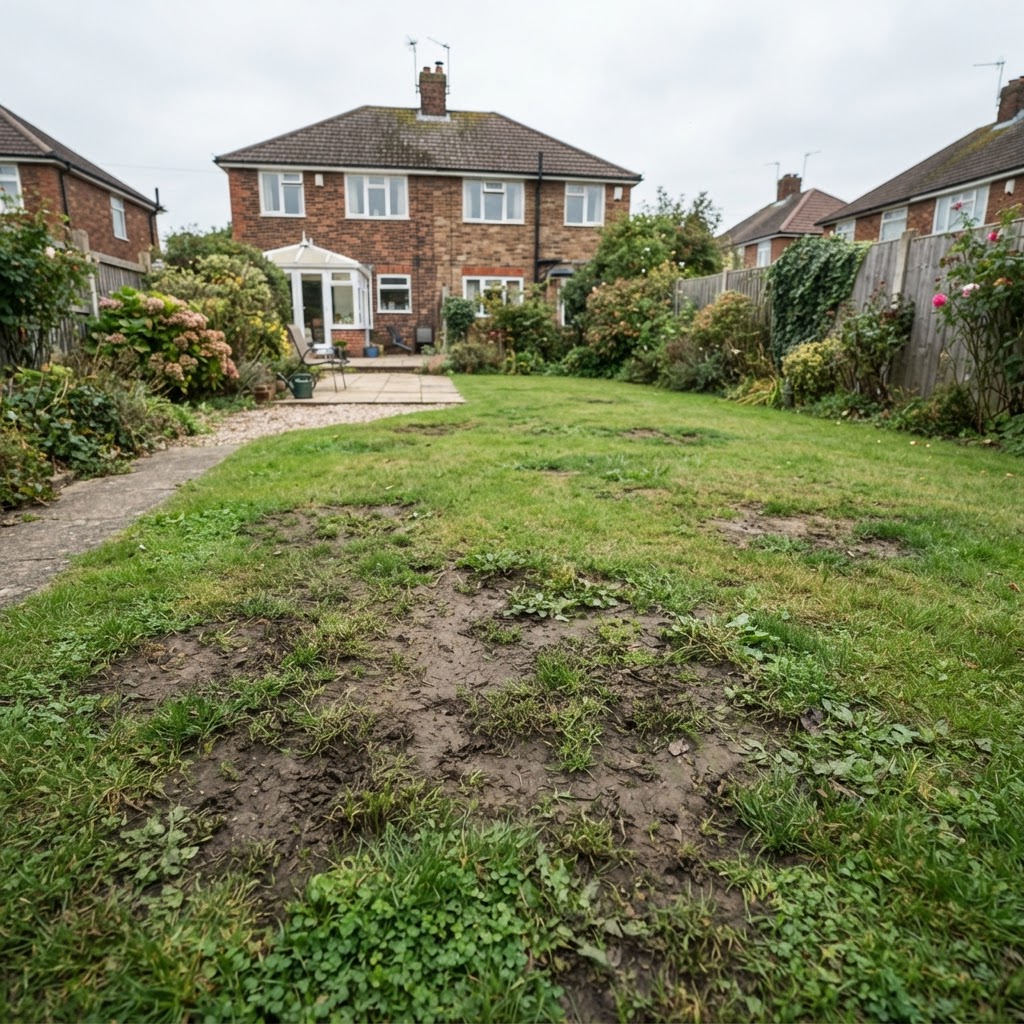
Low-cost seed tends to hide its compromise in the small print. You may see unnamed varieties, higher proportions of agricultural grasses, or species chosen for price rather than amenity performance. Germination may be patchier, leaf texture coarser and long-term density weaker.
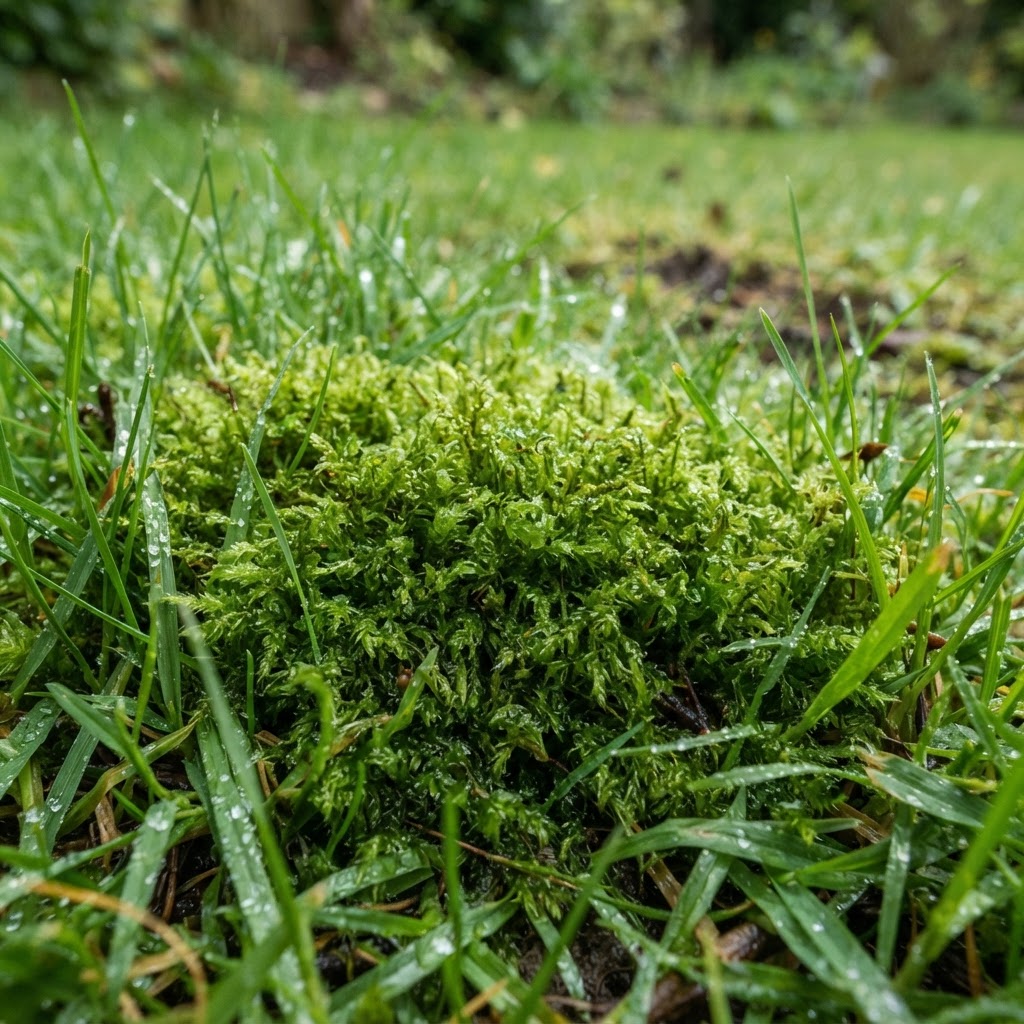
That usually leads to more overseeding, more weed ingress and more frustration. A thin lawn gives broadleaf weeds and moss room to move in. Then the repair bill grows - seed, feed, selective weed control, moss treatment, time. Better seed at the start is often the less expensive route over two or three seasons.
For contractors, the calculation is even clearer. Call-backs due to poor establishment or inconsistent finish cost labour and reputation. Trade-standard mixtures with known varieties are easier to specify and easier to trust.
Best grass seed mixes and aftercare go together
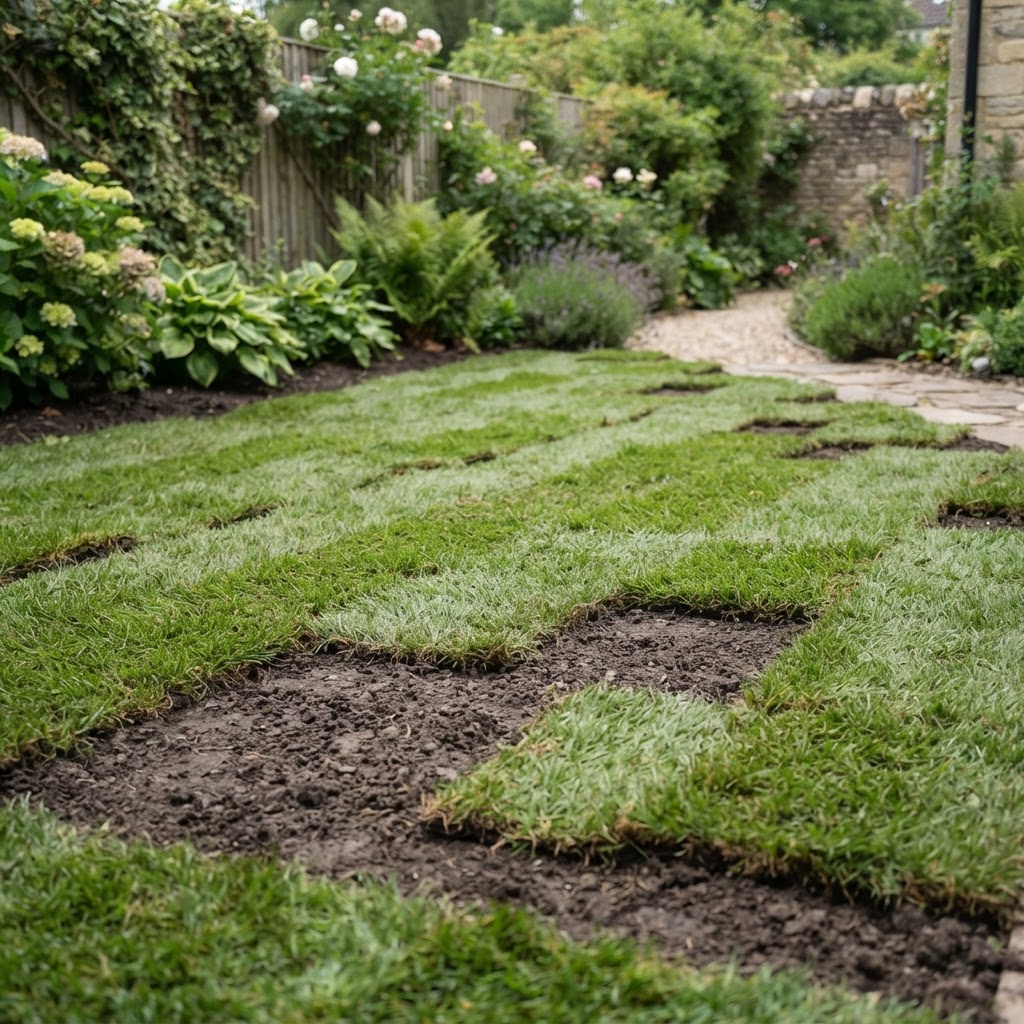
Even the right seed mix will underperform if it is sown badly or neglected in the first six weeks. Seed needs contact with the soil, not a loose layer of thatch. The ground should be level, reasonably firm and free of heavy weed pressure before sowing.
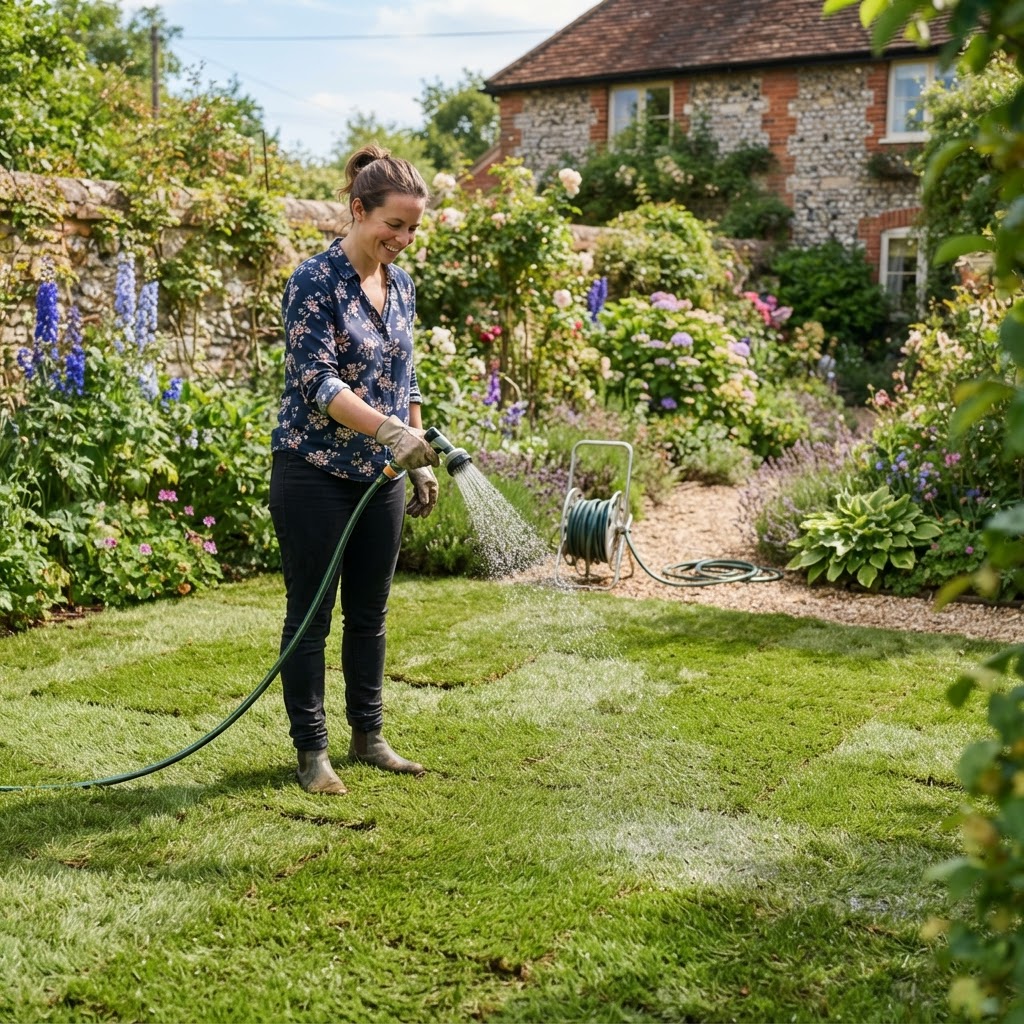
Moisture is the critical factor during germination. Light, regular watering is usually better than occasional drenching, particularly on lighter soils. Once the new grass reaches cutting height, mow carefully with a sharp blade and avoid removing too much leaf in one pass.
Feeding should follow the season. Spring and summer fertilisers with more nitrogen support colour and active growth. Autumn and winter feeds should shift the balance towards root strength and hardiness, with lower nitrogen and higher potassium. If moss or broadleaf weeds are already established, address those pressures as part of the renovation plan rather than expecting seed alone to outcompete them.
A professional-grade blend such as those used by Ransley Pro Grow works best when the whole programme is considered - seed, nutrition, moisture, mowing and timely remedial treatment.
When the best mix is not enough
Sometimes the issue is not the blend at all. Severe compaction, chronic waterlogging, very low pH, dense tree shade or poor drainage can all limit establishment. In those cases, changing seed without correcting the site is little more than an expensive experiment.
A good lawn is built from the rootzone upwards. If the ground is starved of air, nutrients or light, even excellent seed will struggle. The sensible approach is diagnostic, not hopeful. Fix the limiting factor first, then choose the blend that suits the space.
The best results usually come from a lawn that is honest about its conditions. Choose a mix engineered for the job, give it the support it needs in the soil, and you will spend far less time chasing problems later.