








A new lawn rarely fails because the seed was poor. More often, it fails because the wrong seed was chosen for the site, or because the ground was rushed. If you are choosing grass seed for new lawn establishment, the aim is not simply quick green cover. The aim is a lawn that suits the way the space will be used, the amount of light it receives, and the level of maintenance you are prepared to give it.
That is where many garden centre mixes fall short. They promise a lawn in broad terms, but they do not account for shade under trees, heavy family use, dry banks, or the need for rapid establishment on a new-build plot. A proper seed choice starts with conditions first and appearance second.
How to choose grass seed for new lawn areas
In the UK, most quality lawn seed blends are built around ryegrasses and fescues, sometimes with a small proportion of browntop bent depending on the finish required. Each has a job to do.
Perennial ryegrass brings durability, wear tolerance and quick germination. It is the workhorse species and is particularly useful where children, pets or regular foot traffic are part of the picture. Modern dwarf amenity ryegrasses are much finer than older agricultural types, so you can achieve toughness without ending up with a coarse-looking sward.
Fescues bring finer texture and lower input performance. Chewings fescue and slender creeping red fescue are valuable in ornamental and general-purpose lawns because they create density and a neater finish. They also cope better than ryegrass in lower fertility soils. If appearance matters as much as wear, fescue needs to be in the blend.
Tetraploid ryegrass is worth particular attention when speed matters. The larger seed size supports rapid establishment, often in 7-14 days in suitable conditions, and it typically develops deeper roots than many standard ryegrass cultivars. That helps on exposed sites and in periods of dry weather. It is not a magic fix for bad preparation, but it is a strong option where new lawns need to get moving quickly.
The best blend depends on the site. For a front lawn with light use, a finer ryegrass and fescue mixture gives a better visual finish. For a family garden that doubles as a football pitch, the balance should shift towards durable ryegrass. For awkward shaded sections, a specialist shade-tolerant mixture is usually more reliable than trying to force a sunny-lawn blend to cope.
Match the seed to the site, not the picture on the bag
This is the point that saves time and money. A lawn in full sun on free-draining soil has very different needs from a lawn behind a north-facing fence line with tree competition.
If the area gets less than four hours of direct sun in summer, choose a blend designed for shade. Shade-tolerant mixtures usually contain species that can maintain density with lower light levels. Even then, expectations need to be realistic. Thin shade under mature trees is manageable. Dense, dry shade under large canopies is always a compromise because roots from the trees compete for moisture and nutrients.
If the soil is light and dries quickly, drought tolerance should move up the list. Deeper-rooting varieties and fescue-led mixes can help, but so can better soil preparation. Seed choice and rootzone preparation work together. One cannot fully compensate for the other.
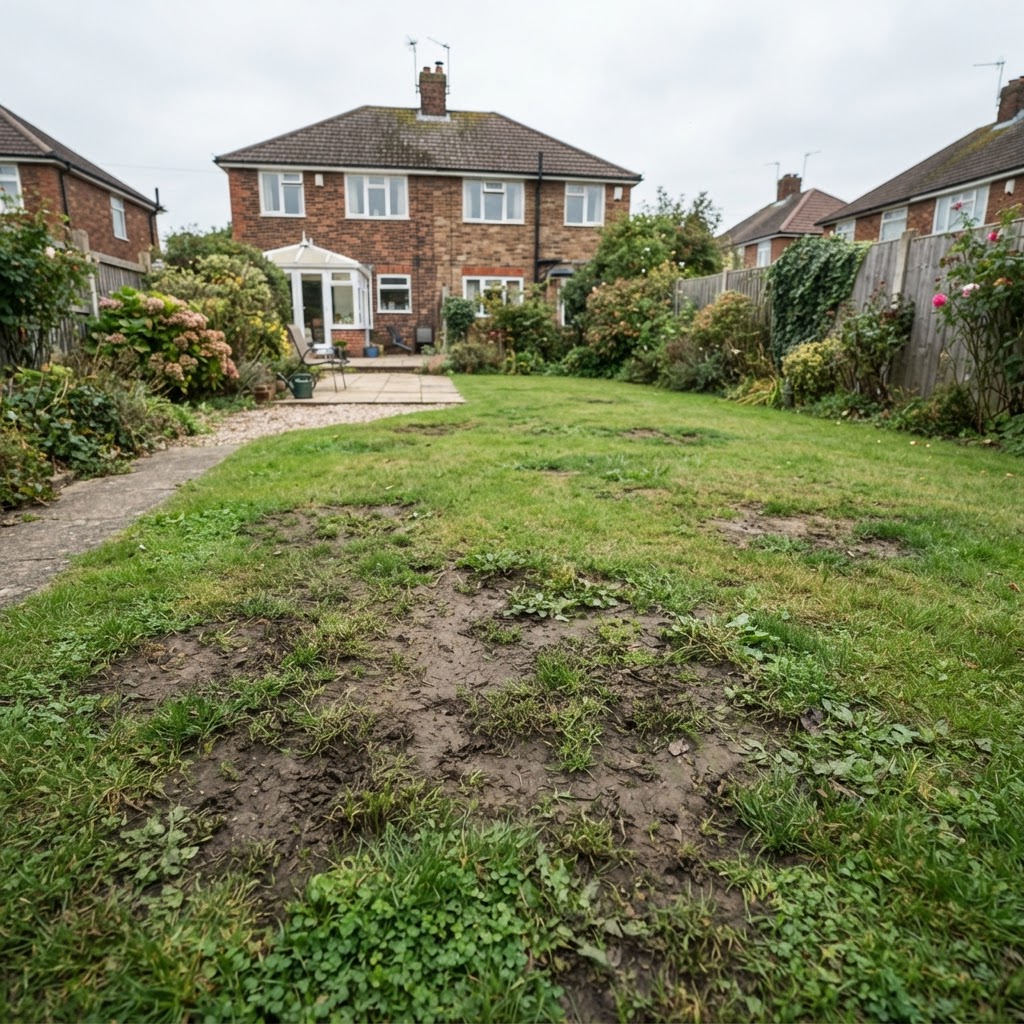
For newly built homes, the challenge is often poor topsoil structure rather than seed quality. Compacted ground, buried rubble and low organic matter restrict establishment. In these cases, a fast-germinating blend is useful, but it should be paired with proper cultivation and, where needed, imported quality topsoil that meets a recognised standard.
Soil preparation matters more than most people think
If you remember one thing, remember this: the best grass seed for new lawn work still needs a fine, firm seed-bed. Throwing seed onto lumpy ground and hoping for rain is not lawn construction. It is guesswork.
Start by clearing weeds thoroughly. Perennial weeds such as couch grass, docks and dandelions should be dealt with before cultivation, otherwise they return through the new sward. Then dig or cultivate the soil to relieve compaction and create a workable upper layer. Remove stones, debris and any obvious building waste.
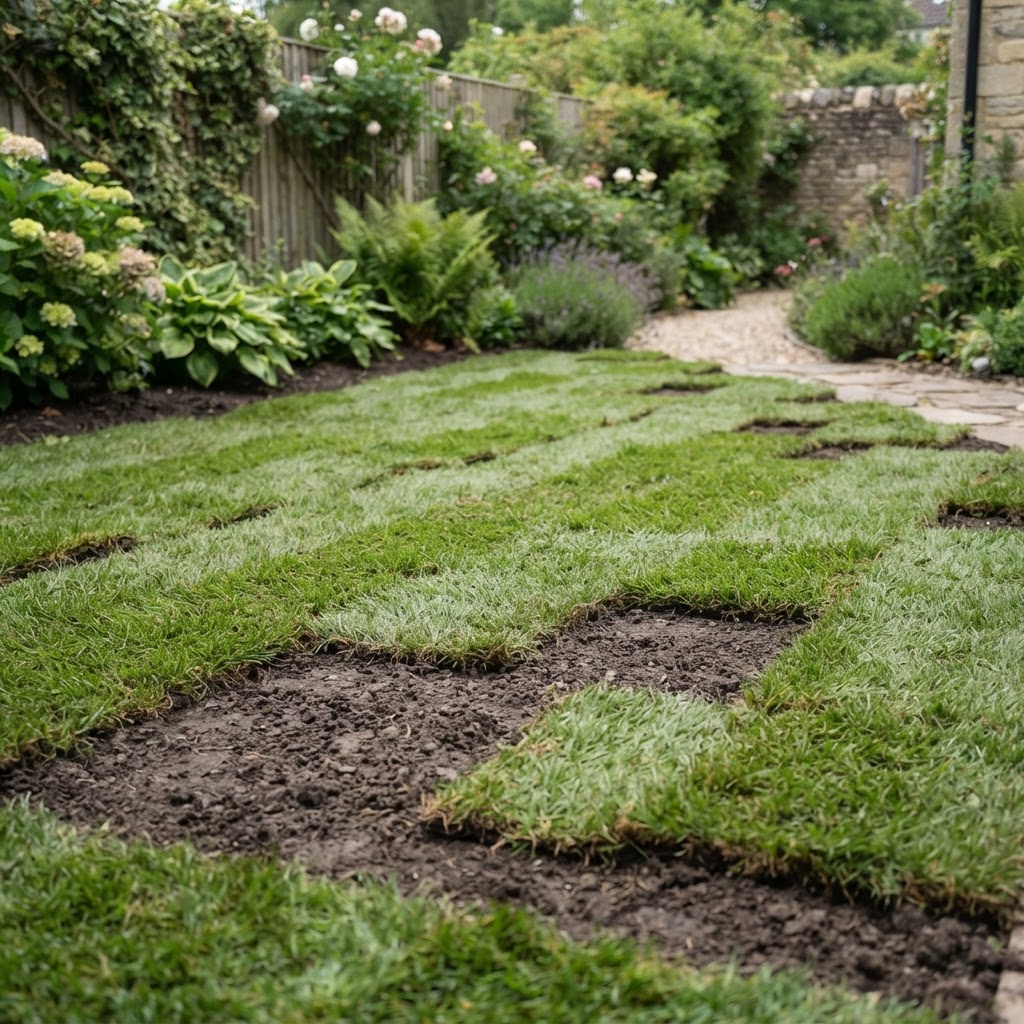
Once the ground is loosened, rake to create a level tilth. It should be fine on the surface but not powdery. After that, firm the area by foot or roller so the ground is settled rather than fluffy. If your footprints sink deeply, it is too soft. Grass seed germinates best where it has close contact with moisture-retentive soil.
Nutrition also belongs at this stage. A pre-seeder fertiliser with a balanced analysis such as 6-9-6 is specially formulated to support root development without pushing excessive top growth too early. The phosphate content is particularly useful when seedlings are establishing. Too much nitrogen at the wrong moment can create soft, leggy growth, so balance matters.
When to sow a new lawn in the UK
Timing changes the result. The best sowing windows are generally spring and early autumn, when soil temperatures are warm enough for germination and moisture is more dependable.
April to June is a sound spring period, provided the soil has warmed and you can keep the seed-bed evenly moist. Early autumn, especially September, is often better. The soil still holds summer warmth, weed pressure tends to ease, and rainfall is usually more consistent. Seedlings can establish before winter without the stress of peak summer heat.
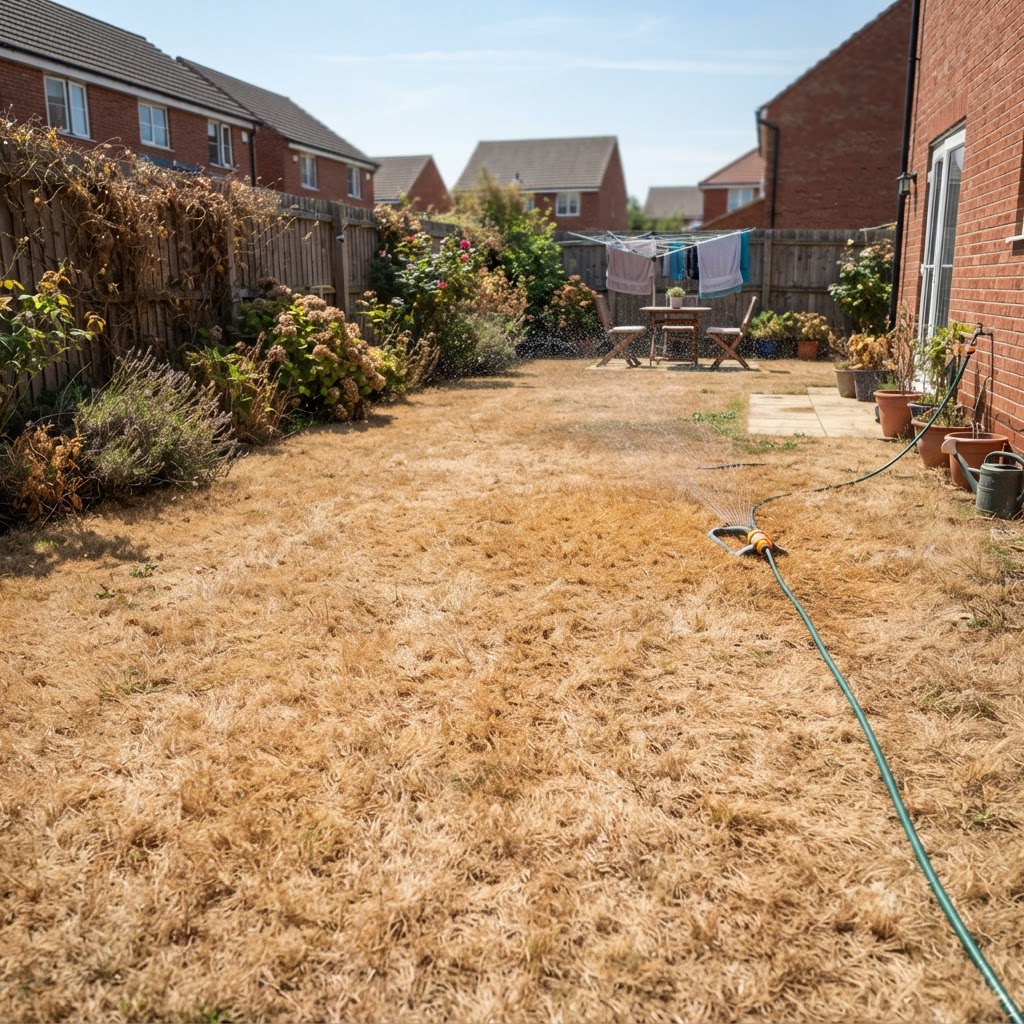
Mid-summer sowing is possible, but only if irrigation is reliable. Without that, germination can be patchy and young plants may scorch. Mid-winter sowing is usually a waste of seed because soil temperatures are too low for steady establishment.
Sowing rates and technique
Applying too little seed leaves gaps. Applying too much creates competition, which weakens the young plants and can produce a thin lawn later on. Most amenity grass seed mixes for new lawns are sown at around 35-50 grams per square metre, though the exact rate depends on the blend.
Split the seed into two equal portions and sow in opposite directions for more even coverage. Lightly rake the surface so the seed is just worked in, then firm again. Seed left exposed is vulnerable to drying out and bird damage, while seed buried too deeply struggles to emerge.
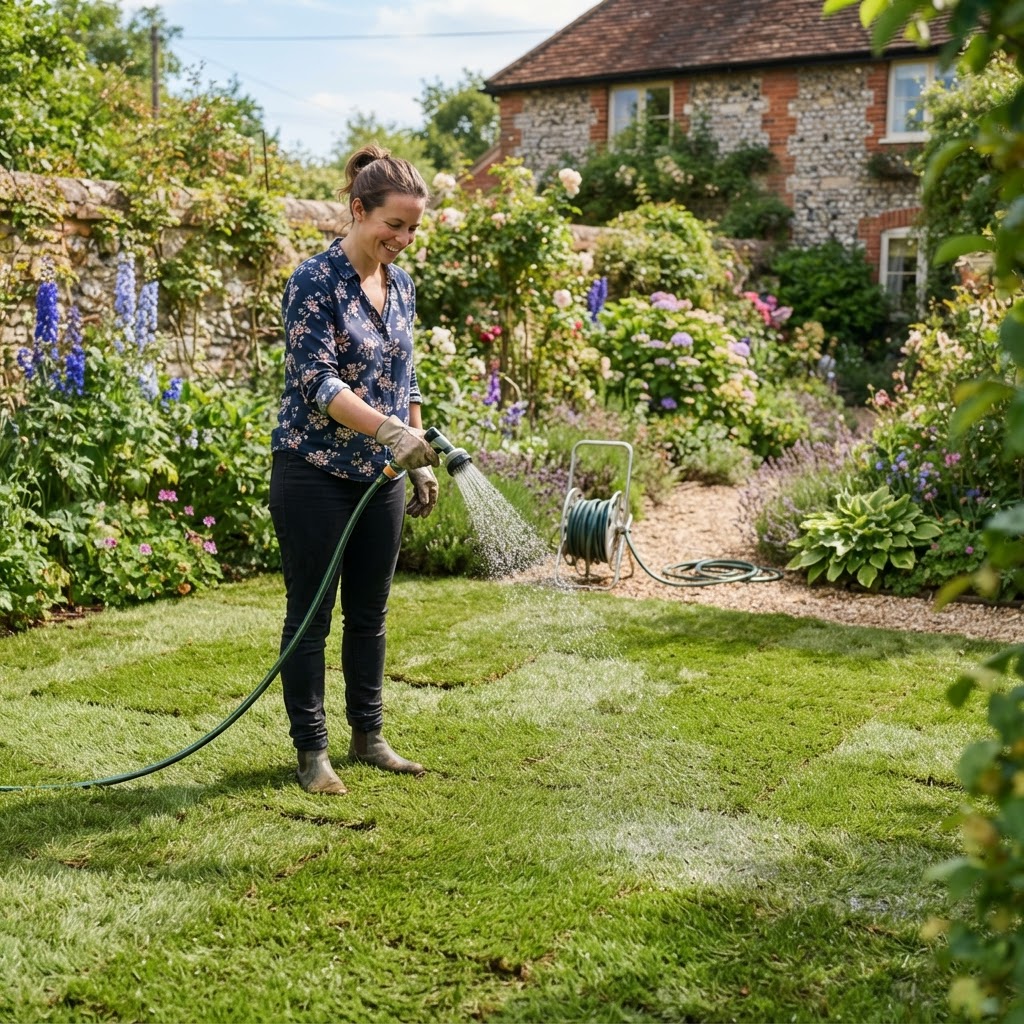
Watering should be gentle and regular. The top layer of soil needs to remain consistently damp during germination. That does not mean saturated. Waterlogging excludes oxygen and can rot seed before it sprouts.
What to expect after germination
Not all species emerge at the same speed. Ryegrass often appears first, while fescues can be slower. That can alarm homeowners into thinking the mix is uneven, when in fact it is behaving normally. Patience is part of establishment.
The first cut should be made when the grass reaches roughly 5-7 cm and the ground is firm enough to walk on without marking it badly. Use a sharp mower and remove no more than a third of the leaf blade. Scalping young grass is one of the quickest ways to check its momentum.
Traffic should be kept off as much as possible for the first few weeks. Even durable mixtures need time to anchor properly. Where germination is sparse in small areas, a light overseed while conditions remain suitable usually solves it.
Common mistakes with grass seed for new lawn projects
The most common error is choosing purely on speed. Fast establishment is useful, especially on busy domestic gardens or commercial schedules, but speed without suitability is short-lived. A lawn that germinates in ten days and struggles for the next two years is not a success.
The next mistake is poor levelling. Once the lawn is in, bumps and hollows are far harder to correct. Take the extra hour before sowing. It pays back every time you mow.
Another is feeding at the wrong stage. Young seedlings need support for rooting, not a heavy hit of high nitrogen. Later in the season, a spring or summer feed can drive colour and growth. In autumn, lower-nitrogen, higher-potassium formulations are the better choice for root strength and winter hardiness.
Finally, many people underestimate how much local conditions matter. Coastal exposure, clay soil, heavy shade, dog wear, and low-maintenance expectations all influence the right blend. There is no single best seed for every lawn, only the best seed for that lawn.
A good lawn starts long before the first mow. Choose a seed blend engineered for your conditions, prepare the ground properly, and give the seedlings a fair start. Do that, and the lawn will not just come up green - it will stay useful, resilient and worth looking at.