

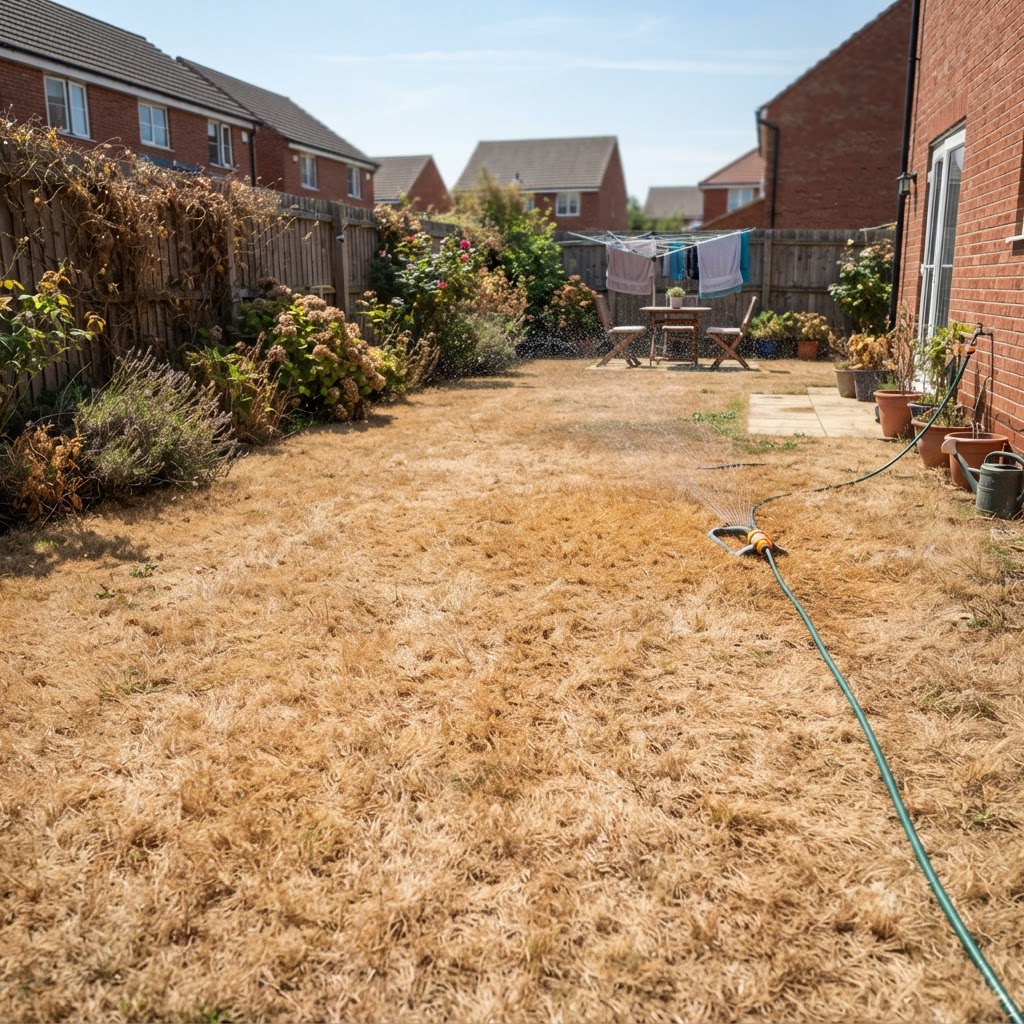

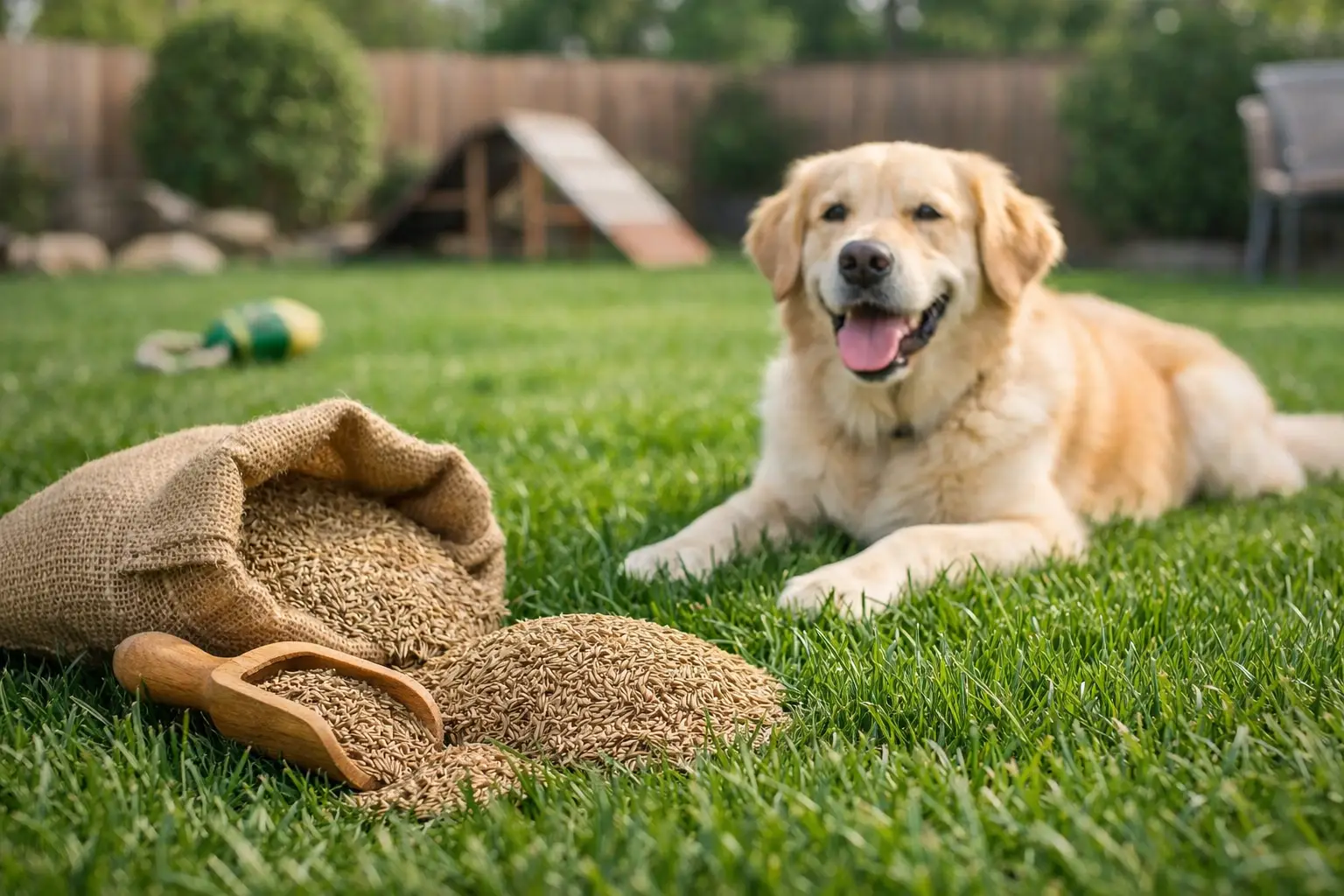
One dog can do more damage to a lawn in a fortnight than a dry spell can in a month. Repeated wear on turning points, pacing along fence lines and urine scorch near the patio all put real pressure on the sward. That is why choosing the right grass seed for dog owners is less about a pretty packet and more about species, root strength and recovery speed.
A dog-friendly lawn needs to cope with traffic first and look smart second. If you start with that mindset, the seed choice becomes much clearer. The best results usually come from professional-style mixtures built around durable ryegrass and finer fescues, rather than soft ornamental blends that look good briefly but thin out under daily use.
What makes grass seed suitable for dog owners?
Not all lawn seed is bred for the same job. Some mixtures are designed for ornamental finish, some for shade, and some for wear tolerance. For homes with dogs, wear tolerance and regeneration are the priorities.
Perennial ryegrass is often the backbone of a hard-wearing lawn because it establishes quickly, tolerates regular footfall and forms a strong, durable surface. That matters when a dog uses the same route every day from the back door to the garden boundary. A quality ryegrass blend also gives you a practical advantage when repairs are needed, because germination is generally faster than with many finer species.
Fescues still have an important role. Strong creeping red fescue and slender creeping red fescue can help knit the lawn together, while chewings fescue contributes density and finer texture. Used well, these grasses balance resilience with appearance. A lawn made entirely from coarse, agricultural-type grasses may stand up to wear, but it will not always give the finish most homeowners want.
That is why the best grass seed for dog owners is usually a balanced mixture rather than a single species. You need toughness, but you also need a lawn that recovers cleanly and does not feel like a sports outfield dropped into a domestic garden.
Best grass seed for dog owners in UK gardens
For most UK gardens, a durable ryegrass and fescue blend is the safest choice. It suits family lawns, establishes well in our climate and provides a good balance between speed, strength and visual quality.
If your main issue is heavy traffic, look for mixtures with a meaningful proportion of dwarf perennial ryegrass. Dwarf cultivars offer the hard-wearing benefits of ryegrass without producing an overly coarse finish. They are particularly useful in gardens where children and dogs share the same space, as the lawn needs to absorb repeated pressure from multiple directions.
Tetraploid ryegrass can also be worth considering where rapid establishment is important. Its larger seed and vigorous early growth can help cover bare ground quickly, which is useful after patch repairs or full renovation. In practical terms, quicker establishment means less time with exposed soil and less chance of a newly seeded area being disturbed before it has rooted. The trade-off is that some fast-establishing blends may need more attentive mowing and feeding once they are actively growing.
If the lawn sits in partial shade, seed choice becomes more specific. Dog owners often have wear issues in shaded edges, under trees or along fences where grass is already under stress. In those cases, a shade-tolerant blend with fescues and suitable ryegrass content usually performs better than a standard utility mix. Heavy wear and heavy shade together are never easy, so expectations need to be realistic. Sometimes the answer is not only different seed, but also changing access routes or reducing repeated pressure in one strip.
Why dog lawns fail even with decent seed
Seed matters, but management matters just as much. Many lawns fail not because the seed was poor, but because the site conditions never gave it much chance.
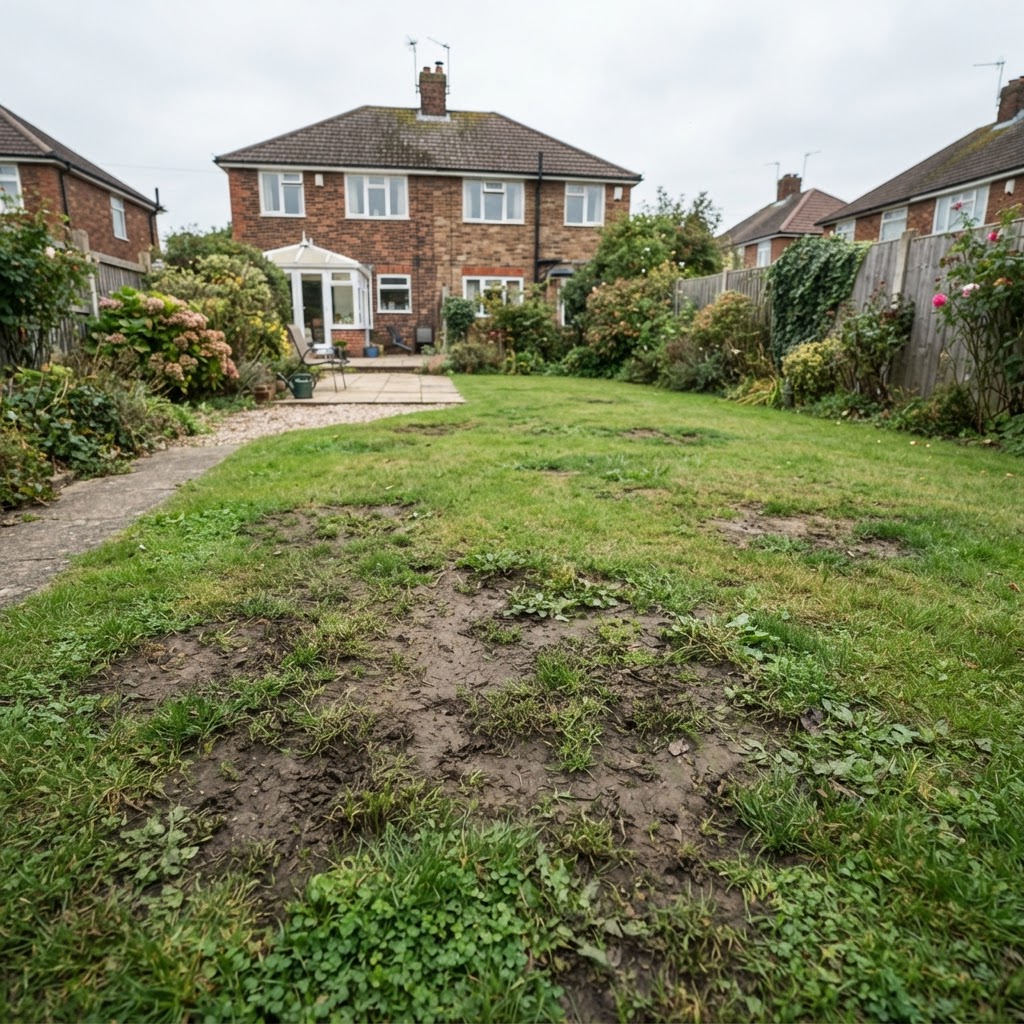
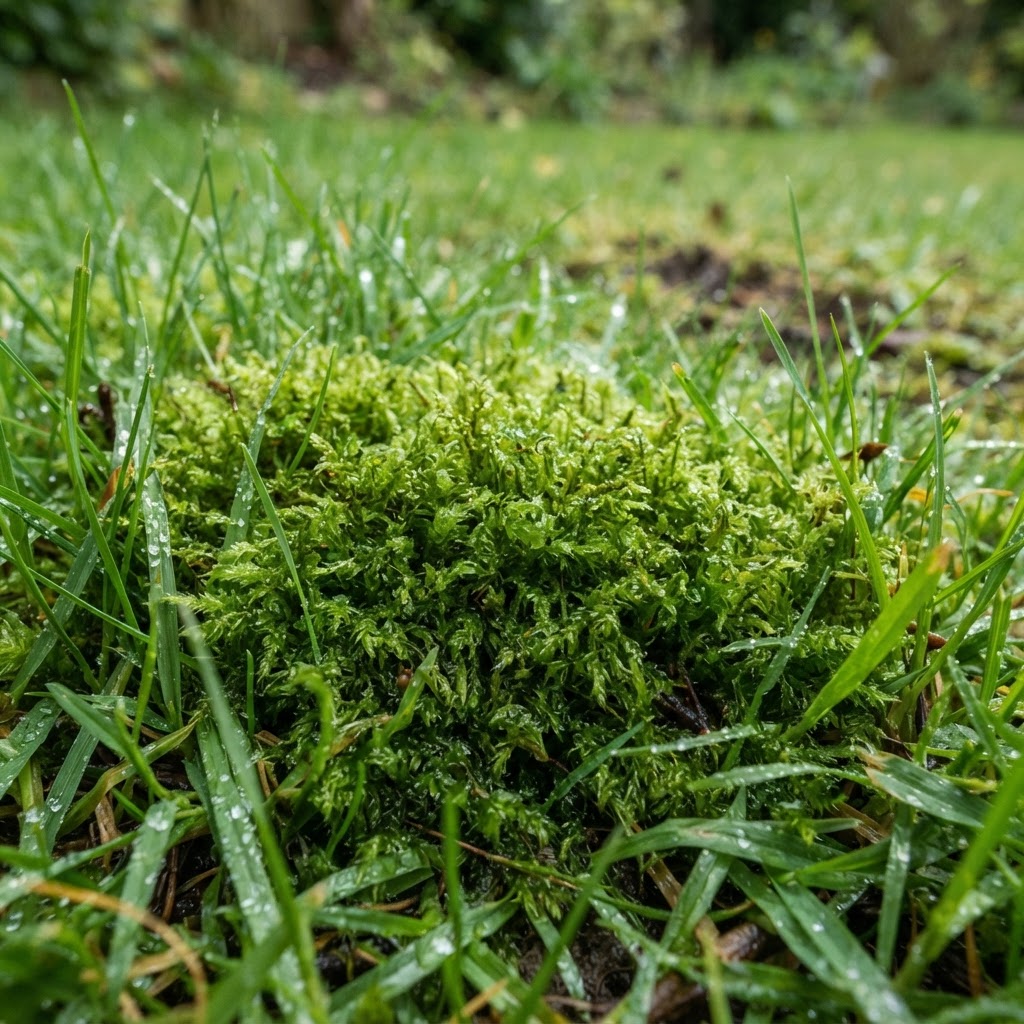
Compaction is common in dog gardens. Repeated running, especially on wet clay soils, closes air spaces in the ground and restricts root development. Grass then sits shallow, drains poorly and struggles to recover. If you sow into compacted soil without relieving it first, even a strong hard-wearing mixture will underperform.
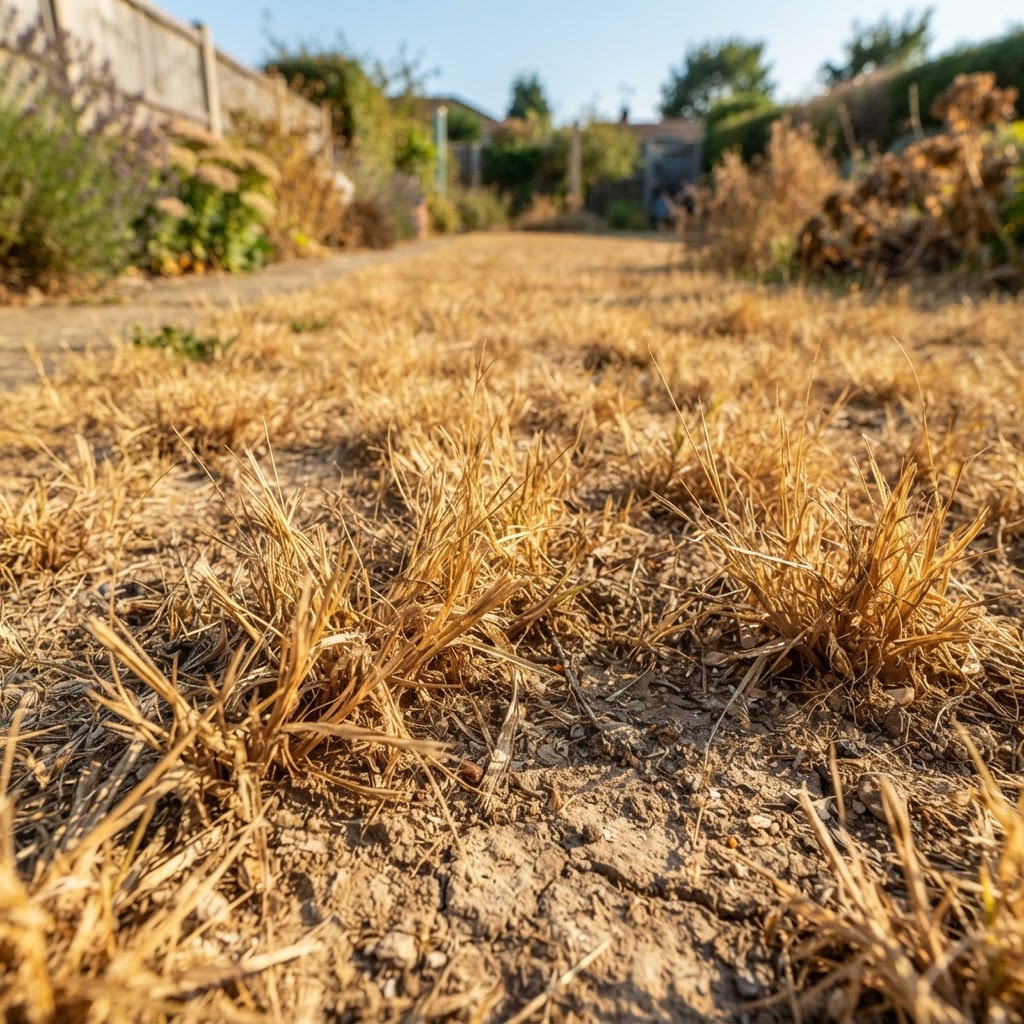
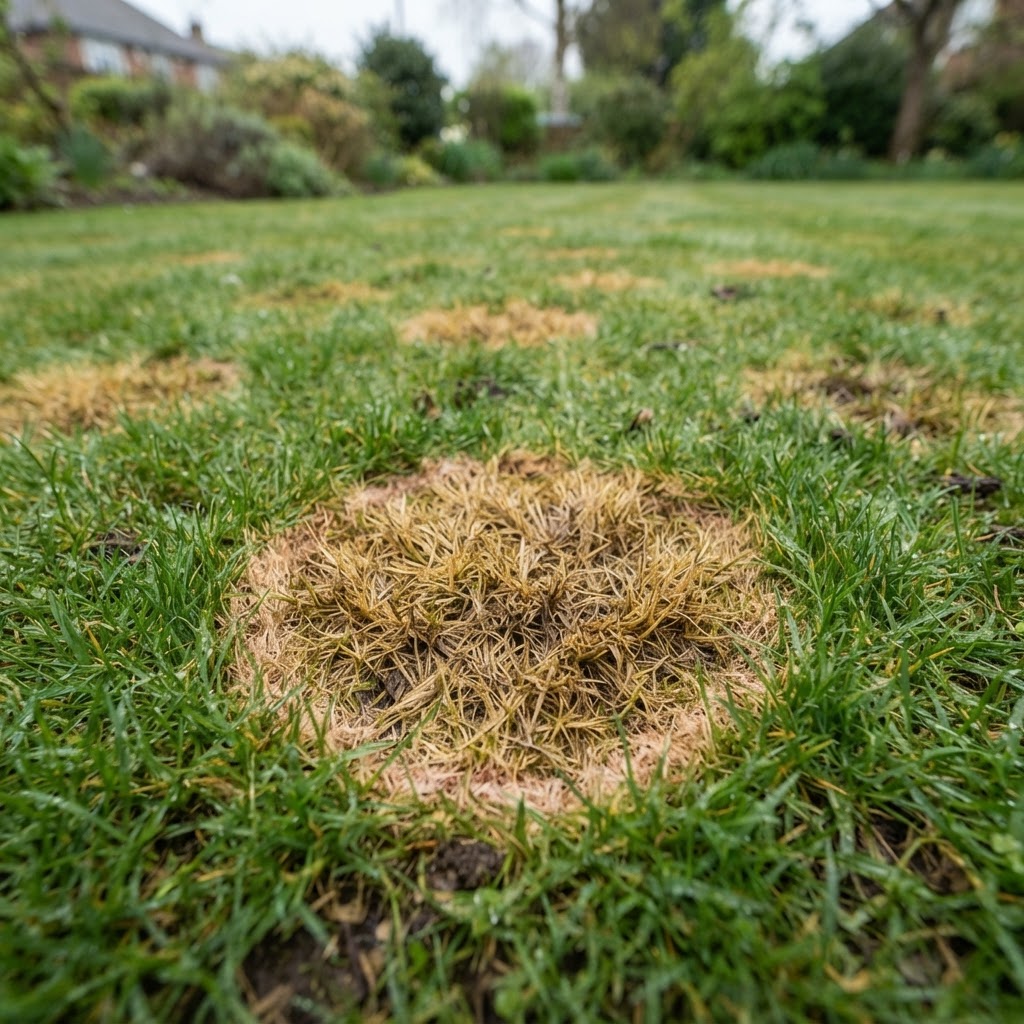
Urine scorch is another issue, though it is often misunderstood. The problem is not acidity, as many assume, but concentrated nitrogen salts in repeated spots. One occasional patch is manageable. The greater problem comes when the same area is used several times a day. The grass receives a localised overload, the leaf burns off, and the weakened patch then gets worn bare.
Then there is simple route pressure. Dogs are creatures of habit. They patrol boundaries, charge out from the same door and pivot in the same corners. That means your lawn does not wear evenly. A seed blend with good recovery helps, but if traffic is concentrated into a narrow track, even quality turfgrass will struggle.
How to repair dog-damaged patches properly
Quick patching only works if the ground underneath is prepared correctly. Throwing seed onto a bare patch and hoping for rain is usually a waste of seed.
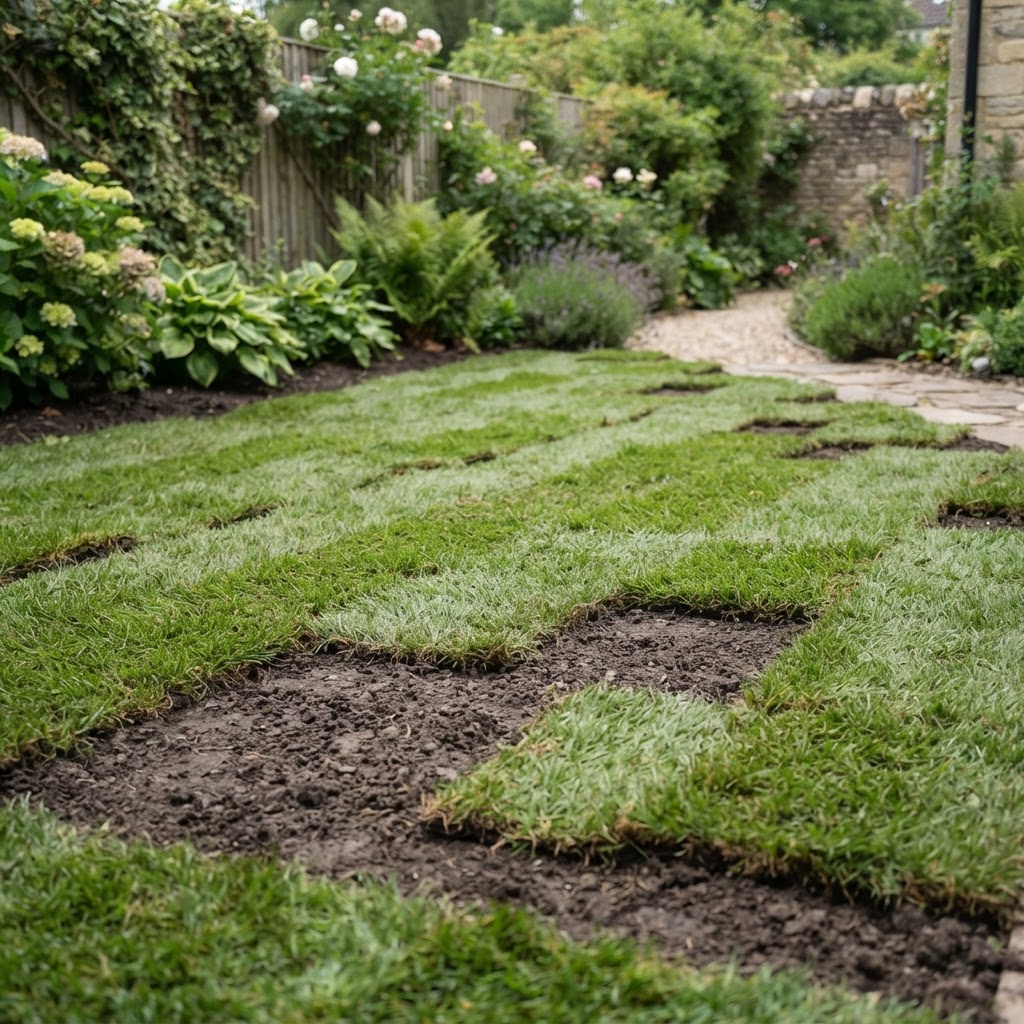
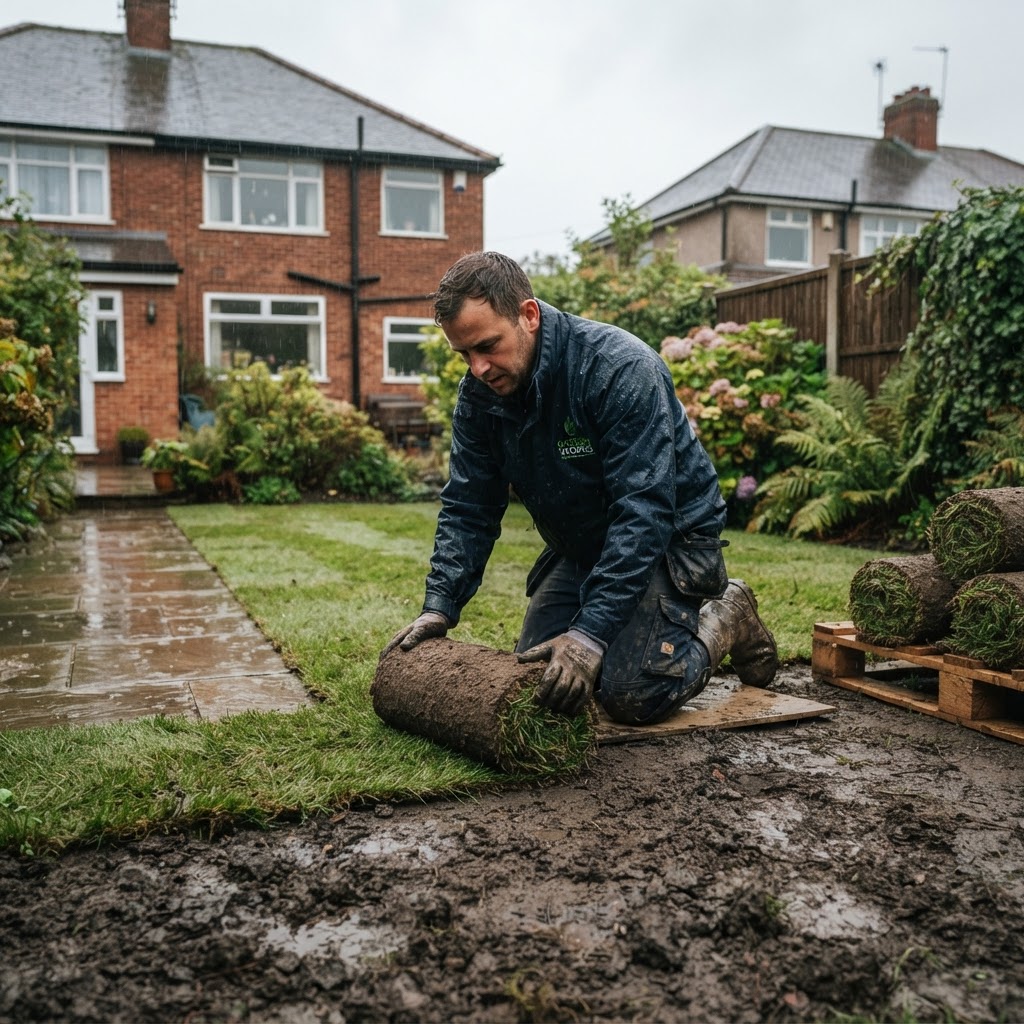
Start by removing dead grass and lightly loosening the topsoil. If the surface is capped hard, scratch deeper so roots have somewhere to go. Where compaction is obvious, spike or fork the area first. Then level with a suitable lawn dressing or friable topsoil so the seed sits in good contact with the surface.
Sow the seed evenly at the correct rate. Too little leaves gaps. Too much causes competition and weak establishment. A pre-seeder fertiliser with a balanced analysis, such as 6-9-6, is useful here because it supports early root development without forcing soft top growth. That matters on repair areas, where you want the plant to anchor quickly and hold under wear.
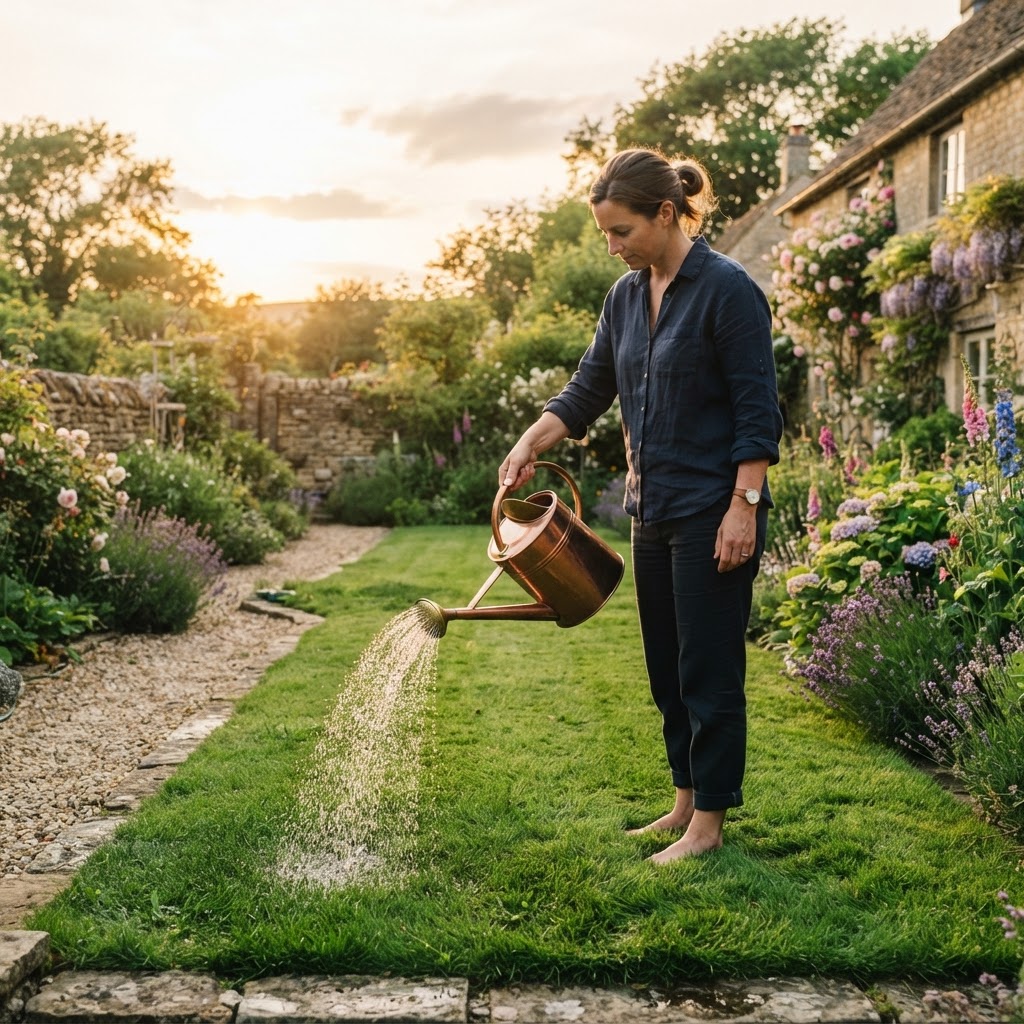
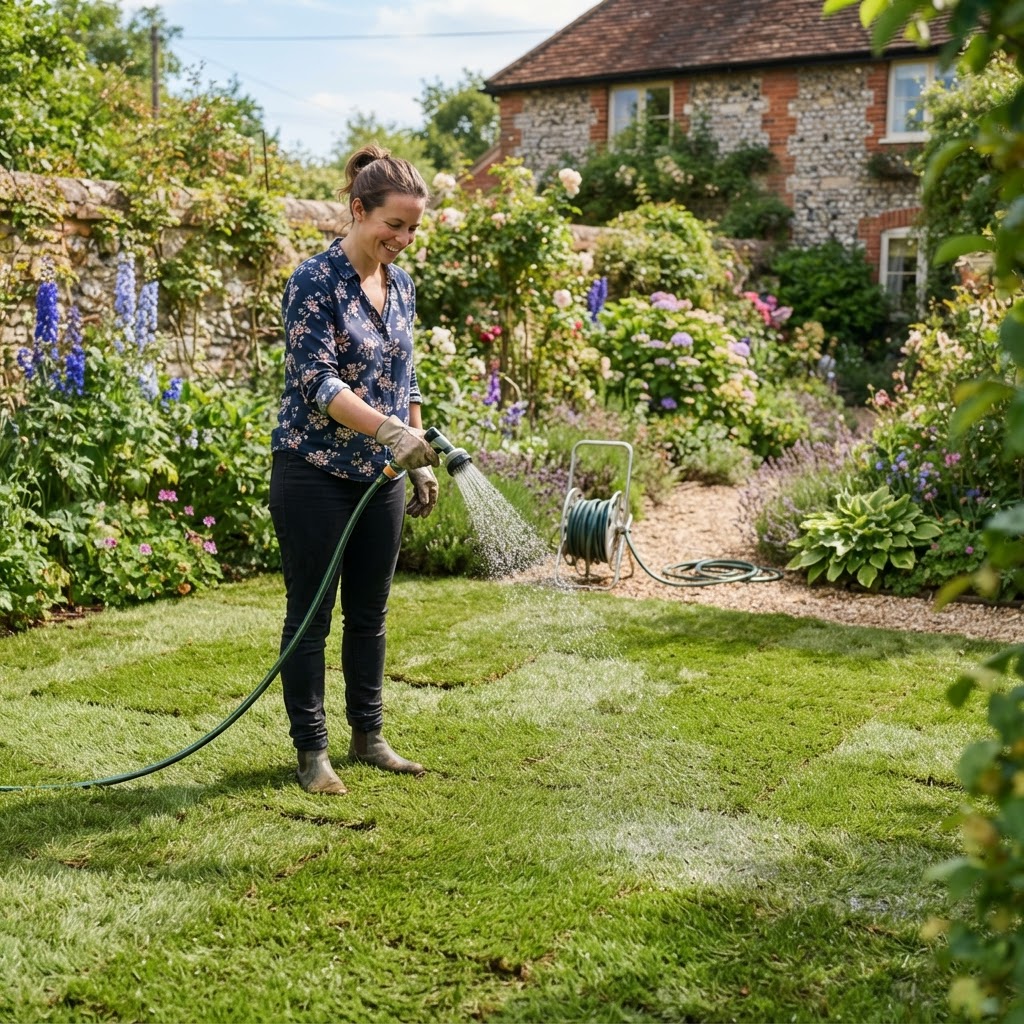
Once sown, lightly rake or brush the seed into the surface and keep it consistently moist through germination. This is where dog owners need a practical plan. Freshly seeded areas should be kept off limits for as long as possible. If the dog uses the garden freely, temporary barriers or a short-term alternative route can make the difference between a repair that takes and one that gets churned up in three days.
Choosing between fast results and long-term durability
There is always a trade-off. Fast-germinating seed is attractive because bare patches look unsightly and can quickly become muddy. For many households, especially with active dogs, rapid establishment is genuinely useful.
But speed is not the only measure of performance. The stronger question is how the lawn behaves after twelve months of use. A blend that comes away in 7 to 14 days but lacks density or staying power may disappoint later. Equally, a very fine ornamental mixture may look excellent in spring and fail by autumn once the dog has worn regular tracks through it.
For most domestic lawns, the sensible middle ground is a professional-grade utility or hard-wearing mix that combines quick establishment with durable species. That is often where trade-standard blends prove their worth. They are engineered for use, not just first impressions.
Grass seed for dog owners and seasonal timing
Timing affects success more than many people realise. In the UK, spring and early autumn are usually the best sowing windows. Soil temperatures are workable, moisture is more reliable and young grass is less likely to face the combined stress of heat and drought.
Spring sowing suits larger repairs after winter damage, but it can run into dry spells if left too late. Autumn is often excellent for renovation because the soil is still warm while weed pressure is easing. The caution for dog owners is that wetter weather can increase wear on soft ground, so freshly repaired areas still need protection.
Mid-summer sowing is possible with enough irrigation, but it is less forgiving. If a new patch dries out once, germination can become patchy. Likewise, winter sowing into cold, wet ground is slow and unreliable. A lawn under dog use already has enough against it without poor timing added to the list.
A better approach than chasing miracle products
There is no single miracle seed that makes a lawn immune to dogs. What works is matching the seed to the pressure the lawn actually faces, then supporting it with sound establishment and seasonal care.
If your garden gets full sun and heavy use, prioritise hard-wearing ryegrass-led mixtures. If you have partial shade, choose a blend that can tolerate lower light without becoming thin. If patches keep failing, inspect the soil before blaming the seed. Often the real culprits are compaction, poor drainage or repeated traffic through one narrow route.
This is where professional-grade products make sense for homeowners as well as contractors. The benefit is not jargon. It is reliability. A properly formulated seed mixture, backed by sensible feeding and practical repair work, gives the lawn a fair chance to cope with real life.
Ransley Pro Grow has long supplied this more measured approach - not chasing novelty, but focusing on proven grass species, sound fertiliser programmes and repair methods that stand up in British gardens.
A dog-friendly lawn will never be a museum piece, nor should it be. The aim is a surface that stays thick, recovers quickly and still looks cared for after muddy paws, sharp turns and daily use. Pick seed bred for wear, repair damage early, and let the lawn work for the household rather than the other way round.