




A sudden scatter of soil across a closely cut lawn can make a well-kept surface look untidy overnight. Effective ant control starts by deciding whether the nest is actually causing damage. Ants are part of a healthy garden ecosystem, but repeated mounds, loose turf and disturbance around newly sown grass can justify a measured response.
For most established lawns, the objective is not to remove every ant from the garden. It is to protect the grass canopy, maintain a safe and level surface, and prevent nests from weakening areas that are trying to establish. That distinction saves unnecessary treatment and gives better long-term results.
Why ants make mounds in lawns
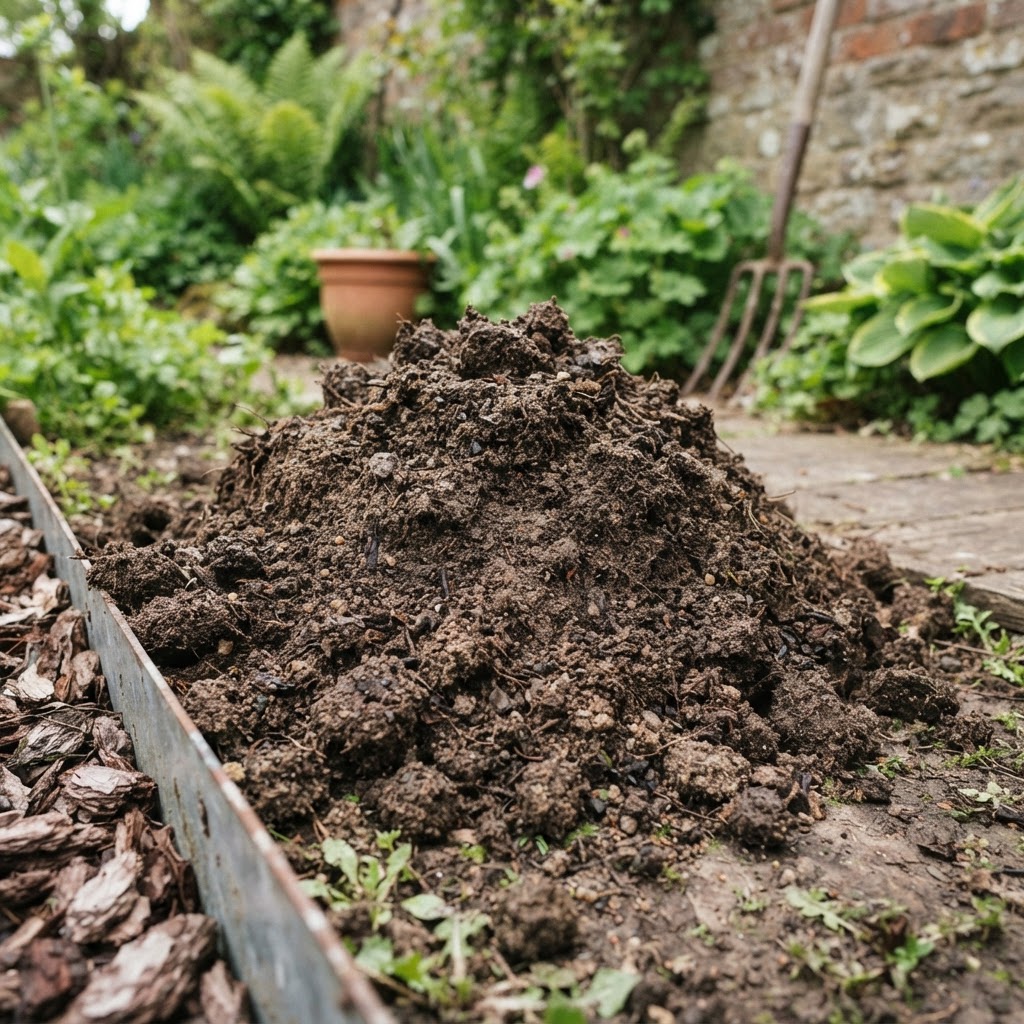
Most lawn-dwelling ants build below ground, bringing excavated soil to the surface as small mounds. They favour dry, well-drained spots where the soil warms quickly, especially along lawn edges, beside paving, around tree roots and in sparse turf. A thin lawn is easier for them to colonise because there is less dense root growth holding the soil together.
The soil mound itself is not usually a direct threat to mature grass. The issue begins when it smothers leaf blades, creates bare patches after mowing, or leaves the surface uneven underfoot. On a formal lawn, a sports surface, a children's play area or a newly seeded repair, this is more than a cosmetic nuisance.
Ants can also disturb seedbeds. Their tunnelling may displace fine seed, break contact between seed and soil, and dry out a germinating area. This matters most during the first few weeks after sowing, when grass roots are still shallow and the surface needs consistent moisture.
Assess the problem before choosing ant control
First, confirm that ants are responsible. An active nest will usually show small insects moving in and out of loose, granular soil on a dry day. Worm casts are darker, smoother and appear after wet weather. Mole activity produces much larger heaps, while leatherjacket or chafer grub damage tends to show as turf that lifts easily rather than a neat mound of excavated soil.
A single small nest at the back of a mature lawn rarely needs chemical treatment. Brush the mound away on a dry day before mowing and monitor it. Repeated mounds in the same visible area are more likely to be worth addressing, particularly if they are affecting lawn use or establishment.
Treatment is generally justified where nests are repeatedly forming on newly sown or recently turfed ground, where soil is being thrown onto hard surfaces, or where several nests are creating an uneven finish. It also makes sense to act if activity is concentrated around a patio, doorstep, shed base or retaining edge, where ants may move indoors in search of food.
The first response: protect the grass, not just the surface
For an established lawn with limited activity, brush away dry mounds using a stiff broom or the back of a rake. Do this before mowing so soil does not blunt mower blades or scalp the grass beneath it. Avoid raking aggressively into the nest. The aim is to restore the surface while allowing the surrounding grass to retain its roots.
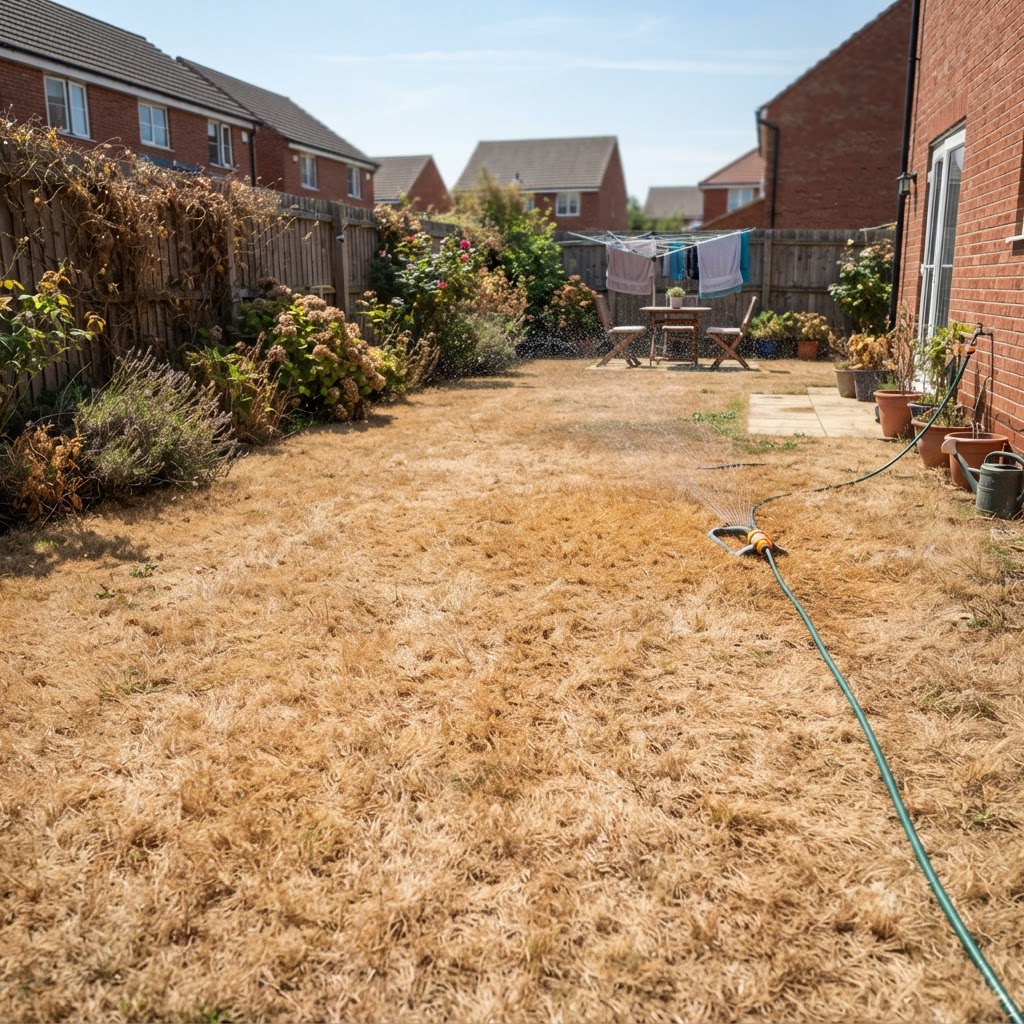
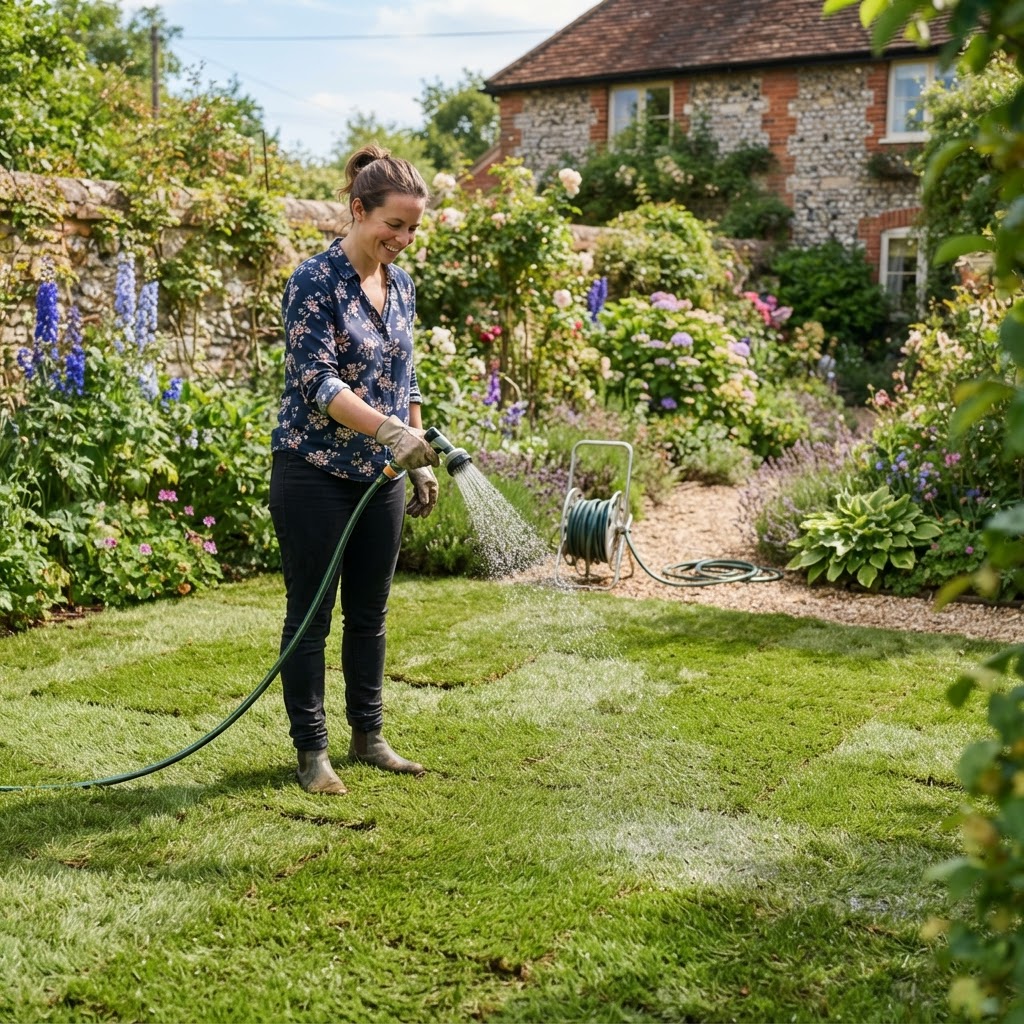
Watering can make a difference where nests are concentrated in drought-prone ground. Ants often prefer dry, open soil. A lawn watered deeply and less frequently develops stronger roots and is less likely to remain thin at the surface. Frequent light sprinkling, by contrast, encourages shallow rooting and can leave turf more vulnerable when dry weather returns.
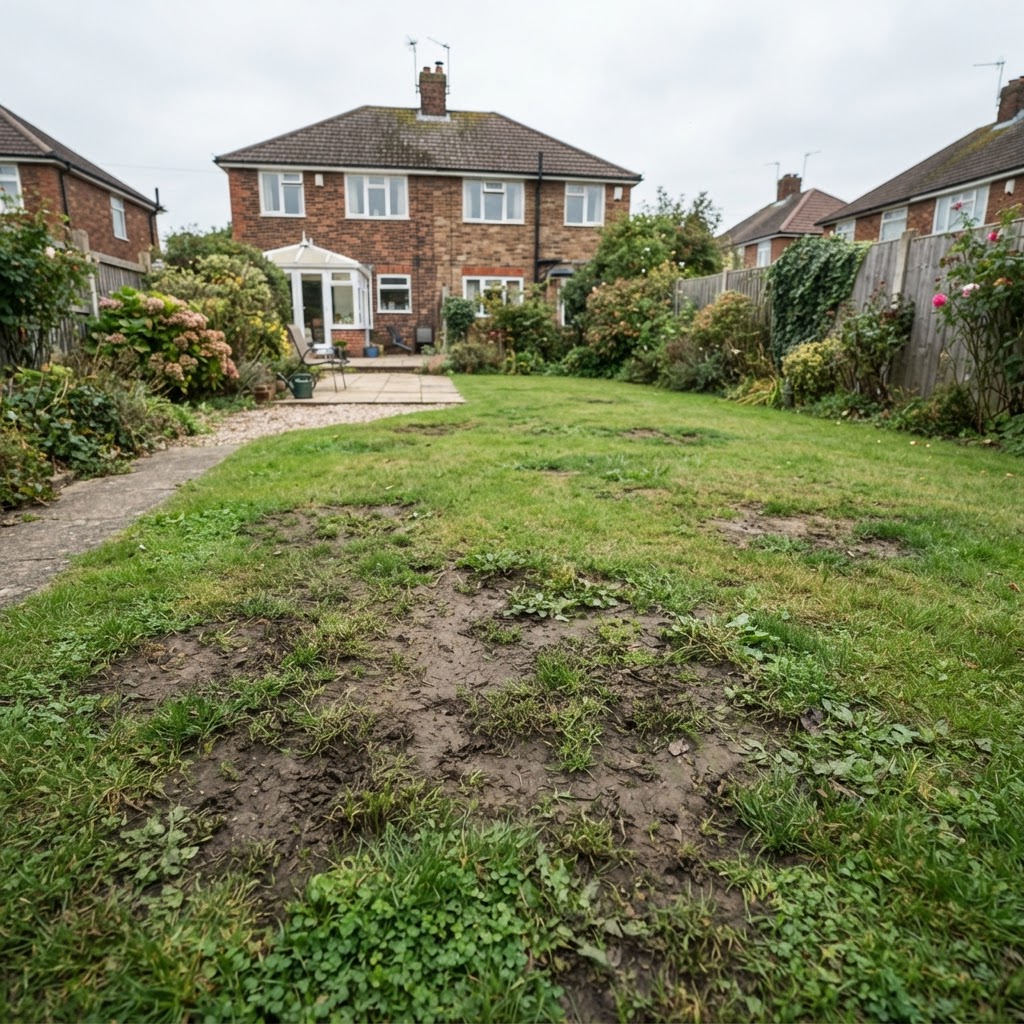
Where grass is sparse, repair the cause rather than treating the mound alone. Compaction, shade, drought stress, low fertility and poor seed-to-soil contact all create openings in the sward. Overseeding with a suitable grass mixture, followed by correct watering and nutrition, gives the lawn the density needed to recover. Fast-establishing perennial ryegrass can be useful for hard-wearing areas, while fescue-based mixtures are often better suited to finer or shadier lawns.
When chemical treatment is appropriate
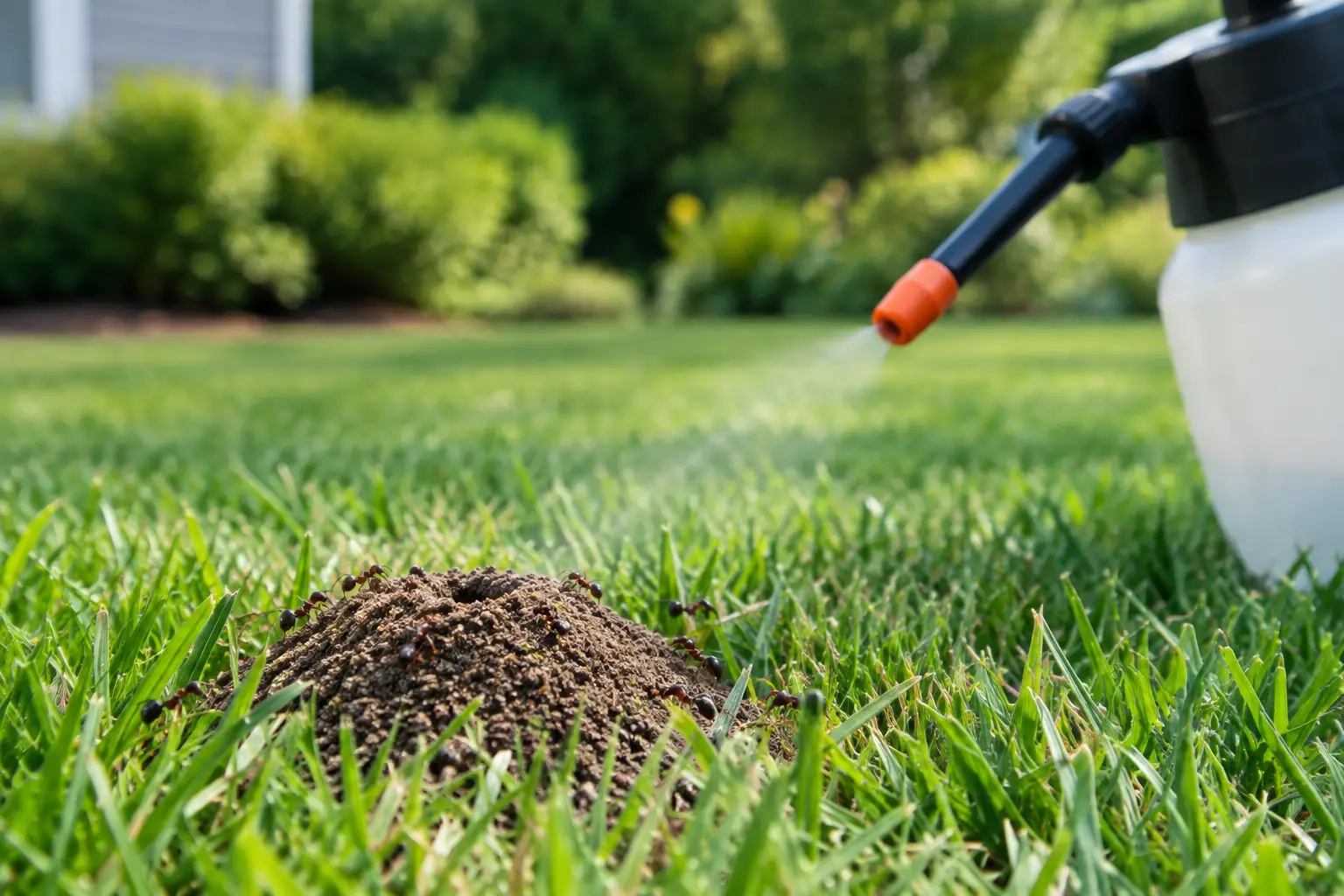
If the nest is causing persistent damage or creating a safety issue, use a UK-authorised ant treatment that is labelled for the location and intended use. Read the product label in full before application. This is not paperwork to skip: the label specifies the approved application rate, suitable surfaces, timing, personal protection and any restrictions around children, pets, ponds or wildlife.
Treat the nest rather than broadcasting insecticide across the whole lawn. Broad application is rarely necessary for a localised problem and may expose non-target insects without improving results. Find the active nest entrance and apply only as directed by the manufacturer. Do not increase the dose in the belief that more product will work faster.
Dry weather is usually best for granular or powder treatments if the label requires a dry surface. If a product relies on watering in, follow that instruction exactly. Rain can wash some products away from the target area, while irrigation at the wrong stage may reduce performance. Ant activity is often easiest to identify on warm, dry days, but treatment timing must always follow the individual product directions.
Keep children and pets away from the treated area for the stated period. Store unused product in its original container, securely and away from food, feed and frost. Never use an indoor ant product on a lawn, and do not improvise with household chemicals, petrol, bleach or boiling water. These approaches can scorch grass, contaminate soil, harm beneficial organisms and still fail to deal with the colony.
Take particular care near water and wildlife
Avoid treating close to ponds, drains, watercourses and bee-friendly flowering borders unless the product label expressly permits it. Many lawn ant nests sit at the edge of paving or in dry banks where treatment can move with rainfall. Accurate application is both more effective and more responsible.
If you are managing a commercial site, school ground, sports area or public-facing landscape, maintain application records and work to the product's professional-use requirements. The correct control method depends on site risk, access and the product authorisation, not simply on the size of the mound.
Ant control during lawn renovation
New grass needs a different approach. Before sowing, clear visible mounds, level the seedbed and firm the surface so that it is stable underfoot without becoming compacted. Apply any pre-seeding fertiliser at the stated rate and work it into the topsoil where appropriate. A balanced formulation such as 6-9-6 supports early root development without forcing excessive soft top growth.
Once seed is down, avoid disturbing the surface unless ants are repeatedly displacing seed. Maintain even moisture through germination, particularly during dry spring or early autumn conditions. Depending on temperature and grass species, vigorous ryegrass can begin to show in 7-14 days, but seedlings remain vulnerable well beyond first emergence.
If a nest develops in a newly seeded patch, assess the actual damage. A small mound can often be gently brushed level once the surface is dry, then lightly watered. Chemical treatment may be necessary for persistent activity, but check that the chosen product is suitable for use on newly established turf. Some treatments may require a waiting period before reseeding or may be unsuitable around young plants.
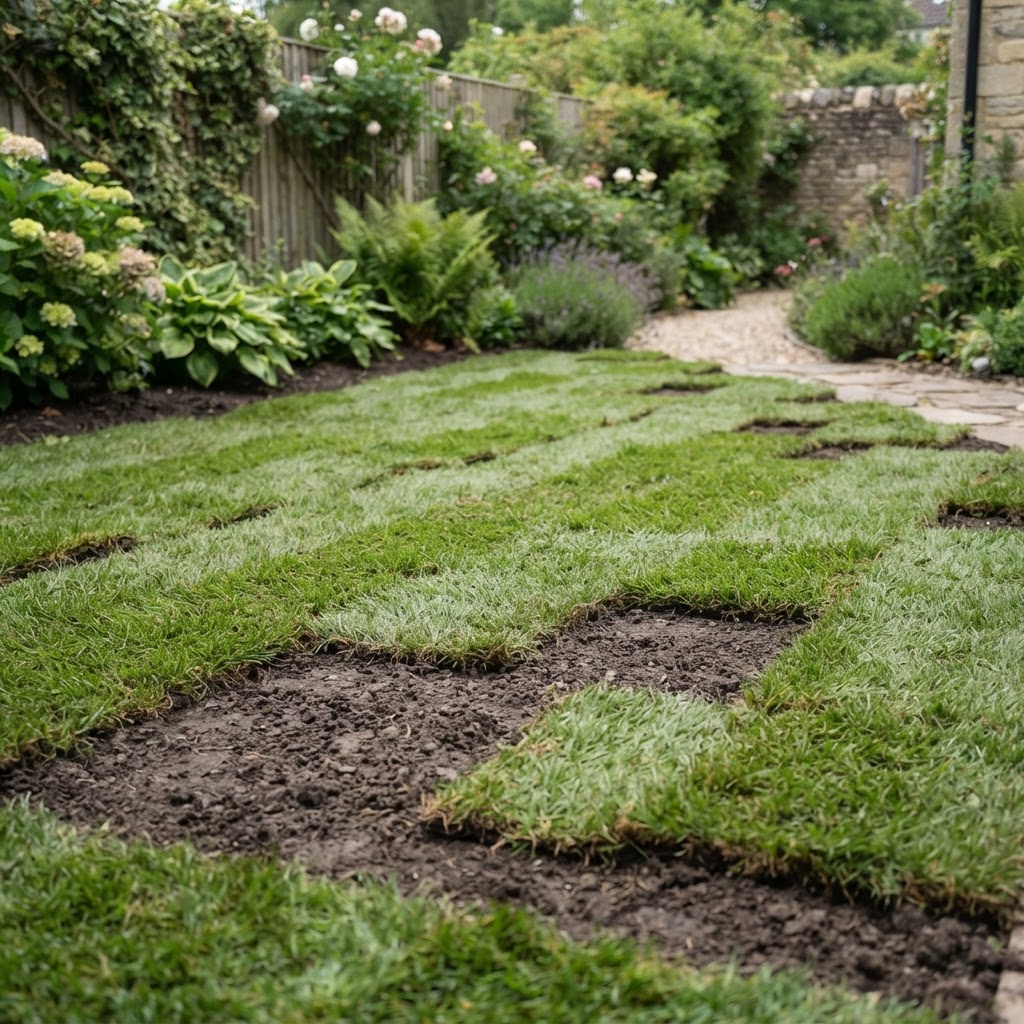
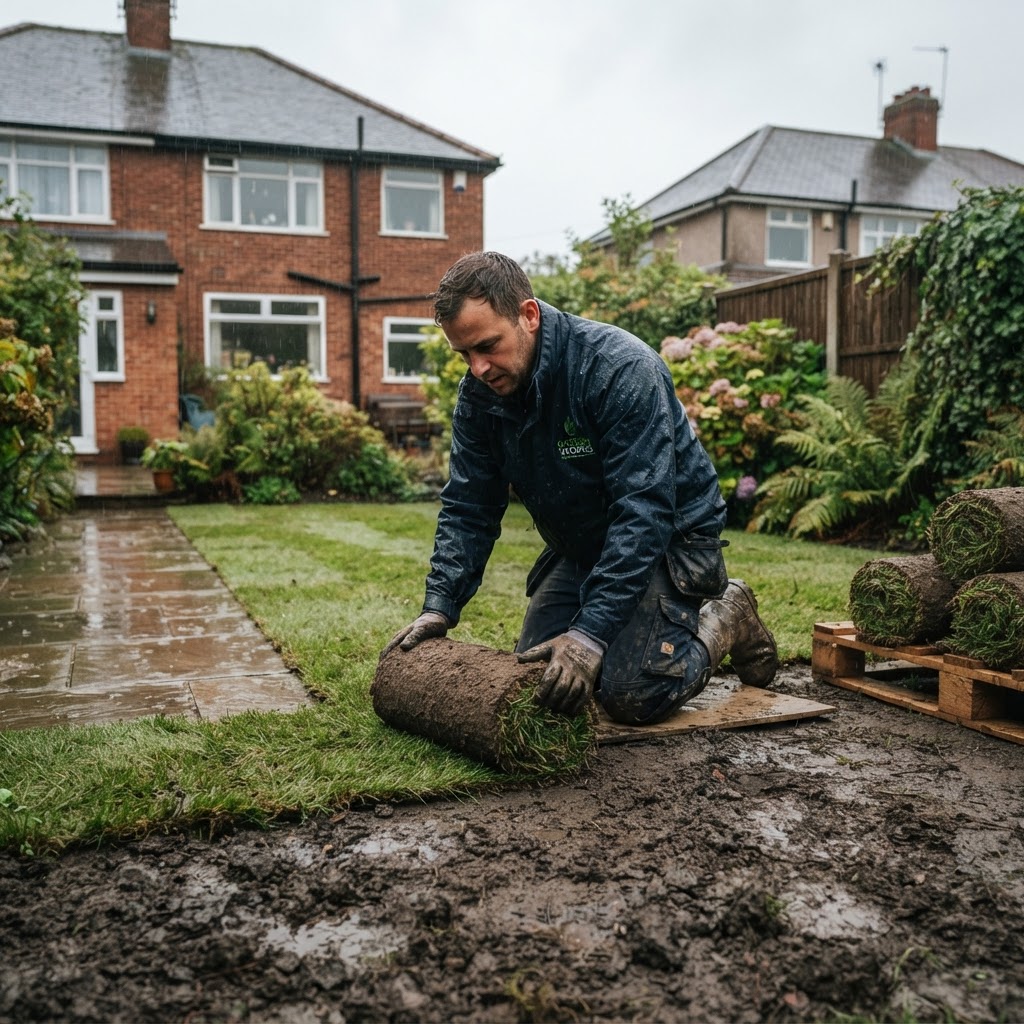
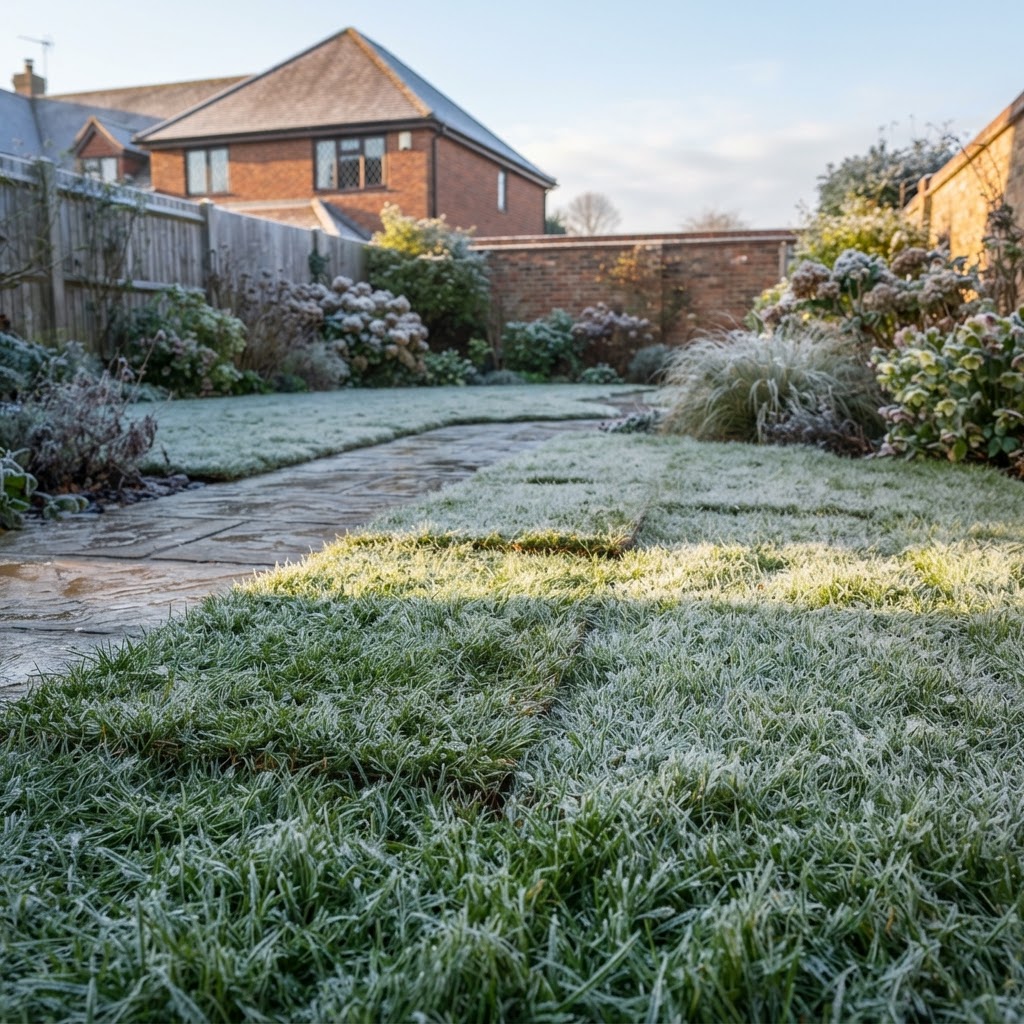
For turfing projects, ensure the soil beneath the rolls is evenly firmed and properly watered after laying. Gaps, dry edges and weak joins provide the loose, warm conditions ants favour. Good preparation is not glamorous, but it is usually the most dependable preventative measure.
Prevent repeat mounds by improving lawn conditions
A thicker, better-rooted lawn is less inviting than an open, stressed one. Mow at an appropriate height for the grass type and season. Cutting too short weakens the plant, exposes the soil and increases heat stress. Most domestic lawns perform better when the mower is raised slightly during dry weather and when newly established grass is allowed to develop before close mowing.
Feed according to the season and the lawn's condition. High-nitrogen spring and summer feeds support leaf growth and colour, while autumn formulations with lower nitrogen and higher potassium support root resilience ahead of winter. Do not feed simply because ants are present. Nutrition should correct a genuine lawn requirement, not become a substitute for diagnosis.
Aeration can relieve compaction and encourage deeper rooting, although it should be timed sensibly. Hollow-tining a lawn already full of dry, loose ant activity may temporarily increase surface disturbance. On compacted ground, aerate when the soil is moist enough to work cleanly, then overseed and topdress where needed to rebuild density.
A lawn does not need to be sterile to look professional. Ants will always have a place in the wider garden, where they help move soil and form part of the food chain. The practical standard is simpler: keep nests away from vulnerable seedbeds and high-use turf, improve the grass where it is thin, and use targeted treatment only when the evidence calls for it. That is ant control with a steady hand rather than a heavy one.